Synthesis, Thermal Behavior and Mechanical Property of Fully Biobased Poly(hexamethylene Furandicarboxylate-co-hexamethylene Thiophenedicarboxylate) Copolyesters
Haidong Yang, Shiwei Feng, Zhaobin Qiu

TL;DR
This paper introduces a new type of biobased polyester that balances strength and toughness by adjusting its chemical composition.
Contribution
The study introduces a novel biobased copolyester with tunable thermal and mechanical properties through the incorporation of thiophenedicarboxylate units.
Findings
PHFTh copolyesters showed excellent thermal stability across varying compositions.
The addition of HTh units increased elongation at break while maintaining strength.
PHFTh copolyesters displayed semicrystalline behavior and isodimorphism over the composition range.
Abstract
In order to increase the toughness of poly(hexamethylene furandicarboxylate) (PHF) without severely compromising its strength at break, novel biobased poly(hexamethylene furandicarboxylate-co-hexamethylene thiophenedicarboxylate) (PHFTh) copolyesters and their parent homopolyesters, PHF and poly(hexamethylene thiophenedicarboxylate), were successfully synthesized through melt polycondensation in this research. Despite the variation in their compositions, all the PHFTh copolyesters exhibited excellent thermal stability. The PHFTh copolyesters were semicrystalline in nature, showing the lowest eutectic melting points and isodimorphism behaviors over the whole composition range. As the hexamethylene thiophenedicarboxylate (HTh) unit content increased, the glass transition temperature of the copolyesters gradually decreased, while the chain mobility was accordingly enhanced. Therefore, the…
Genes, proteins, chemicals, diseases, species, mutations and cell lines named across the full text — each resolved to its canonical identifier and authoritative record.
Click any figure to enlarge with its caption.
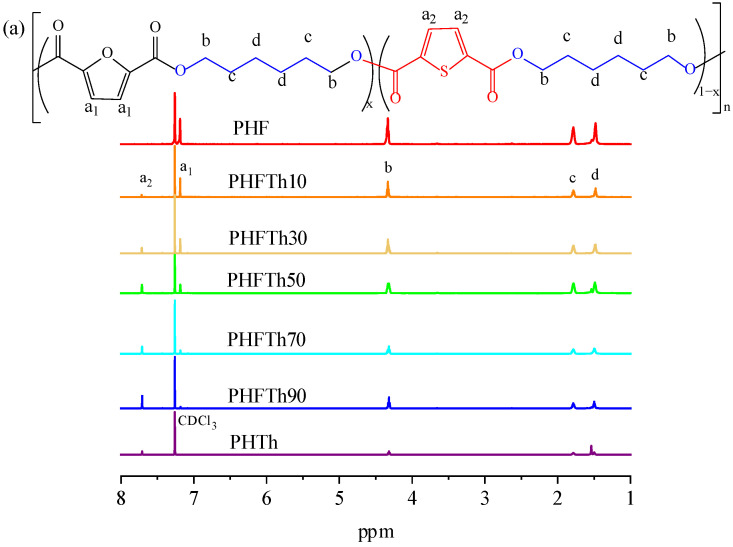 Figure 1
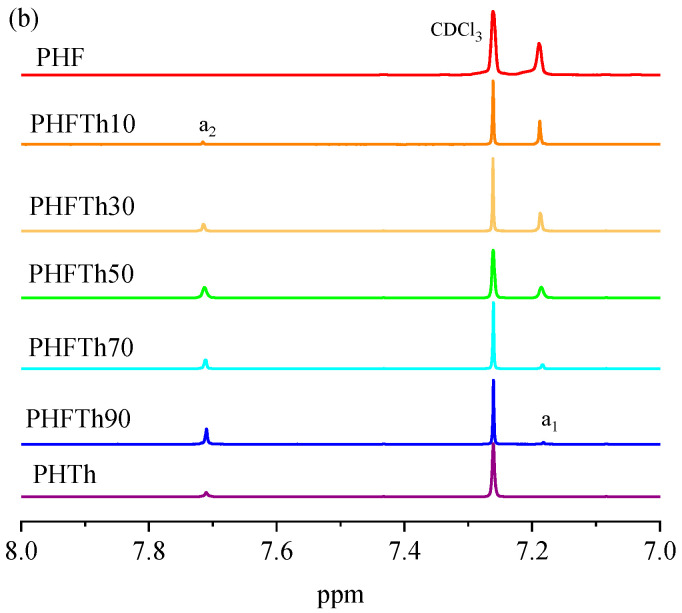 Figure 2
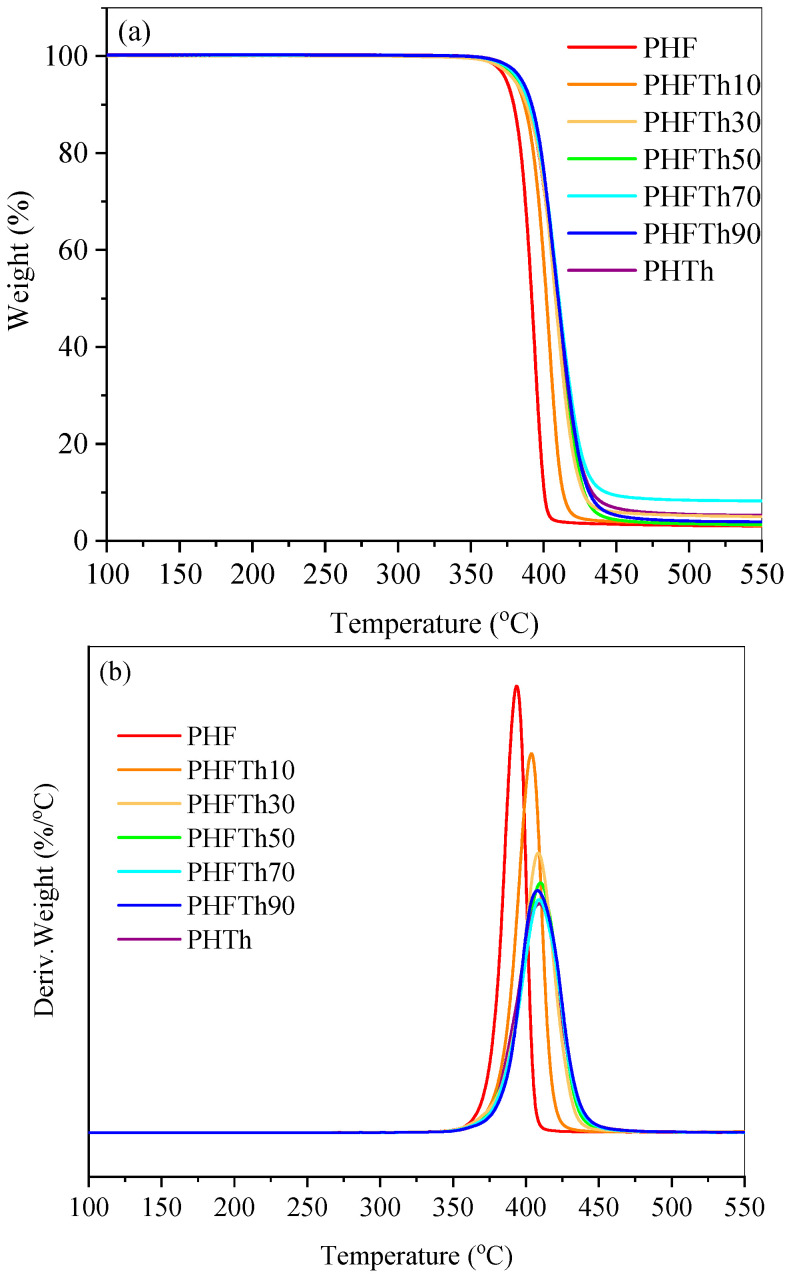 Figure 3
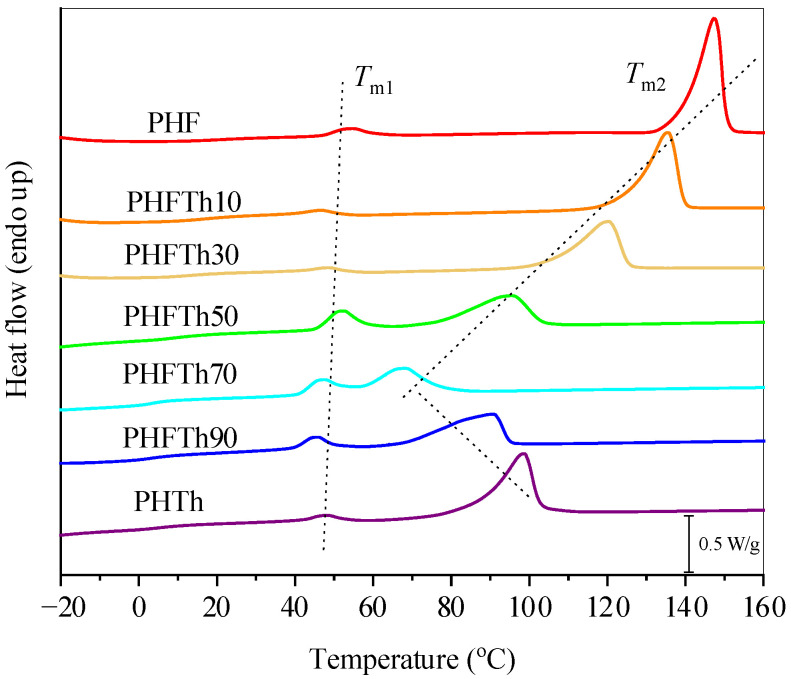 Figure 4
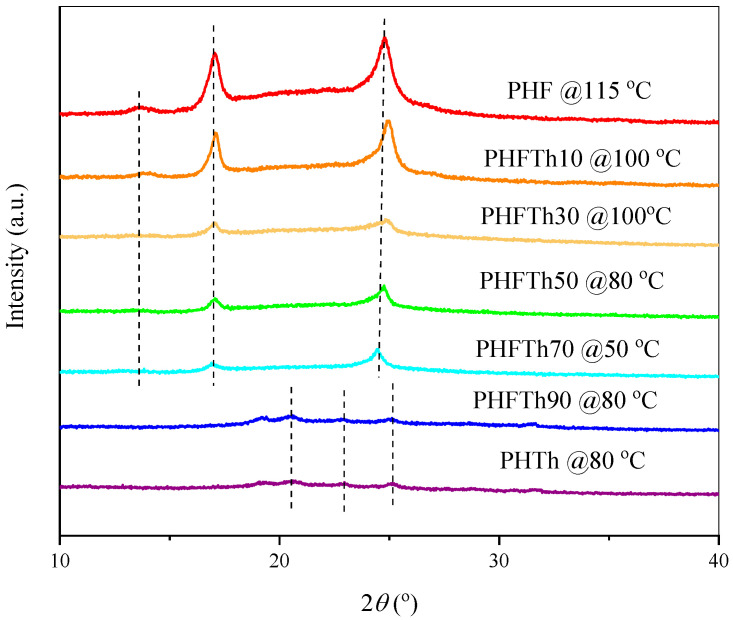 Figure 5
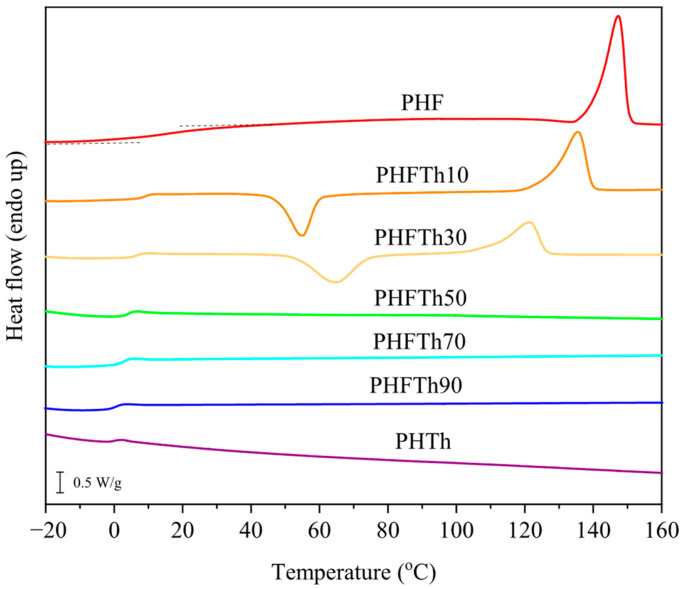 Figure 6
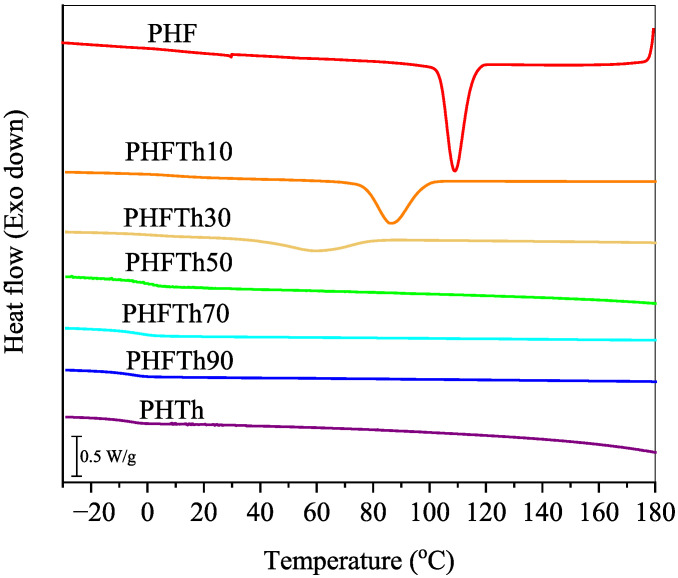 Figure 7
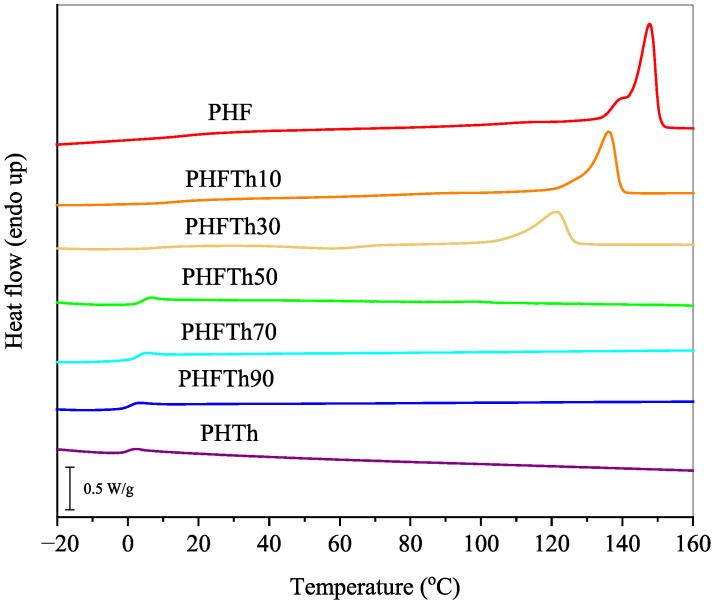 Figure 8
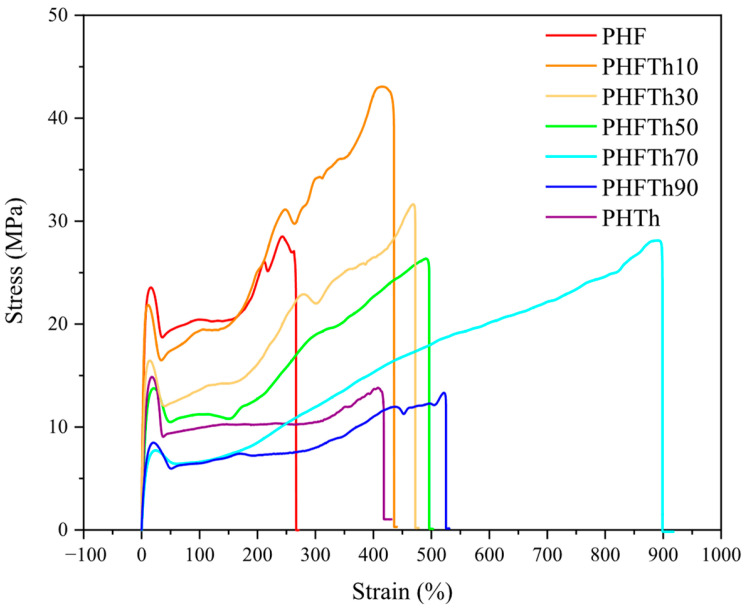 Figure 9
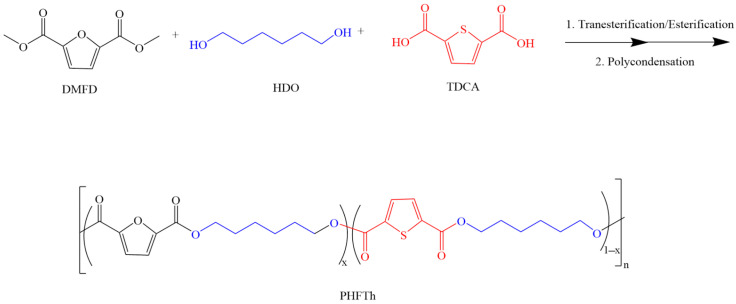 Figure 10
Peer Reviews
No public reviews on file for this paper yet. If you reviewed it on a platform where reviews are public (OpenReview, ICLR, NeurIPS, ICML), you can paste yours below so the community can read it here.
Videos
No videos yet. Explain this paper in a talk, walkthrough, or lecture? Add one.
Taxonomy
Topicsbiodegradable polymer synthesis and properties · Catalysis for Biomass Conversion · Carbon dioxide utilization in catalysis