Design and Validation of an Active Headrest System with Integrated Sensing in Rear-End Crash Scenarios
Alexandru Ionut Radu, Bogdan Adrian Tolea, Horia Beles, Florin Bogdan Scurt, Adrian Nicolaie Tusinean

TL;DR
This paper introduces a new simulation model for rear-end crashes that includes an active headrest system to improve occupant safety.
Contribution
The novel integration of active headrest mechanisms and sensor-based activation logic in a detailed crash simulation model is presented.
Findings
The model achieved a RMSE of 4.19 m/s² and MAPE of 0.71% in head acceleration predictions.
Validation confirmed accurate reproduction of occupant kinematics and head acceleration profiles.
The system demonstrates the effectiveness of sensor-actuator integration in enhancing crash safety.
Abstract
Rear-end collisions represent a major concern in automotive safety, particularly due to the risk of whiplash injuries among vehicle occupants. The accurate simulation of occupant kinematics during such impacts is critical for the development of advanced safety systems. This paper presents an enhanced multibody simulation model specifically designed for rear-end crash scenarios, incorporating integrated active headrest mechanisms and sensor-based activation logic. The model combines detailed representations of vehicle structures, suspension systems, restraint systems, and occupant biomechanics, allowing for the precise prediction of crash dynamics and occupant responses. The system was developed using Simscape Multibody, with CAD-derived components interconnected through physical joints and validated using controlled experimental crash tests. Special attention was given to modelling…
Genes, proteins, chemicals, diseases, species, mutations and cell lines named across the full text — each resolved to its canonical identifier and authoritative record.
Click any figure to enlarge with its caption.
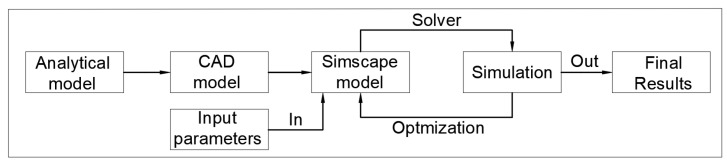 Figure 1
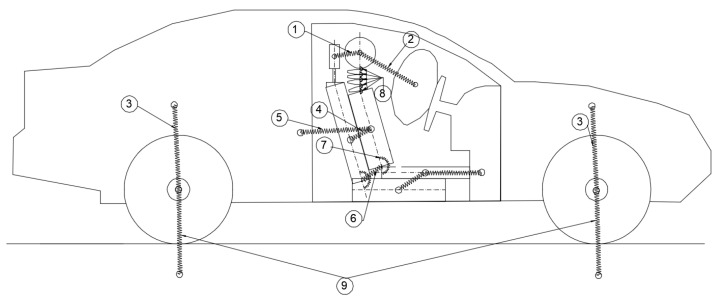 Figure 2
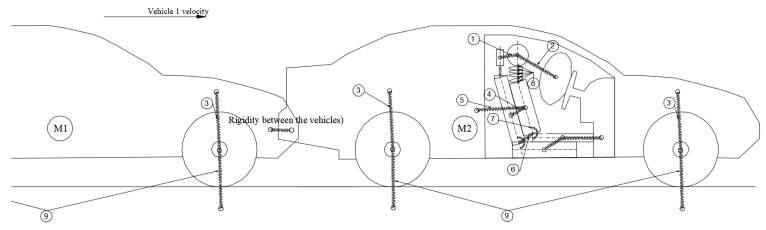 Figure 3
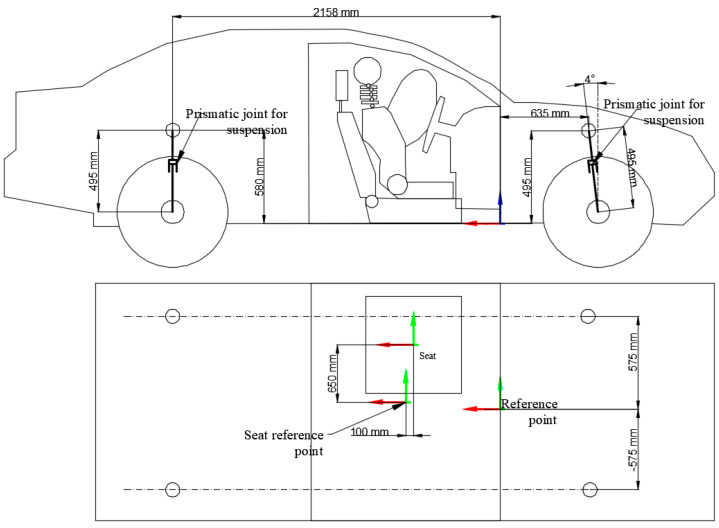 Figure 4
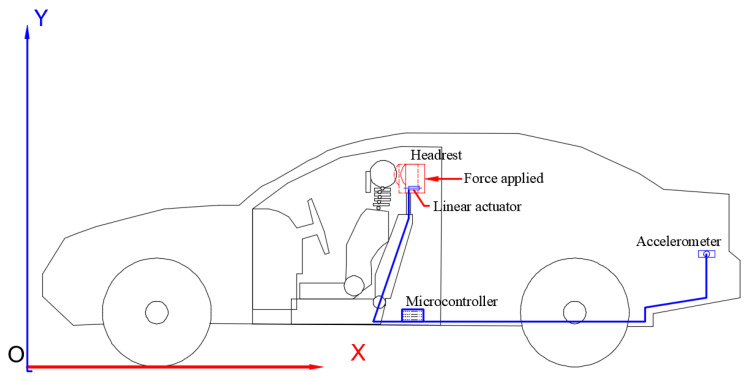 Figure 5
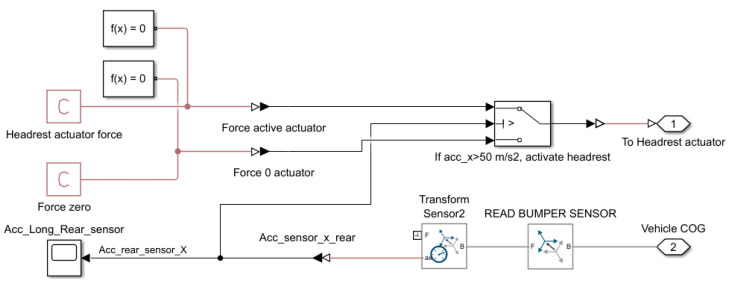 Figure 6
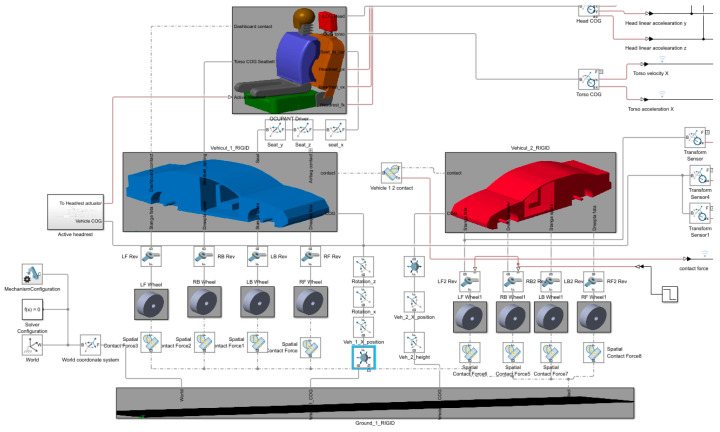 Figure 7
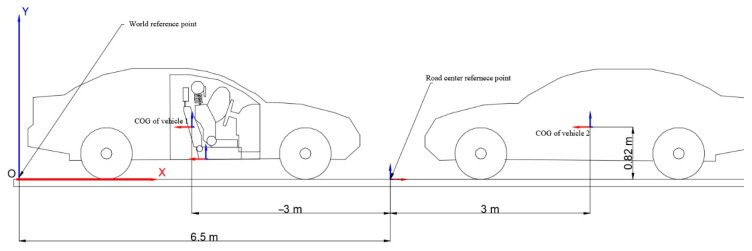 Figure 8
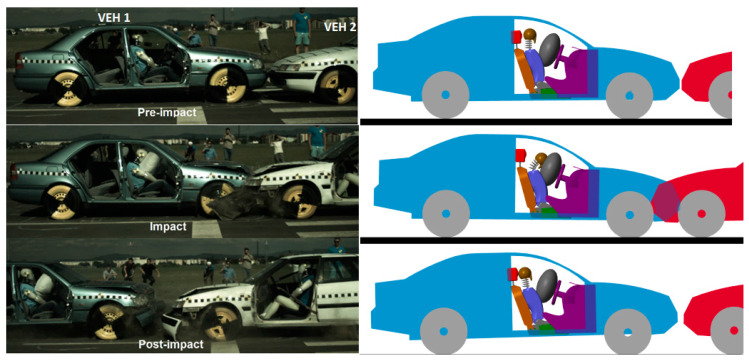 Figure 9
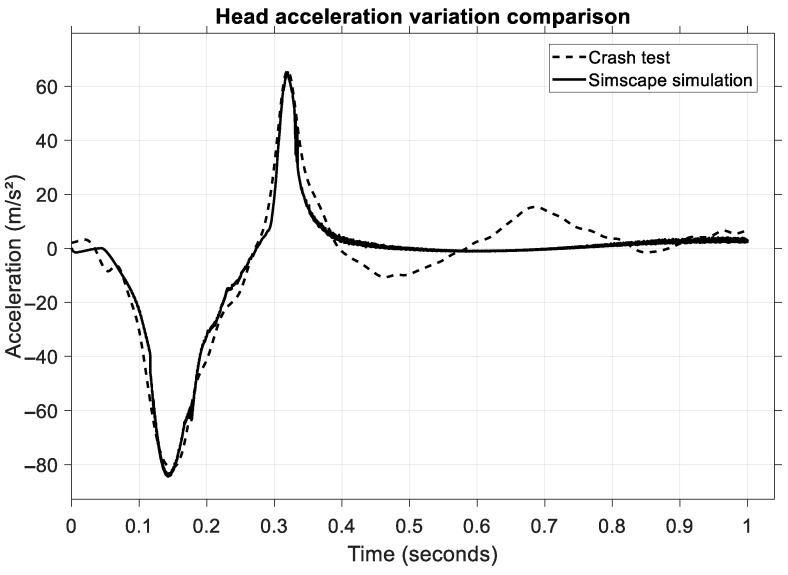 Figure 10
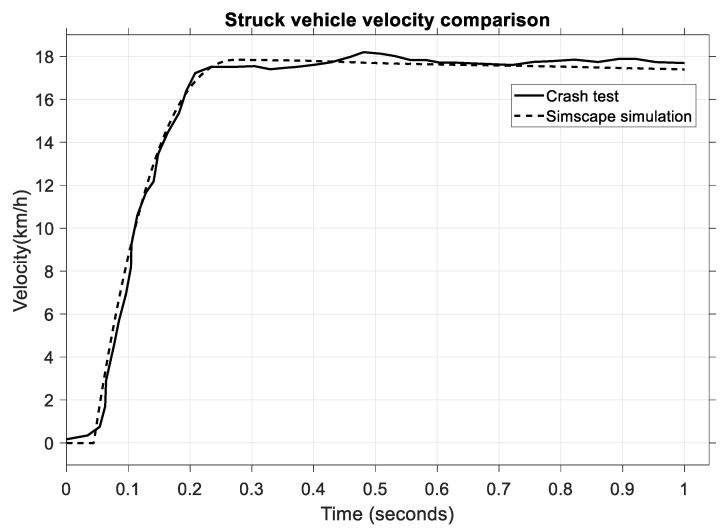 Figure 11
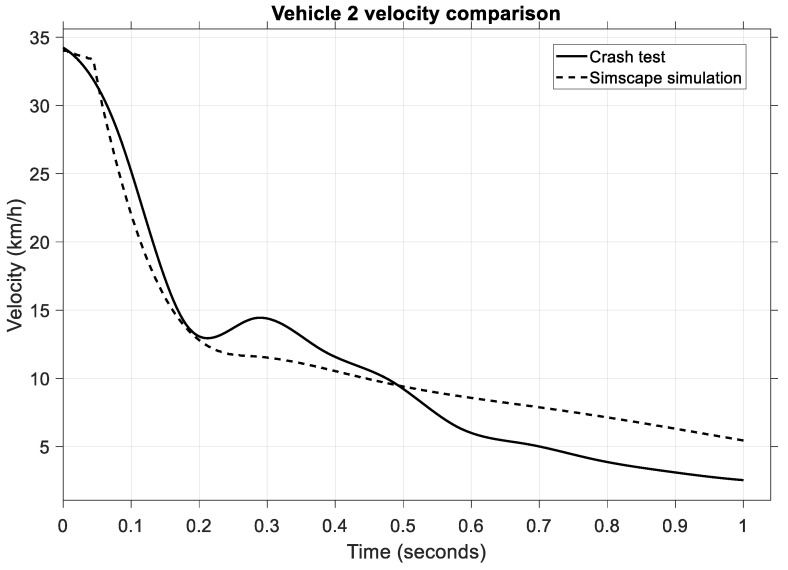 Figure 12
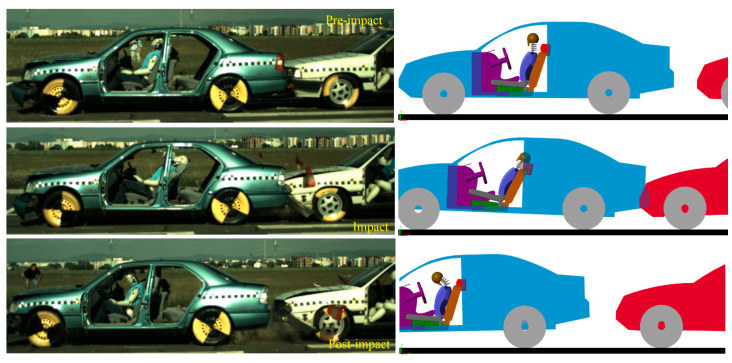 Figure 13
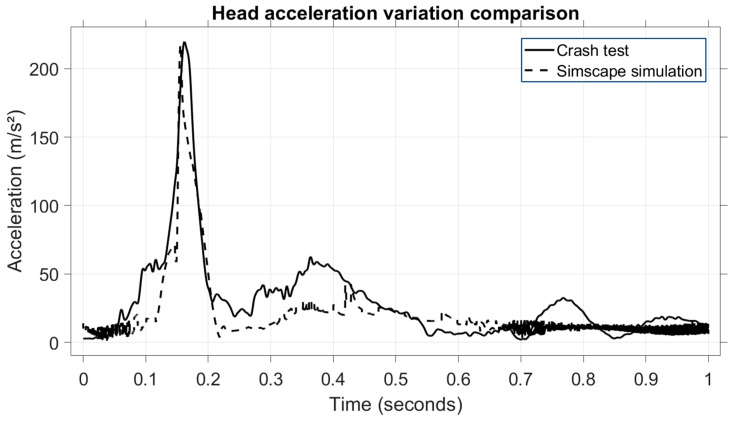 Figure 14
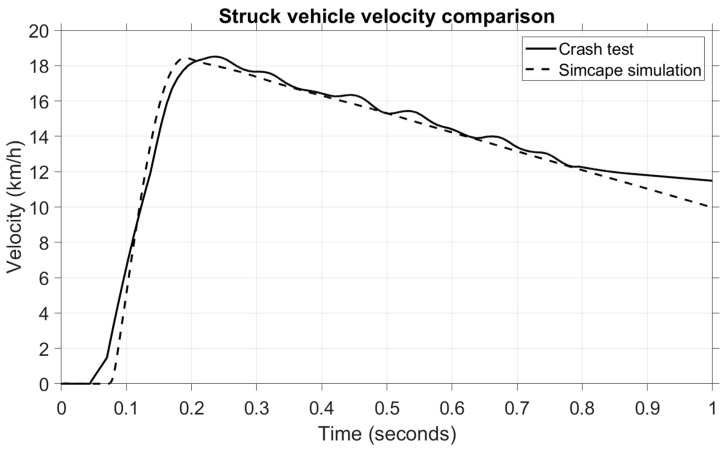 Figure 15
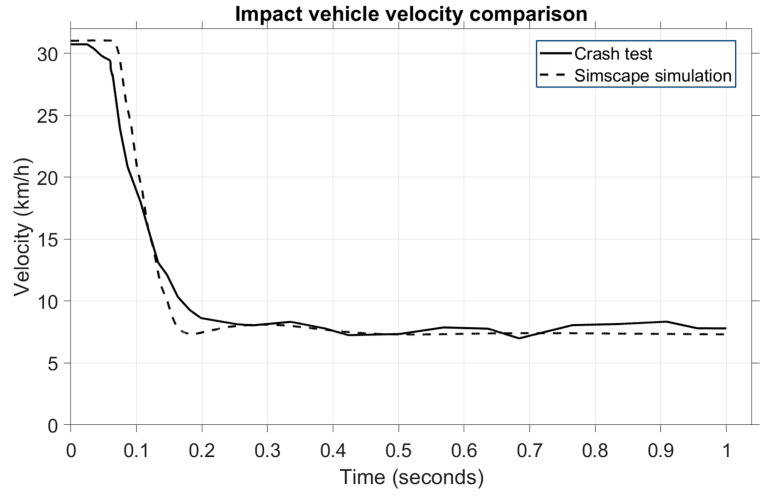 Figure 16
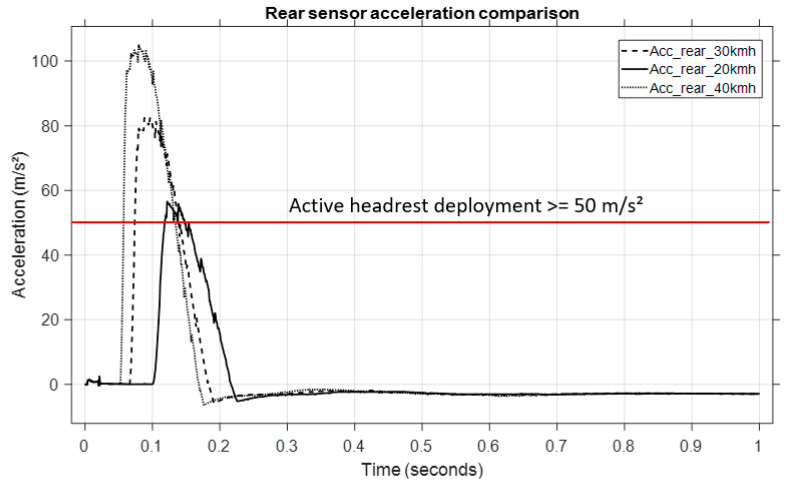 Figure 17
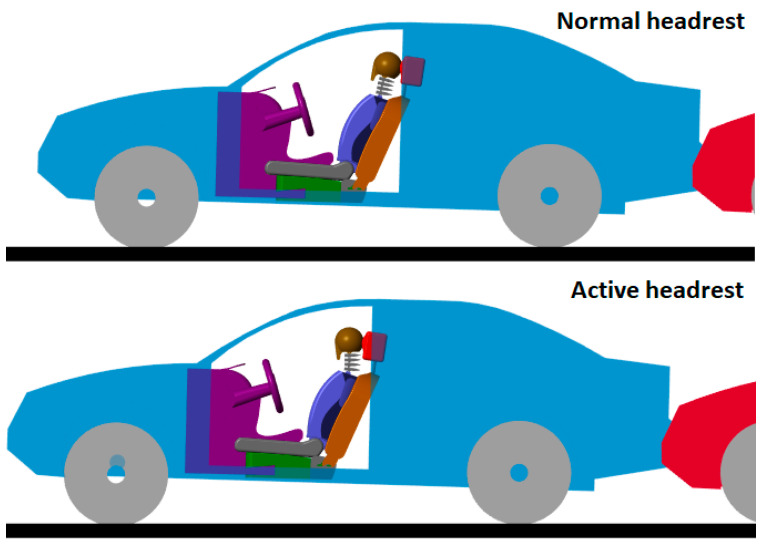 Figure 18
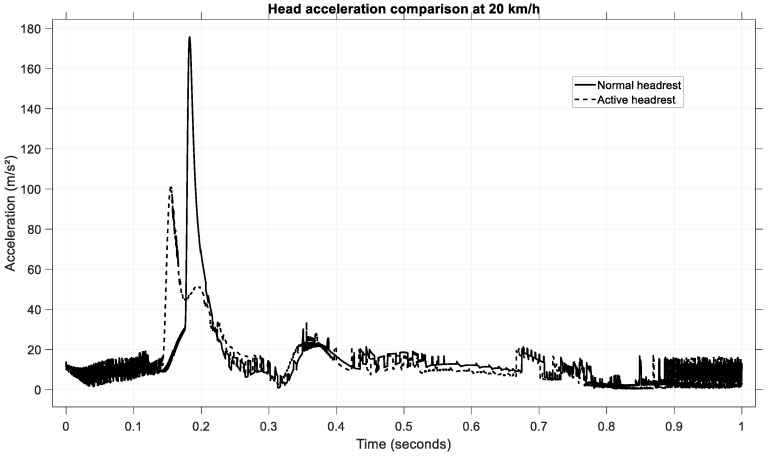 Figure 19
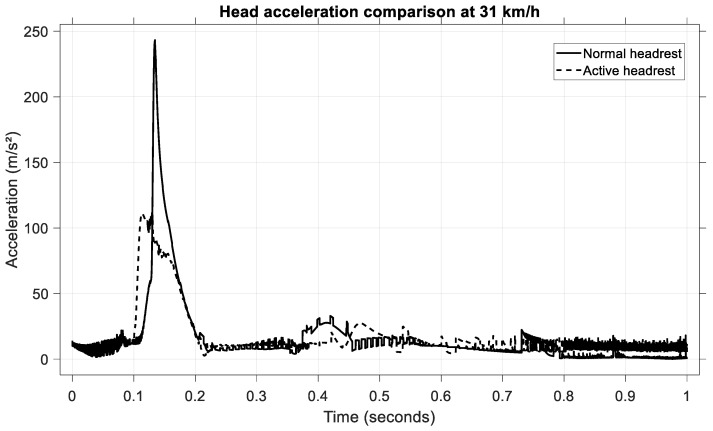 Figure 20
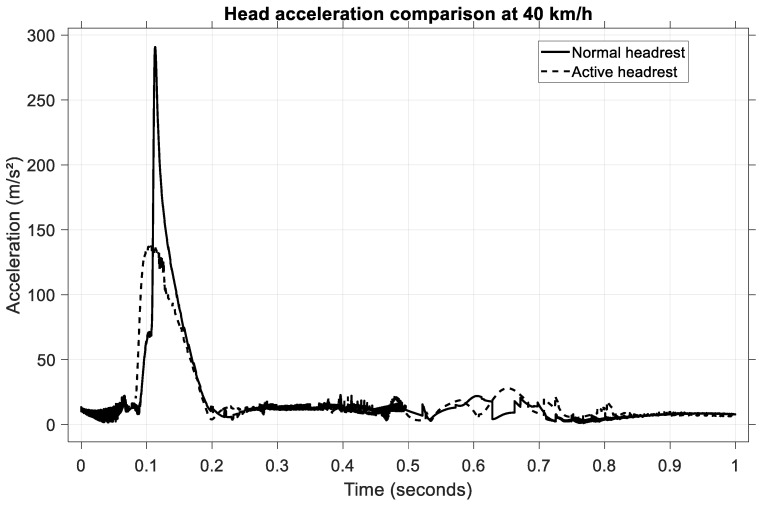 Figure 21
Peer Reviews
No public reviews on file for this paper yet. If you reviewed it on a platform where reviews are public (OpenReview, ICLR, NeurIPS, ICML), you can paste yours below so the community can read it here.
Videos
No videos yet. Explain this paper in a talk, walkthrough, or lecture? Add one.
Taxonomy
TopicsAutomotive and Human Injury Biomechanics · Traffic and Road Safety · Human-Automation Interaction and Safety