A Marine-Derived Steroid from Rhodococcus sp., 3,12-Dioxochola-4,6-dien-24-oic Acid, Enhances Skin Re-Epithelialization and Tissue Repair
Mücahit Varlı, Hui Tan, Chaeyoung Lee, Jeongyun Lee, Ji Young Lee, Jeong-Hyeon Kim, Songyi Lee, Hangun Kim, Sang-Jip Nam

TL;DR
A new marine-derived steroid compound, DOCDA, was found to speed up wound healing by boosting cell movement and activating regenerative signals in skin cells.
Contribution
The discovery of DOCDA as a novel marine-derived steroid that promotes wound healing through activation of regenerative signaling and stem-like properties.
Findings
DOCDA promotes wound healing by enhancing HaCaT cell invasion and migration and upregulating growth factors like EGF and VEGF-A.
DOCDA increases expression of genes related to focal adhesion and cytoskeletal regulation, such as ITGB1, FAK, and RHOA.
Topical application of DOCDA in mice resulted in over 70% wound closure within 5 days.
Abstract
The discovery of bioactive natural compounds from microbes holds promise for regenerative medicine. In this study, we identified and characterized a steroid-like compound, 3,12-dioxochola-4,6-dien-24-oic acid (DOCDA), from a crude extract of Rhodococcus sp. DOCDA significantly promoted wound healing by enhancing HaCaT cell invasion and migration. It upregulated key growth factors (EGF, VEGF-A, IGF, TGF-β, and HGF), indicating the activation of regenerative signaling. Additionally, DOCDA increased the expression of genes related to focal adhesion and cytoskeletal regulation (ITGB1, ITGA4, FAK, SRC, RHOA, CDC42, RAC1, and paxillin), supporting enhanced cellular motility and remodeling. Notably, DOCDA promoted stem-like properties in HaCaT cells, as shown by increased spheroid formation and elevated levels of the stemness markers ALDH1 and CD44. Target prediction and molecular docking…
Genes, proteins, chemicals, diseases, species, mutations and cell lines named across the full text — each resolved to its canonical identifier and authoritative record.
Click any figure to enlarge with its caption.
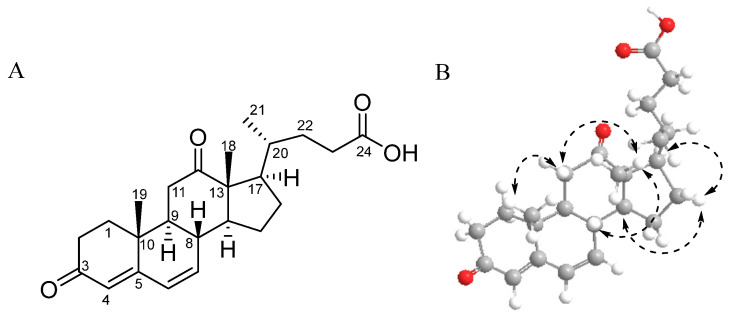 Figure 1
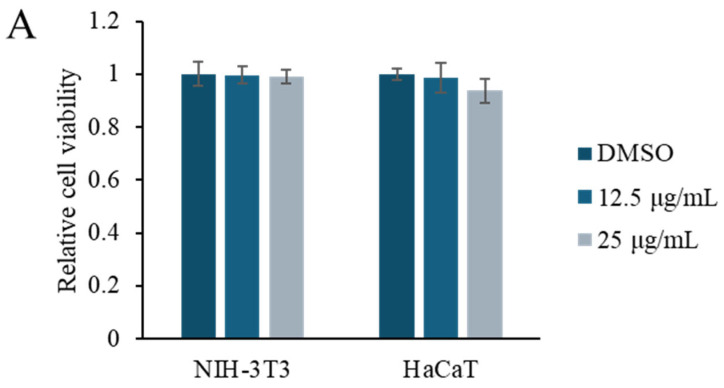 Figure 2
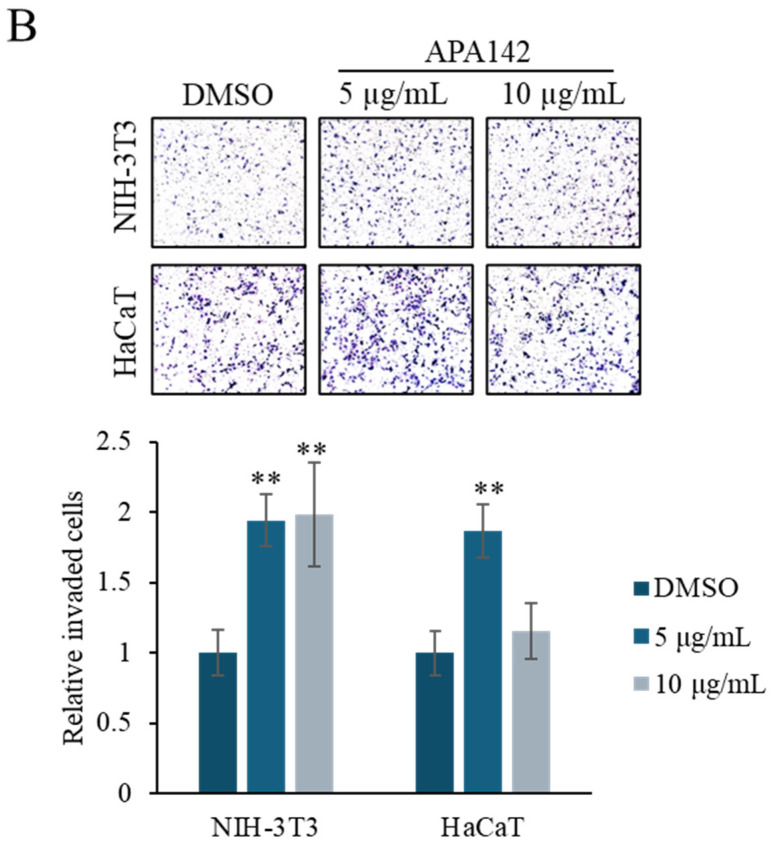 Figure 3
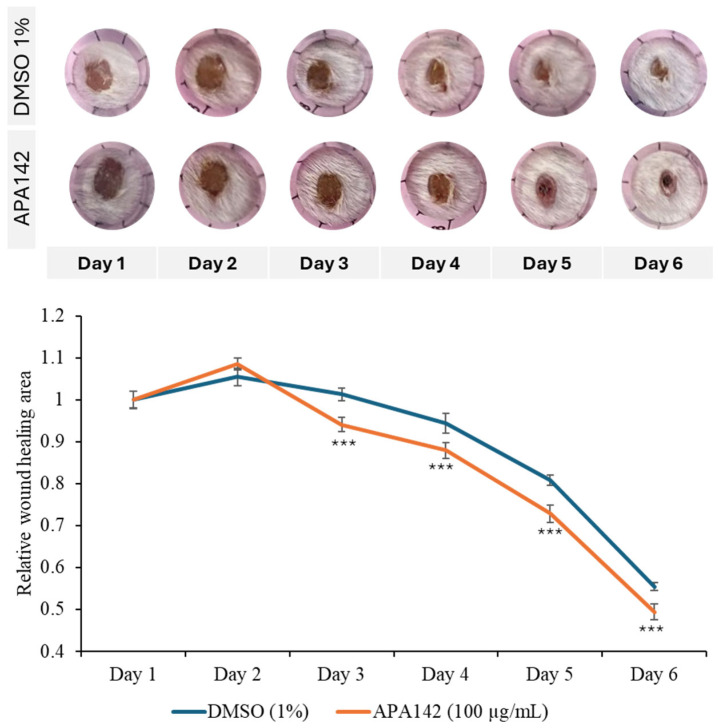 Figure 4
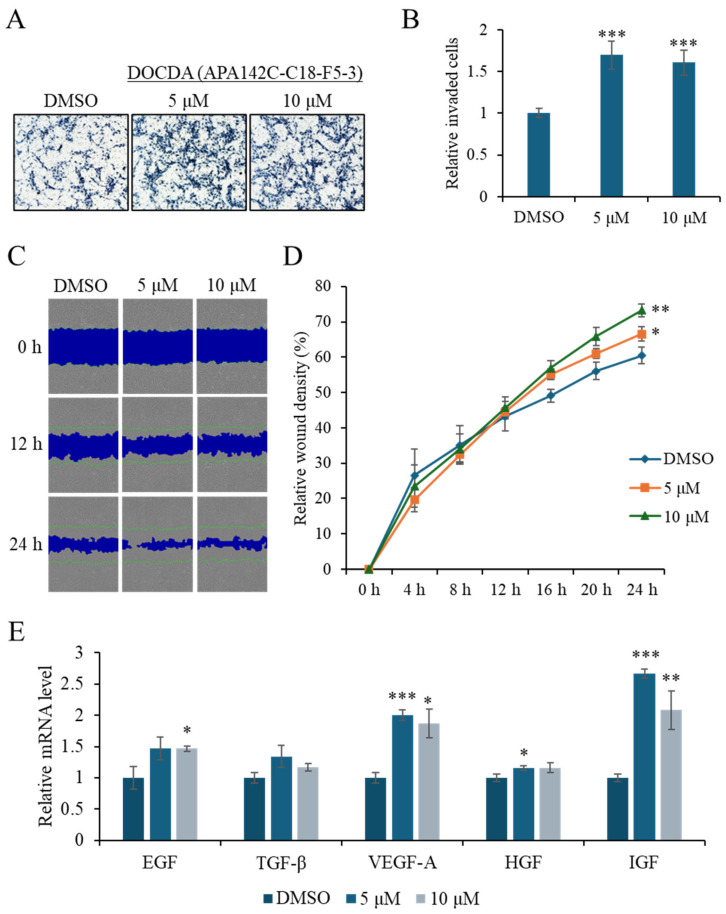 Figure 5
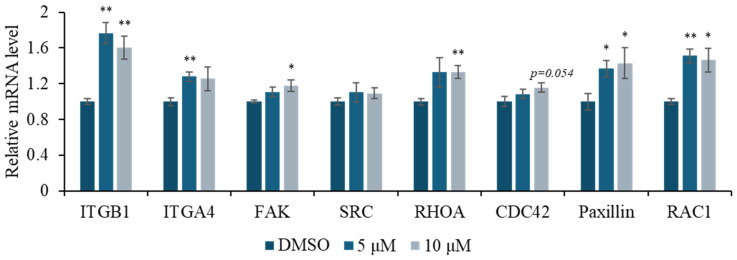 Figure 6
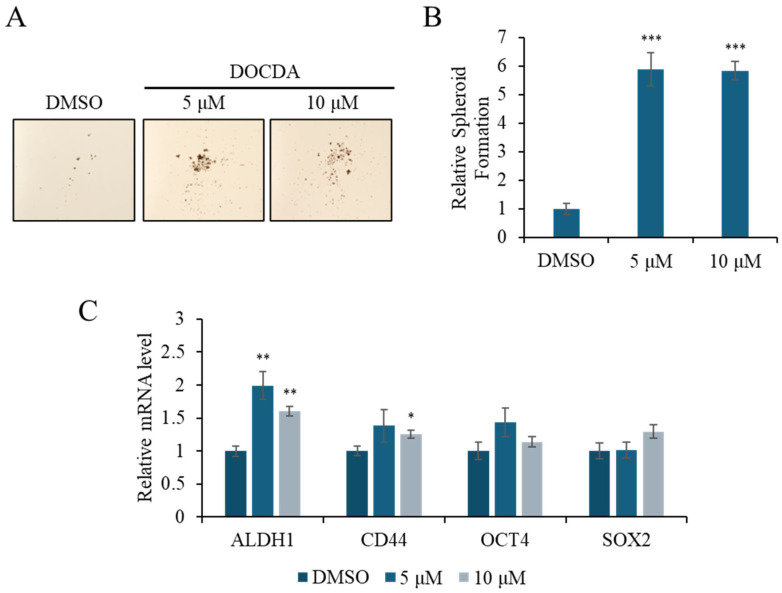 Figure 7
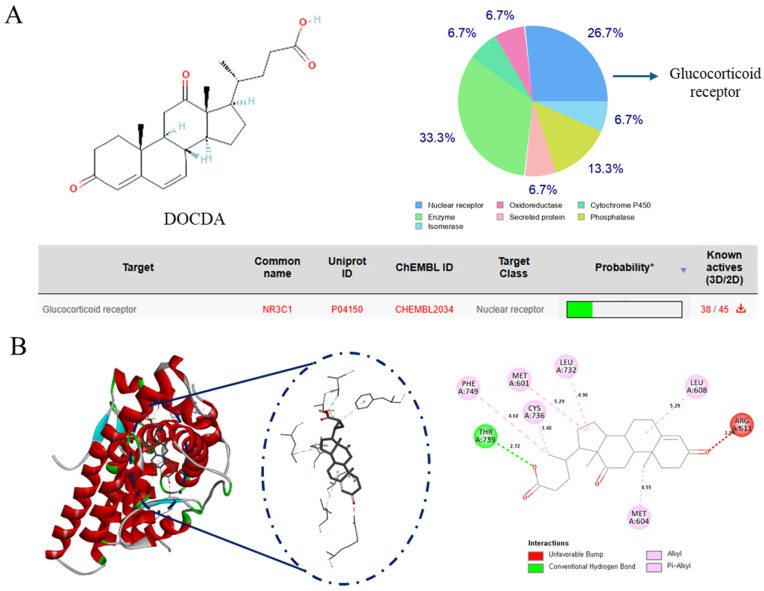 Figure 8
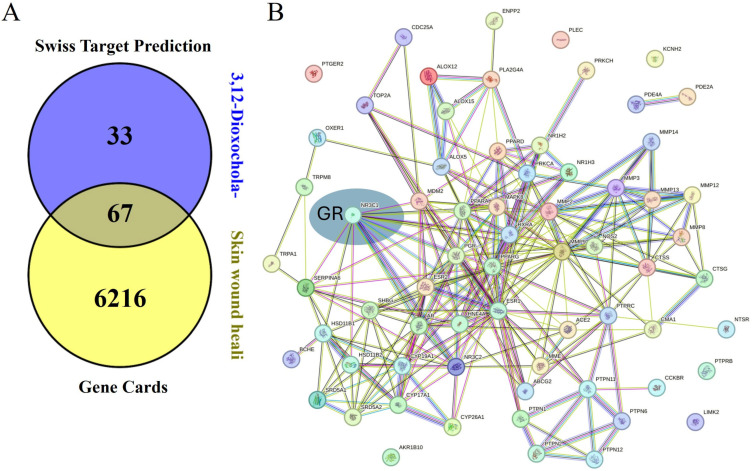 Figure 9
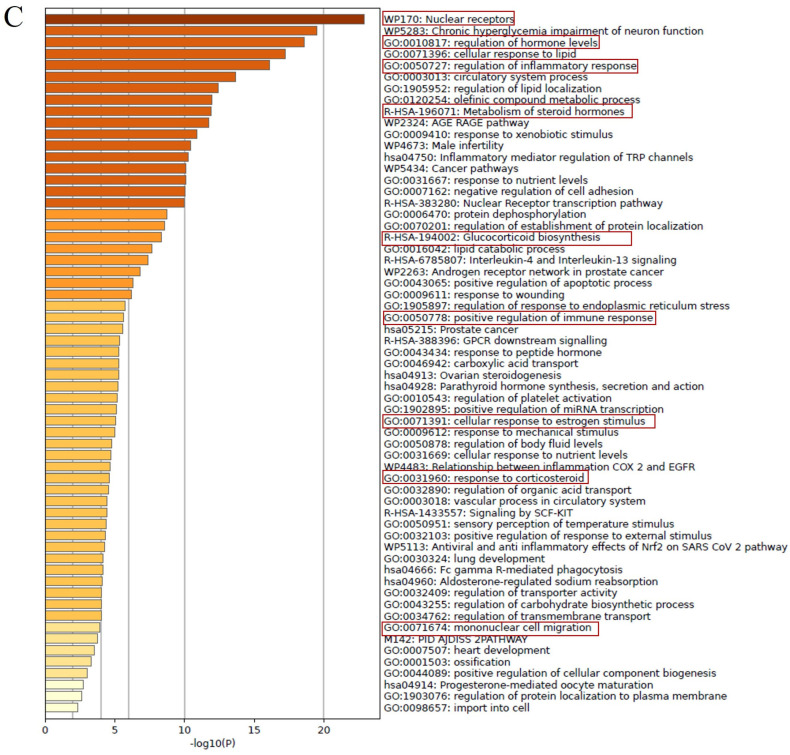 Figure 10
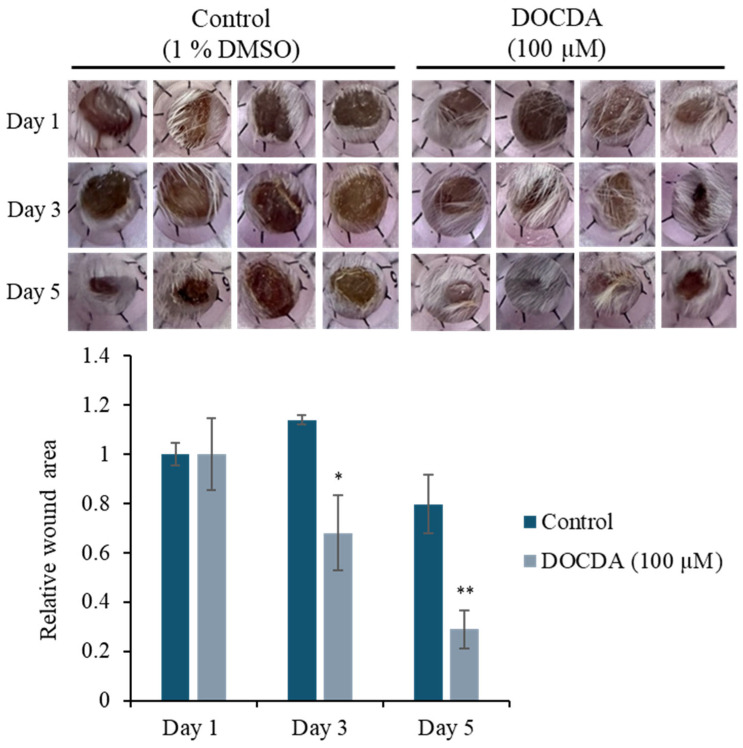 Figure 11
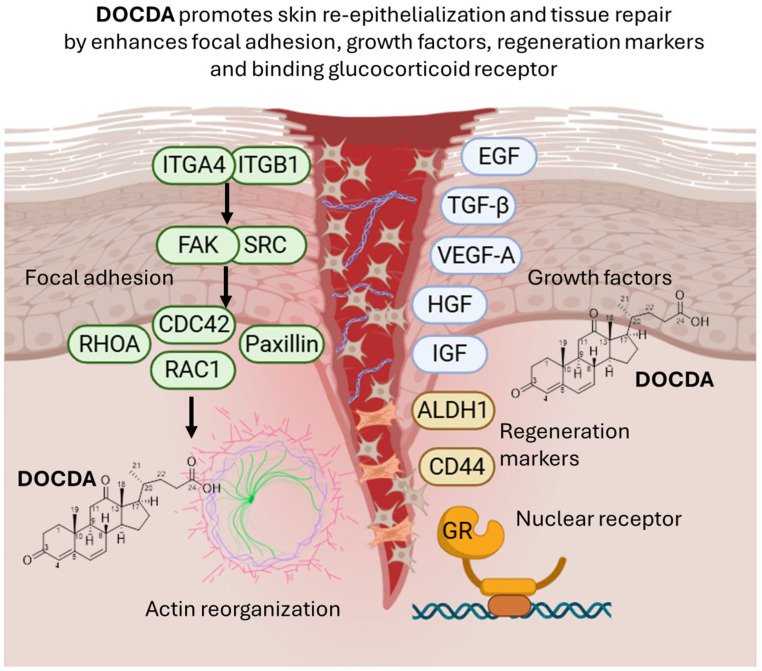 Figure 12
Peer Reviews
No public reviews on file for this paper yet. If you reviewed it on a platform where reviews are public (OpenReview, ICLR, NeurIPS, ICML), you can paste yours below so the community can read it here.
Videos
No videos yet. Explain this paper in a talk, walkthrough, or lecture? Add one.
Taxonomy
TopicsSeaweed-derived Bioactive Compounds · Steroid Chemistry and Biochemistry · Phytochemistry and Bioactive Compounds