Lyssavirus Antibody Detection in Cave-Dwelling Bats on Cat Ba Island, Vietnam: Implications for Zoonotic Surveillance
Heliana Dundarova, Tsenka Chassovnikarova, Nadezhda Todorova, Michaela Beltcheva, Iliana Aleksieva, Nguyen Thanh Luong, Vu Dinh Thong

TL;DR
This study found evidence of lyssavirus exposure in cave-dwelling bats on Cat Ba Island, Vietnam, emphasizing the need for zoonotic disease surveillance in such environments.
Contribution
The study provides new serological evidence of lyssavirus exposure in multiple bat species in a karst cave system in Vietnam.
Findings
29.0% of tested bats showed IgG antibodies against lyssavirus glycoprotein, indicating prior exposure.
Lyssavirus-specific antibodies were detected in four out of five bat species, with the highest levels in Myotis pilosus.
Caves are identified as high-risk environments for viral transmission due to close bat contact.
Abstract
Vietnam is a significant hotspot for global biodiversity, particularly in its karst regions. The island of Cat Ba, located in the northern part of the country, features extensive cave systems that are home to diverse bat communities. We detected and quantified IgG anti-rabies viral glycoprotein in four out of the five studied cave-dwelling bat species on Cat Ba Island. These bat populations harbor lyssavirus loads, with potential implications for human and animal health. Southeast Asia is a biodiversity hotspot for bats that can carry lyssaviruses, causing zoonotic diseases. This study detects and quantifies IgG antibodies against Lyssavirus glycoproteins in cave-dwelling bat populations on Cat Ba Island, northern Vietnam, to determine their past exposure history and the prevalence of immune responses. Samples were collected from five caves, encompassing three families and five key…
Genes, proteins, chemicals, diseases, species, mutations and cell lines named across the full text — each resolved to its canonical identifier and authoritative record.
Click any figure to enlarge with its caption.
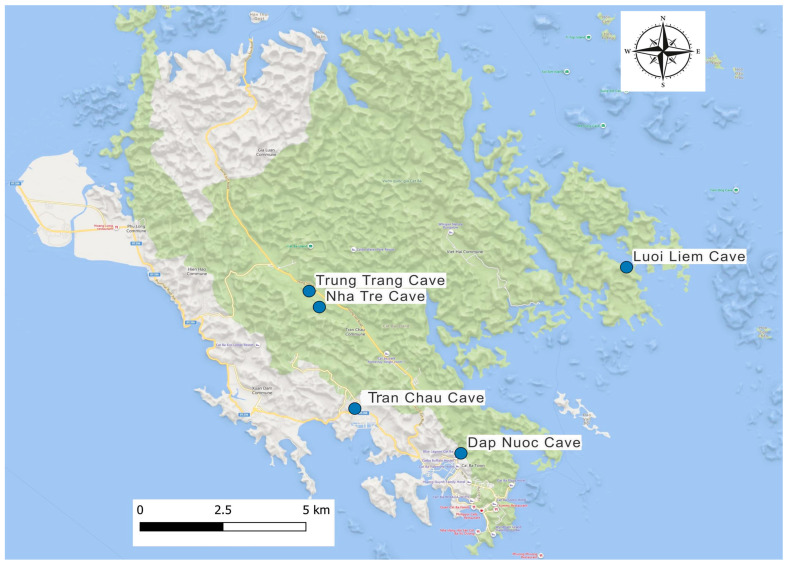 Figure 1
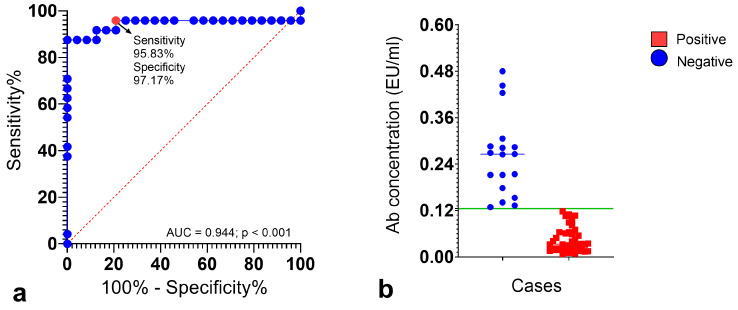 Figure 2
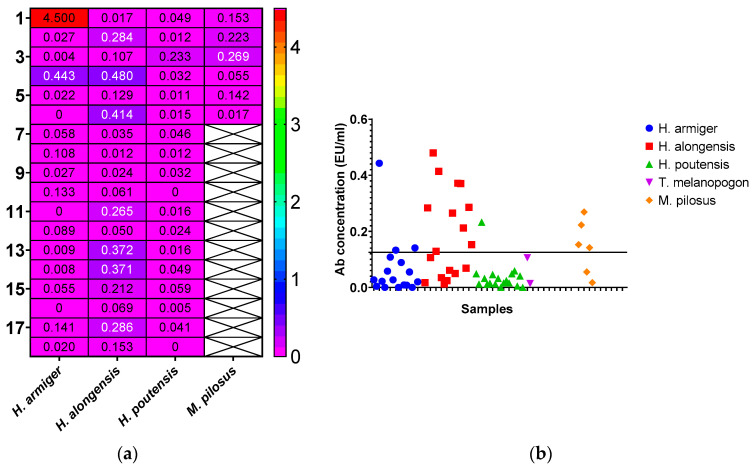 Figure 3
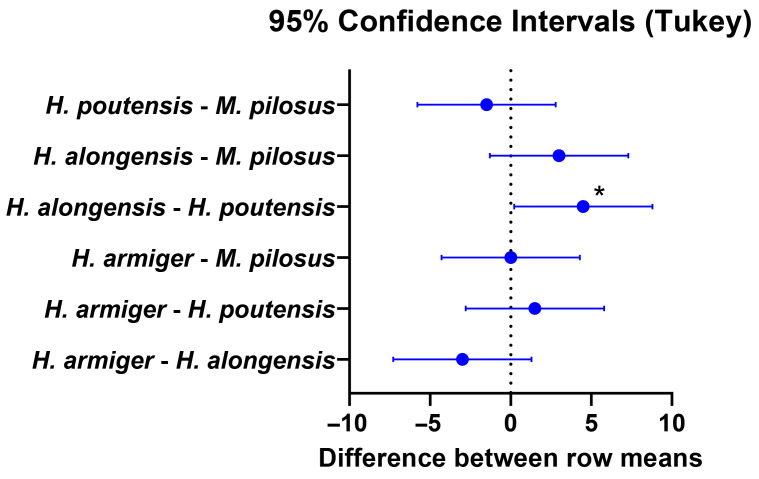 Figure 4
Peer Reviews
No public reviews on file for this paper yet. If you reviewed it on a platform where reviews are public (OpenReview, ICLR, NeurIPS, ICML), you can paste yours below so the community can read it here.
Videos
No videos yet. Explain this paper in a talk, walkthrough, or lecture? Add one.
Taxonomy
TopicsRabies epidemiology and control · Viral Infections and Vectors · Bat Biology and Ecology Studies