Differences in Vegetative, Productive, and Physiological Behaviors in Actinidia chinensis Plants, cv. Gold 3, as A Function of Cane Type
Gregorio Gullo, Simone Barbera, Antonino Cannizzaro, Manuel Scarano, Francesco Larocca, Valentino Branca, Antonio Dattola

TL;DR
This study shows that larger canes in kiwifruit plants lead to better growth, more efficient photosynthesis, and higher quality fruit compared to smaller canes.
Contribution
The study introduces a novel approach to vineyard management by demonstrating the benefits of selecting larger canes for improved productivity and fruit quality in Actinidia chinensis.
Findings
HD canes promoted vigorous growth with longer shoots and higher leaf area compared to LD canes.
Fruits on HD canes had larger size and weight, especially from non-terminate shoots.
HD canes showed enhanced photosynthetic activity and faster fruit growth without affecting maturation indices.
Abstract
This study investigated the influence of cane diameter on vegetative, productive, and physiological behaviors in Actinidia chinensis, cv. Gold 3. Conducted over two years (2021–2022), the experiment compared canes with larger (HD) and smaller (LD) proximal diameters. This research focused on parameters such as shoot morphology, leaf gas exchange, fruit quality, and hydraulic resistance. The results revealed that HD canes promoted more vigorous growth, with a higher proportion of long and medium shoots, whereas LD canes resulted in shorter shoots. Additionally, the HD canes demonstrated a higher leaf area and more extensive leaf coverage, contributing to enhanced photosynthetic activity, as evidenced by enhanced gas exchange, stomatal conductance, and transpiration rates. This higher photosynthetic efficiency in HD canes resulted in more rapid fruit growth, with a larger fruit size and…
Genes, proteins, chemicals, diseases, species, mutations and cell lines named across the full text — each resolved to its canonical identifier and authoritative record.
Click any figure to enlarge with its caption.
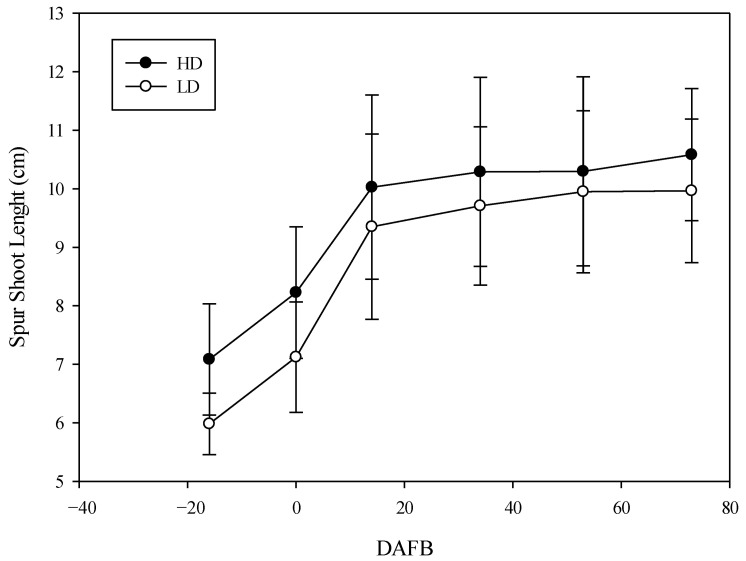 Figure 1
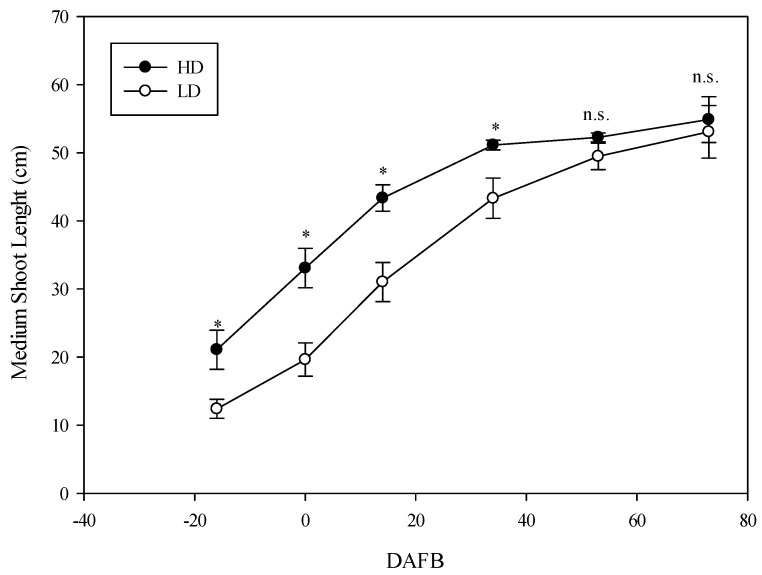 Figure 2
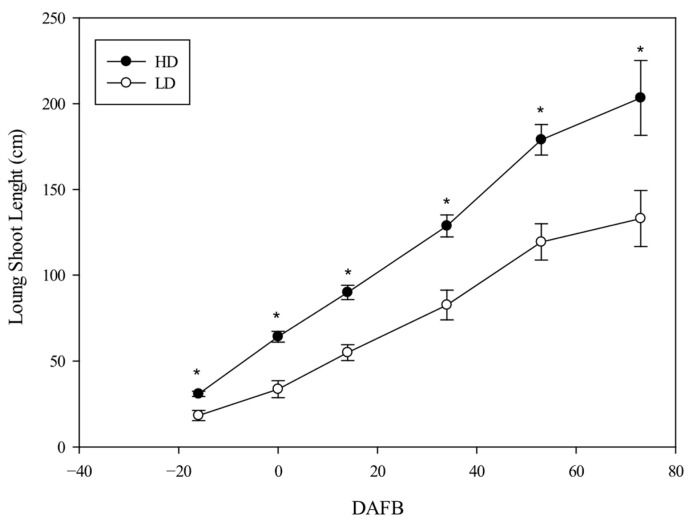 Figure 3
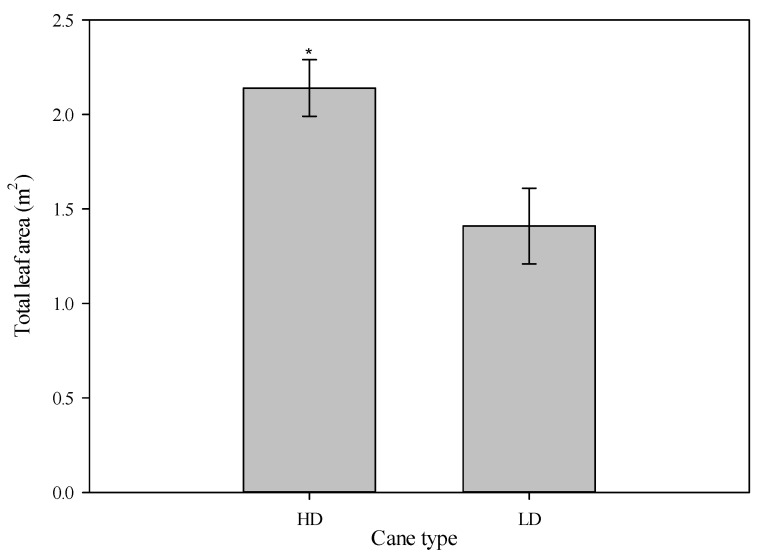 Figure 4
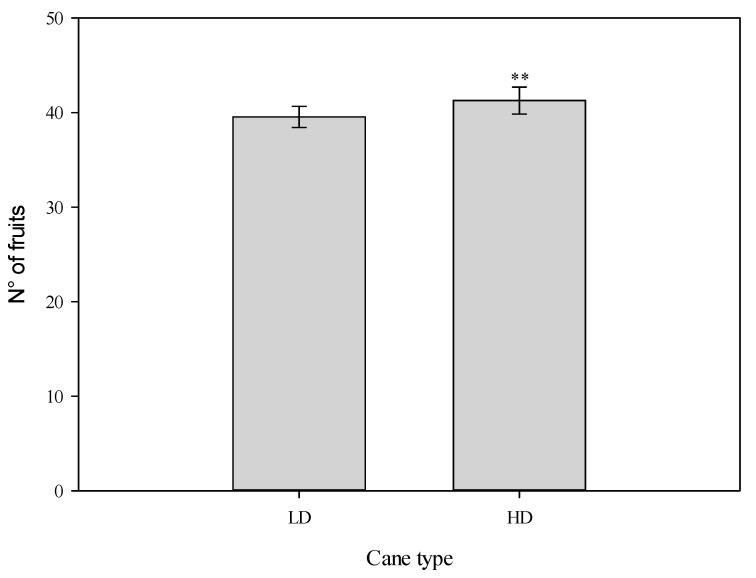 Figure 5
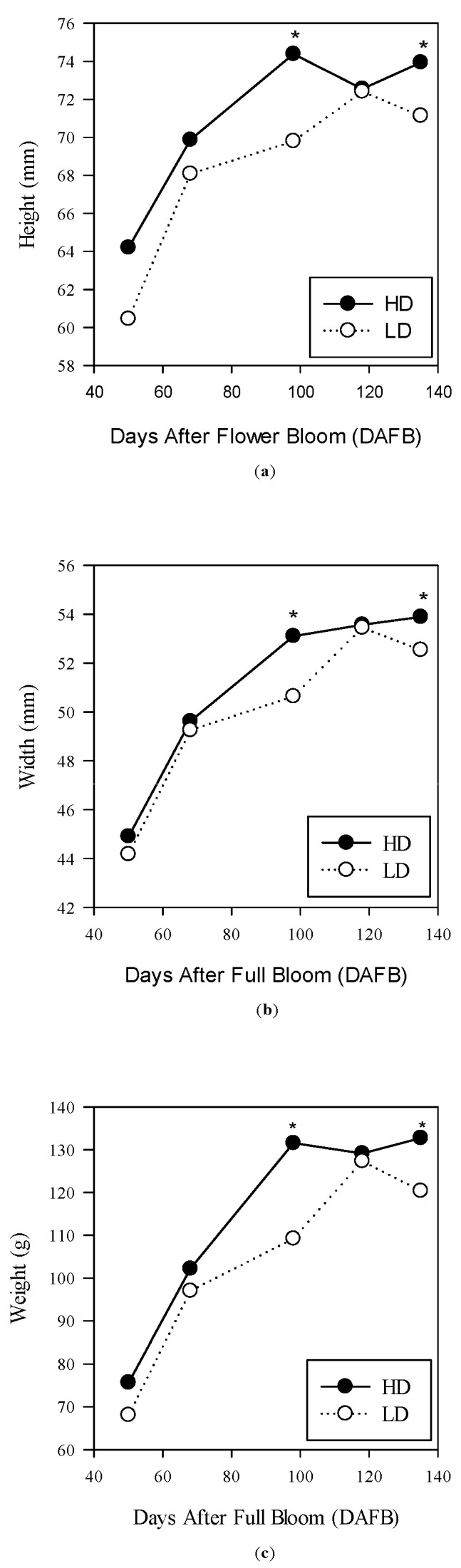 Figure 6
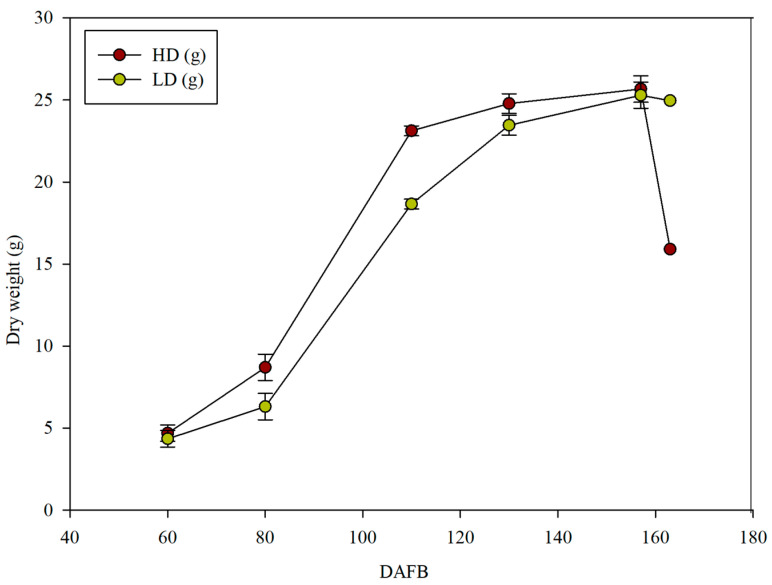 Figure 7
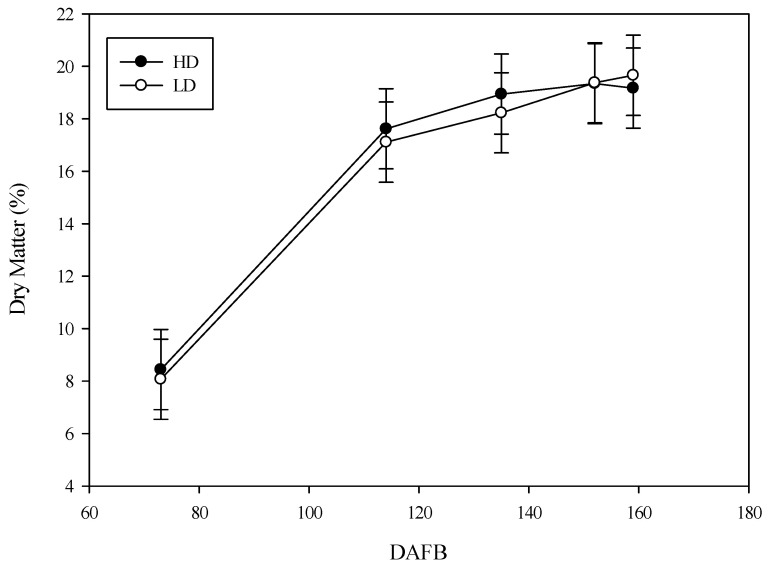 Figure 8
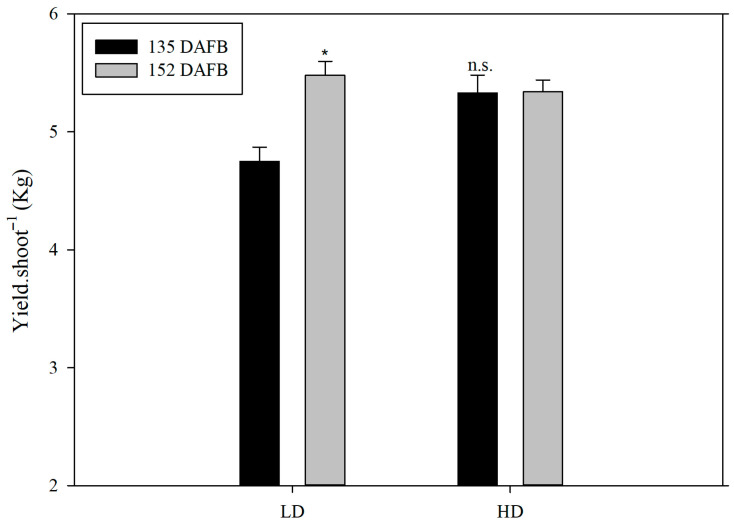 Figure 9
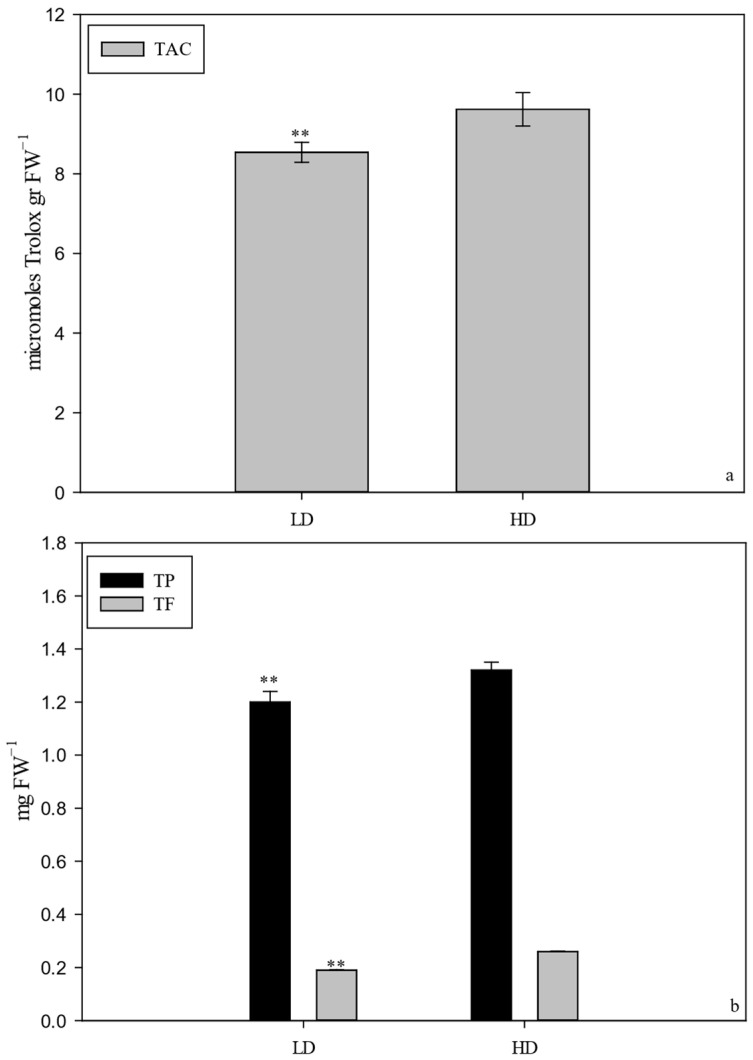 Figure 10
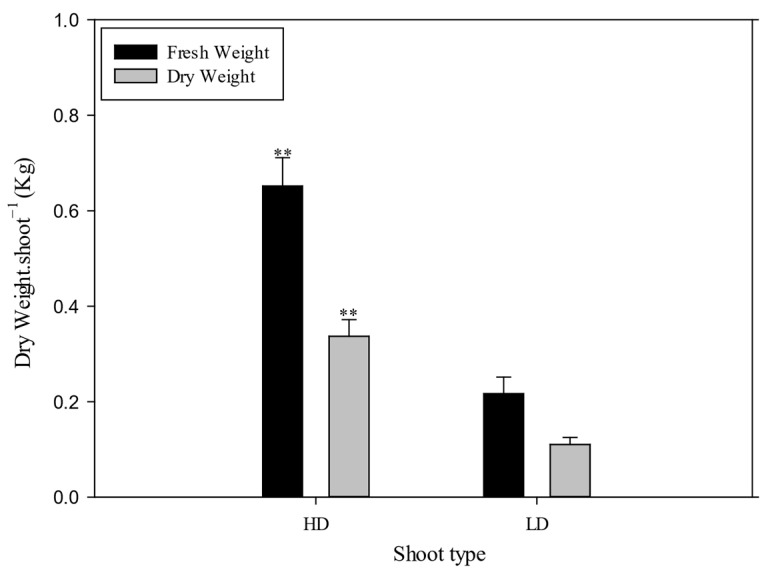 Figure 11
Peer Reviews
No public reviews on file for this paper yet. If you reviewed it on a platform where reviews are public (OpenReview, ICLR, NeurIPS, ICML), you can paste yours below so the community can read it here.
Videos
No videos yet. Explain this paper in a talk, walkthrough, or lecture? Add one.
Taxonomy
TopicsHorticultural and Viticultural Research · Plant Physiology and Cultivation Studies · Botanical Research and Applications