HIV Protein TAT Dysregulates Multiple Pathways in Human iPSCs-Derived Microglia
Liam Liyang Guo, Robert Jiang, Yan Cheng, Brooke Russell, Sanders Y. Yan, Ming-Lei Guo

TL;DR
This study shows how the HIV protein TAT disrupts brain cell functions in human microglia, contributing to cognitive issues in HIV patients.
Contribution
The study provides direct evidence of HIV-TAT's effects on human microglia, revealing novel miRNA involvement in NeuroHIV.
Findings
HIV-TAT induces lipid droplet accumulation and increases Plin2 levels in human microglia.
TAT upregulates autophagosome formation and p53 levels in human microglia.
TAT activates pro-inflammatory mediators and affects neuroimmune signaling pathways in human microglia.
Abstract
In the era of combined antiretroviral therapy, around 50% of chronic HIV (+) individuals show varying degrees of memory and cognitive deficiency (NeuroHIV), a phenomenon of accelerated brain aging. HIV protein transactivator of transcription (TAT) has been well-accepted as a risk factor contributing to NeuroHIV through dysregulating microglia (Mg) functions. Previous studies have demonstrated that HIV-TAT can affect lipid metabolism, immune responses, autophagy, and senescence in rodent Mg. However, due to the significant species differences between rodent and human Mg (hMg), it is essential to take caution when interpreting the results obtained from rodent models into human conditions. For the unanswered questions, we generated hMg from human inducible pluripotent stem cells (iPSCs) and exposed them to HIV-TAT. The results obtained from Flow analysis and immunostaining experiments…
Genes, proteins, chemicals, diseases, species, mutations and cell lines named across the full text — each resolved to its canonical identifier and authoritative record.
Click any figure to enlarge with its caption.
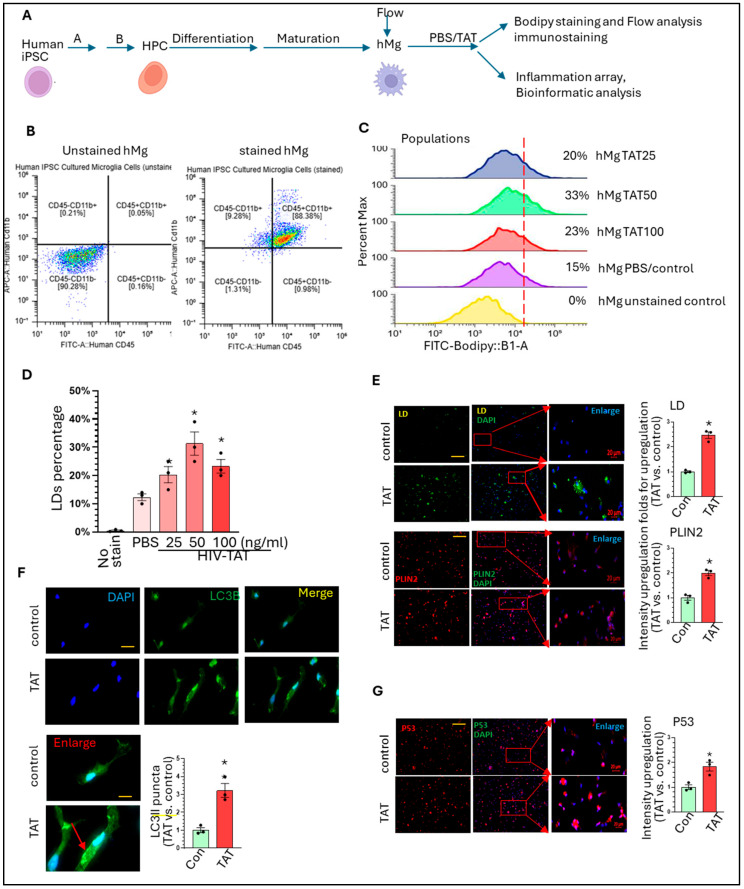 Figure 1
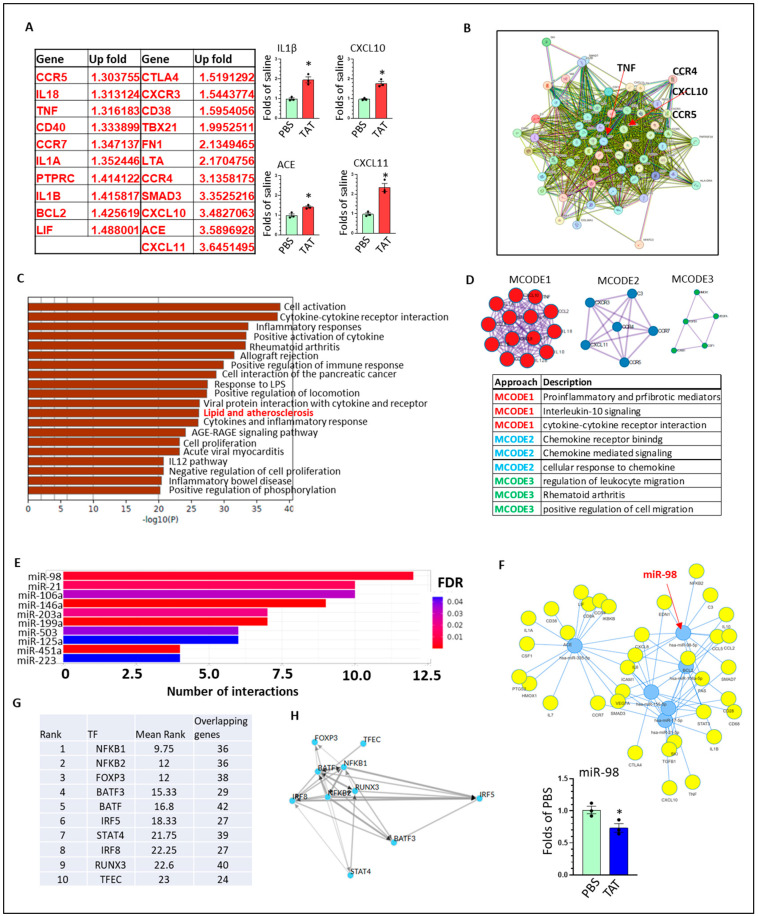 Figure 2
Peer Reviews
No public reviews on file for this paper yet. If you reviewed it on a platform where reviews are public (OpenReview, ICLR, NeurIPS, ICML), you can paste yours below so the community can read it here.
Videos
No videos yet. Explain this paper in a talk, walkthrough, or lecture? Add one.
Taxonomy
TopicsHIV Research and Treatment · Neuroinflammation and Neurodegeneration Mechanisms · Mosquito-borne diseases and control