Calcium Electrochemotherapy and Challenges in Combined Treatment with Dendritic Cell Vaccination
Eivina Radzevičiūtė-Valčiukė, Austėja Balevičiūtė, Augustinas Želvys, Karolina Suveizdė, Auksė Zinkevičienė, Vytautas Kašėta, Veronika Malyško-Ptašinskė, Neringa Dobrovolskienė, Vita Pašukonienė, Jurij Novickij, Irutė Girkontaitė, Vitalij Novickij

TL;DR
This study explores combining calcium electrochemotherapy with dendritic cell vaccination to treat tumors, but finds no improvement in survival or immune response.
Contribution
The study evaluates the novel combination of calcium-based electrochemotherapy with dendritic cell vaccination in a tumor model.
Findings
Calcium electrochemotherapy showed strong antitumor activity and induced immune responses.
Combining calcium electrochemotherapy with dendritic cell vaccination did not improve therapeutic outcomes.
Adding cyclophosphamide also failed to enhance survival or immune response.
Abstract
Background/Objectives: Electrochemotherapy (ECT) is a reliable and potent technique for managing primary tumors; however, significant efforts are being made to characterize and improve the systemic immune response, which is crucial for metastasis prevention. Current evidence suggests that the advancement of ECT will depend on its integration with complementary immunomodulatory methods. Methods: In this study, we examined the combined effects of calcium-based electrochemotherapy (CaECT, 1.3 kV/cm × 100 µs, eight pulses delivered at 1 Hz repetition frequency) with dendritic cell vaccination (DCV). Lewis lung carcinoma (LLC1) was used as a tumor model. We characterized the effects of CaECT alone and in combination with DCV therapy on tumor growth, analyzed the changes in immune cell subpopulations, and studied the humoral immune response dynamics on day 10, 20, and 30. Given the limited…
Genes, proteins, chemicals, diseases, species, mutations and cell lines named across the full text — each resolved to its canonical identifier and authoritative record.
Click any figure to enlarge with its caption.
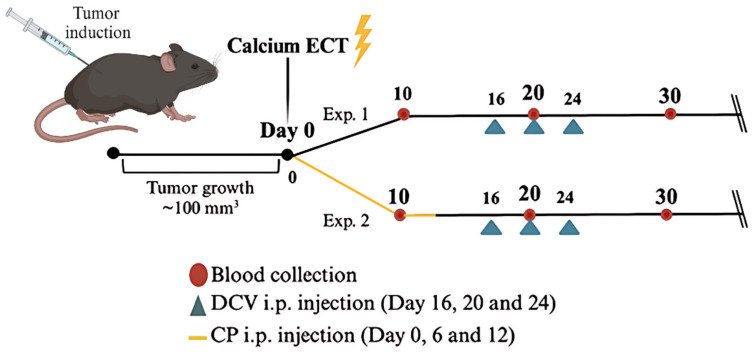 Figure 1
 Figure 2
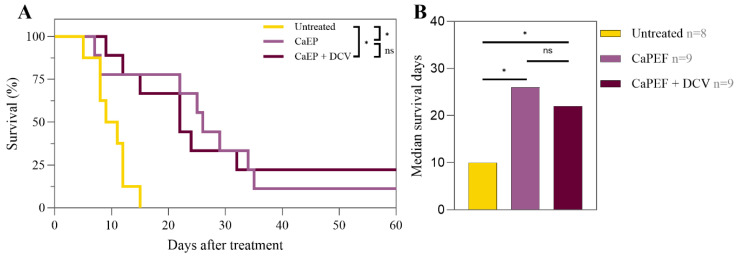 Figure 3
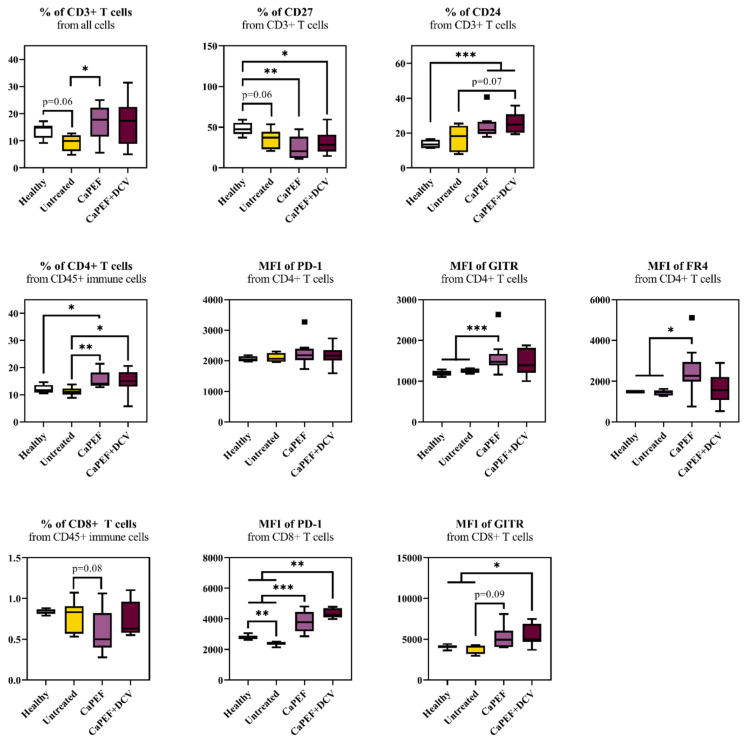 Figure 4
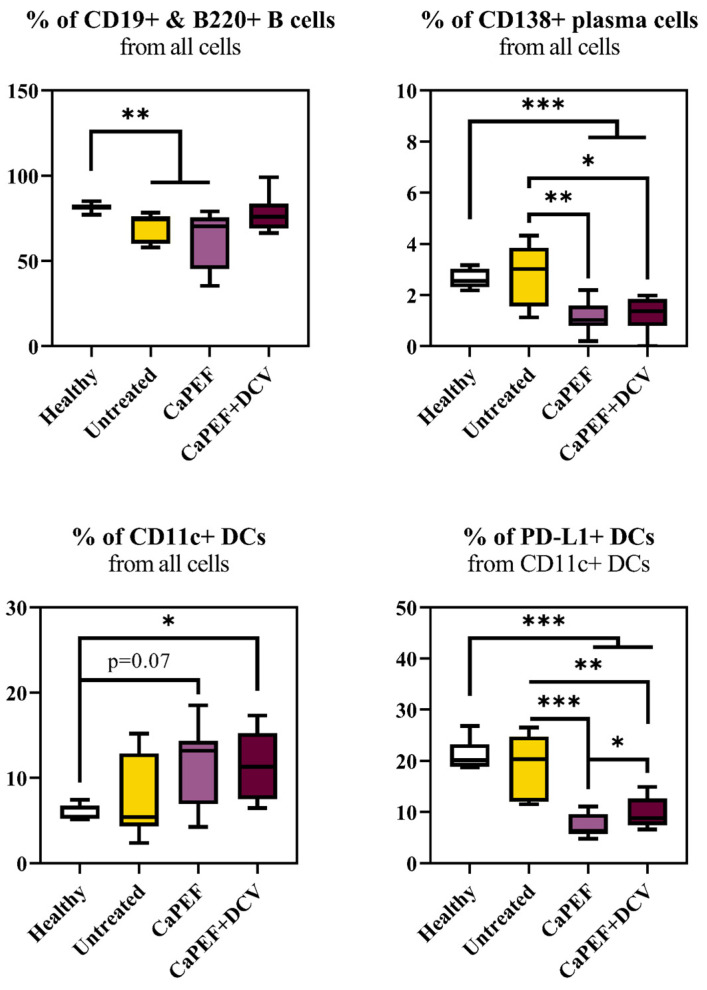 Figure 5
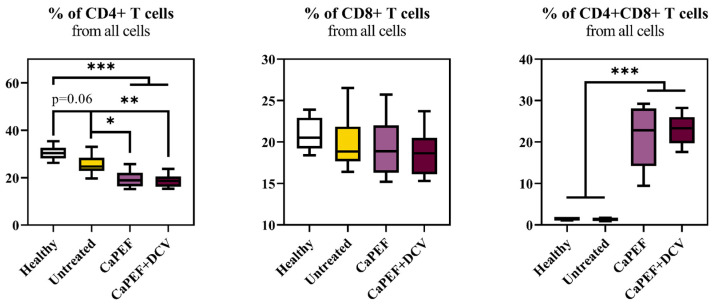 Figure 6
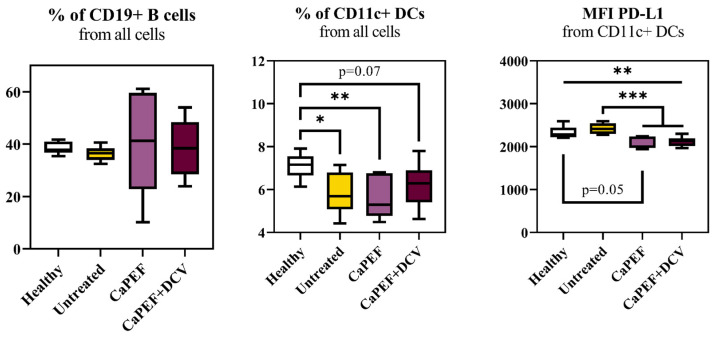 Figure 7
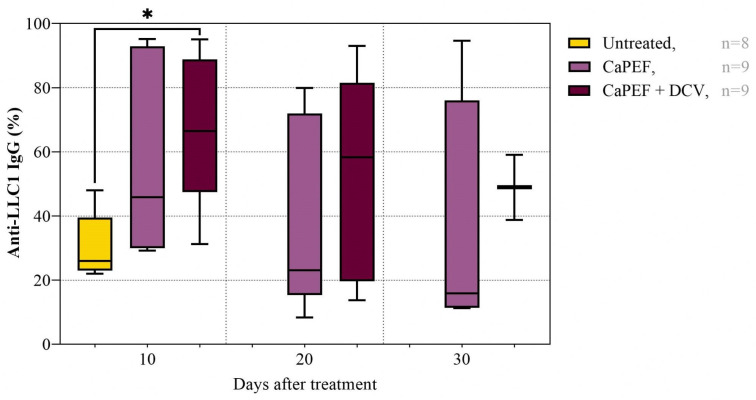 Figure 8
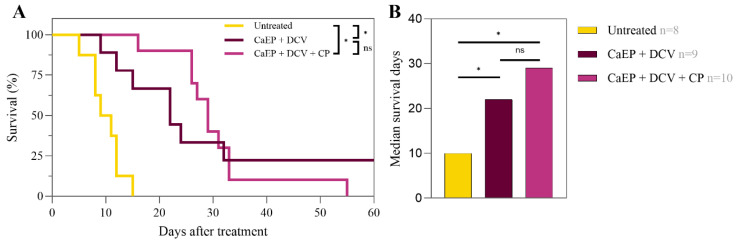 Figure 9
Peer Reviews
No public reviews on file for this paper yet. If you reviewed it on a platform where reviews are public (OpenReview, ICLR, NeurIPS, ICML), you can paste yours below so the community can read it here.
Videos
No videos yet. Explain this paper in a talk, walkthrough, or lecture? Add one.
Taxonomy
TopicsMicrobial Inactivation Methods · Microfluidic and Bio-sensing Technologies · Toxin Mechanisms and Immunotoxins