In Salmonella Typhimurium and Bacillus subtilis, Nucleoid-Associated HU Proteins Are N-Terminally Acetylated
Anastacia R. Parks, Jessica L. Will, Liju G. Mathew, Sébastien Massier, Julie Hardouin, Jorge C. Escalante-Semerena

TL;DR
This study shows that HU proteins in two bacteria are modified by acetylation at their N-terminus, and this modification is affected by oxidation and reductases.
Contribution
The study identifies SeNatB and YfmK as acetyltransferases modifying HU proteins and shows their dependence on methionine oxidation state.
Findings
SeNatB acetylates the N-terminal methionine of HUα and HUβ proteins in Salmonella Typhimurium.
Oxidized methionine sulfoxide prevents acetylation, but reduction restores it.
Bacillus subtilis YfmK is a functional homolog of SeNatB and acetylates HBsu.
Abstract
Here we report that the Salmonella Typhimurium NatB (SeNatB) protein N-terminal acetyltransferase acetylated the N-terminal methionine of the nucleoid-associated HU proteins. Our findings were supported by an in vitro analysis of acetylation of the HUα and HUβ proteins and lysine-null (K-null) variants, and by an in vivo analysis of the effect of acetylation on HU-mediated transcriptional regulation of a known target of HU, the hilA promoter. SeNatB did not acetylate the initiating methionines of HU proteins that were oxidized to methionine sulfoxide, but the reduction of these methionine sulfoxide residues restored the acetylation of HU proteins by SeNatB. These results demonstrate that the SeHU proteins are bona fide substrates for the methionine sulfoxide reductases MsrA and MsrB. Finally, we showed that the Bacillus subtilis acetyltransferase, YfmK, is a functional homolog of…
Genes, proteins, chemicals, diseases, species, mutations and cell lines named across the full text — each resolved to its canonical identifier and authoritative record.
Click any figure to enlarge with its caption.
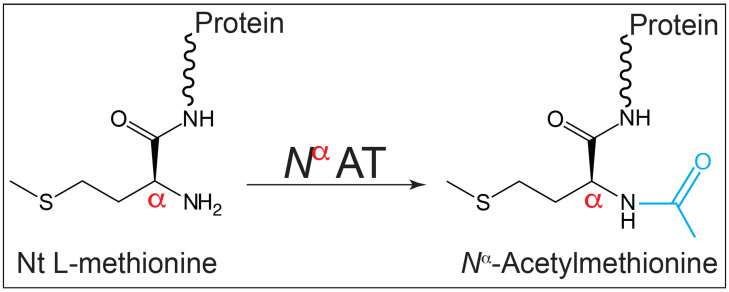 Figure 1
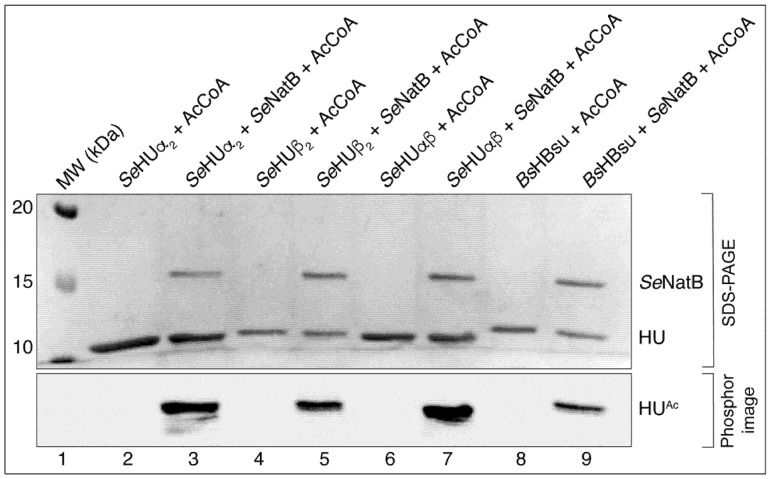 Figure 2
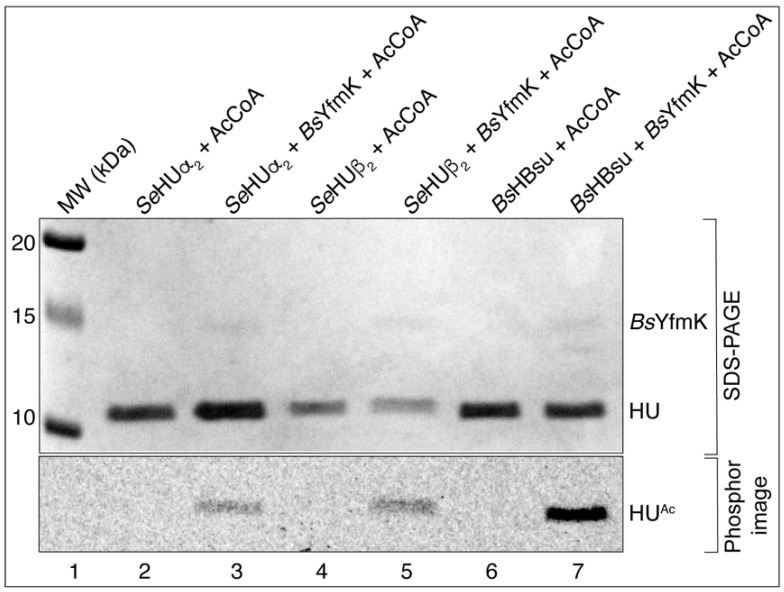 Figure 3
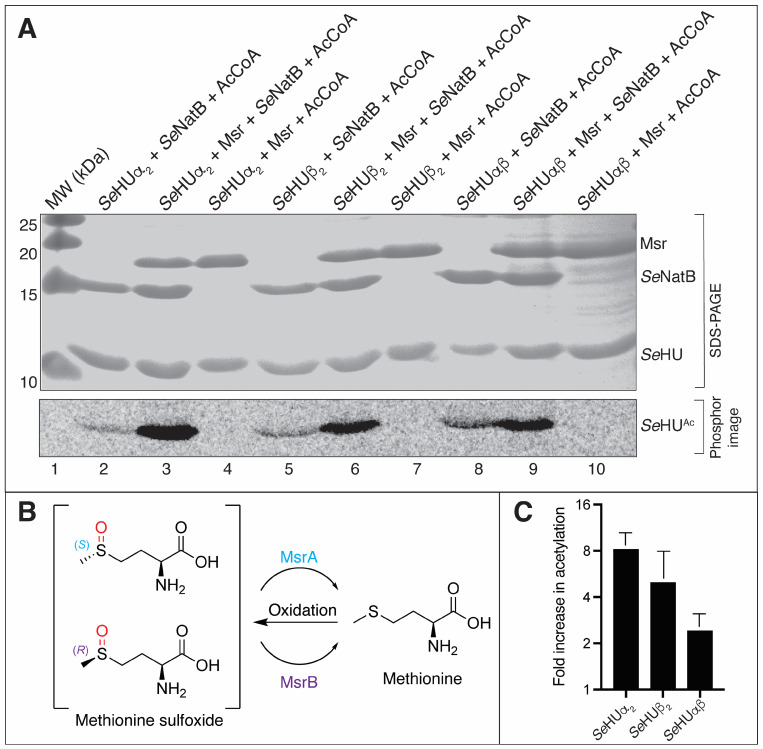 Figure 4
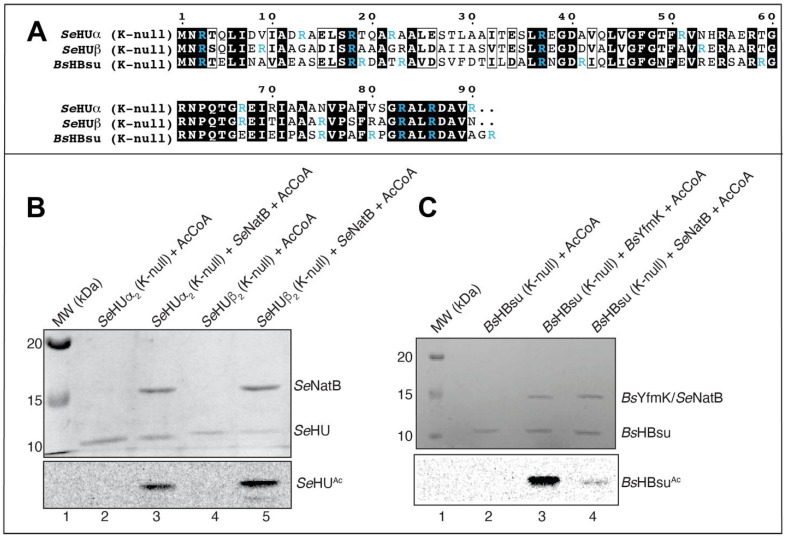 Figure 5
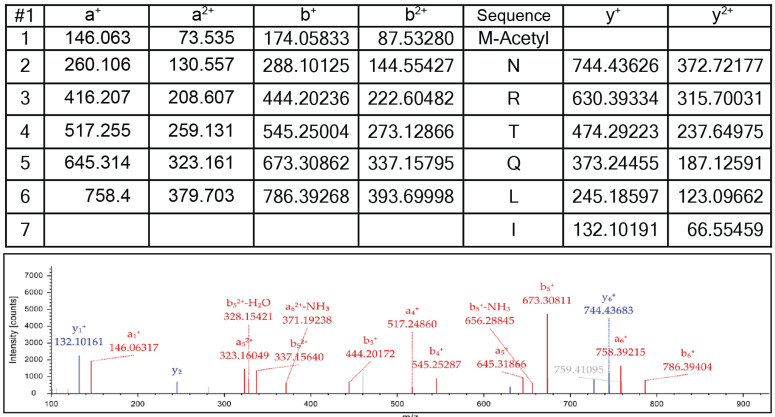 Figure 6
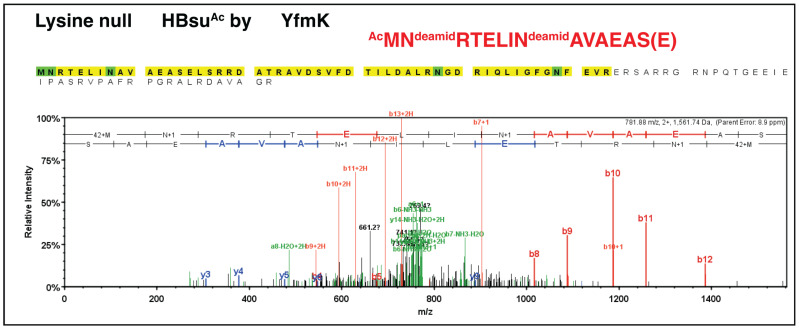 Figure 7
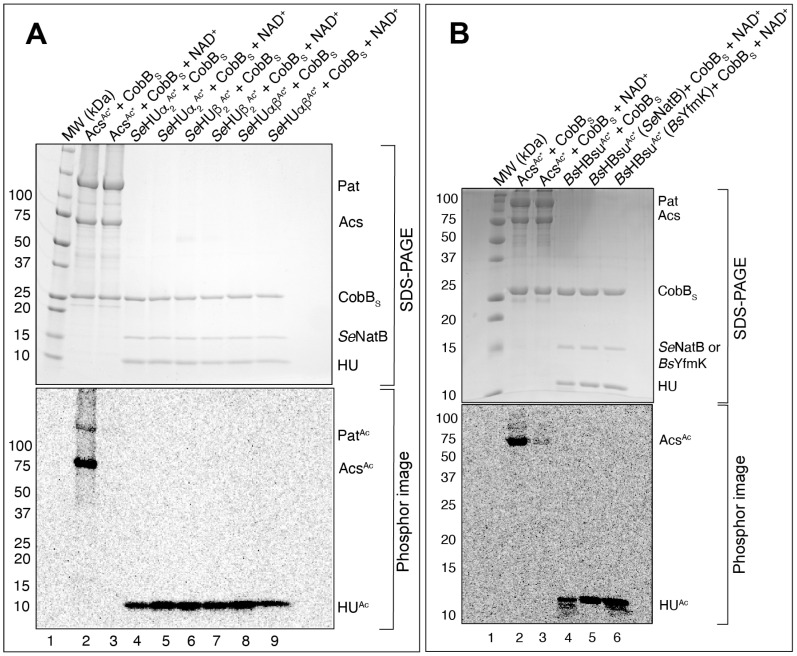 Figure 8
 Figure 9
 Figure 10
 Figure 11
Peer Reviews
No public reviews on file for this paper yet. If you reviewed it on a platform where reviews are public (OpenReview, ICLR, NeurIPS, ICML), you can paste yours below so the community can read it here.
Videos
No videos yet. Explain this paper in a talk, walkthrough, or lecture? Add one.
Taxonomy
TopicsPeptidase Inhibition and Analysis · Adenosine and Purinergic Signaling · Pneumocystis jirovecii pneumonia detection and treatment