Halogen Migration in the Photofragmentation of Halothane
Anna Rita Casavola, Filippo Morini, Mattea Carmen Castrovilli, Jacopo Chiarinelli, Laura Carlini, Antonella Cartoni, Daniele Catone, Paola Bolognesi, Robert Richter, Bratislav Marinkovic, Sanja Tosic, Lorenzo Avaldi

TL;DR
This study explores how halothane breaks apart under light, revealing how fluorine atoms move during the process.
Contribution
The paper identifies halogen migration during halothane photofragmentation and explains it through theoretical analysis.
Findings
Halogen migration was observed in the formation of CHClF+ and CHBrF+ ions.
DFT and NBO analysis clarified the mechanism behind the migration of fluorine atoms.
The findings help explain halothane's atmospheric behavior and reactive species formation.
Abstract
The photofragmentation of halothane (CF3CHBrCl) was studied with synchrotron radiation by photoionization efficiency (PIE) measurements and photoelectron–photoion coincidence (PEPICO) experiments, as well as by a theoretical exploration of potential energy surfaces. Among the other fragments, the formation of the CHClF+ and CHBrF+ ions, which involves the transfer of a F atom between the two moieties of the parent molecule, was observed. To understand the mechanisms leading to the halogen migration, a detailed theoretical study of the production of CHClF+, m/z 67+, based on DFT calculations and natural bond orbital (NBO) analysis was conducted. The results contribute to the understanding of the photochemistry of halothane, its polluting behavior in the high atmosphere, and the formation of highly reactive species.
Genes, proteins, chemicals, diseases, species, mutations and cell lines named across the full text — each resolved to its canonical identifier and authoritative record.
Click any figure to enlarge with its caption.
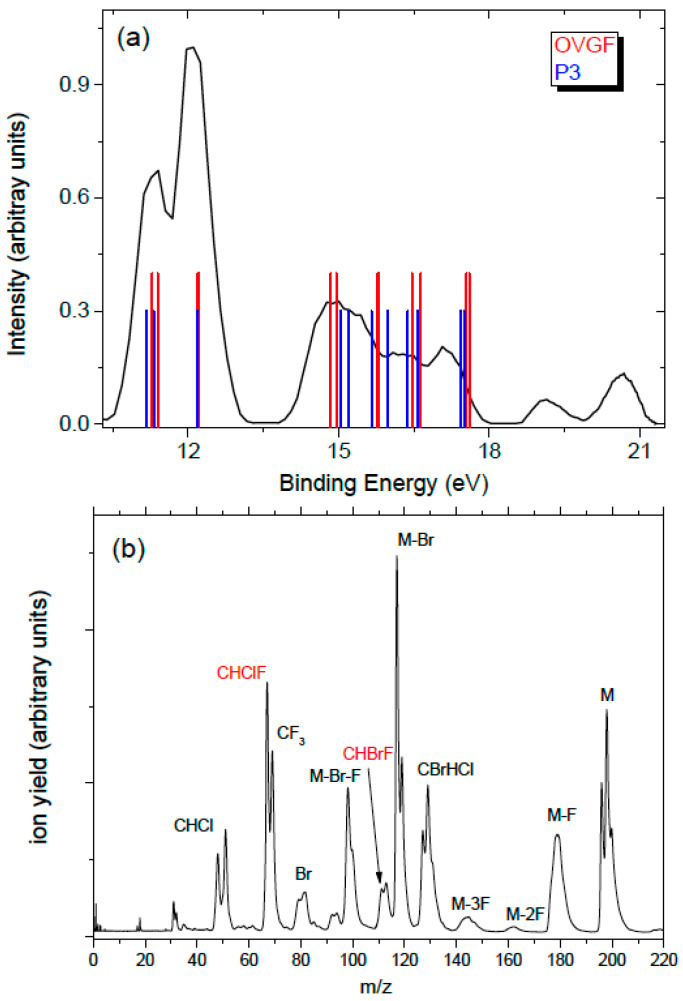 Figure 1
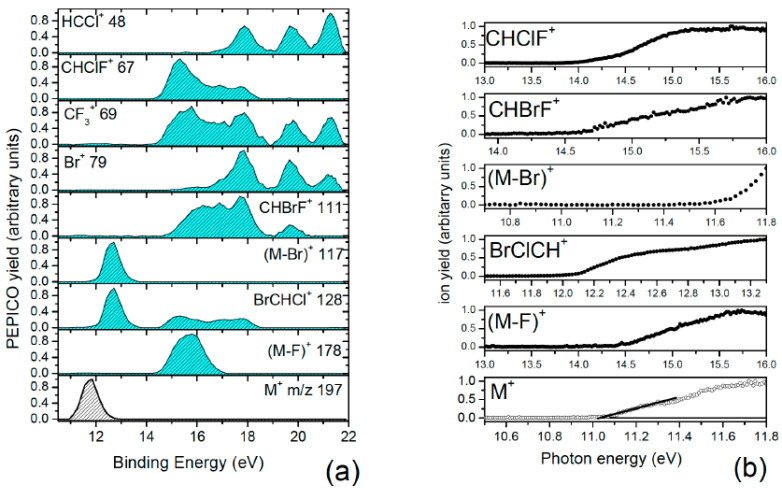 Figure 2
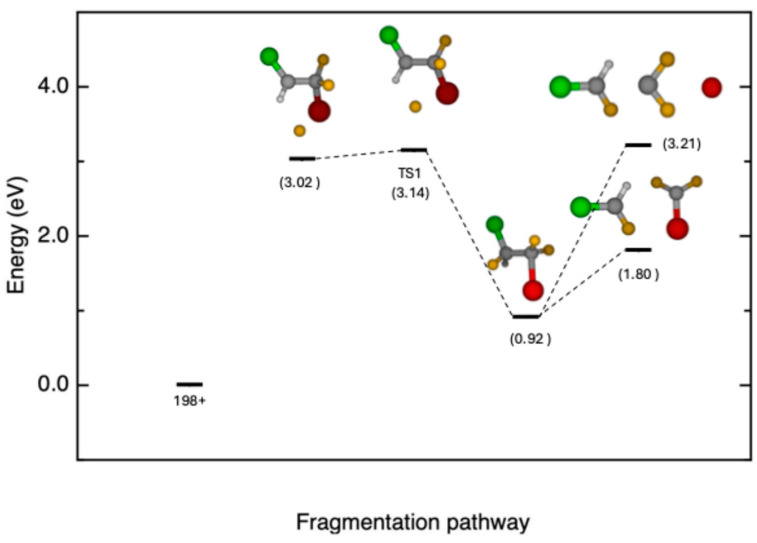 Figure 3
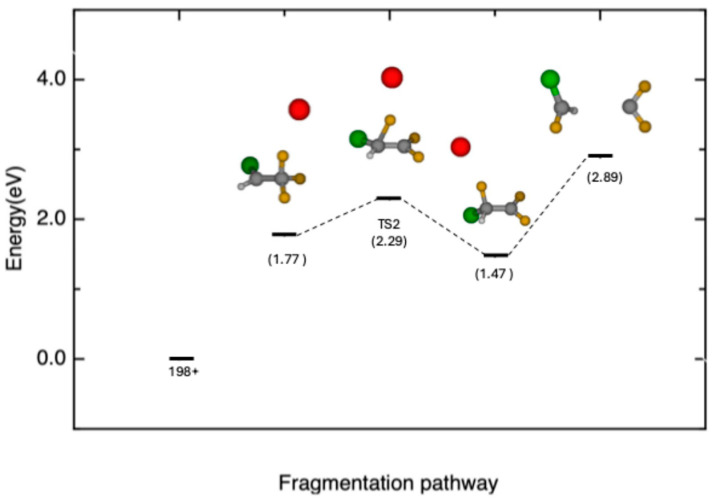 Figure 4
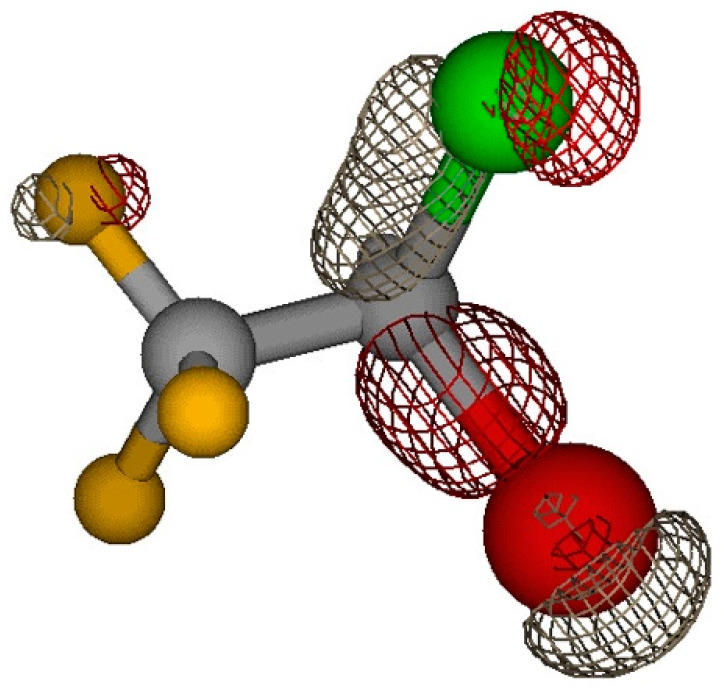 Figure 5
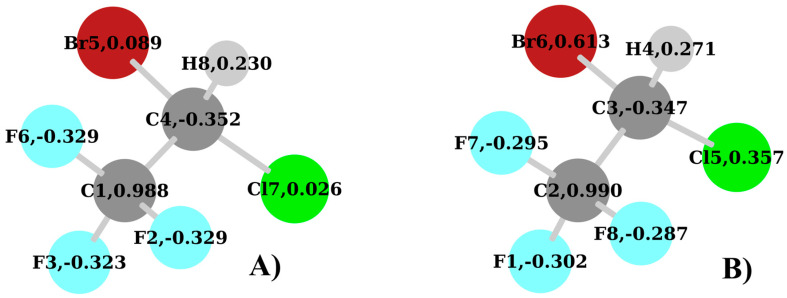 Figure 6
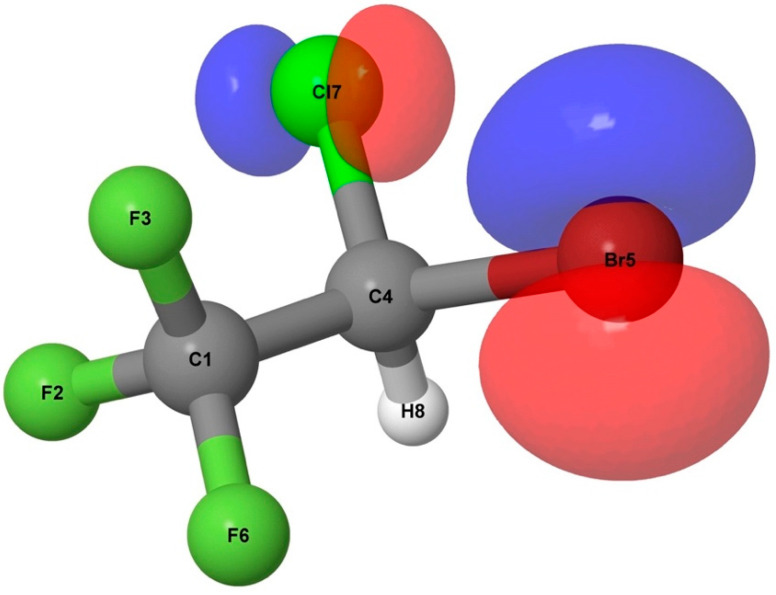 Figure 7
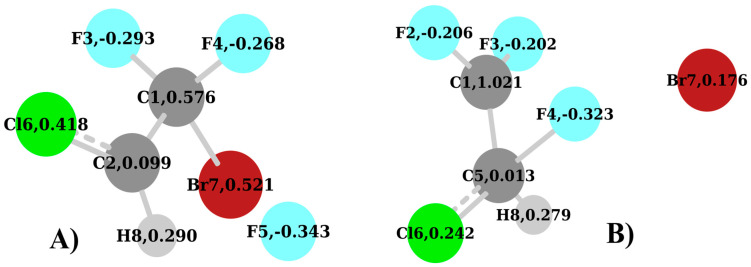 Figure 8
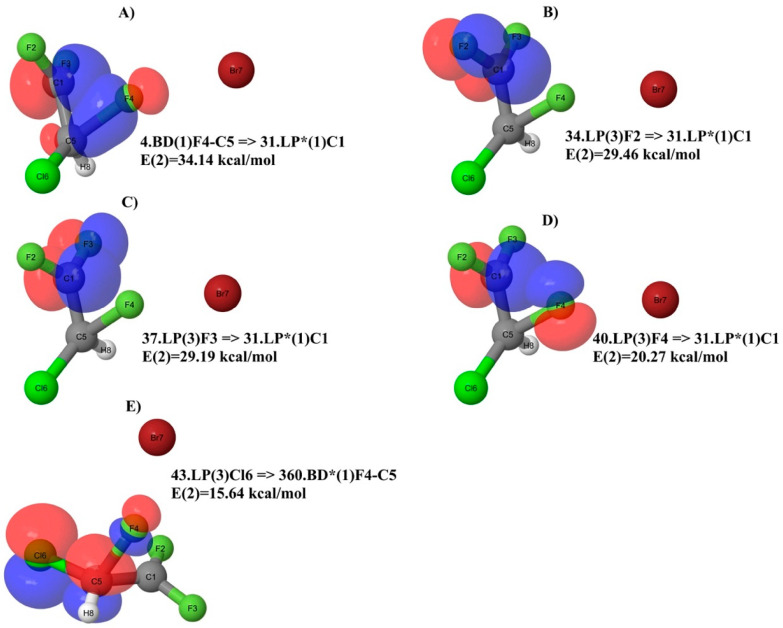 Figure 9
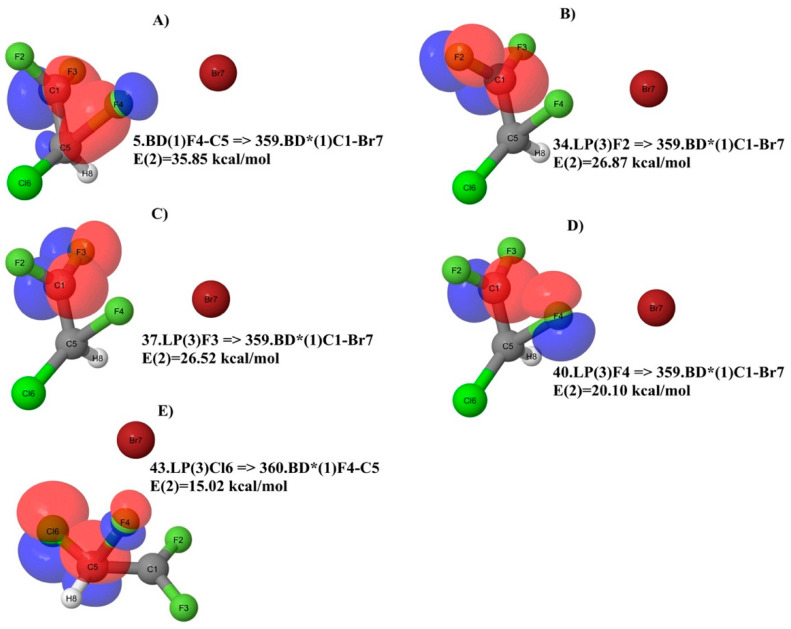 Figure 10
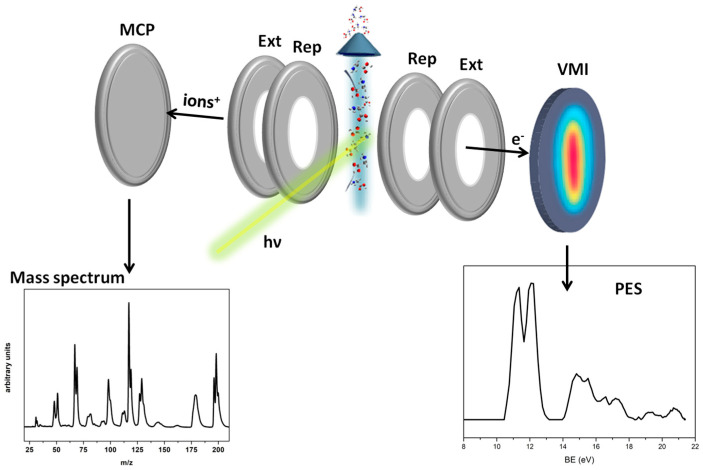 Figure 11
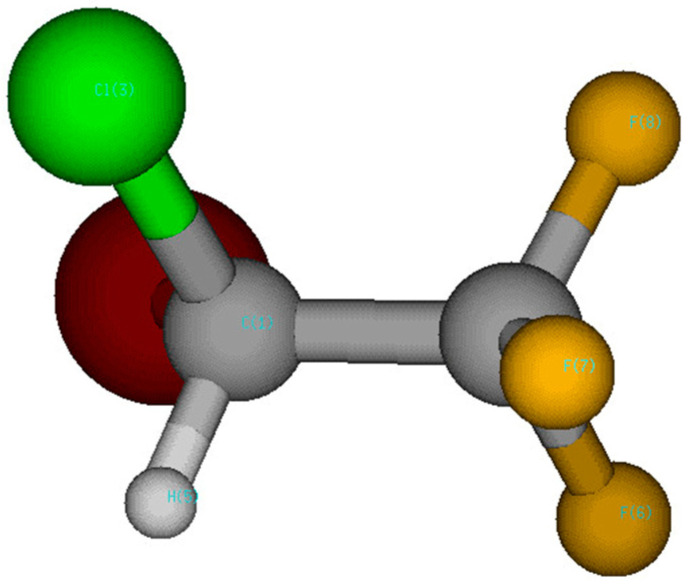 Figure 12
Peer Reviews
No public reviews on file for this paper yet. If you reviewed it on a platform where reviews are public (OpenReview, ICLR, NeurIPS, ICML), you can paste yours below so the community can read it here.
Videos
No videos yet. Explain this paper in a talk, walkthrough, or lecture? Add one.
Taxonomy
TopicsChemical Thermodynamics and Molecular Structure · Analytical Chemistry and Chromatography · Mass Spectrometry Techniques and Applications