Experimental Study on Rheological Behavior of Firefighting Foams
Youquan Bao, Huiqiang Zhi, Lu Wang, Yakun Fan, Junqi Wang

TL;DR
This study explores how firefighting foam changes over time and responds to shear forces, revealing unique behaviors that differ from general aqueous foams.
Contribution
The study introduces new insights into the rheological behavior of rapidly aging firefighting foams and highlights the inadequacy of general foam models for this specific application.
Findings
Firefighting foam's rheology follows the Burgers model in the linear viscoelastic region.
The foam exhibits ductile yielding and shear thinning, well described by the Herschel–Bulkley model.
Foam drainage and coarsening lead to distinct rheological responses in linear and nonlinear regions.
Abstract
The rheological behavior of firefighting foam is the basis for analyzing foam flow and foam spreading. This experimental study investigates the complex rheological behavior of rapidly aging firefighting foams, specifically focusing on alcohol-resistant aqueous film-forming foam. The primary objective is to characterize the time-dependent viscoelasticity, yielding, and viscous flow of firefighting foam under controlled shear conditions, addressing the significant challenge posed by its rapid structural evolution (drainage and coarsening) during measurement. Using a cylindrical Couette rheometer, conductivity measurements for the liquid fraction, and microscopy for the bubble size analysis, the study quantifies how foam aging impacts key rheological parameters. The results show that the creep and relaxation response of the firefighting foam in the linear viscoelastic region conforms to…
Genes, proteins, chemicals, diseases, species, mutations and cell lines named across the full text — each resolved to its canonical identifier and authoritative record.
Click any figure to enlarge with its caption.
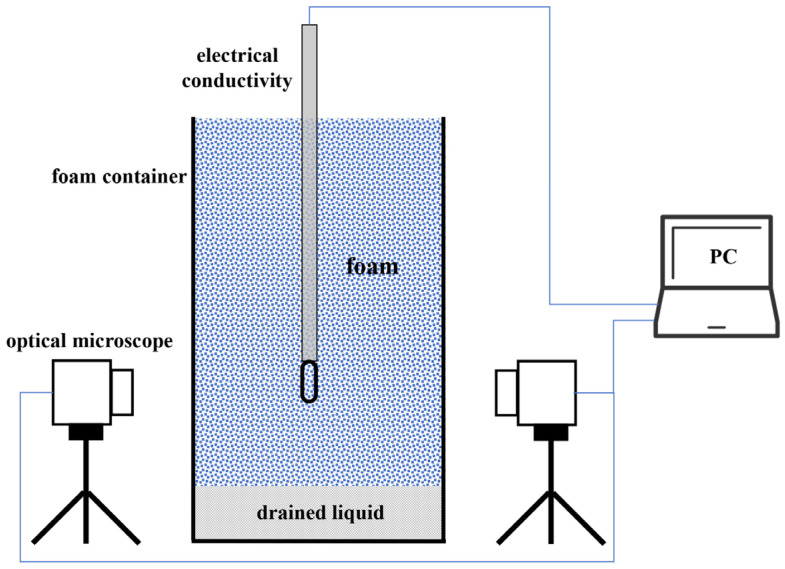 Figure 1
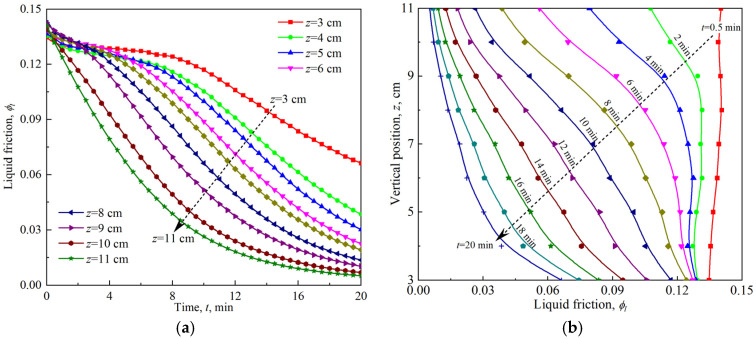 Figure 2
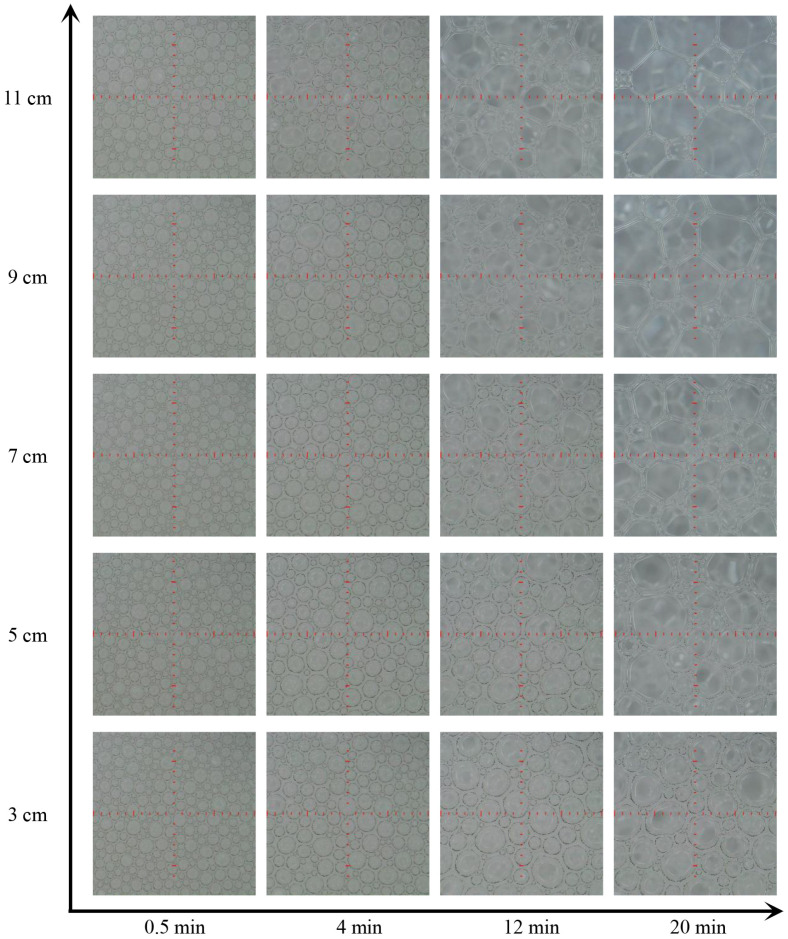 Figure 3
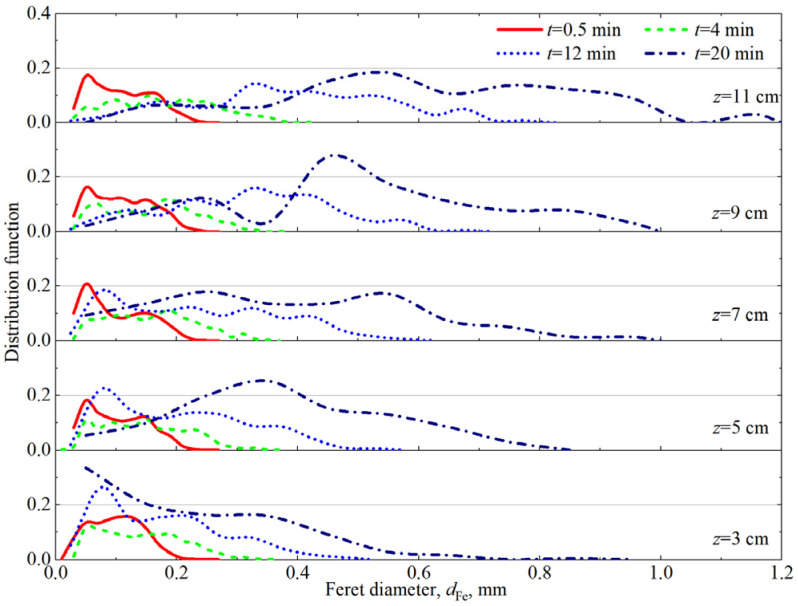 Figure 4
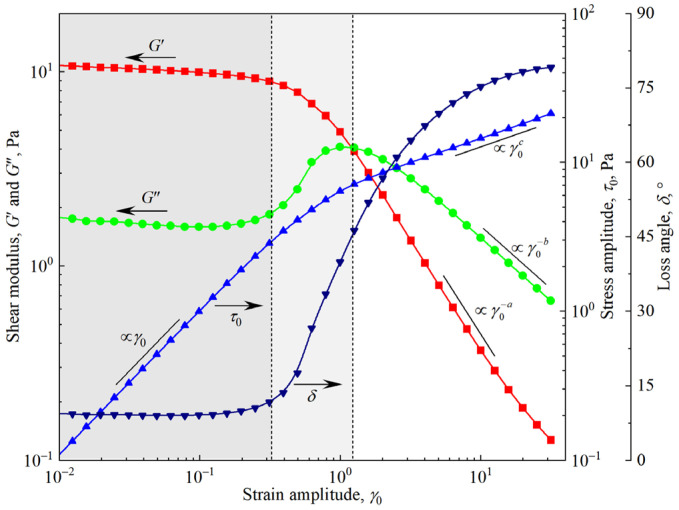 Figure 5
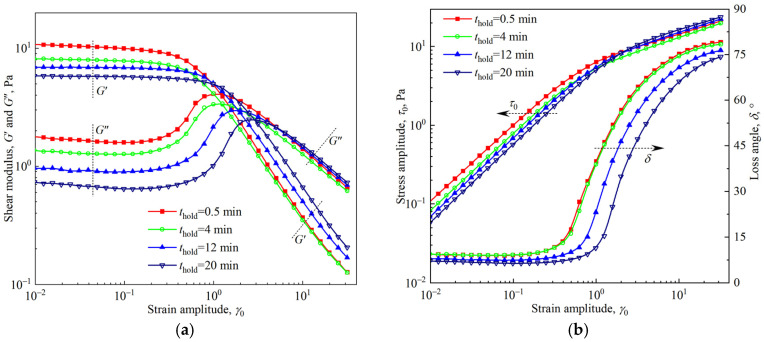 Figure 6
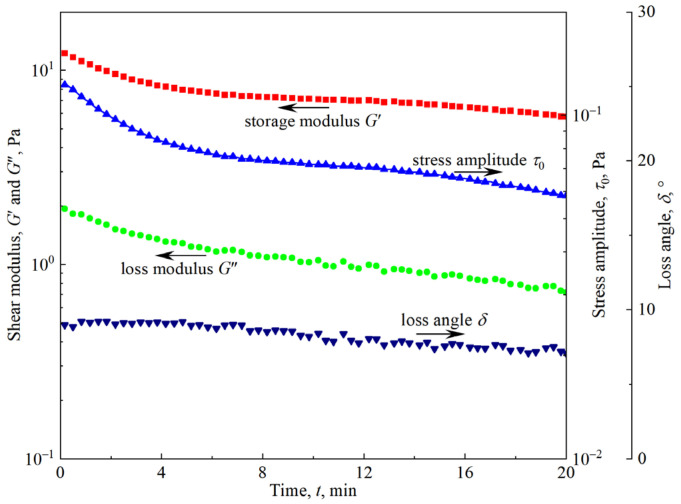 Figure 7
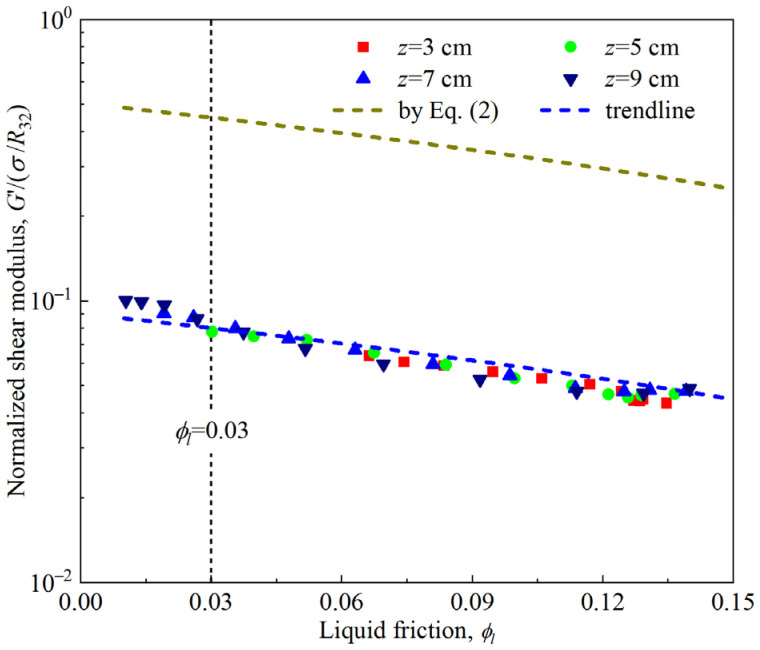 Figure 8
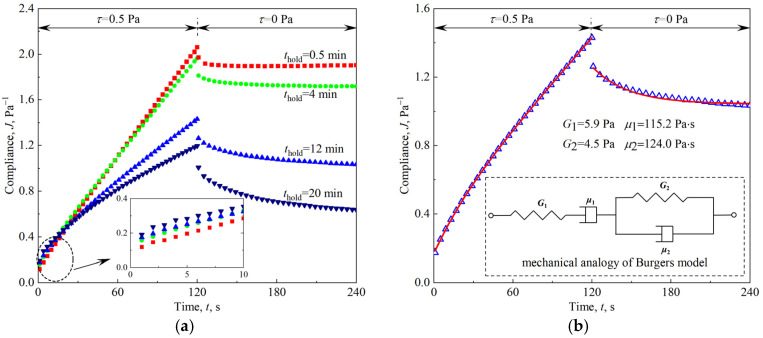 Figure 9
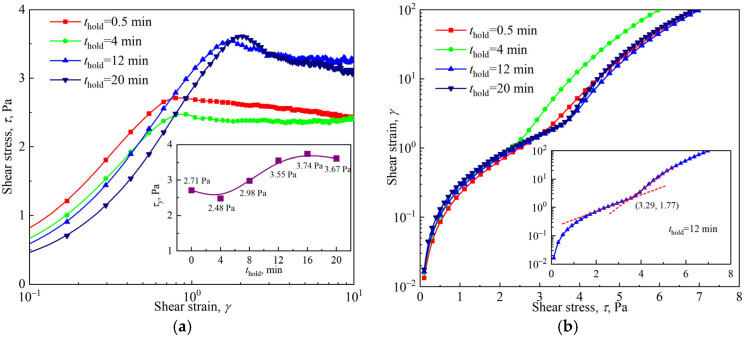 Figure 10
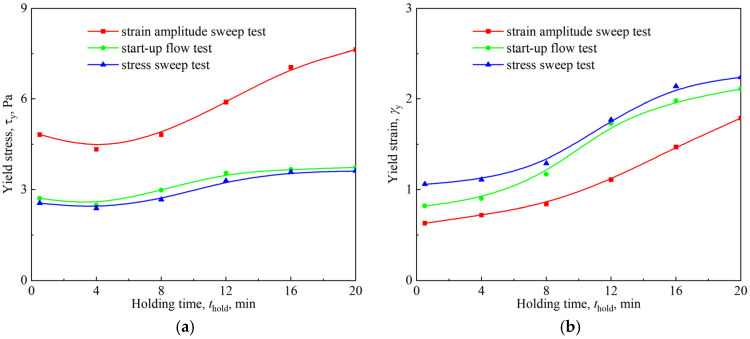 Figure 11
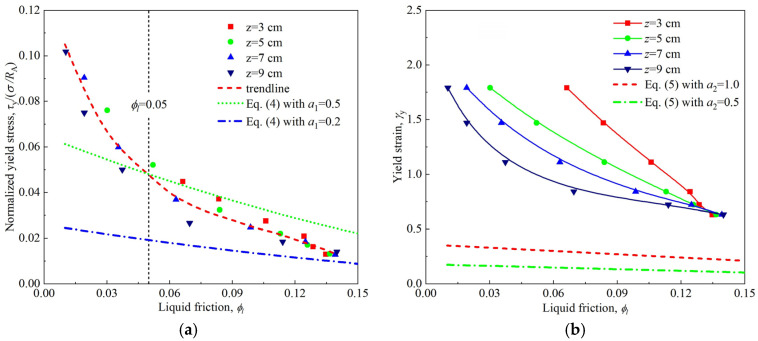 Figure 12
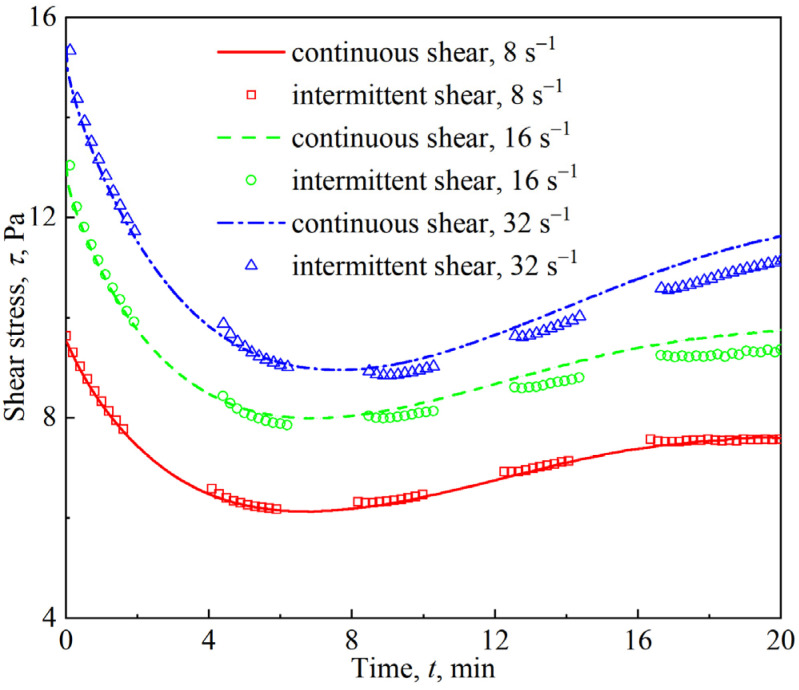 Figure 13
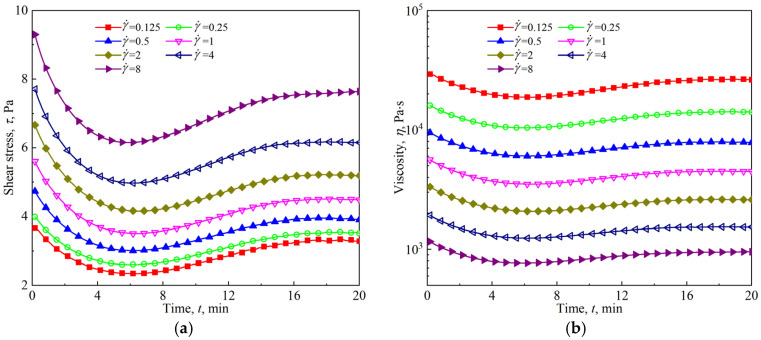 Figure 14
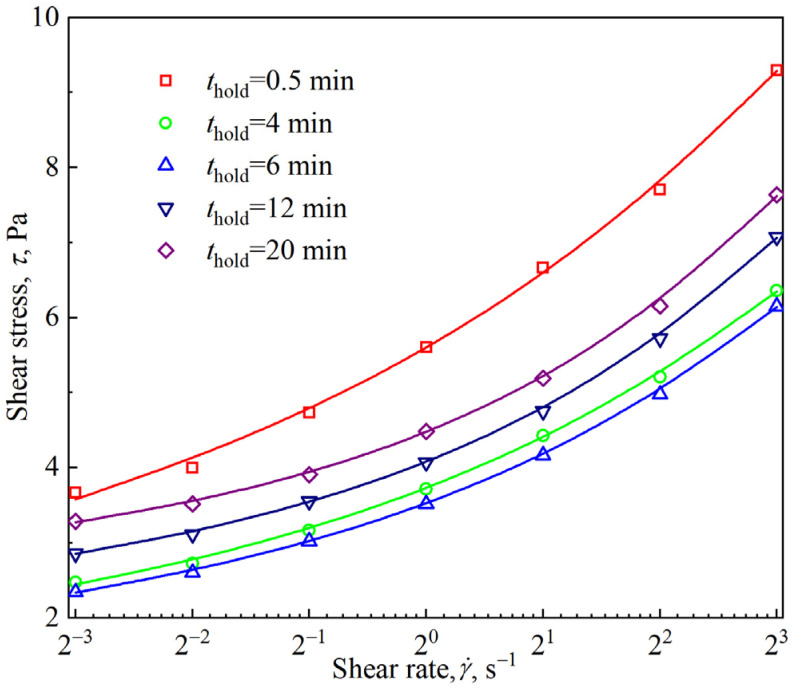 Figure 15
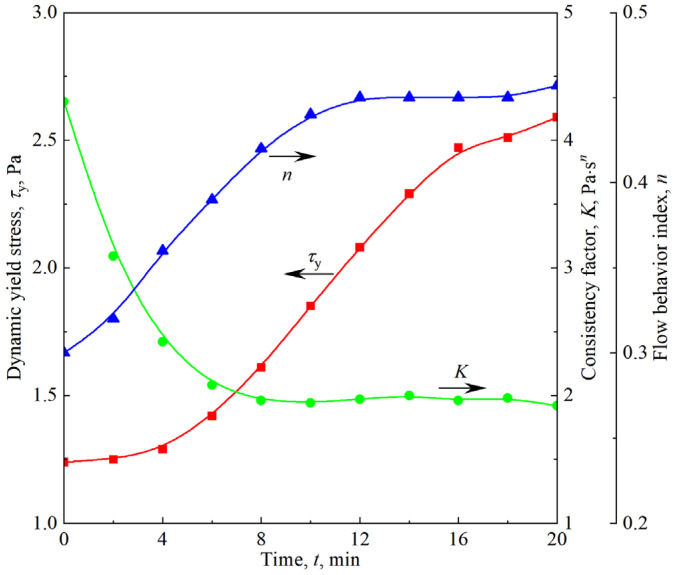 Figure 16
Peer Reviews
No public reviews on file for this paper yet. If you reviewed it on a platform where reviews are public (OpenReview, ICLR, NeurIPS, ICML), you can paste yours below so the community can read it here.
Videos
No videos yet. Explain this paper in a talk, walkthrough, or lecture? Add one.
Taxonomy
TopicsPickering emulsions and particle stabilization · Enhanced Oil Recovery Techniques · Surfactants and Colloidal Systems