A Single-Cell Perspective on the Effects of Dopamine in the Regulation of HIV Latency Phenotypes in a Myeloid Cell Model
Liana V. Basova, Wei Ling Lim, Violaine Delorme-Walker, Tera Riley, Kaylin Au, Daniel Siqueira Lima, Marina Lusic, Ronald J. Ellis, Howard S. Fox, Maria Cecilia Garibaldi Marcondes

TL;DR
This study explores how dopamine affects HIV latency in myeloid cells, suggesting that high dopamine levels may reverse HIV dormancy and increase inflammation.
Contribution
The study introduces a novel single-cell approach to investigate dopamine's impact on HIV latency mechanisms in a myeloid cell model.
Findings
DA exposure reduces latency signature genes and histone linkers, promoting HIV transcription.
High dopamine levels are linked to increased metabolic pathways potentially contributing to neurodegeneration.
The study identifies computational methods to detect latency reversal mechanisms in HIV-infected cells.
Abstract
Psychostimulants such as methamphetamine (Meth) induce high dopamine (DA) levels in the brain, which can modify immune cells expressing DA receptors. This is relevant in conditions of infection with the human immunodeficiency virus (HIV), overlapping with substance use. However, the effects of DA on HIV latency phenotypes are largely unknown. We used single-cell methods and gene network computational analysis to understand these relationships, using the U1 latent promonocyte model to identify signatures of latency and its reversal in the context of DA exposure. Our findings point to mechanisms by which high DA levels in the brains of substance users may impact HIV transcription and neuroinflammation. Our data indicate that latency is maintained along with the expression of histone linkers and components of chromatin organization, with increased metabolic pathways that may lead to…
Genes, proteins, chemicals, diseases, species, mutations and cell lines named across the full text — each resolved to its canonical identifier and authoritative record.
Click any figure to enlarge with its caption.
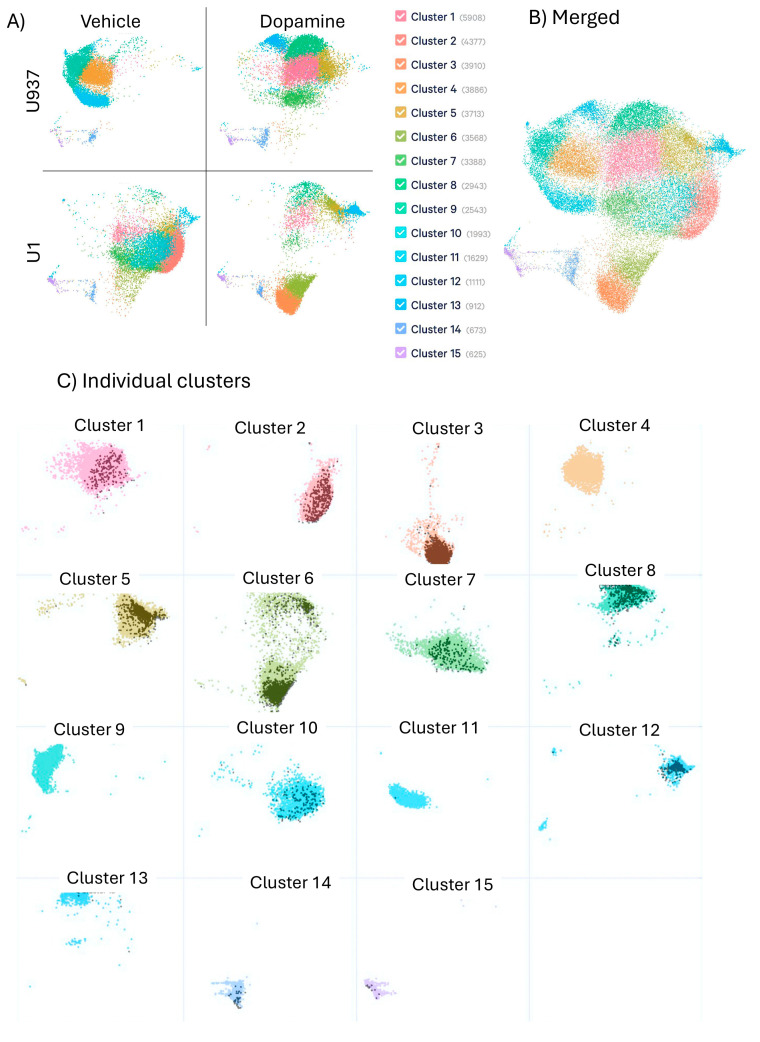 Figure 1
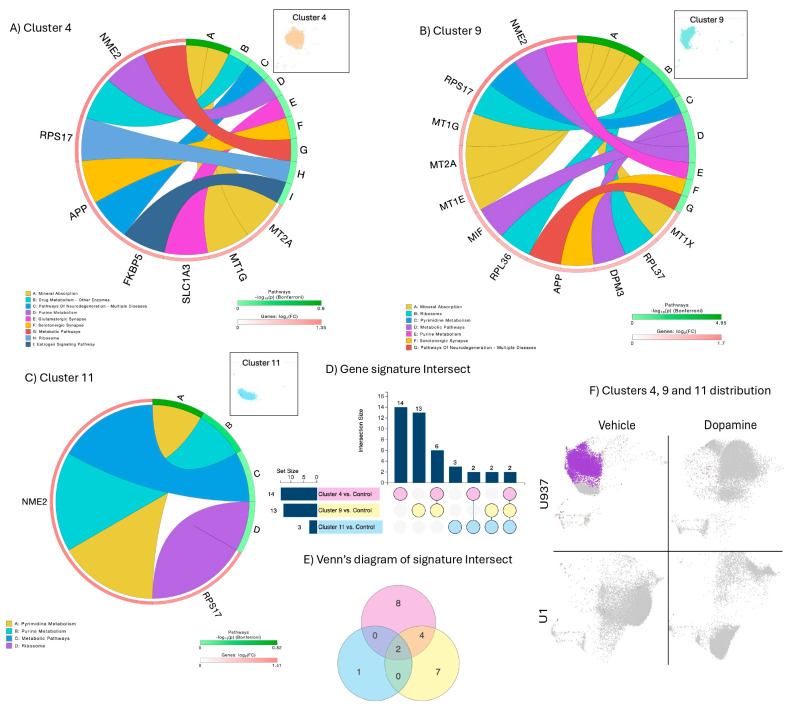 Figure 2
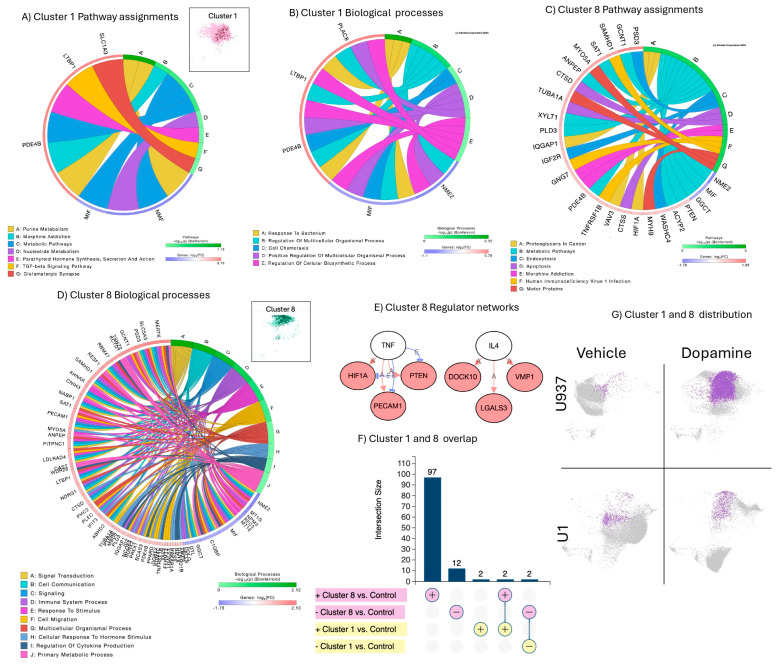 Figure 3
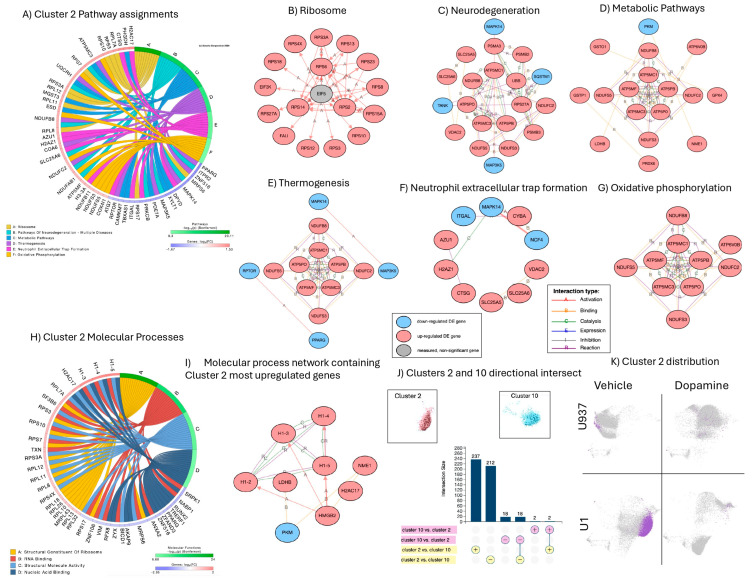 Figure 4
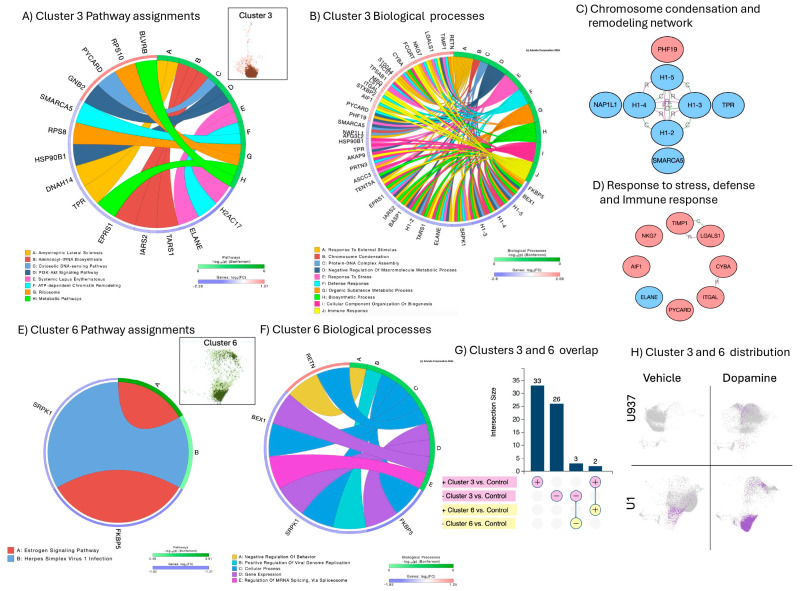 Figure 5
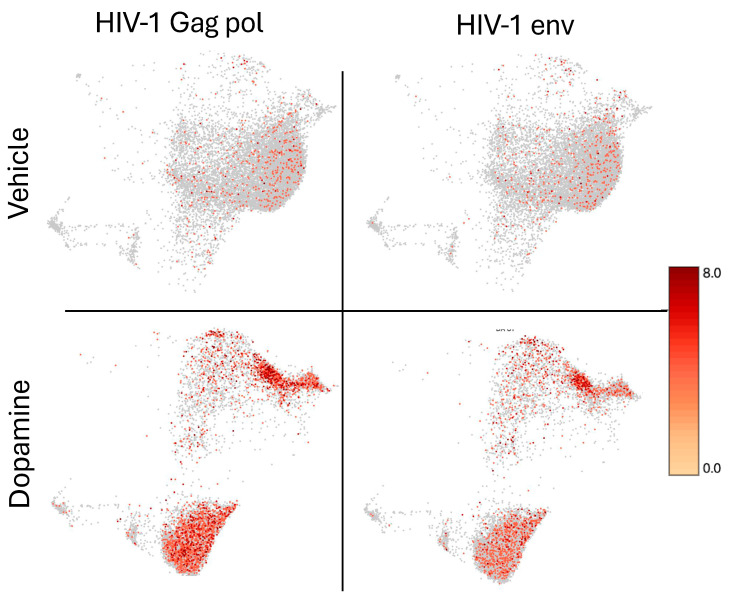 Figure 6
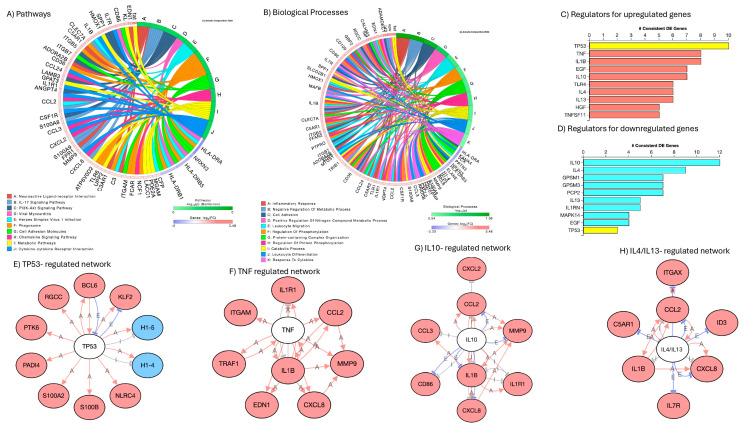 Figure 7
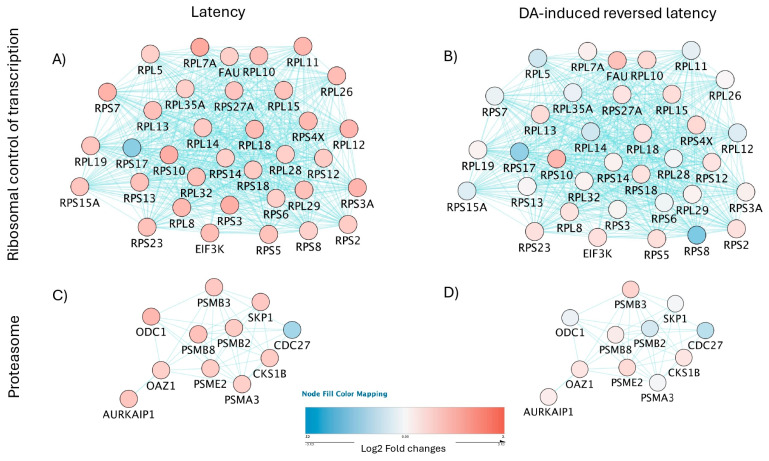 Figure 8
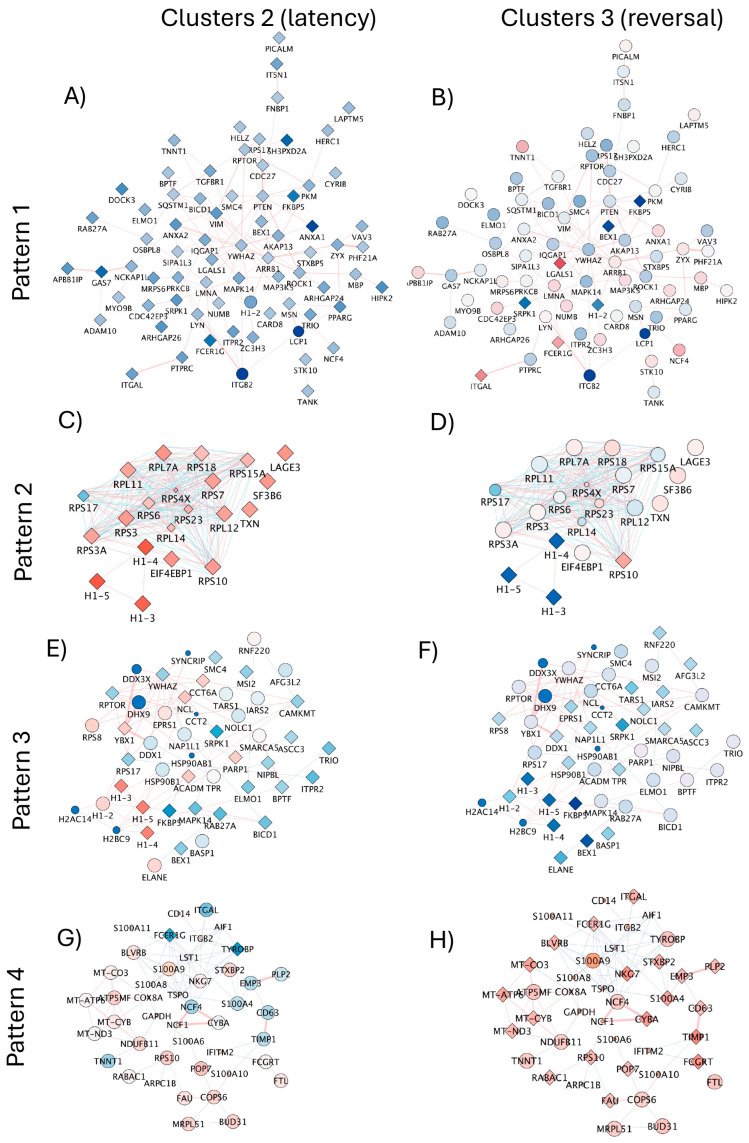 Figure 9
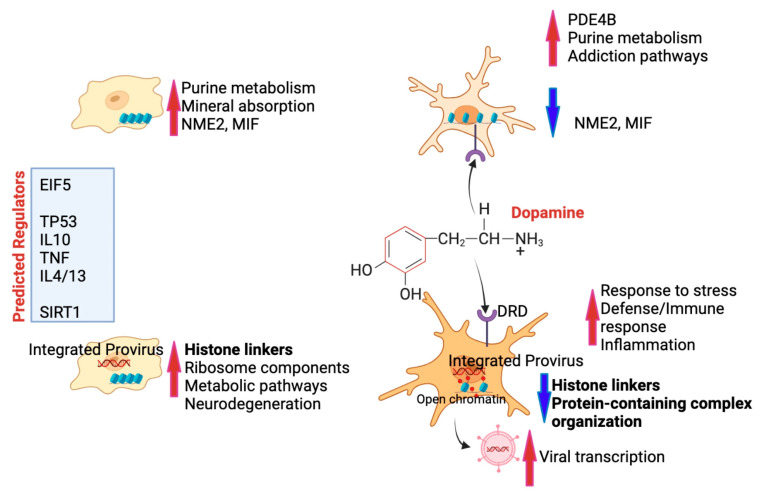 Figure 10
Peer Reviews
No public reviews on file for this paper yet. If you reviewed it on a platform where reviews are public (OpenReview, ICLR, NeurIPS, ICML), you can paste yours below so the community can read it here.
Videos
No videos yet. Explain this paper in a talk, walkthrough, or lecture? Add one.
Taxonomy
TopicsHIV Research and Treatment · Tryptophan and brain disorders · Neuroinflammation and Neurodegeneration Mechanisms