Immunomodulatory Effect of a Cysteine-Rich Secretory Protein from an Entomopathogenic Nematode with Sterol-Binding Activity
Jorge Frias, Duarte Toubarro, Tiago Paiva, Nelson Simões

TL;DR
A protein from a parasitic nematode can bind cholesterol and suppress insect immune responses, aiding in host infection.
Contribution
The study identifies a nematode venom protein with sterol-binding activity and immunomodulatory effects in insect hosts.
Findings
Sc-CAP protein binds cholesterol and shows structural similarity to sterol-binding proteins in other parasites.
Sc-CAP inhibits insect phenoloxidase and antimicrobial responses, modulating the immune system.
Recombinant Sc-CAP was successfully produced in Escherichia coli with a chaperone protein.
Abstract
The Steinernema carpocapsae nematode is known to release several excretory/secretory products (ESPs) in its venom upon contact and during the parasitic infection process of insect hosts. A recurrent family of proteins found in this nematode’s venom is the CAP (cysteine-rich secretory protein/antigen 5/pathogenesis-related 1) protein, but the functional role of these proteins remains unknown. To elucidate the biological function, this study focused on characterising the secreted protein, first identified in the venom of the nematode’s parasitic stage, and the sequence retrieved from transcriptomic analysis. The structural comparisons of the Sc-CAP protein model, as determined by AlphaFold2, revealed related structures from other parasitic nematodes of vertebrates. Some of these closely related proteins are reported to have sterol-binding ability. The Sc-CAP recombinant protein was…
Genes, proteins, chemicals, diseases, species, mutations and cell lines named across the full text — each resolved to its canonical identifier and authoritative record.
Click any figure to enlarge with its caption.
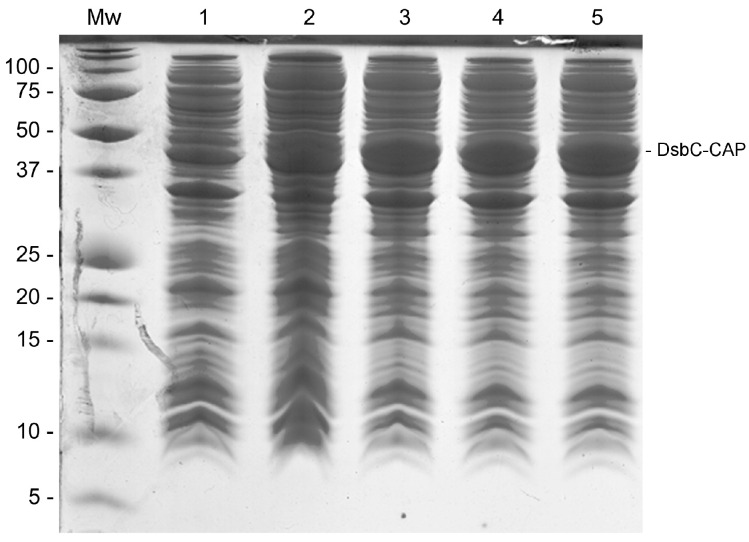 Figure 1
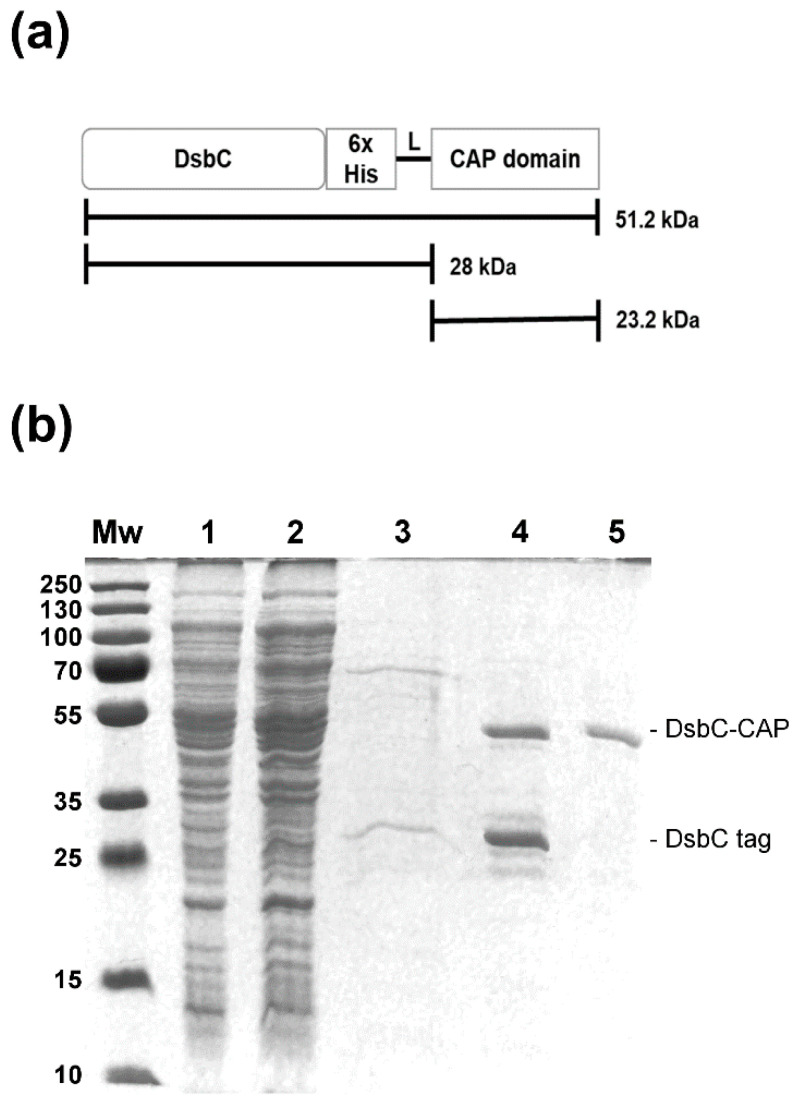 Figure 2
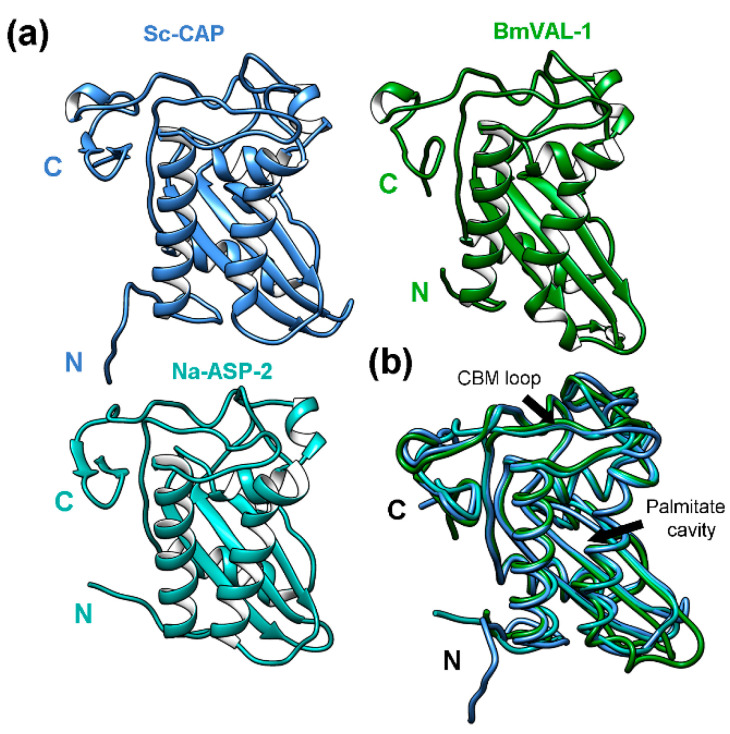 Figure 3
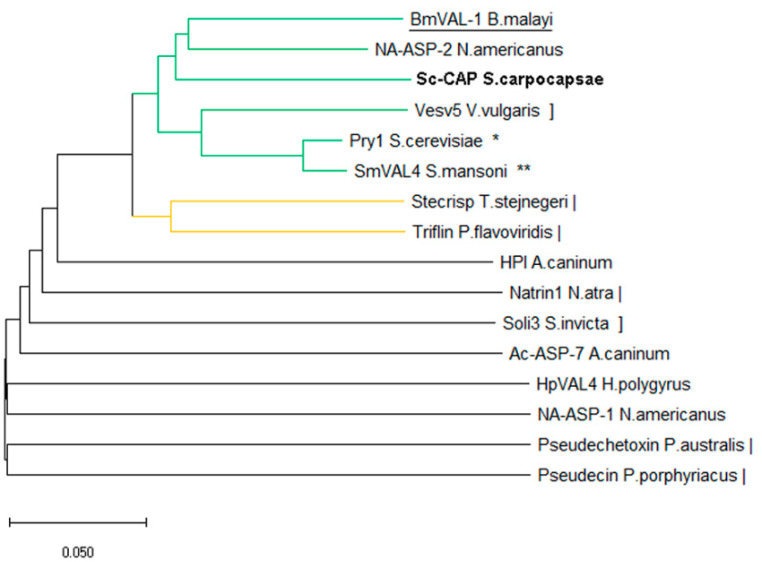 Figure 4
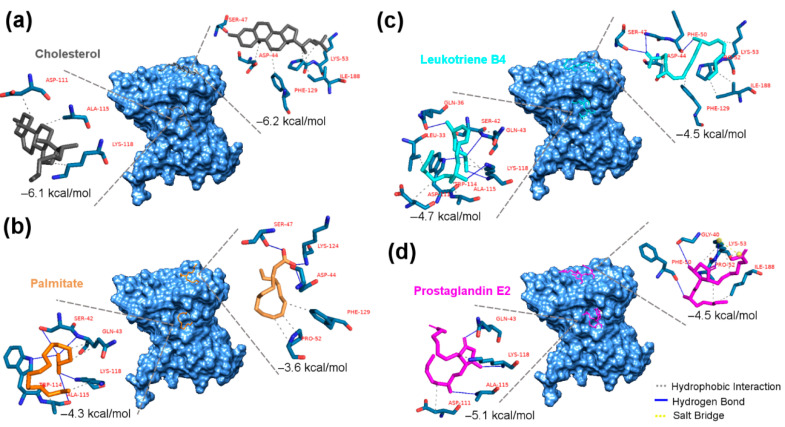 Figure 5
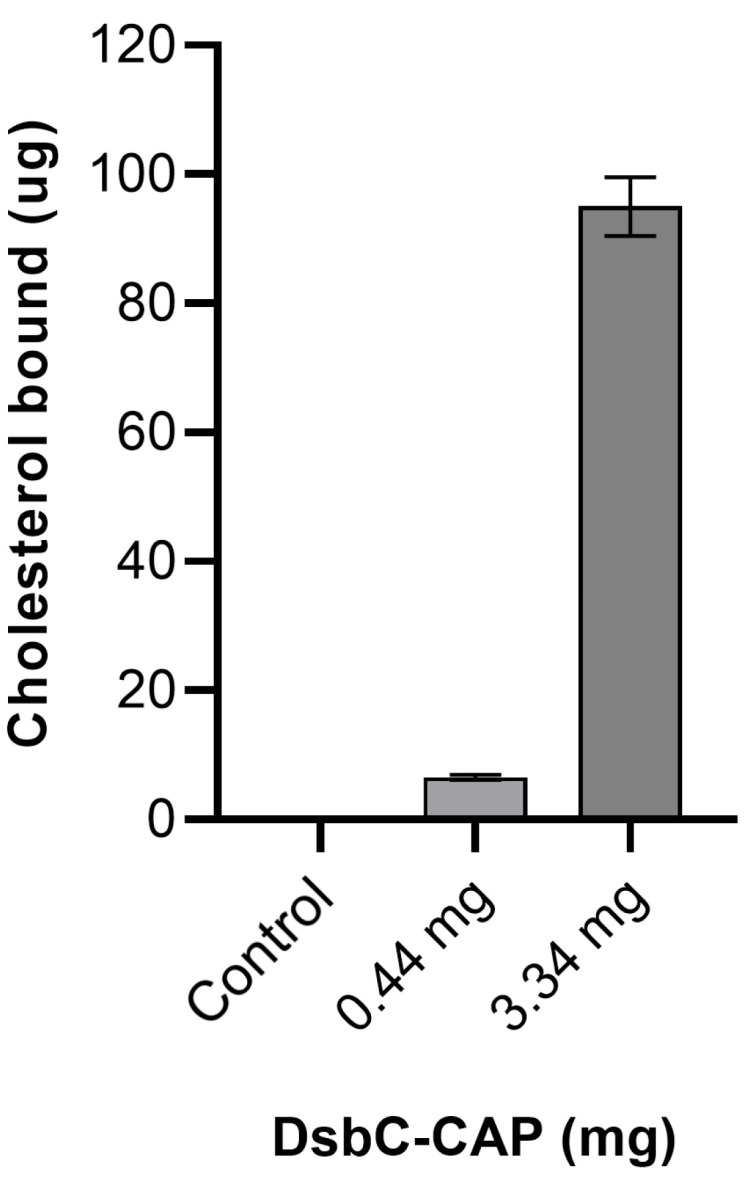 Figure 6
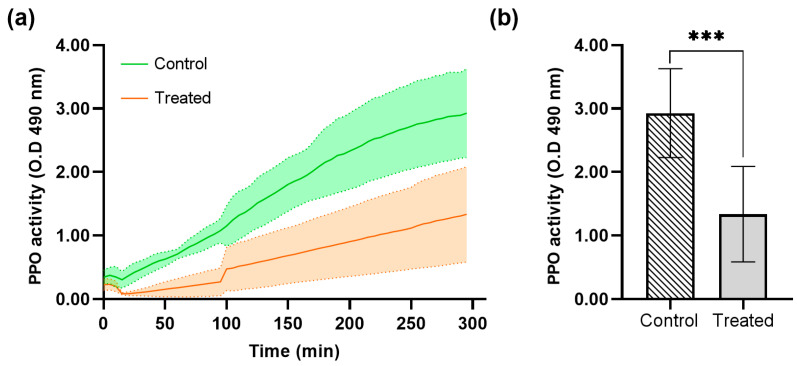 Figure 7
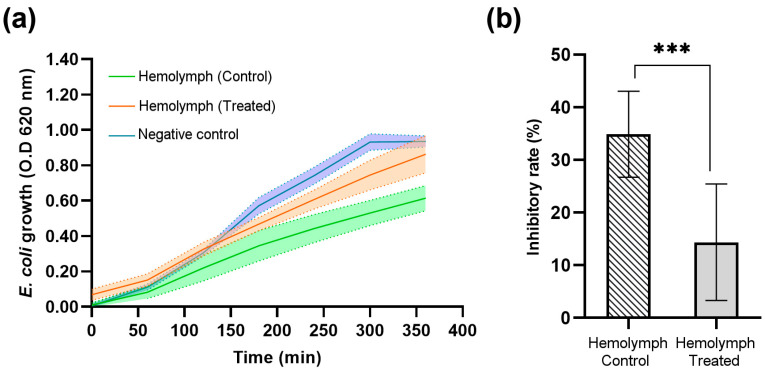 Figure 8
Peer Reviews
No public reviews on file for this paper yet. If you reviewed it on a platform where reviews are public (OpenReview, ICLR, NeurIPS, ICML), you can paste yours below so the community can read it here.
Videos
No videos yet. Explain this paper in a talk, walkthrough, or lecture? Add one.
Taxonomy
TopicsInsect Resistance and Genetics · Entomopathogenic Microorganisms in Pest Control · Invertebrate Immune Response Mechanisms