The Response of the Functional Traits of Phragmites australis and Bolboschoenus planiculmis to Water and Saline–Alkaline Stresses
Lili Yang, Yanjing Lou, Zhanhui Tang

TL;DR
This study examines how two wetland plants respond to water and saline-alkaline stress, revealing species-specific adaptations that could help predict plant productivity in degraded wetlands.
Contribution
The study identifies a species-specific adaptive strategy (RHR) in response to environmental stressors in saline-alkaline wetlands.
Findings
P. australis leaf area, root biomass, and clonal biomass increased under low/medium saline-alkaline stress.
B. planiculmis leaf area decreased under low/medium saline-alkaline stress, while root biomass and clonal biomass increased under high stress.
Drought combined with high saline-alkaline stress reduced leaf area, ramet number, and clonal biomass in both species.
Abstract
Soil saline–alkaline stress and water stress, exacerbated by anthropogenic activities and climate change, are major drivers of wetland vegetation degradation, severely affecting the function of wetland ecosystems. In this study, we conducted a simulation experiment with three water levels and four saline–alkaline concentration levels as stress factors to assess eight key functional traits of Phragmites australis and Bolboschoenus planiculmis, dominant species in the salt marsh wetlands in the western region of Jilin province, China. The study aimed to evaluate how these factors influence the functional traits of P. australis and B. planiculmis. Our results showed that the leaf area, root biomass, and clonal biomass of P. australis significantly increased, and the leaf area of B. planiculmis significantly decreased under low and medium saline–alkaline concentration treatments, while the…
Genes, proteins, chemicals, diseases, species, mutations and cell lines named across the full text — each resolved to its canonical identifier and authoritative record.
Click any figure to enlarge with its caption.
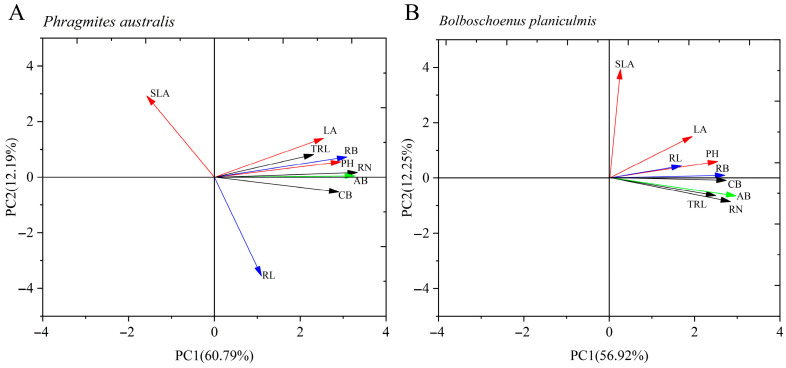 Figure 1
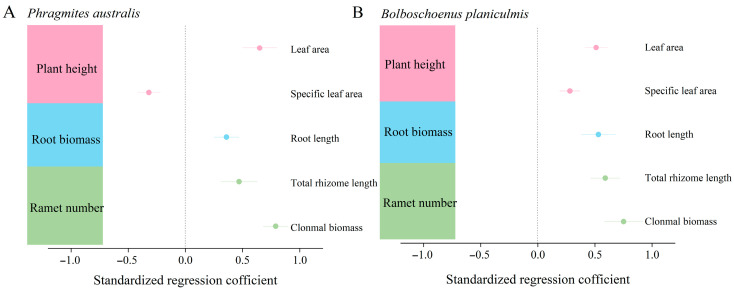 Figure 2
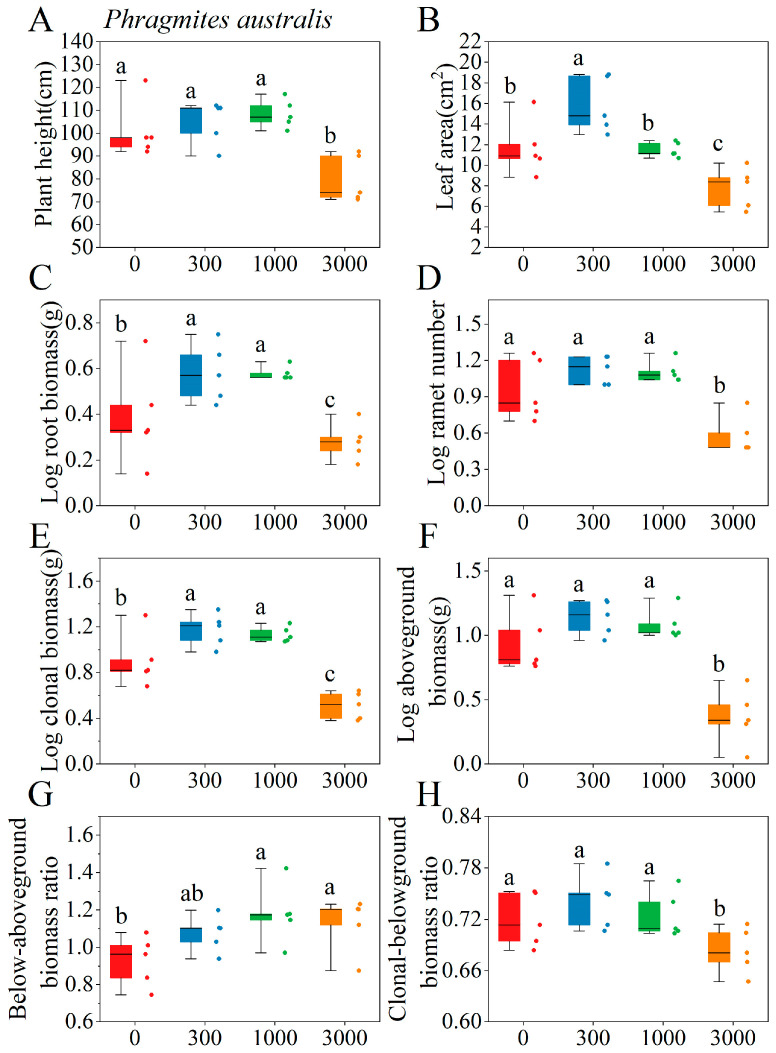 Figure 3
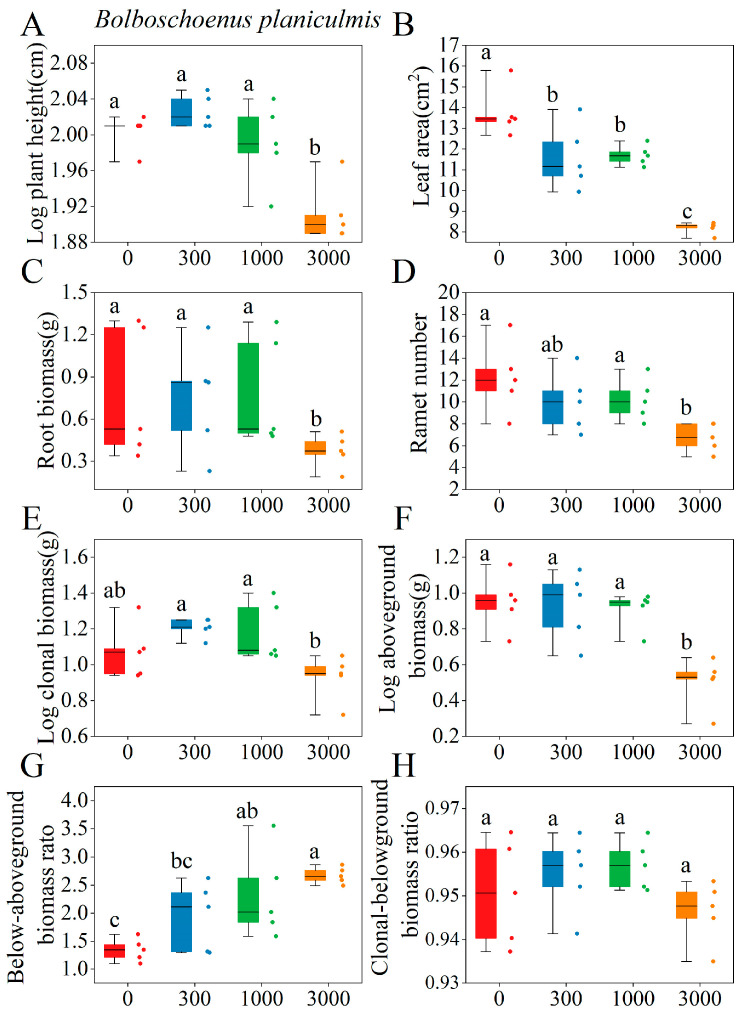 Figure 4
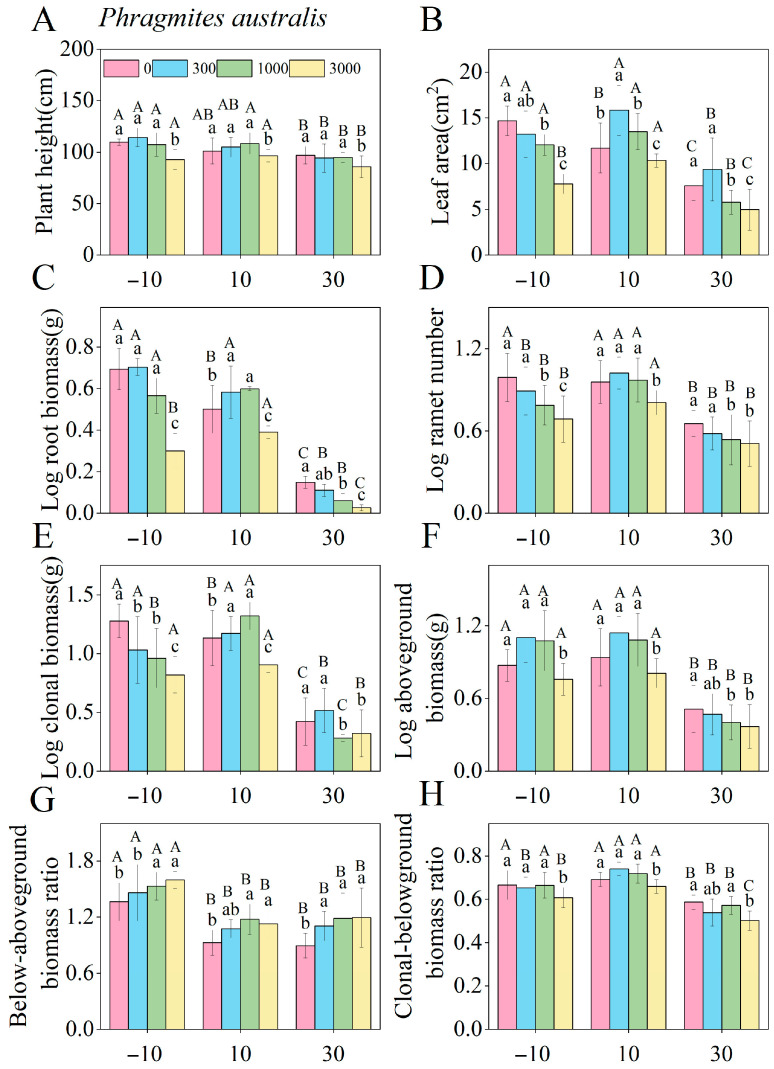 Figure 5
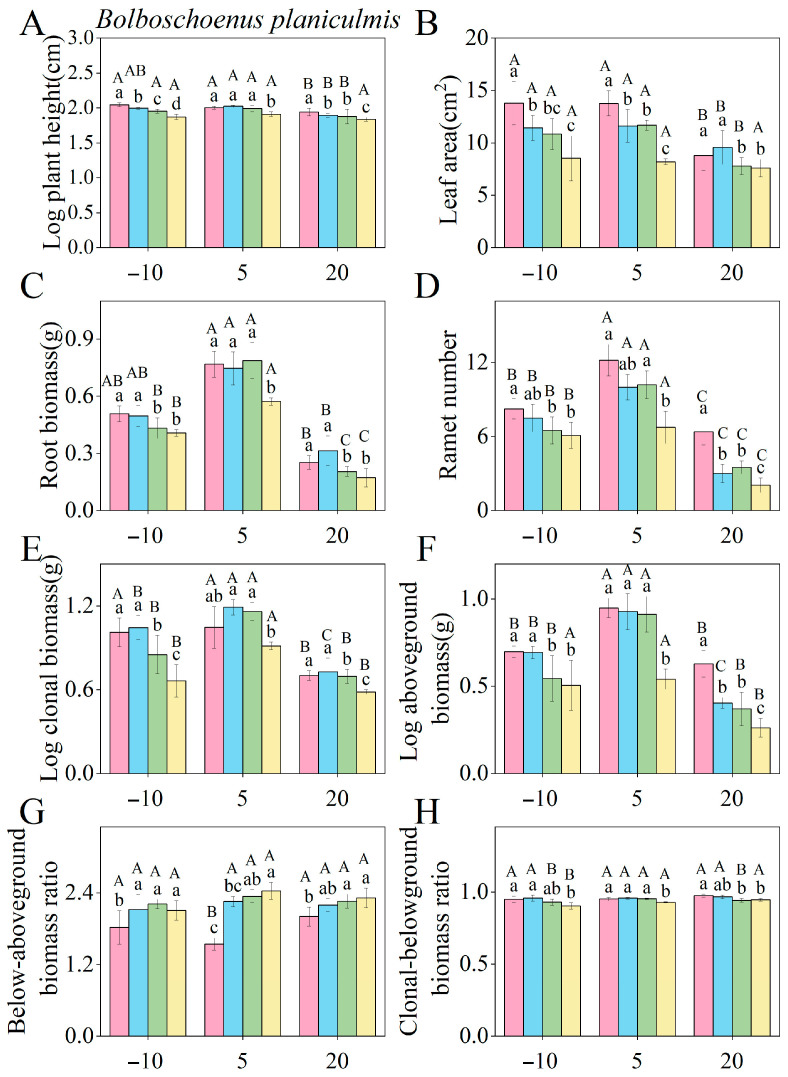 Figure 6
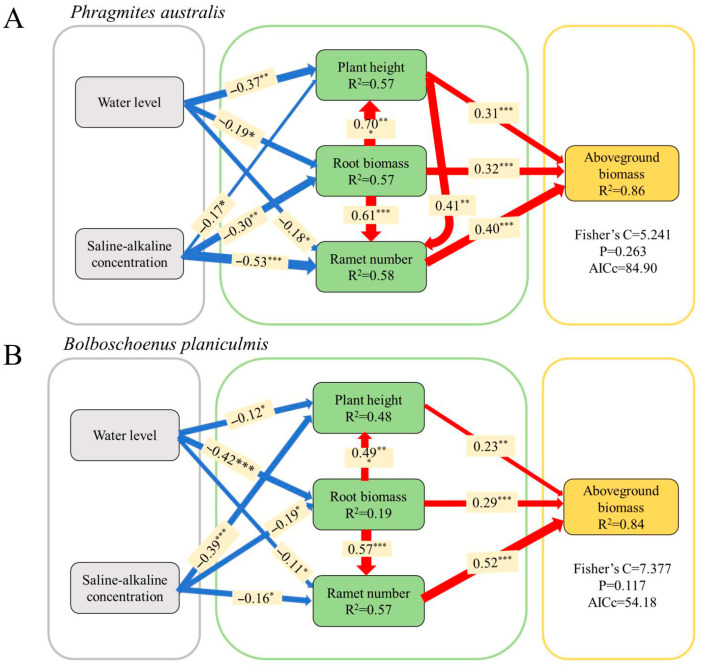 Figure 7
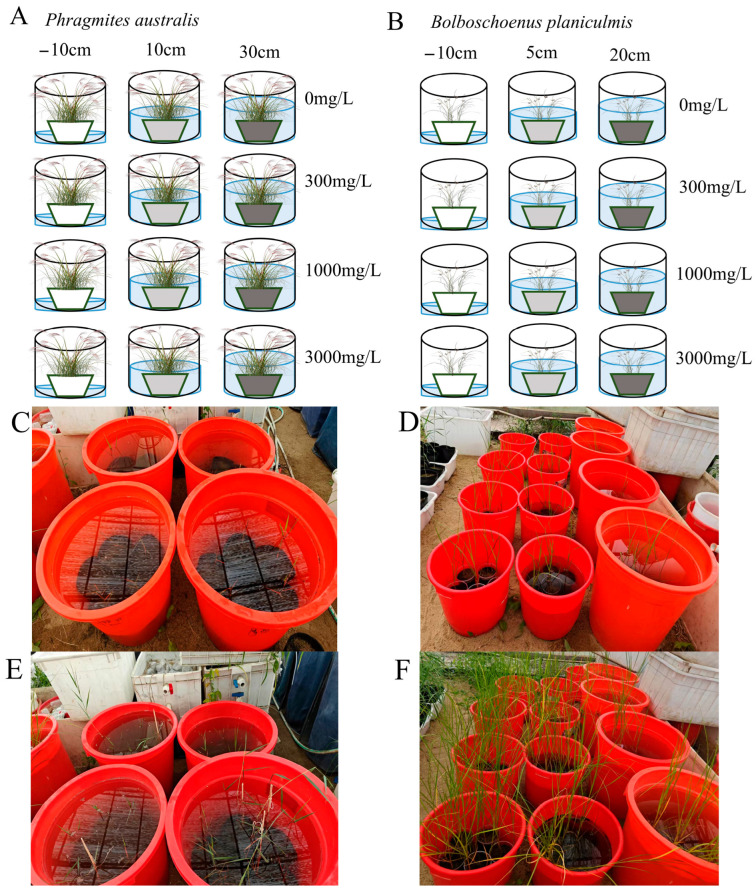 Figure 8
Peer Reviews
No public reviews on file for this paper yet. If you reviewed it on a platform where reviews are public (OpenReview, ICLR, NeurIPS, ICML), you can paste yours below so the community can read it here.
Videos
No videos yet. Explain this paper in a talk, walkthrough, or lecture? Add one.
Taxonomy
TopicsCoastal wetland ecosystem dynamics · Plant responses to water stress · Aeolian processes and effects