Anthelmintic Potential of Agelasine Alkaloids from the Australian Marine Sponge Agelas axifera
Kanchana Wijesekera, Aya C. Taki, Joseph J. Byrne, Darren C. Holland, Ian D. Jenkins, Merrick G. Ekins, Anthony R. Carroll, Robin B. Gasser, Rohan A. Davis

TL;DR
Scientists found that compounds from a marine sponge in Australia can kill parasitic worms in lab tests, suggesting potential new treatments.
Contribution
The study identifies new anthelmintic compounds from Agelas axifera and explores their effects on parasitic nematodes.
Findings
Agelasine compounds induced a 'skinny' phenotype in nematode larvae.
Agelasines reduced motility in Haemonchus contortus larvae by over 50%.
Agelasine H-8′ was found to be chemically unstable under certain conditions.
Abstract
A recent high-throughput screening of the NatureBank marine extract library (7616 samples) identified an extract from the Australian marine sponge Agelas axifera with in vitro activity against an economically important parasitic nematode, Haemonchus contortus (barber’s pole worm). The bioassay-guided fractionation of the CH2Cl2/MeOH extract from A. axifera led to the purification of a new diterpene alkaloid, agelasine Z (1), together with two known compounds agelasine B (2) and oxoagelasine B (3). Brominated compounds (–)-mukanadin C (4) and 4-bromopyrrole-2-carboxylic acid (5) were also isolated from neighbouring UV-active fractions. All compounds, together with agelasine D (6) from NatureBank’s pure compound library, were tested for in vitro anthelmintic activity against exsheathed third-stage (xL3s) and fourth-stage larvae (L4s) of H. contortus and young adult Caenorhabditis elegans.…
Genes, proteins, chemicals, diseases, species, mutations and cell lines named across the full text — each resolved to its canonical identifier and authoritative record.
Click any figure to enlarge with its caption.
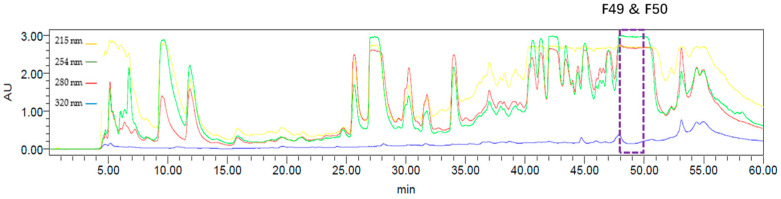 Figure 1
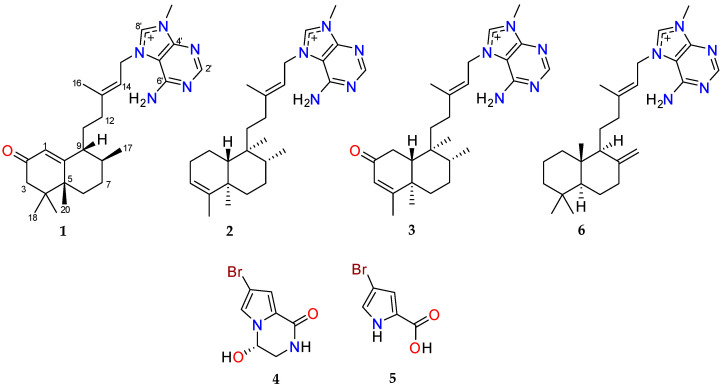 Figure 2
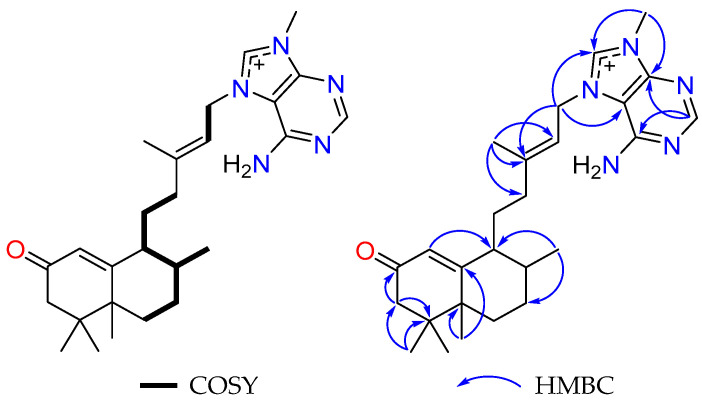 Figure 3
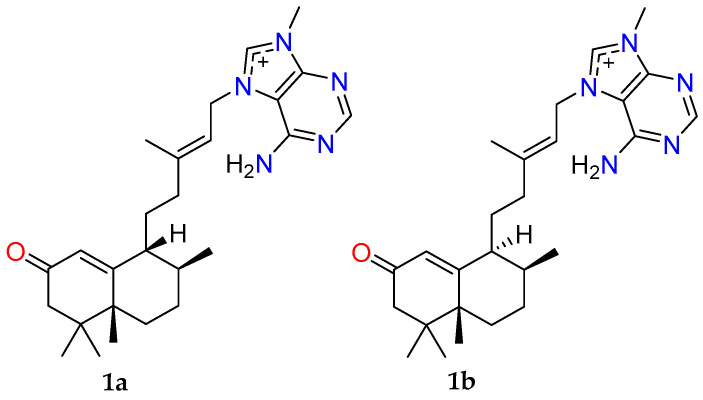 Figure 4
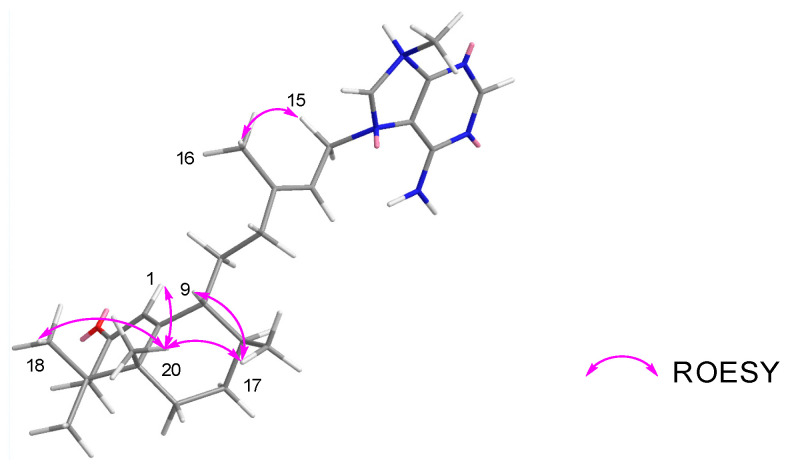 Figure 5
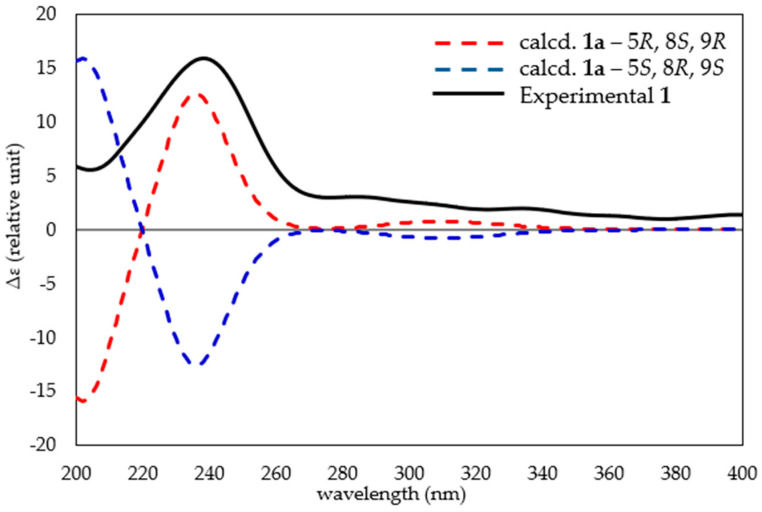 Figure 6
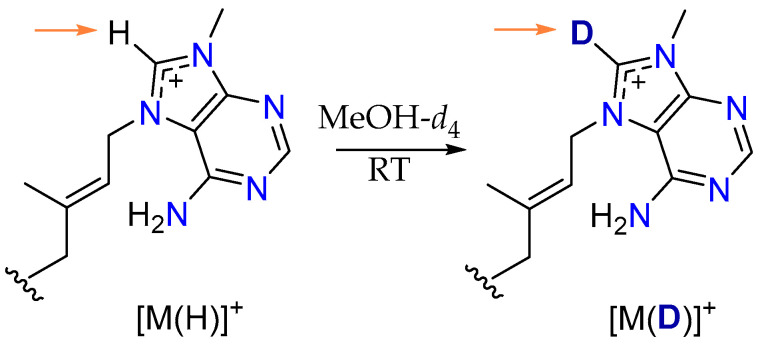 Figure 7
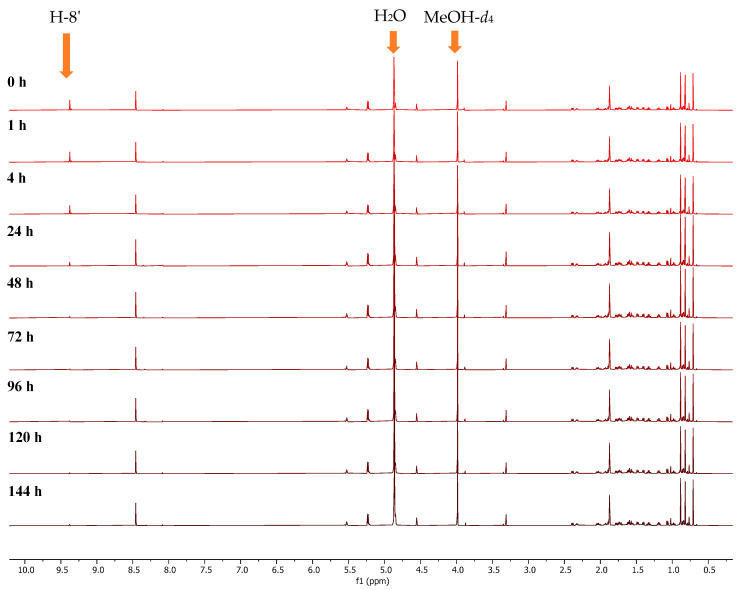 Figure 8
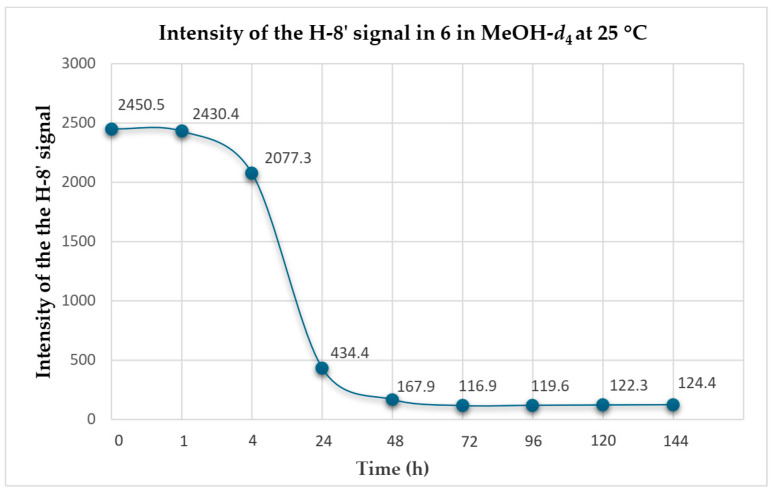 Figure 9
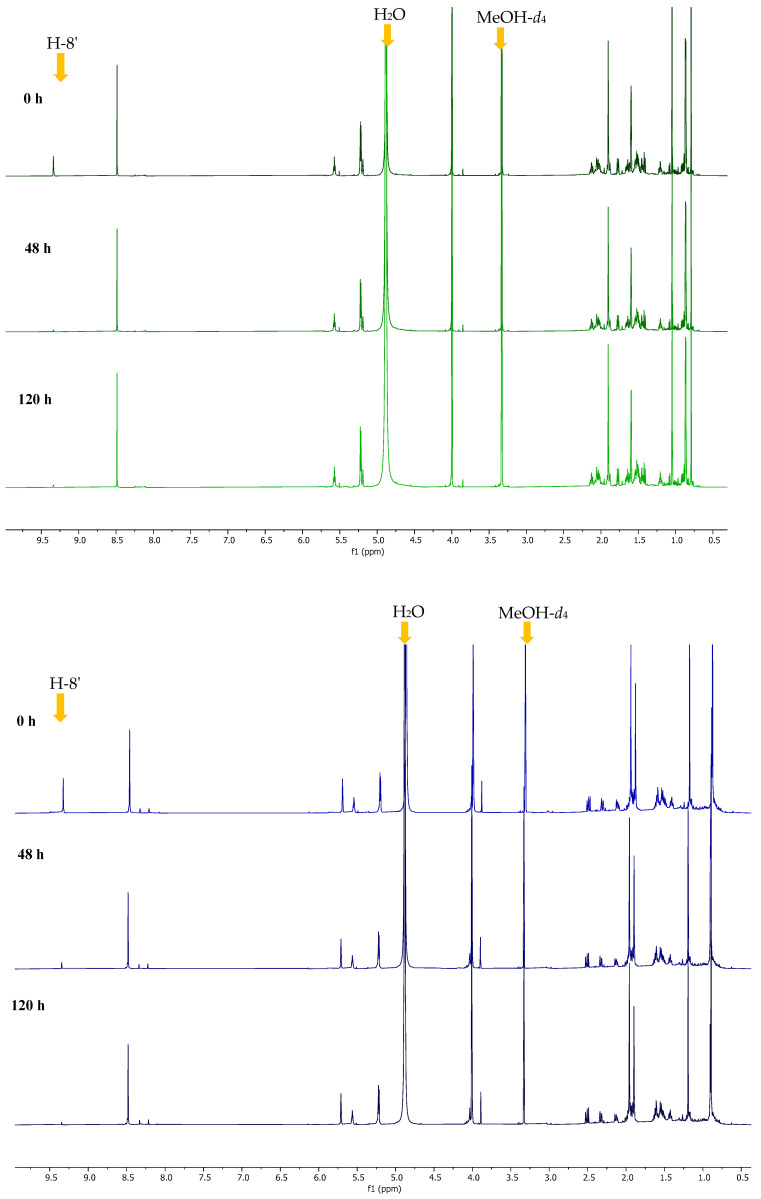 Figure 10
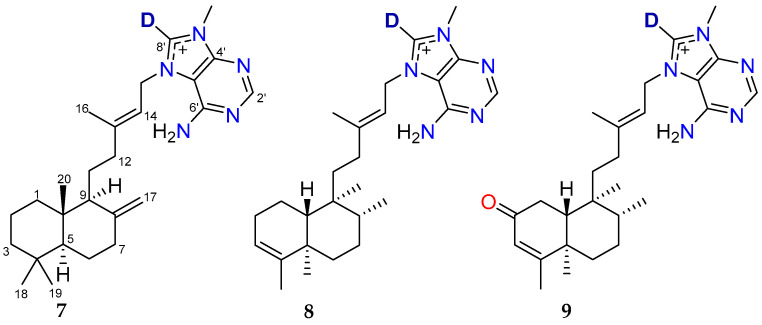 Figure 11
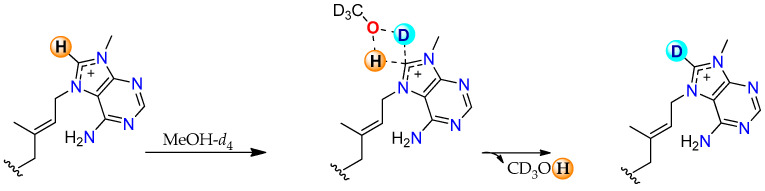 Figure 12
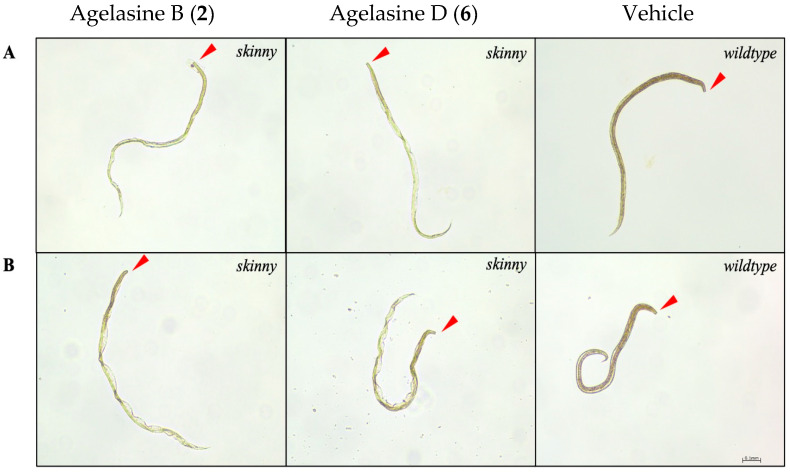 Figure 13
Peer Reviews
No public reviews on file for this paper yet. If you reviewed it on a platform where reviews are public (OpenReview, ICLR, NeurIPS, ICML), you can paste yours below so the community can read it here.
Videos
No videos yet. Explain this paper in a talk, walkthrough, or lecture? Add one.
Taxonomy
TopicsMarine Sponges and Natural Products · Chemical synthesis and alkaloids · Synthesis and Biological Activity