Transcriptomic and Metabolomic Joint Analysis Revealing Different Metabolic Pathways and Genes Dynamically Regulating Bitter Gourd (Momordica charantia L.) Fruit Growth and Development in Different Stages
Boyin Qiu, Dazhong Li, Qianrong Zhang, Hui Lin, Yongping Li, Qingfang Wen, Haisheng Zhu

TL;DR
This study explores how bitter gourd fruit grows by combining gene and metabolite data, revealing key metabolic pathways and genes involved in different growth stages.
Contribution
The study identifies specific metabolic pathways and genes dynamically regulating bitter gourd fruit growth across developmental stages.
Findings
Fruit growth follows a 'slow-fast-slow' pattern with distinct metabolic activity changes.
Glycolysis, fructose/mannose metabolism, and flavonoid biosynthesis pathways regulate growth stages.
53 genes and 12 metabolites were identified, with gene expression validated by quantitative PCR.
Abstract
Insights into dynamic regulatory factors in various stages of growth and development can guide strategies for precision and targeted breeding. Bitter gourd, as a vegetable product with medicinal value, plays a role in both agricultural and medical fields. In this study, phenotypic observations, metabolomic and transcriptomic analyses, and differential gene expression patterns, along with a correlation analysis, were conducted in different stages of fruit growth and development. The results revealed that the growth rate of fruit’s fresh weight, length, diameter, and flesh thickness during the first seven days was slow, and that it then rapidly increased after the seventh day, and finally slowed once more after 17 days, indicating that the overall process followed a “slow–fast–slow” pattern. Transcriptomic and metabolomic analyses identified several differentially expressed genes and…
Genes, proteins, chemicals, diseases, species, mutations and cell lines named across the full text — each resolved to its canonical identifier and authoritative record.
Click any figure to enlarge with its caption.
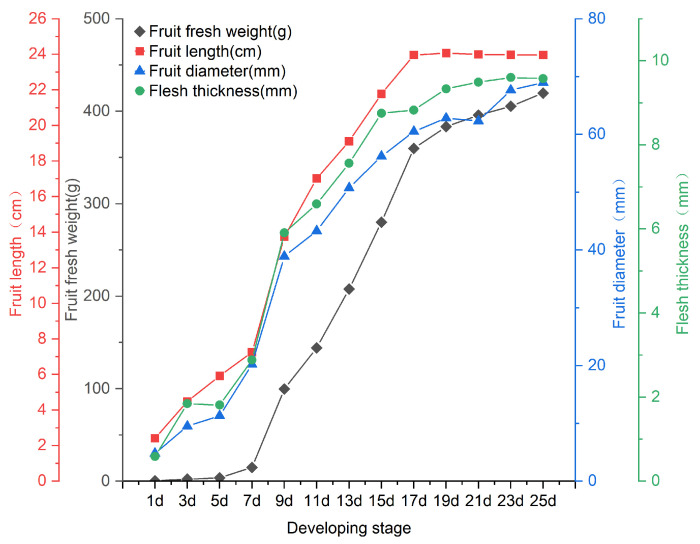 Figure 1
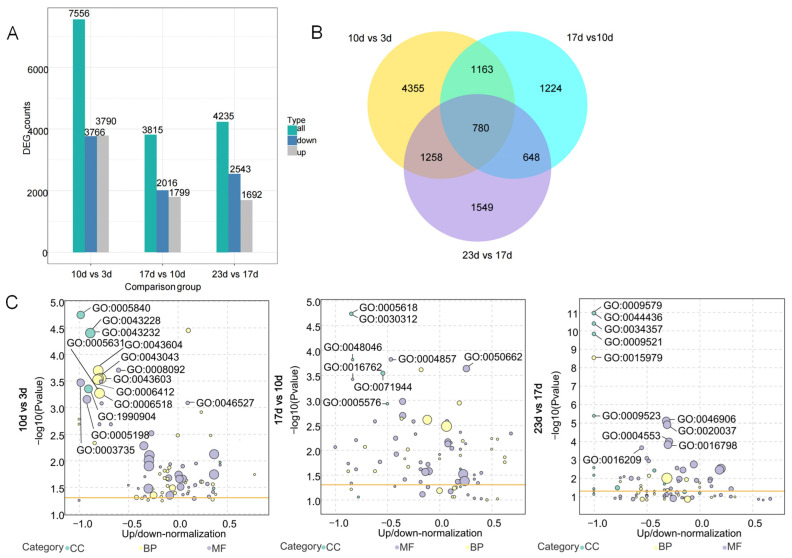 Figure 2
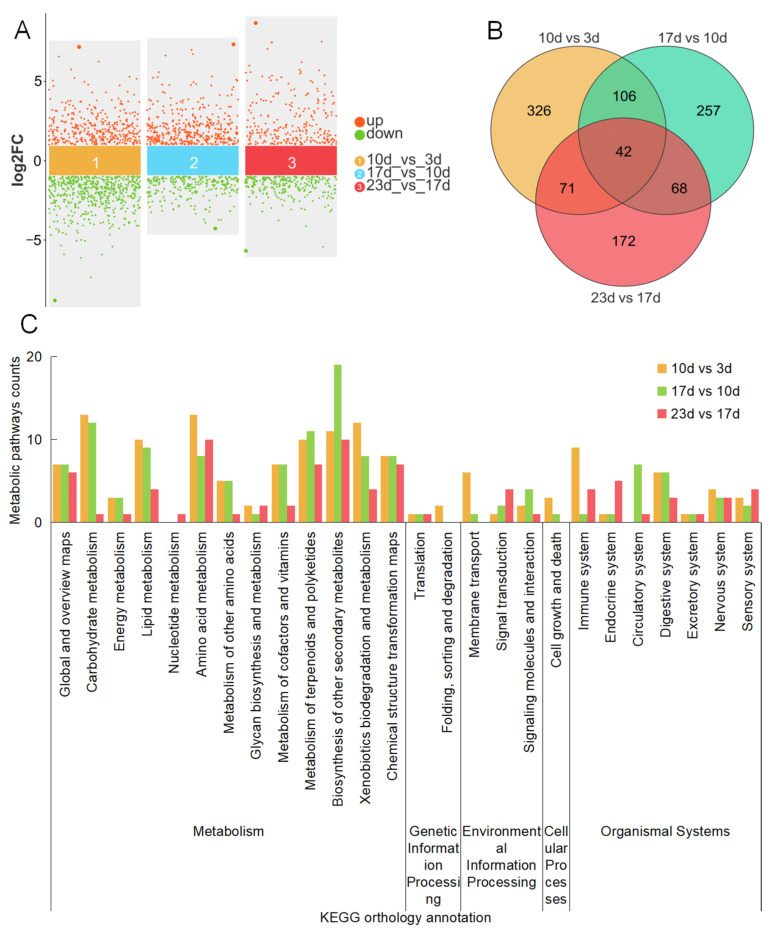 Figure 3
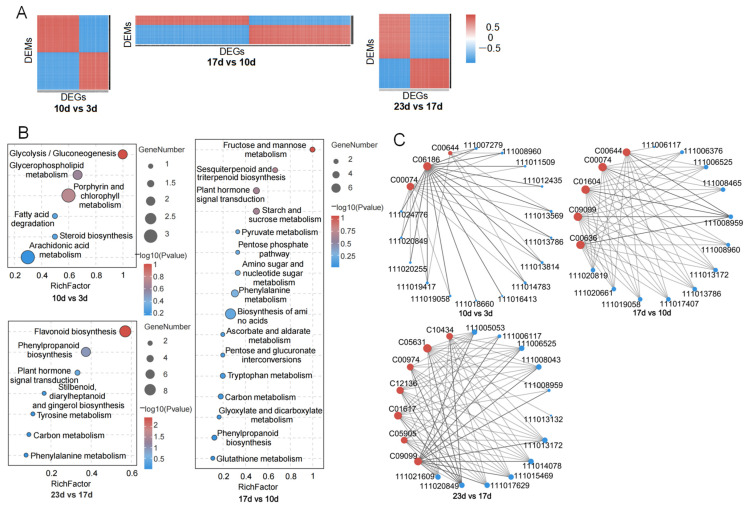 Figure 4
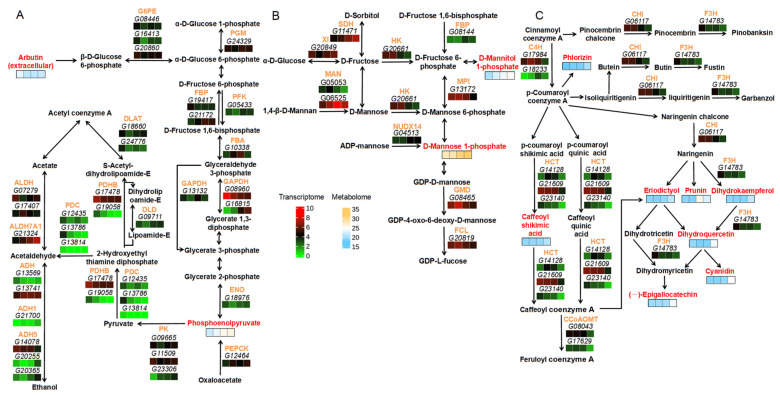 Figure 5
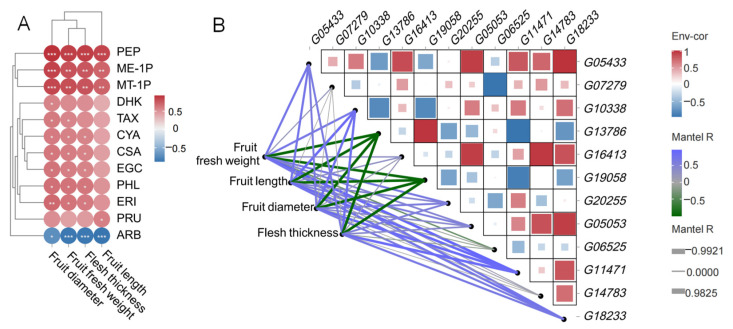 Figure 6
Peer Reviews
No public reviews on file for this paper yet. If you reviewed it on a platform where reviews are public (OpenReview, ICLR, NeurIPS, ICML), you can paste yours below so the community can read it here.
Videos
No videos yet. Explain this paper in a talk, walkthrough, or lecture? Add one.
Taxonomy
TopicsAdvances in Cucurbitaceae Research · Plant tissue culture and regeneration