Optimizing Burn Wound Healing: The Critical Role of pH and Rheological Behavior in Plant-Derived Topical Formulations
Oana-Janina Roșca, Georgeta-Hermina Coneac, Roxana Racoviceanu, Alexandru Nistor, Ioana-Viorica Olariu, Ana-Maria Cotan, Roxana Negrea-Ghiulai, Cristina Adriana Dehelean, Lavinia Lia Vlaia, Codruța Marinela Șoica

TL;DR
This study shows that plant-based oleogels with specific pH and texture properties can improve burn wound healing in rats.
Contribution
The study introduces optimized plant-derived oleogels with pH and rheological properties that enhance burn wound healing.
Findings
Oleogels outperformed hydrogels in wound healing, reducing size and inflammation.
Boswellia serrata and Ocimum basilicum in oleogels showed significant healing benefits by day 21.
Low pH, high viscosity, and thixotropic behavior correlated with better healing outcomes.
Abstract
Background: In burn injuries, wound healing effectiveness is complex and influenced significantly by the local biochemical environment and the physicochemical properties of topical preparations. pH lesions modulation can influence protection barrier integrity, inflammatory responses, and microbial colonization. Their antioxidant, antimicrobial, and anti-inflammatory properties, of the topical formulations enriched with plant extracts have demonstrated promising results. Objective: The aim of the study was to develop and characterize topical oleogel and hydrogel formulations containing ethanolic and hydroalcoholic extracts of medicinal plants (Boswellia serrata, Ocimum basilicum, Sambucus nigra, and Galium verum), and to evaluate the impact of their physicochemical properties, rheological behavior, in contrast with the wound pH modulation, and healing efficacy in an experimental burn…
Genes, proteins, chemicals, diseases, species, mutations and cell lines named across the full text — each resolved to its canonical identifier and authoritative record.
Click any figure to enlarge with its caption.
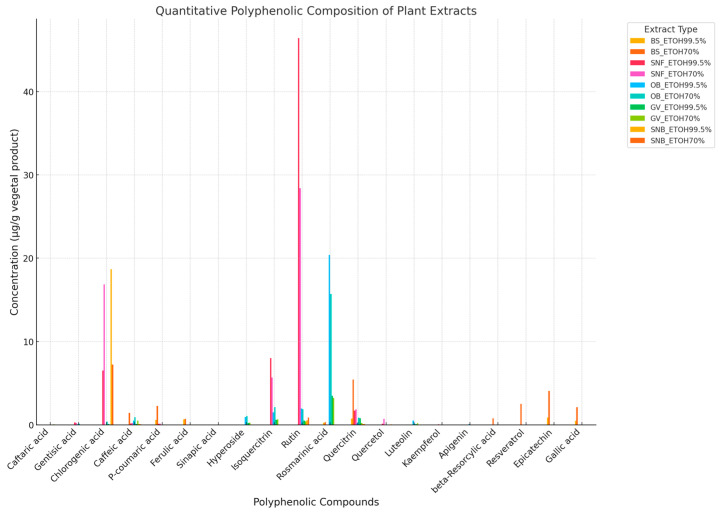 Figure 1
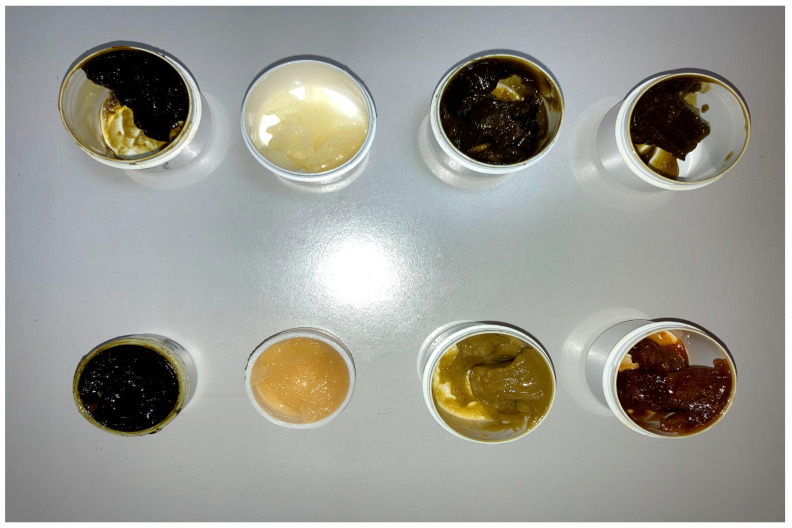 Figure 2
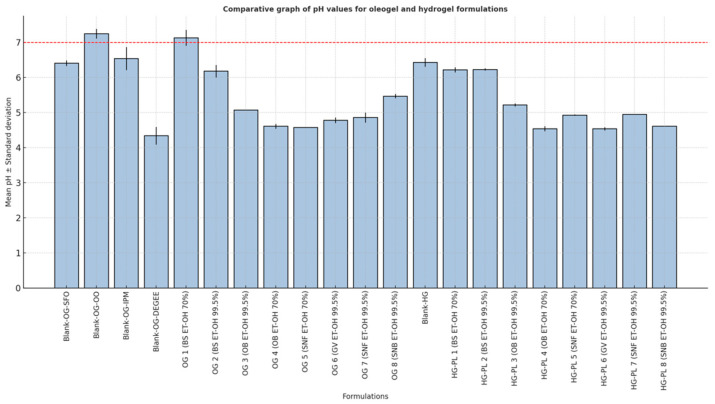 Figure 3
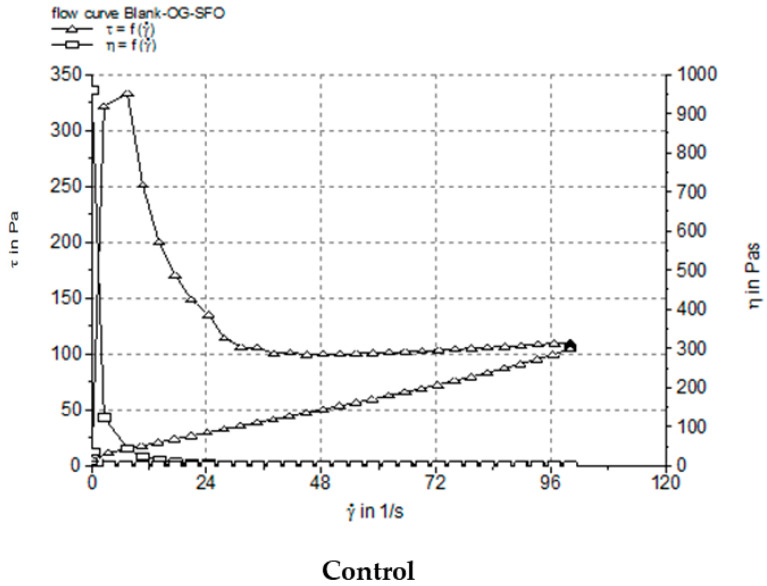 Figure 4
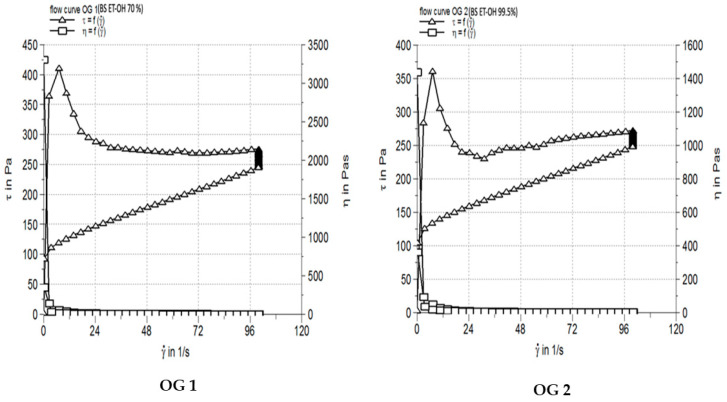 Figure 5
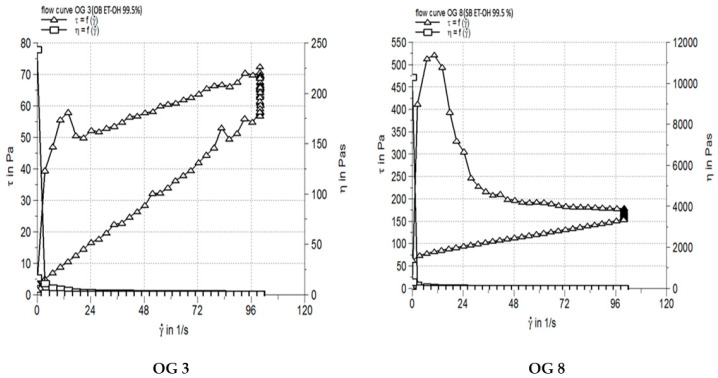 Figure 6
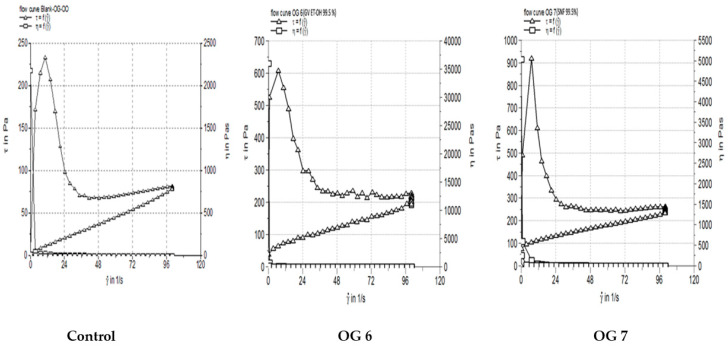 Figure 7
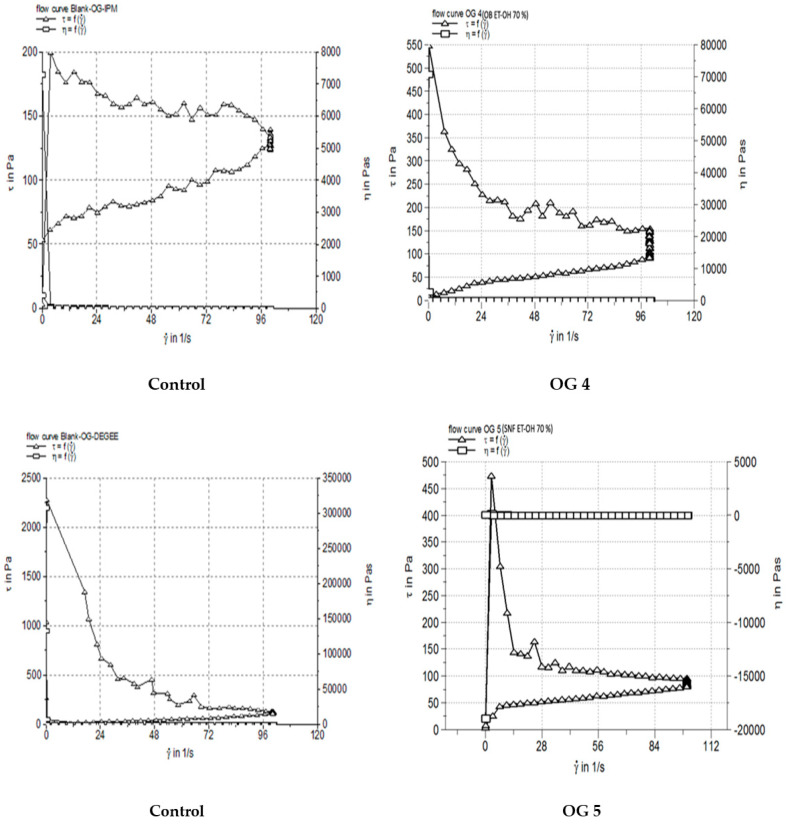 Figure 8
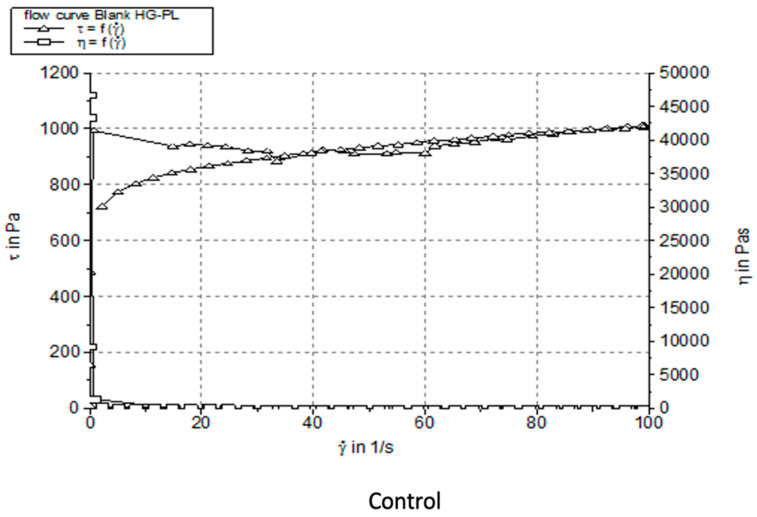 Figure 9
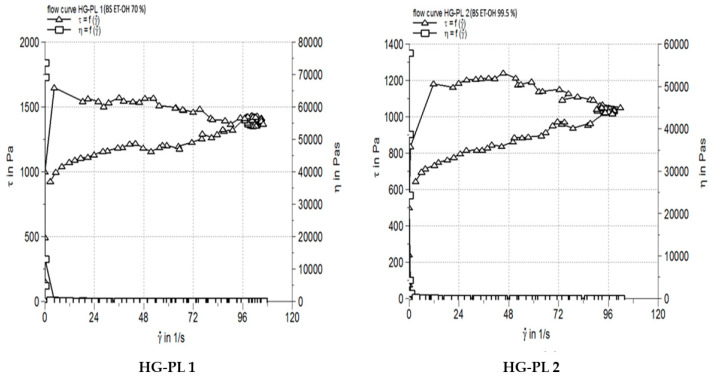 Figure 10
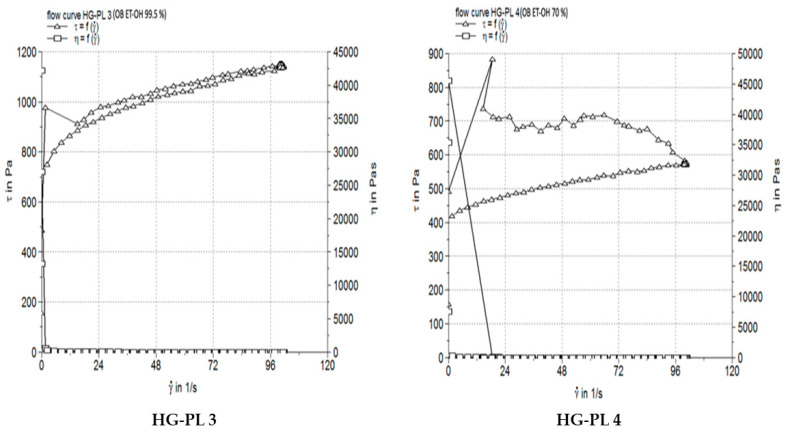 Figure 11
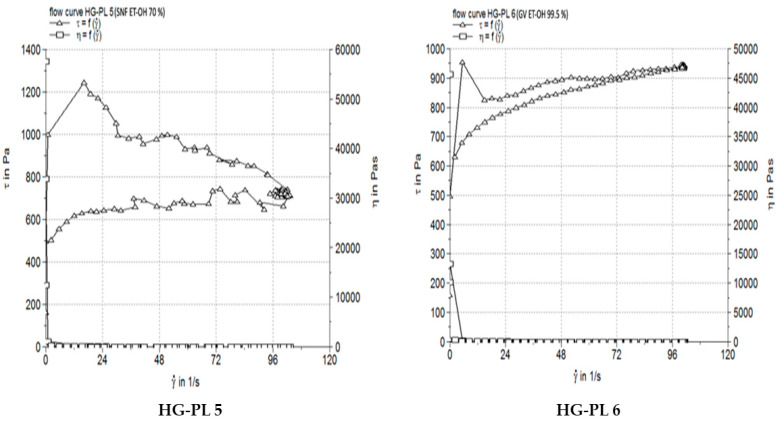 Figure 12
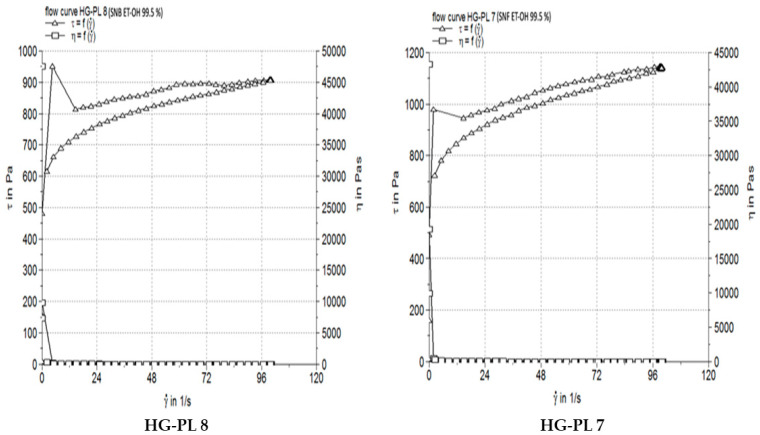 Figure 13
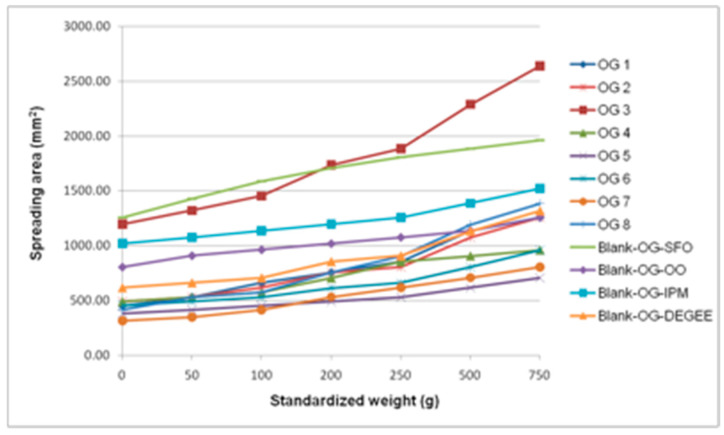 Figure 14
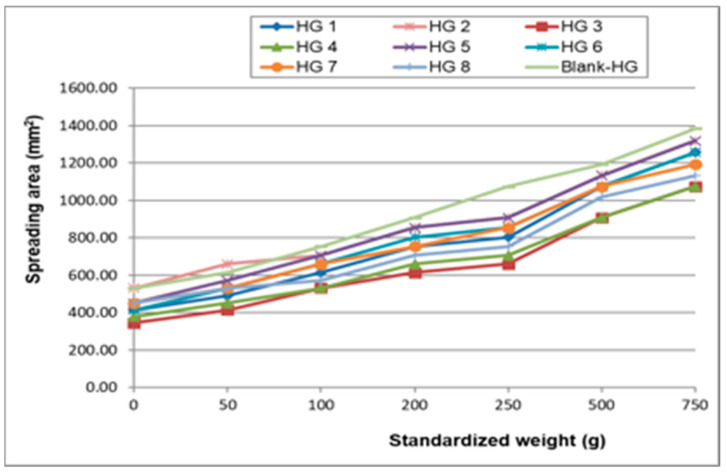 Figure 15
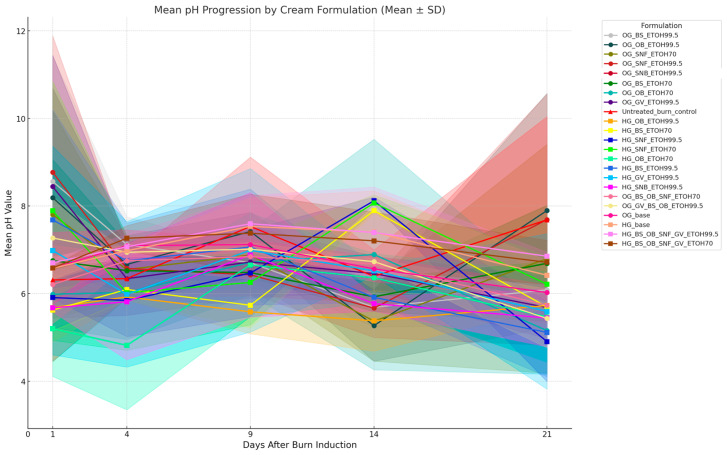 Figure 16
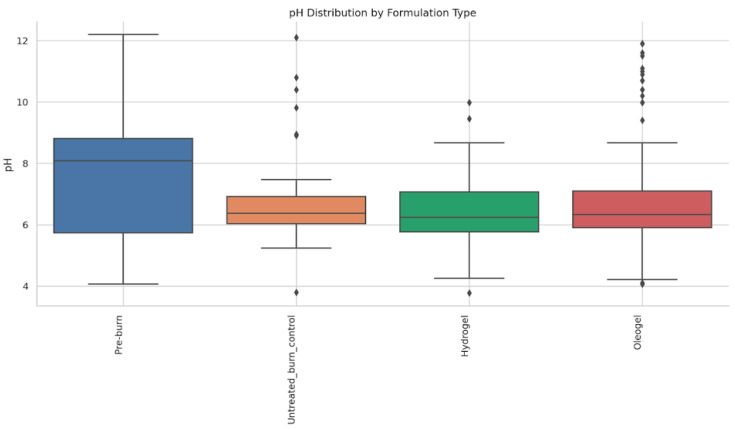 Figure 17
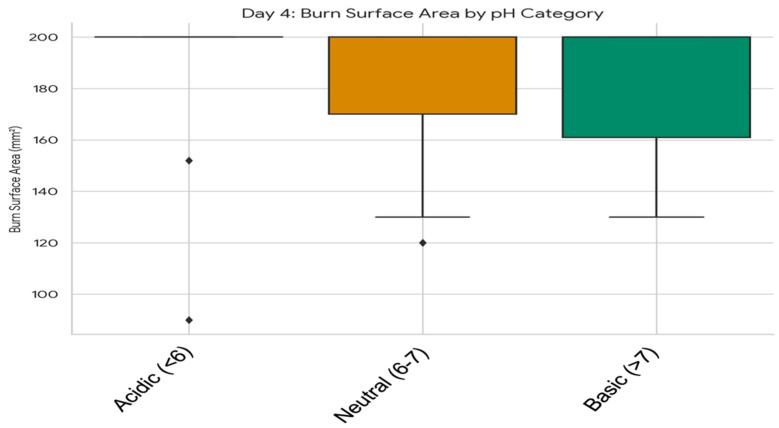 Figure 18
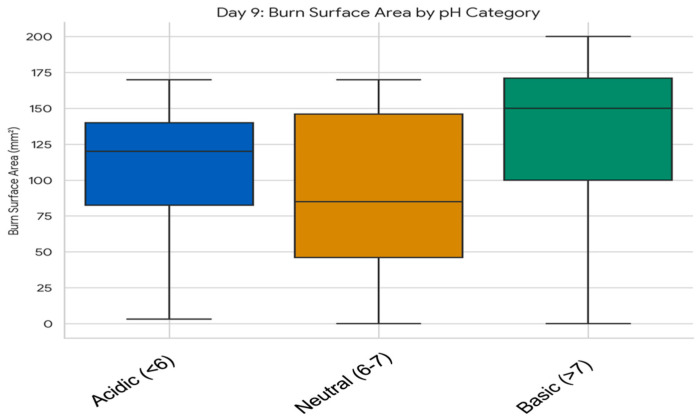 Figure 19
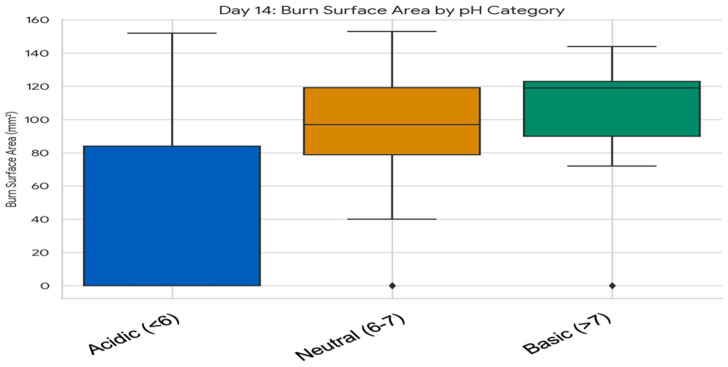 Figure 20
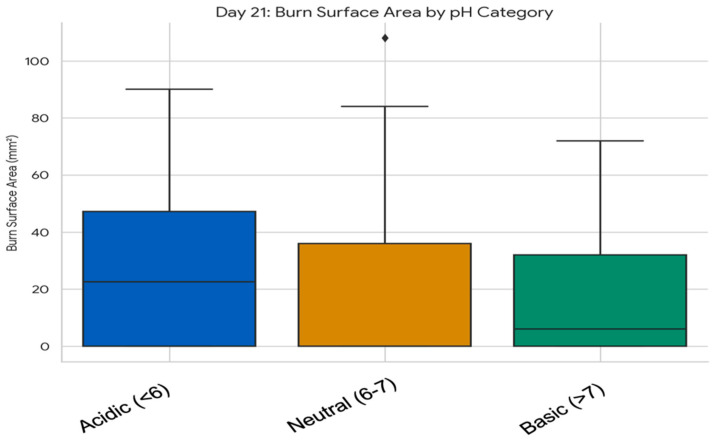 Figure 21
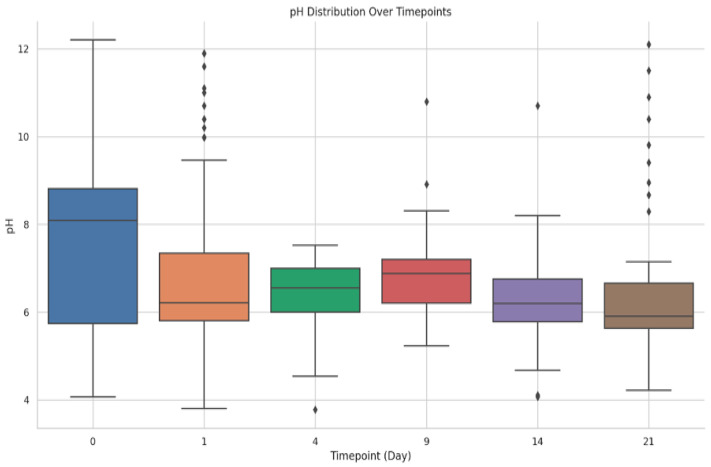 Figure 22
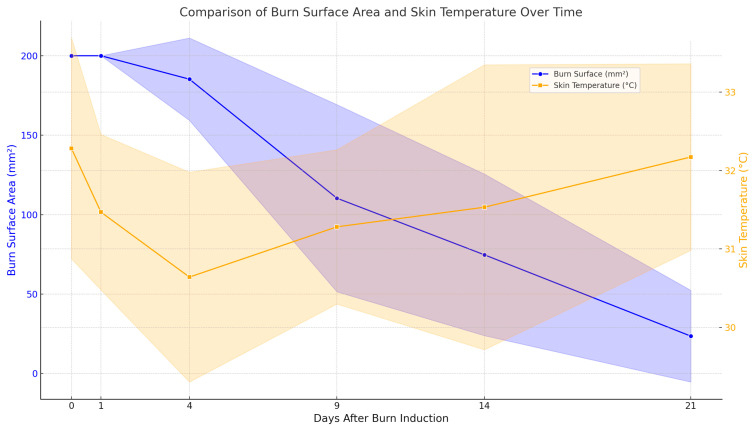 Figure 23
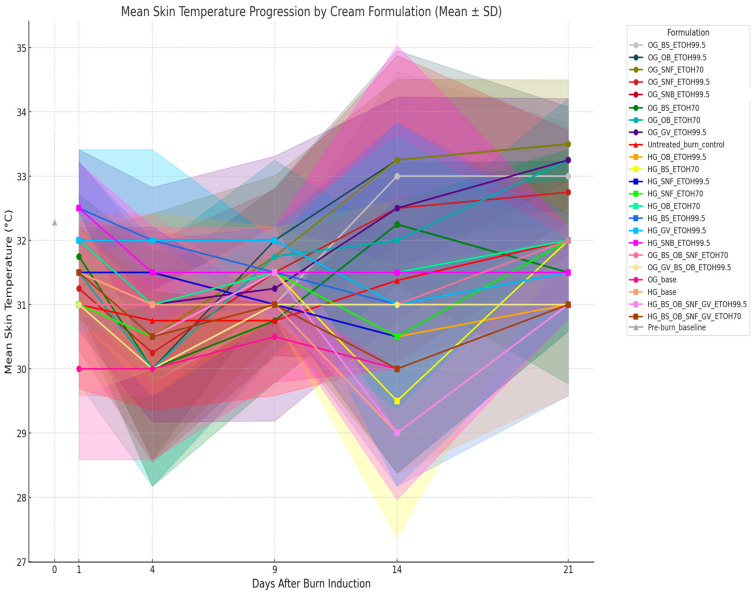 Figure 24
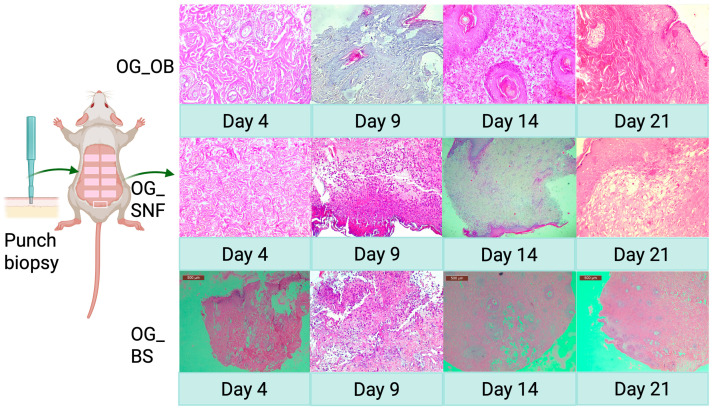 Figure 25
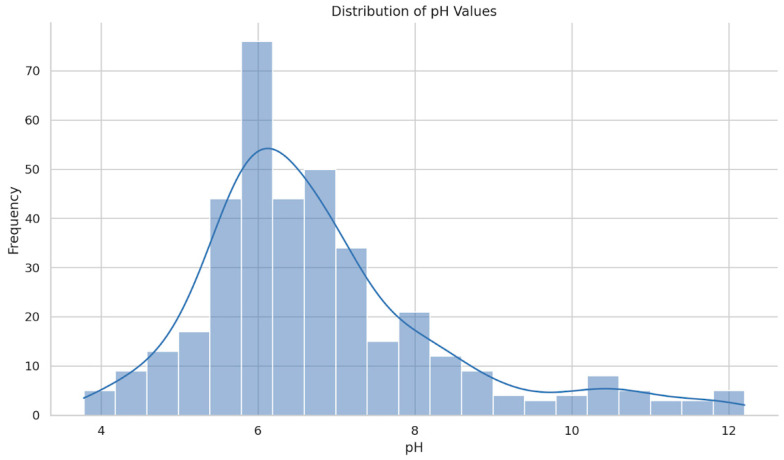 Figure 26
Peer Reviews
No public reviews on file for this paper yet. If you reviewed it on a platform where reviews are public (OpenReview, ICLR, NeurIPS, ICML), you can paste yours below so the community can read it here.
Videos
No videos yet. Explain this paper in a talk, walkthrough, or lecture? Add one.
Taxonomy
TopicsPharmacological Effects of Medicinal Plants · Wound Healing and Treatments · Essential Oils and Antimicrobial Activity