Potential Compounds as Inhibitors of Staphylococcal Virulence Factors Involved in the Development of Thrombosis
Anna Lichota, Krzysztof Gwozdzinski, Monika Sienkiewicz

TL;DR
This review explores how staphylococcal virulence factors contribute to thrombosis and identifies potential compounds that could inhibit these harmful effects.
Contribution
The paper provides a comprehensive overview of virulence factors in staphylococci and highlights potential inhibitors for thrombosis-related complications.
Findings
Staphylococcus aureus virulence factors disrupt immune responses and increase thrombosis risk.
Toxins and exoenzymes damage endothelial barriers, promoting thromboembolism.
Potential inhibitors of these virulence factors are discussed as therapeutic options.
Abstract
For many years, staphylococci have been detected mainly in infections of the skin and soft tissues, organs, bone inflammations, and generalized infections. Thromboembolic diseases have also become a serious plague of our times, which, as it turns out, are closely related to the toxic effects of staphylococci. Staphylococcus aureus, because of the presence of many different kinds of virulence factors, is capable of manipulating the host’s innate and adaptive immune responses. These include toxins and cofactors that activate host zymogens and exoenzymes, as well as superantigens, which are highly inflammatory and cause leukocyte death. Coagulases and staphylokinases can control the host’s coagulation system. Nucleases and proteases inactivate various immune defense and surveillance proteins, including complement components, peptides and antibacterial proteins, and surface receptors that…
Genes, proteins, chemicals, diseases, species, mutations and cell lines named across the full text — each resolved to its canonical identifier and authoritative record.
Click any figure to enlarge with its caption.
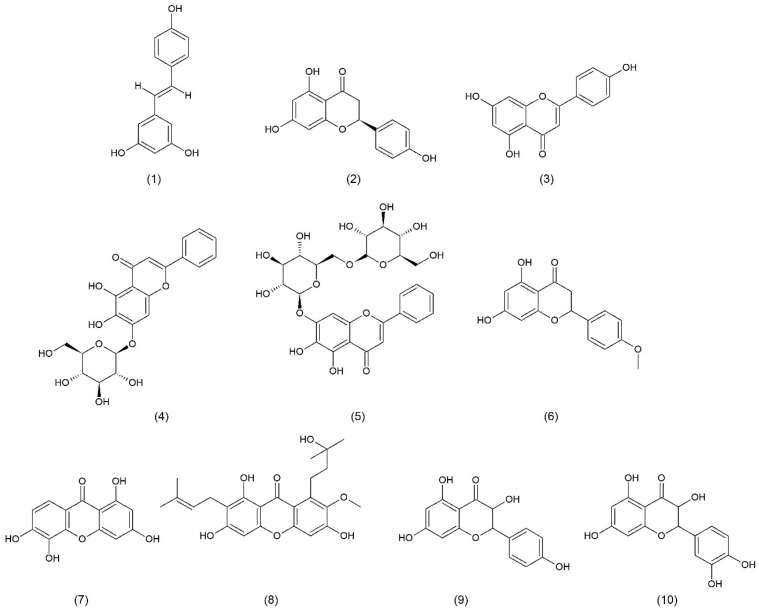 Figure 1
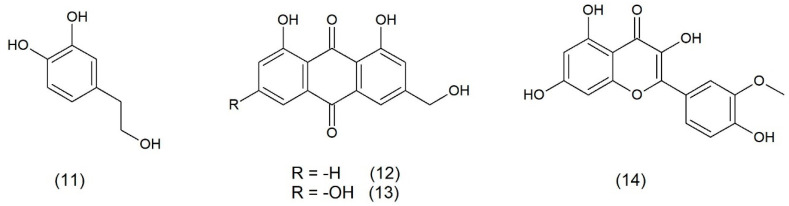 Figure 2
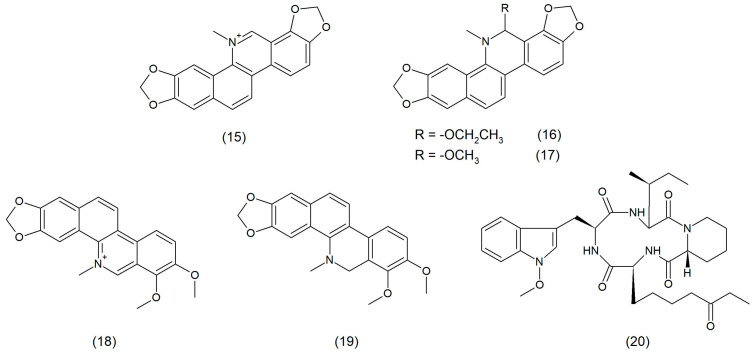 Figure 3
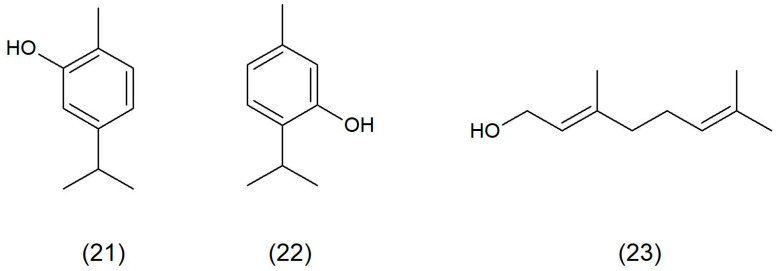 Figure 4
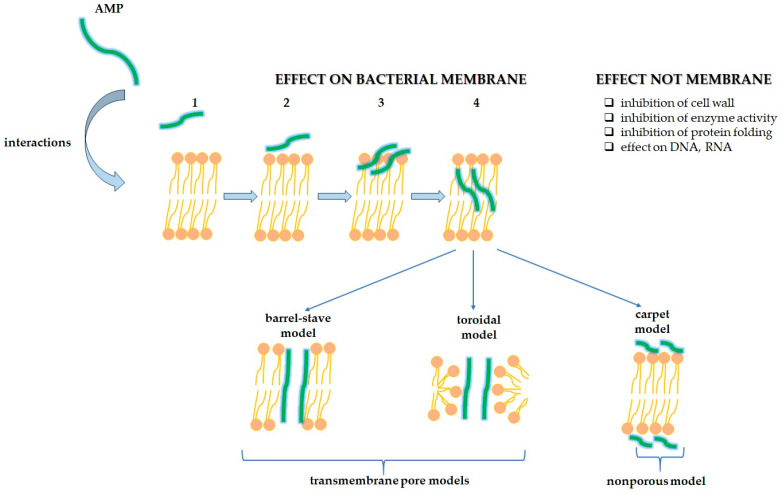 Figure 5
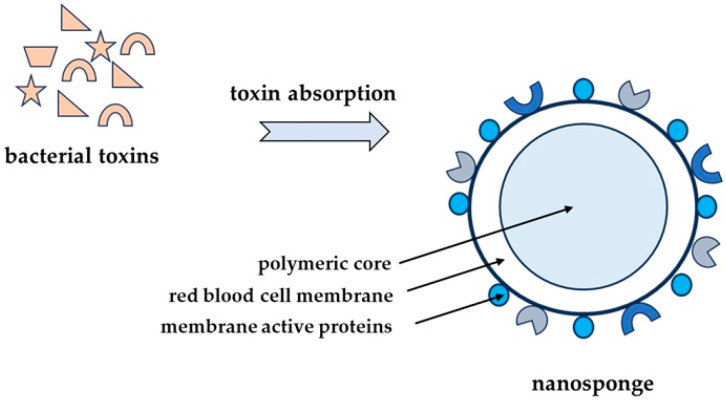 Figure 6
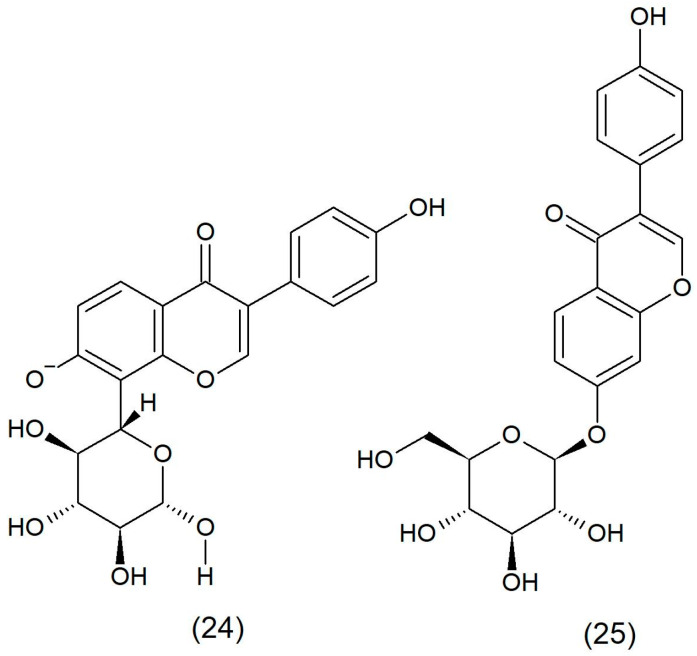 Figure 7
Peer Reviews
No public reviews on file for this paper yet. If you reviewed it on a platform where reviews are public (OpenReview, ICLR, NeurIPS, ICML), you can paste yours below so the community can read it here.
Videos
No videos yet. Explain this paper in a talk, walkthrough, or lecture? Add one.
Taxonomy
TopicsAntimicrobial Peptides and Activities · Nanoplatforms for cancer theranostics · Neutrophil, Myeloperoxidase and Oxidative Mechanisms