Valorization of Rice-Bran and Corn-Flour Hydrolysates for Optimized Polyhydroxybutyrate Biosynthesis: Statistical Process Design and Structural Verification
Gaurav Shrimali, Hardik Shah, Kashyap Thummar, Esha Rami, Rajeshkumar Chaudhari, Jens Ejbye Schmidt, Ajit Gangawane

TL;DR
This paper shows how rice-bran and corn-flour waste can be used to produce biodegradable plastic through a new bacterial process.
Contribution
A novel Bacillus strain is optimized to produce PHB from low-cost agro-industrial residues using statistical process design.
Findings
Optimized conditions increased PHB yield to 3.18 g L−1 (74% DCW) using agro-residues.
FTIR and 1H-NMR confirmed the structural integrity of the produced PHB.
The Bacillus strain shows industrial potential for bioplastic production from waste materials.
Abstract
The extensive environmental pollution caused by petroleum-based plastics highlights the urgent need for sustainable, economically viable alternatives. The practical challenge of enhancing polyhydroxybutyrate (PHB) production with cost-effective agro-industrial residues—rice-bran and corn-flour hydrolysates—has been demonstrated. Bacillus bingmayongensis GS2 was isolated from soil samples collected at the Pirana municipal landfill in Ahmedabad, India, and identified through VITEK-2 biochemical profiling and 16S rDNA sequencing (GenBank accession OQ749793). Initial screening for PHB accumulation was performed using Sudan Black B staining. Optimization via a sequential one-variable-at-a-time (OVAT) approach identified optimal cultivation conditions (36 h inoculum age, 37 °C, pH 7.0, 100 rpm agitation), resulting in a PHB yield of 2.77 g L−1 (66% DCW). Further refinement using a central…
Genes, proteins, chemicals, diseases, species, mutations and cell lines named across the full text — each resolved to its canonical identifier and authoritative record.
Click any figure to enlarge with its caption.
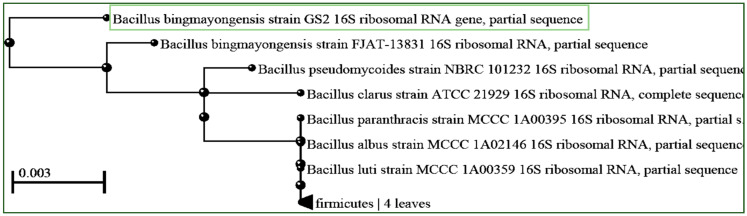 Figure 1
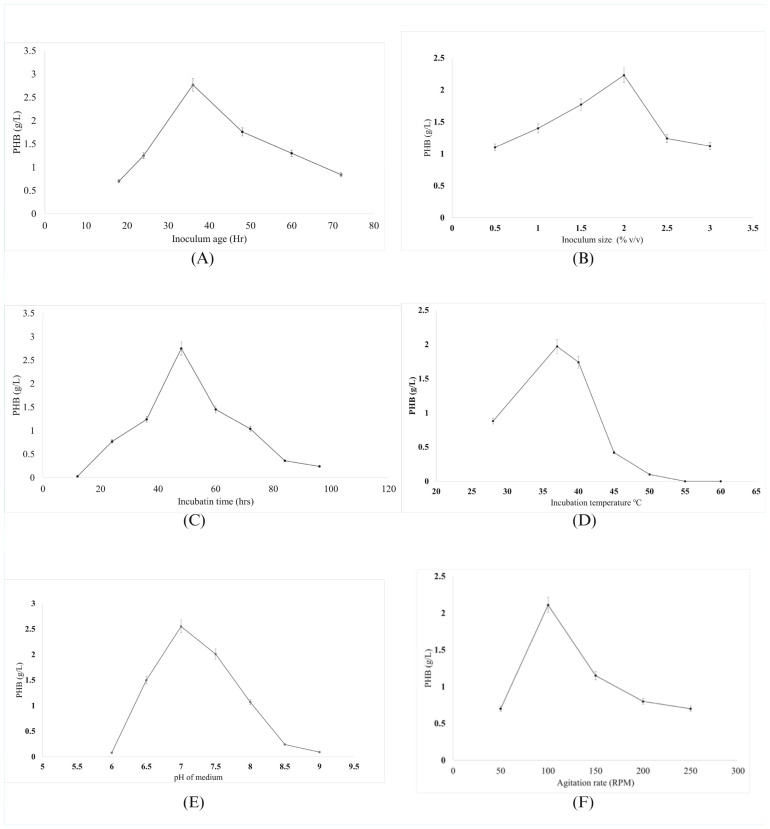 Figure 2
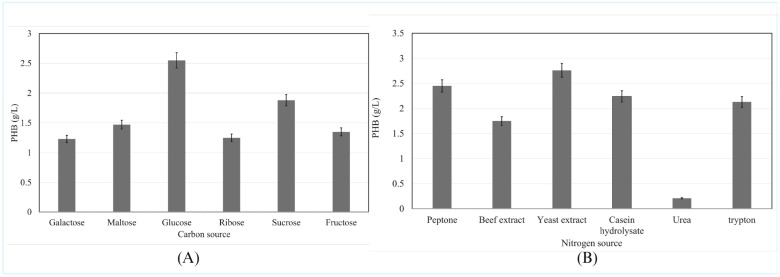 Figure 3
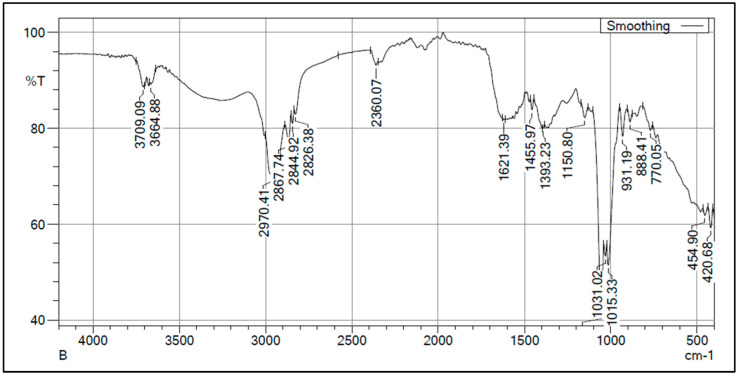 Figure 4
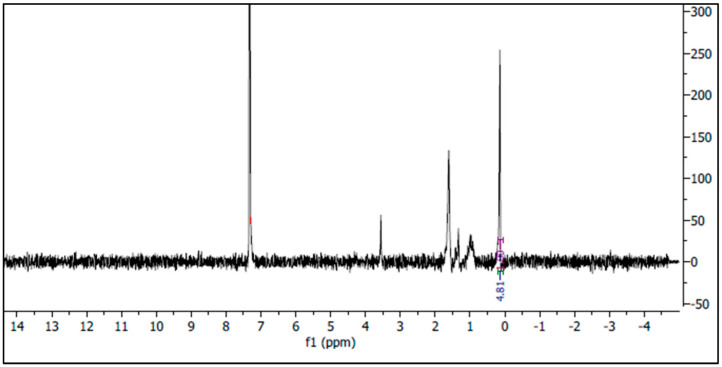 Figure 5
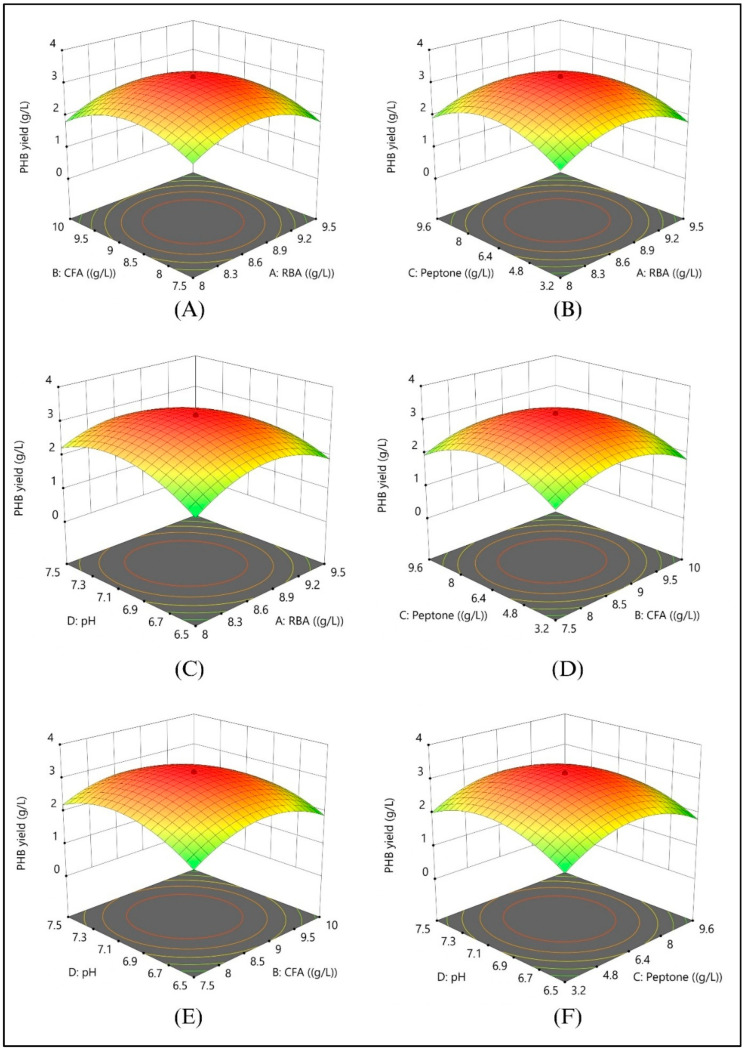 Figure 6
Peer Reviews
No public reviews on file for this paper yet. If you reviewed it on a platform where reviews are public (OpenReview, ICLR, NeurIPS, ICML), you can paste yours below so the community can read it here.
Videos
No videos yet. Explain this paper in a talk, walkthrough, or lecture? Add one.
Taxonomy
Topicsbiodegradable polymer synthesis and properties · Additive Manufacturing and 3D Printing Technologies · Microplastics and Plastic Pollution