Examining Food Sources and Their Interconnections over Time in Small Island Developing States: A Systematic Scoping Review
Anna Brugulat-Panés, Cornelia Guell, Nigel Unwin, Clara Martin-Pintado, Viliamu Iese, Eden Augustus, Louise Foley

TL;DR
This study explores diverse food sources in Small Island Developing States and their complex interconnections to address malnutrition.
Contribution
A novel classification framework and interactive evidence map for food sources in SIDS, highlighting their interrelations and complexity.
Findings
Food sources in SIDS include Aid, Buy, Grow, Share, State, and Wild, with complex interconnections.
An interactive open-access evidence map was developed to visualize these food source interconnections.
The study reveals the heterogeneity and dynamic nature of food sourcing in SIDS over time.
Abstract
Background: Small Island Developing States (SIDS) face high rates of non-communicable diseases (NCDs), and a key structural driver includes SIDS’ heavy reliance on imported food. Yet, our knowledge about food sources in SIDS is limited. Methods: We systematically searched 14 peer-reviewed databases and 17 grey literature repositories, identifying 56 articles and 96 documents concerning food sources in SIDS. Our study aimed to map these sources while considering broader societal, cultural, and environmental aspects. Results: We found high heterogeneity of food sources beyond store-bought foods, highlighting the complexity of food landscapes in this context. To explore these food sources and their interconnections, we developed a classification including Aid, Buy, Grow, Share, State and Wild food sources, and offered contextually-sensitive insights into their variety (types), extent…
Genes, proteins, chemicals, diseases, species, mutations and cell lines named across the full text — each resolved to its canonical identifier and authoritative record.
Click any figure to enlarge with its caption.
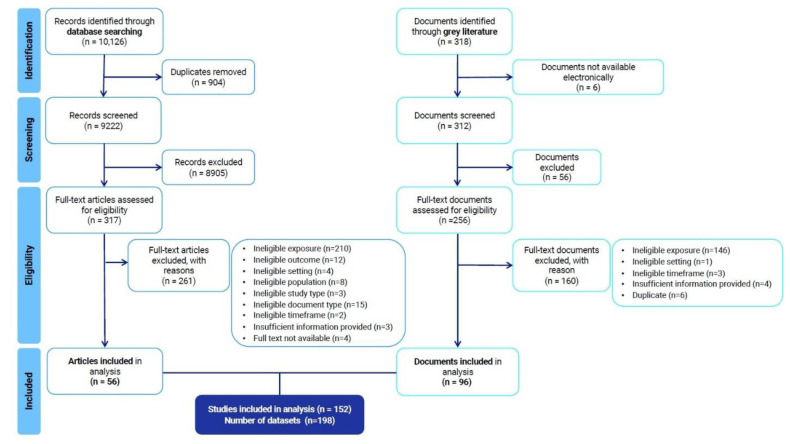 Figure 1
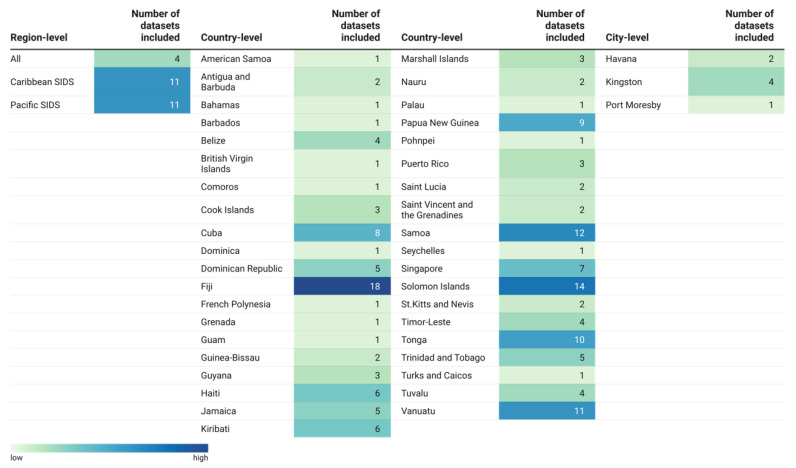 Figure 2
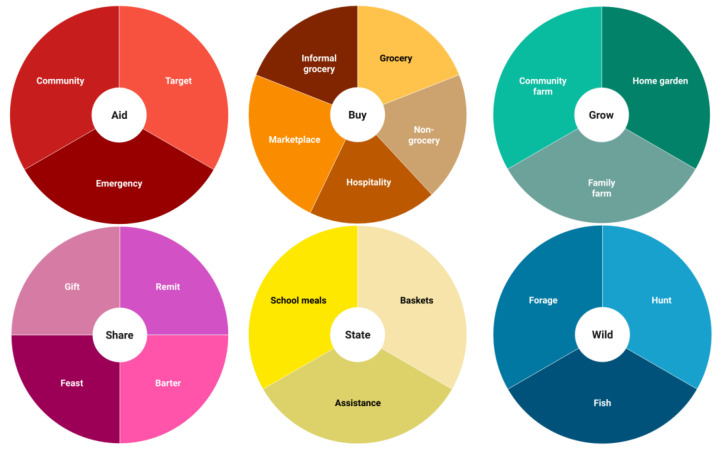 Figure 3
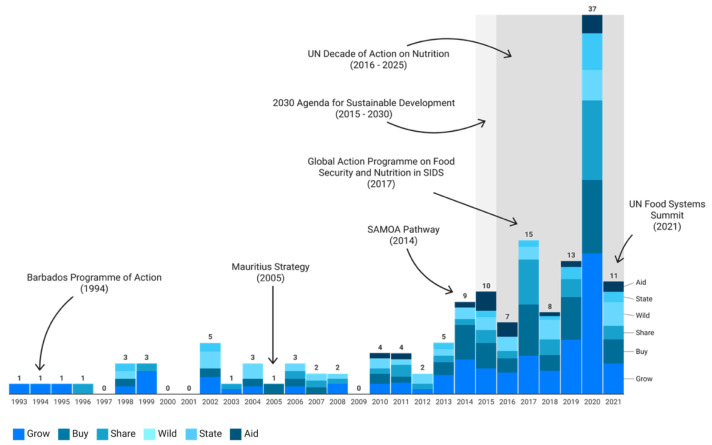 Figure 4
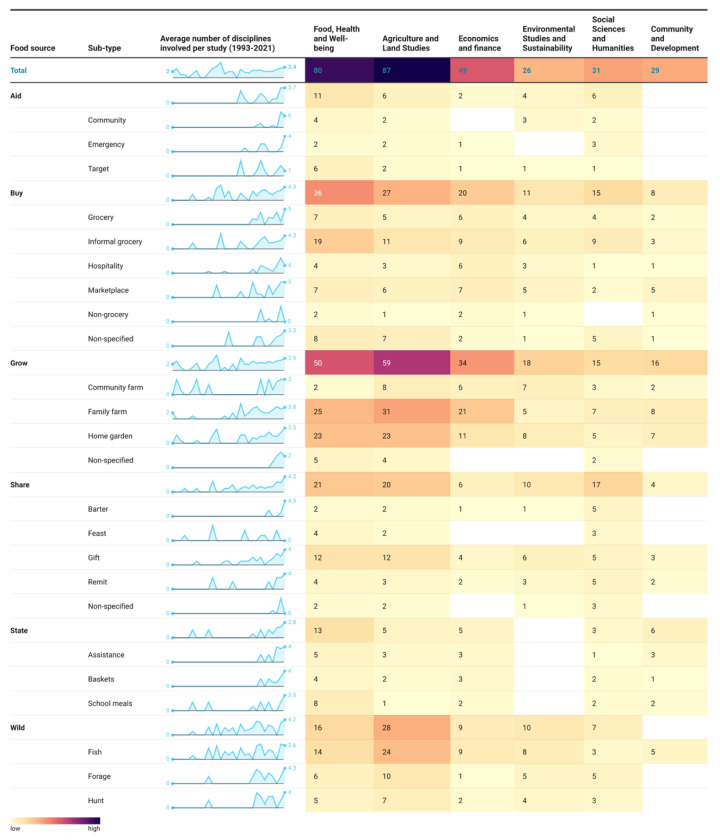 Figure 5
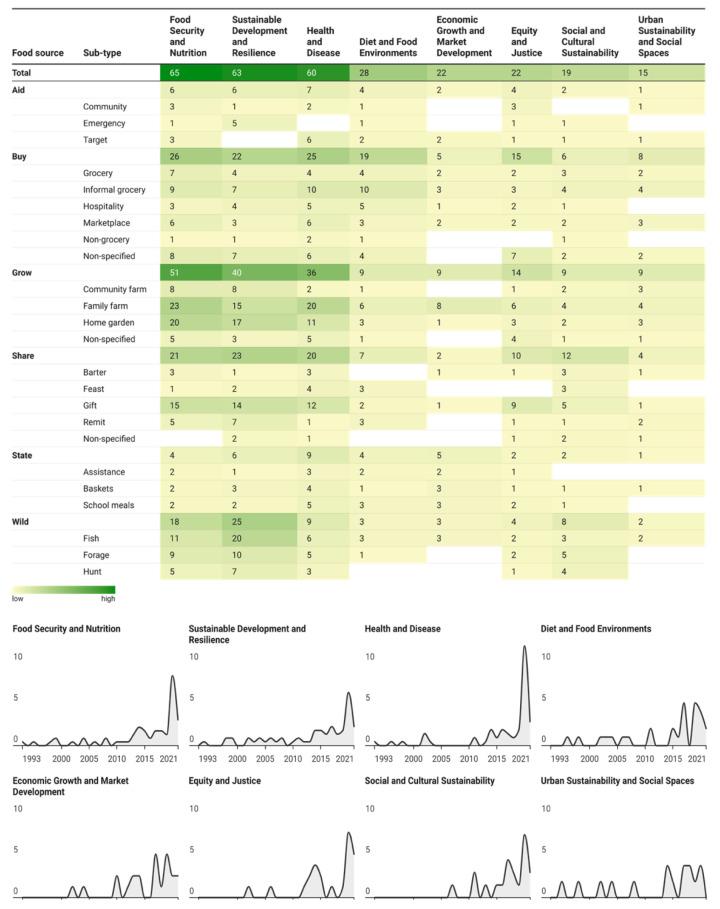 Figure 6
- —Cambridge Economic Social Research Council Doctoral Training Partnership (ESRC-DTP)
- —National Institute for Health Research (NIHR)
Peer Reviews
No public reviews on file for this paper yet. If you reviewed it on a platform where reviews are public (OpenReview, ICLR, NeurIPS, ICML), you can paste yours below so the community can read it here.
Videos
No videos yet. Explain this paper in a talk, walkthrough, or lecture? Add one.
Taxonomy
TopicsChild Nutrition and Water Access · Global Public Health Policies and Epidemiology · Energy and Environment Impacts
1. Introduction
Small Island Developing States (SIDS) are a group of 57 countries and territories worldwide, with 37 of them being recognised as United Nations (UN) Member States (https://www.un.org/ohrlls/content/about-small-island-developing-states (accessed on 14 July 2025)). SIDS have a combined population of approximately 65 million and are located in three geographical regions, the Caribbean, the Pacific, and the Atlantic, Indian Ocean and South China Sea (AIS) (https://sdgs.un.org/topics/small-island-developing-states#list_of_sids (accessed on 14 July 2025)). As observed in the previous literature [1], SIDS are a varied group that does not fit neatly into one category. Despite their differences, the UN recognises them as an important collective due to their shared characteristics, and SIDS governments use the designation to present a unified voice and amplify their influence in addressing critical issues within the UN system.
SIDS share complex health challenges related to nutrition and food security, undergoing a rapid nutrition transition characterised by a progressive shift towards inadequate availability and access to local and healthy food [2]. This shift promotes diets that are increasingly dominated by processed imported foods, typically micronutrient-poor, and high in sugar, salt, and fats. Consequently, SIDS have some of the world’s highest rates of non-communicable diseases (NCDs) [3]. Coupled with high rates of type 2 diabetes and obesity, many SIDS also experience high levels of childhood stunting and micronutrient deficiencies, causing a substantial burden of diet-related conditions [2]. For example, eleven Caribbean SIDS have obesity rates above 30 per cent among adult women [4], while seven of the world’s top ten countries for diabetes prevalence are Pacific SIDS [5]. Child stunting rates exceed 20 per cent in several SIDS including Papua New Guinea (49.5%), Solomon Islands (32.8%), Vanuatu (28.5%), Nauru (24%), Guinea-Bissau (27.6%) and Haiti (21.9%) [4] while SIDS with a high prevalence of anaemia in women of reproductive age include Sao Tomé e Príncipe (42.7%) and Guinea-Bissau (44.6%) [4]. Although these malnutrition challenges may vary from island to island, these are issues of common concern. Some of the major factors driving these shared issues are structural constraints, climate change, profound changes in food systems associated with globalisation and market liberalisation agreements, and inadequate local agriculture systems shaped by legacies of colonialism [6].
Understanding foodscapes, the spaces that shape how people access and consume food, is crucial for addressing nutrition and health-related challenges. As a result, researchers in these fields are increasingly focusing their attention on these spaces, which are recognised as complex and context-specific [7,8]. They can encompass a wide range of food sources, be influenced by both external factors and individual preferences, and have characteristics that vary from place to place [9]. However, research specifically examining food sources in the context of SIDS remains limited. Similarly, we suggest that exploring the connections between food sourcing and food consumption is crucial for understanding dietary patterns in this context. Reflecting on the implications of these food pathways—such as acknowledging that what is grown or bought may not always be consumed by the same individual—is essential. Given the dynamic nature of foodscapes and the rapid changes associated with globalisation, studying these dynamics over time through a transitioning lens is important.
In this study, we systematically reviewed the peer-reviewed and grey literature to identify, explore and map existing food sources and their interconnections in SIDS. Our aim was to provide contextual details of these food sources, exploring their links with broader social, cultural, economic, and environmental dimensions, and focusing on their changes over time. We analysed the geographical representation and conceptualisation of the existing evidence to highlight research gaps. Finally, we discussed key elements for future research, policy, and practice on leverage points for better diets, health and food sovereignty.
The overarching research question was: What are the existing sources of food for consumption in SIDS in terms of their variety, extent, and nature?
To examine this, we set out the following set of specific research questions:
- where is the existing evidence drawn from?
- what are the links between food sources and health and nutrition, and with broader aspects such as social, cultural, economic, and environmental dimensions?
- what are their changes over time and across generations?
- what are the interconnections between these food sources?
- what is the extent of the existing evidence, and how has it been conceptualised?
2. Methods
We used a systematic scoping review method to identify a wide range of literature related to food sources in SIDS. We followed the PRISMA Extension for Scoping Reviews guidelines [10] and developed a study protocol, which was registered in OpenScience Framework (https://doi.org/10.17605/OSF.IO/7ME4R) to ensure transparency and reduce duplication of work.
Our review included both peer-reviewed and grey literature. In parallel to this study, we conducted a separate analysis about the value of adding grey literature in evidence synthesis and its contribution to equity-driven global health research. Further detailed methodological descriptions and findings concerning grey literature can be found in previous publications [11,12].
2.1. Search Strategy
We searched across 14 peer-reviewed databases (Medline, Embase, CINAHL, PsycInfo, Global Health, Web of Science, Scopus, Assia, Econlit, PubAg, WPRIM, LILACS, MedCarib, SciELO) and 17 grey literature repositories and websites (PAHO IRIS, WHO IRIS, FAO, AGRIS, WFP, IFAD, UNICEF, UNOPS, UNOHRLLS, Hungry Cities Partnership, Resource Centres on Urban Agriculture and Food Security (RUAF), International Institute for Environment and Development (IIED), ShareCity database, Caribbean Agribusiness, The Pacific Community (SPC), The Caribbean Public Health Agency (CARPHA), and The Conversation) to cover a wide range of academic disciplines and geographical areas.
We tailored search strategies for each data source using terms related to ‘food sources’ and ‘SIDS’ (including as search terms the names of all SIDS as listed by the UN in https://sdgs.un.org/topics/small-island-developing-states#list_of_sids (accessed 14 July 2025)). These terms were informed by earlier research in similar areas [13,14] and in consultation with key experts from the review team (see Supplementary Materials for full search strategies). We piloted a subset of studies retrieved from initial search strategies and applied further refinements after evaluation of their relevancy (see Supplementary Materials for refinements in eligibility criteria). We included studies published from January 1992 up to June 2021, and we did not apply restrictions in language or study type. Our data range is due to major impacts in global food systems since the World Trade Organisation (WTO) agreements [15]. We conducted all searches between 11 and 25 June 2021.
2.2. Screening
We used EndNote and on-screen manual review to remove duplicates in the peer-reviewed and grey literature, respectively. We used COVIDENCE (https://www.covidence.org) and Microsoft Excel for study screening of the peer-reviewed and grey literature, respectively. For both datasets, we piloted a random sample of references at each screening stage until reviewers reached a consensus agreement of at least 90 per cent on eligibility criteria. Then, two independent researchers from the review team double-screened all titles, abstracts, and full texts. Any disagreements were resolved by another member of the team acting as an arbiter.
2.3. Data Charting
We developed a data charting form and a list of hypothesised categories following an inductive approach. We piloted the form with a random sample of included studies and refined it accordingly. The refined form included categories covering details on study conceptualisation, design, and approach, as well as comprehensive details on food source characteristics (see Supplementary Materials for the full charting form and guiding notes). One reviewer charted all data, with 10 per cent of the studies double charted in only selected fields by a second reviewer.
2.4. Analysis
We used Microsoft Excel and Datawrapper (https://www.datawrapper.de) to describe the included evidence with a series of figures illustrating the geographical expansion, the overall number of papers published by year and types of food sources assessed, and the sectors and conceptual frames involved in the studies by food source types and sub-types over time. Our eligible dataset included studies reporting both qualitative and quantitative data. Given the heterogeneity of the evidence in terms of design and methodology, we used narrative synthesis to integrate the charted data and propose our classification of food sources in SIDS. We described the nature, extent and function of each food source and their changes over time, and mapped their interconnections using the visualisation platform for mapping systems, Kumu (https://kumu.io). Changes over time were assessed by analysing the extracted data from each study, synthesising reflections provided by authors within the discussion sections of included studies, as well as any historical perspectives that offered insights into evolving trends. It is important to note that our approach did not involve assessing changes over time through longitudinal studies or comparing results across different publication years. Instead, we compiled and synthesised the authors’ reflections on trends or transitions observed for each food source.
3. Results
We screened 10,126 records from database searching and 318 documents from grey literature searching, of which 56 articles and 96 documents met our inclusion criteria and have been included in the analysis (Figure 1). From the 152 studies included, we yielded 198 data units, as some studies were multi-country studies.
3.1. Geographic Coverage of Evidence
This section addresses the first research question: where is the existing evidence drawn from?
The included evidence represented a wide geographical breadth, with studies conducted across 39 countries spanning all three SIDS geographical regions. The datasets predominantly centred around individual countries (83%), while a fraction of them adopted a broader regional perspective (13%), and a smaller number focused on cities (4%). Countries in the Pacific region (21 SIDS in total) accounted for the largest proportion of datasets (51%), followed by countries in the Caribbean region (29 SIDS; 27%). Furthermore, 6% of the datasets were drawn from countries in the AIS region, the region with the SIDS countries (nine SIDS) (Figure 2).
3.2. Our Proposed Classification of Food Sources Based on Evidence
This section addresses the second research question: what are the links between food sources and health and nutrition, and with broader aspects such as social, cultural, economic, and environmental dimensions?
For every dataset, we extracted contextual details of the identified food sources. These details included information on their nature, scale of use, role, the population groups relevant to them, and the foods involved (see Supplementary Materials for full descriptions of food sources). The analysis of the data extracted, alongside building on an existing food source categorisation previously used for the Community Food and Health (CFaH) project [13], led us to develop a comprehensive classification of food sources in SIDS (Figure 3).
We reported summary descriptions for each food source in Table 1, highlighting the most common characteristics observed across the evidence reviewed. Full descriptions for each food source, including context-specific details, are provided in the Supplementary Materials.
3.3. Changes in Food Sources over Time and Between Generations
This section addresses the third research question: what are their changes over time and across generations?
Evidence from Haiti, Fiji and Vanuatu described a gradual shift in food preferences and habits from reliance on local foods to increased consumption of imported rice and store-bought food items, attributed to prolonged food aid provision [16,18,20,26]. This transition was reported to lead to notable transformations in dietary patterns over time and across generations [16,17,18]. Evidence from Vanuatu attributed the extended provision of food aid, particularly emergency aid, to the lengthy periods required for local crops to recover after disasters, such as droughts, with yam yields often needing 1–2 years to reach pre-drought levels [18]. Other evidence from Vanuatu, looking at food aid, highlighted the more frequent and severe climate events over the years in this region [17], which could also explain the reported prolonged aid in this setting.
Similarly, evidence from the Caribbean and Pacific regions reported that over time, grocery sources have increasingly replaced informal grocery sources and marketplaces, influencing population consumption patterns and posing challenges for smallholder producers [31,32]. This change was reported to raise concerns about the nutritional quality and sustainability of diets [36,43,45,110]. However, evidence from communities in the Dominican Republic and Fiji reported a persisting preference for marketplaces, especially when the socio-cultural benefits of these spaces were considered, and when specific fresh products such as fresh fruit, vegetables, and certain meats were bought [35,44]. In Singapore, younger generations were shown to have a preference for the convenience and variety offered by hospitality sources such as fast-food chains from the USA and Europe, which were considered fashionable, reflecting broader cultural transitions towards fast-food consumption [68,75].
Evidence from Solomon Islands, Fiji and Vanuatu noted that shifts in economic structures, such as the move towards cash-based economies, have influenced food sourcing practices from wild or own-grown food sources to a reliance on purchased food sources, particularly grocery stores and in urban areas [18,35,114]. As seen in evidence from the Caribbean region, several Pacific countries and the Seychelles, climate change was reported to have intensified this shift; rising temperatures and water scarcity discouraged food cultivation, affecting local production [18,43,61,77,97,109,110,114,119]. Additionally, socio-political factors and globalisation were reported to have increased availability and reliance on imported rice and staples, leading to a decline in cultivating traditional crops, particularly among younger generations, as imported goods dominate local markets [18,32,37,39,43,79,80,83,102,109,110]. Urbanisation, tourism growth, and land development were reported to have further reduced available land for gardening and farming, worsening its decline [18,110].
Most of SIDS’ cultures were described as communal, with the sharing of work and food having a central role. Food sharing was broadly reported as a type of social safety net, ensuring community well-being in the Caribbean and Pacific regions and Singapore [16,18,26,27,28,30,33,43,44,50,58,63,80,106,111,125,134,137,143,145,146]. However, a shift from communal support towards individualism was also noticed by the evidence reviewed [18,27,28,134,137,138,166]. This shift was described as a threat to the communal use and sharing of natural resources, such as marine resources. For example, factors such as easier access to fishing grounds and markets, evolving fishing techniques, and the necessity for fishermen to earn income were reported to have contributed to this shift towards individualistic approaches in the Pacific region [134,137]. In Tonga, improvements in transportation and storage were reported to have allowed fishermen to work and access resources more independently [137]. Foreign aid projects aiming to strengthen market structures were reported to have further reduced communities’ reliance on communal support [137]. Other factors, such as social changes in family structures, were reported to have made food sharing less important [18,138], although one example from Fiji reported a resurgence of a sense of “togetherness” due to the COVID-19 pandemic [27]. Climate extremes and reliance on imported foods were reported to have altered the type of local foods shared during feasting in Guam, Fiji and Vanuatu [18,146,147].
As seen in evidence from countries in the Caribbean and Pacific regions, state food sources were reported to have undergone significant transformations over time, adapting to evolving societal needs and challenges. Described as initially aimed to address immediate hunger and poverty, these programs were reported to have evolved into more integral components of broader social safety nets, improving universal access to food, education and promoting well-being [28,41,53,56,59,60,117,148,149,150,151,152,153,154,155,156]. Despite their importance, some programs in Cuba, the Dominican Republic and Haiti were reported to lack clear legal frameworks, leading to coordination challenges with other support initiatives [148]. Furthermore, the increase in population was reported to add pressure on resources, requiring larger programme capacity to properly assist vulnerable populations in Guyana [151].
In the Pacific region, wild food sources were reported to retain their significance in rural areas, but a shift towards monetisation has led to trading them for cash. This shift was reported to result in changes in the distribution of wild foods and the involvement of intermediaries, causing competition and overexploitation [43,54,114,137,161,164]. The importance of being near wild food sources in rural communities was described as changing, reflecting the value of people’s time [18]. For example, the importance of being close to wild foods was not solely about sourcing food, but also about showing social status [18,130]. Similarly, in urban areas in Jamaica, the availability of imported food as substitutes for traditional foods was reported to lead to a decline in the collection and consumption of wild foods, resulting in social stigma associated with collecting wild foods, and higher socioeconomic status associated with the ability to buy imported food items [128]. Despite the reported decline in the collection of wild foods, adolescents and children in Solomon Islands were reported to show a strong interest in preserving traditional practices such as fishing and collecting wild foods [36], while women in Fiji were described as expanding their roles in fishing over time, targeting a wider range of habitats and a greater diversity [160]. Recently, the COVID-19 pandemic was reported to have prompted households to rely more on nearby rivers, the sea, and wild forest harvests for their food supply in these two settings [30].
3.4. Interconnections Between Food Sources
This section addresses the fourth research question: what are the interconnections between these food sources?
We noted the various ways in which food sources are described as overlapping and intersecting with each other. These interconnections showed the complexities of food sources and the importance of considering social, cultural, and economic factors in understanding food dynamics in SIDS. We have highlighted some examples of these interconnections and their implications in Table 2 in this article. Additionally, we have visually represented all identified interconnections in an interactive open-access evidence map: https://embed.kumu.io/1d0cb948312229153482dfebe0c7df30 (accessed 14 July 2025). Within this map, each connection between food sources is supported by excerpts from the reviewed literature, accessible by clicking on the connecting arrows.
3.5. Extent of the Evidence
This section addresses the fifth research question: what is the extent of the existing evidence, and how has it been conceptualised?
The number of studies reporting any measure of food source that met our eligibility criteria has increased over time, with none or 1 study published each year from 1993 to 1997, 4 studies in 2010, 10 studies in 2015, and 37 studies in 2020 (Figure 4). The increasing pattern of studies over time may reflect a growing emphasis on food issues and on SIDS following the launch of the most important UN milestones in these fields (Figure 4). Overall, the most reported food source type was Grow (33% of all types mentioned), followed by Buy (23%), Share (17%), and Wild (15%). Only 6 per cent of the reported food source types were State and Aid, each.
3.6. Conceptualisation of the Evidence
This section addresses the fifth research question: what is the extent of the existing evidence, and how has it been conceptualised?
The average number of different disciplines involved in each study has increased over time, with an average of 2 disciplines in 1993 compared to an average of 3.4 observed in 2021 (Figure 5). This trend suggests a growing inclination towards interdisciplinary and multisectoral research in recent years, particularly evident in peer-reviewed publications. Regarding the extent to which each discipline was represented in the studies, agriculture and land studies featured most prominently, represented in 57 per cent of the studies, followed closely by food, health, and well-being at 53 per cent. However, the latter category was more featured than the former in studies focusing on Aid, Buy and State. Economics and finance were involved in 32 per cent of the studies, while environmental studies and sustainability, social sciences and humanities, and community and development disciplines were represented to varying degrees at 17 per cent, 20 per cent, and 19 per cent, respectively.
We found that 43 per cent of the studies framed their research around food and nutrition security, 41 per cent on sustainable development and resilience, and 40 per cent on health and disease. Around 18 per cent of the studies centred their research within the context of diet and food environments, 15 per cent focused on equity and justice issues, and another 15 per cent on economic growth and market development. Furthermore, 13 per cent of all studies explored themes of social and cultural sustainability, and 10 per cent framed it around urban sustainability and social spaces (Figure 6).
4. Discussion
4.1. Summary of Evidence
We systematically reviewed a wide range of peer-reviewed and grey literature and identified 152 studies (198 data units) reporting food sources in SIDS (Figure 1). We described the geographical areas from which existing evidence was drawn (Figure 2) and explored the extent (Figure 4) and conceptualisation of this evidence over time (Figure 5 and Figure 6). The geographical coverage of the literature is broad, but more evidence from the Caribbean and AIS countries could support decision-making on food sources in these regions. Multidisciplinary research has increased over time, but there is a notable lack of environmental and sustainability disciplines involved in the literature, which is concerning given the context of climate change. Nearly half of the studies framed their research around food and health issues (43% and 40%, respectively), with less evidence framed around broader aspects. Future work could incorporate alternative frames to ensure a more comprehensive approach is taken to address SIDS challenges.
We proposed a classification of food sources specific for the SIDS context (Figure 3) and, for each, described the variety (types), extent (relevance), nature (characteristics) and changes over time. There is a high heterogeneity of food sources existing in SIDS that fulfil important roles beyond nutrition and are particularly important for vulnerable groups. Future work focusing on less-reported food sources such as Share (food exchanges), State (government-funded) and Aid (foreign-funded) is needed to fully understand their functioning while contributing to reducing inequities in SIDS. Although data from the AIS region was limited, we still found studies from this region that covered all identified food source categories, supporting the broader applicability of our classification. Future research could enrich and refine this classification as more evidence emerges, particularly from underrepresented SIDS regions. We developed an interactive open-access evidence map that outlined the interconnections between food sources following our proposed classification. There are numerous interrelations between food sources, showing that pathways from sourcing to consumption can be unexpected and complex. It is important that future work recognises these connections to better understand dietary patterns in SIDS and effectively address nutrition and health-related challenges.
4.2. Strengths and Limitations
We included both peer-reviewed and ‘grey literature’, defined here as not controlled by commercial publishers. Incorporating grey literature posed conceptual and practical challenges related to searching, reporting, and analysis. While we acknowledge these limitations, we aimed to search for them as thoroughly and systematically as possible to draw in additional local perspectives and build a fuller understanding of the topic. We also highlight that grey literature sources can vary widely in purpose, scope, and reporting standards, which introduces additional complexity in our analysis. This could have influenced, for example, our assessment of how the existing evidence has been conceptualised across disciplines and thematic framings (our fifth research question), as these may reflect the priorities and perspectives of the organisations producing the grey literature. Nevertheless, its inclusion added important new understanding to our review and increased the representation of local expertise. We shared the methodological details (Supplementary materials and [11,12]) to support future researchers aiming to incorporate this body of literature in their reviews. We included a wide range of disciplines and types of evidence, which posed challenges to the inclusion and analysis of highly heterogeneous data. To make it manageable, we iteratively refined our eligibility criteria in discussion with the review team, acknowledging the iterative nature of the systematic scoping review method [173]. While we did not critically appraise the quality of included studies, this aligns with the selected scoping method, which is intended to summarise the current landscape and guide future systematic reviews and meta-analyses. Our approach to grouping disciplines and framing of evidence into categories was guided by thematic similarities observed in the data. We provided the details of the classification systems in the Supplementary Materials. Different research teams may have come up with different groupings in terms of number and content, which could affect the frequencies shown in the heatmaps. Finally, we ran our searches in June 2021, thus retrieving fewer studies for 2021 than in previous years (Figure 4). However, we included evidence spanning a broad period (January 1992–June 2021) and focused on using a transitioning approach for our analyses. We believe that this approach has allowed us to provide an accurate representation of the trends of food sources over time. Nevertheless, it is important to emphasise that our analysis relies on narrative synthesis of authors’ reflections rather than quantitative trend data due to the nature of the available evidence. Future studies collecting systematic, comparable quantitative data to enable statistical analyses of trends in food sources over time and across generations would be valuable.
4.3. Policy and Research Implications of This Study
Our study reveals important evidence gaps that might guide future work of researchers from a broad range of disciplines and sectors. The comprehensive classification and details on food sources might allow policymakers and practitioners to have a contextual understanding of the functioning and significance of these, enabling them to make informed decisions without relying on evidence derived from other contexts. For example, recognising the significance of informal grocery and marketplaces as equalisers of social status [20,44,70], or acknowledging the broad positive impact of community aid compared to emergency aid [13,26,28,29,30] may lead to more effective, equitable, and sustainable solutions in SIDS.
Applying a transition lens in our review by discussing the social, environmental, and economic shifts and how they interrelate [174] has enabled us to demonstrate that people’s interactions with food sources are dynamic, undergoing rapid changes over time and influenced by global factors. These interactions do not follow linear trends; for example, practices like food sharing through bartering have resurged during the COVID-19 pandemic [141,143]. This complexity highlights the need to move beyond simplistic dichotomies in understanding food sources and foodscapes, which is important for informing future research and policy aimed at enhancing community resilience.
Specifically, our synthesis illustrates how interactions with food sources have evolved in multiple, sometimes overlapping directions over time and across generations. We observed increasing engagement with purchased and imported foods alongside continued or renewed interest in local and own-grown sources, particularly in response to shocks like the COVID-19 pandemic. Similarly, while food sharing has in some contexts given way to more individualised practices, it remains resilient or resurges under certain circumstances. State food programs have also adapted, expanding from immediate relief to more integrated roles within social support systems. These patterns underscore the fluid and context-dependent nature of food systems transitions.
Our interactive map showing the interconnections between food sources enables broad communities of research, policy, and practice to reflect on the pathways linking food sourcing and consumption and their implications in SIDS. For example, the efforts made by many islanders to provide food for community feasts, such as giving part of the home garden production to the church, illustrate their willingness to keep both their social ties and cultural values despite facing economic and social changes that make these contributions more difficult. The map was also designed as a dynamic open resource, intended to evolve with new insights and contributions from this broad community, by including new connections or by supporting or challenging the existing ones. This interactive map also has potential utility as an accessible thinking tool for diverse non-academic audiences, including policymakers and community actors, enabling them to visualise and engage with complex evidence in an intuitive way. Our findings call for syndemic approaches [15] that recognise the diverse social, economic, political, and environmental determinants that affect health outcomes in the SIDS population to inform future work, guide research agendas, and establish funding priorities to better address SDGs in the SIDS context.
Throughout this review, we engaged with a body of literature that used different terms to refer to SIDS [175,176,177,178,179,180]. These terms included BOSS (Big Ocean Sustainable States or Big Ocean Sovereign State), BOS (Big Ocean States), or LOS (Large Ocean States) and were often used by grassroots organisations or stakeholders in the fields of ocean sustainability and climate change that emphasised the rich marine resources of certain SIDS [181]. Although there is no officially recognised list of SIDS countries that have agreed upon a new term, reconceptualising what they call themselves and changing the narrative on vulnerability and stereotypes of need has been an ongoing topic for at least a decade [182]. Although not yet reflected in most of the academic literature or within the UN system, future research, policy, and practice should acknowledge these terms to better support their alignment with the Sustainable Development Goals.
5. Conclusions
In this study, we have presented evidence to address the overarching research question: What are the existing sources of food for consumption in SIDS in terms of their variety, extent, and nature?
We found a high heterogeneity of food sources in SIDS that fulfil important roles beyond nutrition, especially for vulnerable groups. These food sources are undergoing significant transformations over time and across generations, with changes linked to various factors. The analysis of the evidence allowed us to develop a food source classification specific to the SIDS context, and map numerous interconnections between them. These interconnections indicated that pathways from food sourcing to consumption can be complex and unexpected.
Interestingly, nearly half of the included evidence was drawn from grey literature, which provided valuable insights and rich contextual details, especially from documents involving local authors and contributors. During analysis, we also engaged with evidence highlighting more positive and empowering terms for SIDS, along with growing debates on inequities in global health research.
The reference list from the paper itself. Each links out to its DOI / PubMed record.
- 1Kelman I. Islandness within climate change narratives of small island developing states (SIDS)Isl. Stud. J.20181314916610.24043/isj.52 · doi ↗
- 2FAO Global Action Programme on Food Security and Nutrition in Small Island Developing States. Policy Support and Governance 2017 Available online: https://openknowledge.fao.org/handle/20.500.14283/i 7427 en(accessed on 19 April 2025)
- 3NCD Risk Factor Collaboration (NCD-Ris C) Worldwide trends in underweight and obesity from 1990 to 2022: A pooled analysis of 3663 population-representative studies with 222 million children, adolescents, and adults Lancet 20244031027105010.1016/S 0140-6736(23)02750-238432237 PMC 7615769 · doi ↗ · pubmed ↗
- 4IFPRI Global Nutrition Report 2016 from Promise to Impact Ending Malnutrition by 2030. International Food Policy Research Institute 2016 Available online: https://ebrary.ifpri.org/digital/collection/p 15738 coll 2/id/130354(accessed on 12 March 2024)
- 5The World Bank Health, Non-Communicable Diseases 2012 Available online: https://thedocs.worldbank.org/en/doc/143531466064202659-0070022016/original/pacificpossiblehealthsummary.pdf(accessed on 12 March 2024)
- 6Swinburn B.A. Sacks G. Hall K.D. Mc Pherson K. Finegood D.T. Moodie M.L. Gortmaker S.L. The global obesity pandemic: Shaped by global drivers and local environments Lancet 201137880481410.1016/S 0140-6736(11)60813-121872749 · doi ↗ · pubmed ↗
- 7Turner C. Kalamatianou S. Drewnowski A. Kulkarni B. Kinra S. Kadiyala S. Food Environment Research in Low- and Middle-Income Countries: A Systematic Scoping Review Adv. Nutr.20201138739710.1093/advances/nmz 03131079142 PMC 7442349 · doi ↗ · pubmed ↗
- 8Winson A. Bringing political economy into the debate on the obesity epidemic Agric. Hum. Values 20042129931210.1007/s 10460-003-1206-6 · doi ↗