Redefining the Diagnostic Approach to Adrenal Insufficiency: Re-Assessment of Baseline and Cortisol Increment Cut-Offs with the 1 µg Synacthen Test
Taieb Ach, Rim Dhaffar, Asma Ammar, Aycha Ghachem, Imen Halloul, Wiem Saafi, Hamza El Fekih, Ghada Saad, Yosra Hasni, Monia Zaouali

TL;DR
This study proposes a new diagnostic algorithm for adrenal insufficiency using revised cortisol cut-offs and a single 30-minute measurement during a synacthen test to improve accuracy.
Contribution
The study introduces a novel diagnostic algorithm for adrenal insufficiency with revised baseline and cortisol increment cut-offs using a single 30-minute measurement.
Findings
Baseline cortisol ≤ 5.35 μg/dL had 100% specificity but 41.5% sensitivity for adrenal insufficiency.
Single 30 and 60-minute cortisol measurements correctly classified 92.64% and 93.87% of cases, respectively.
A cortisol increment cut-off of 6.35 μg/dL showed 99% specificity for ruling in adrenal insufficiency.
Abstract
Background and Objectives: Adrenal insufficiency (AI) is an endocrine disorder characterized by inadequate cortisol production, leading to non-specific symptoms that delay diagnosis. The Low Dose Synacthen Test (LDST) is commonly used to evaluate adrenal function, but traditional cortisol cut-offs may not accurately reflect adrenal function in all patients. This study aims to identify baseline cortisol cut-offs to accurately rule in and out AI, reassess the value of cortisol increment during LDST, and evaluate the accuracy of 30 and 60 min cortisol measurements in diagnosing AI. Materials and Methods: We conducted a cross-sectional analysis of patients who underwent LDST at Farhat Hached University Hospital. Diagnostic accuracy of baseline cortisol levels and cortisol increment was assessed using ROC curve analysis to determine optimal cut-offs for predicting LDST outcomes. Results:…
Genes, proteins, chemicals, diseases, species, mutations and cell lines named across the full text — each resolved to its canonical identifier and authoritative record.
Click any figure to enlarge with its caption.
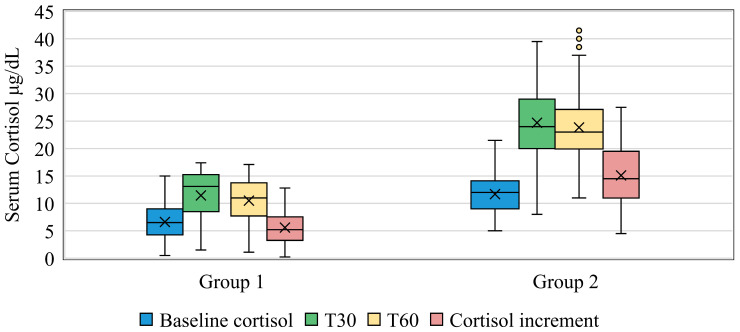 Figure 1
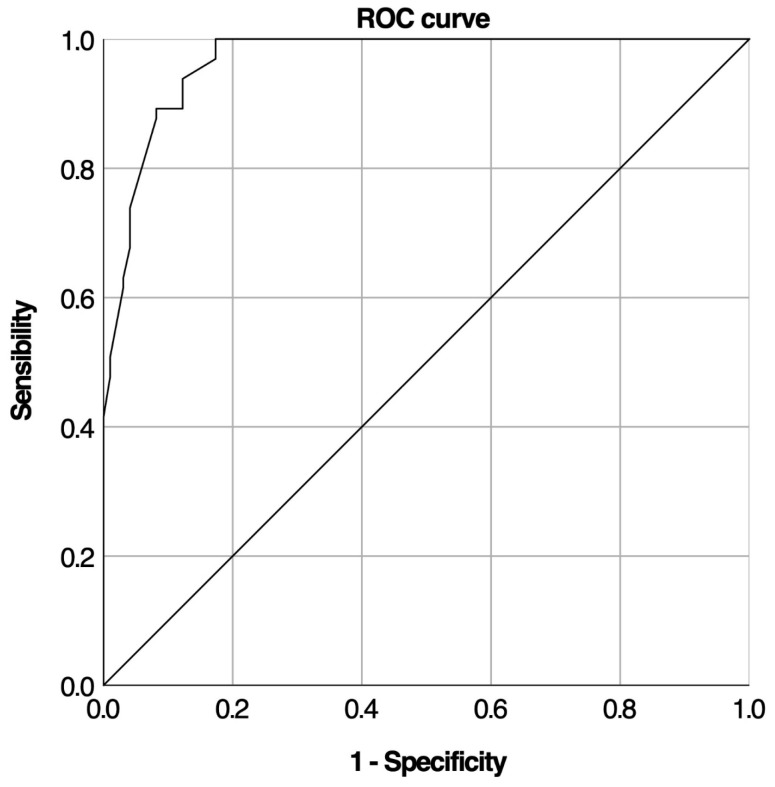 Figure 2
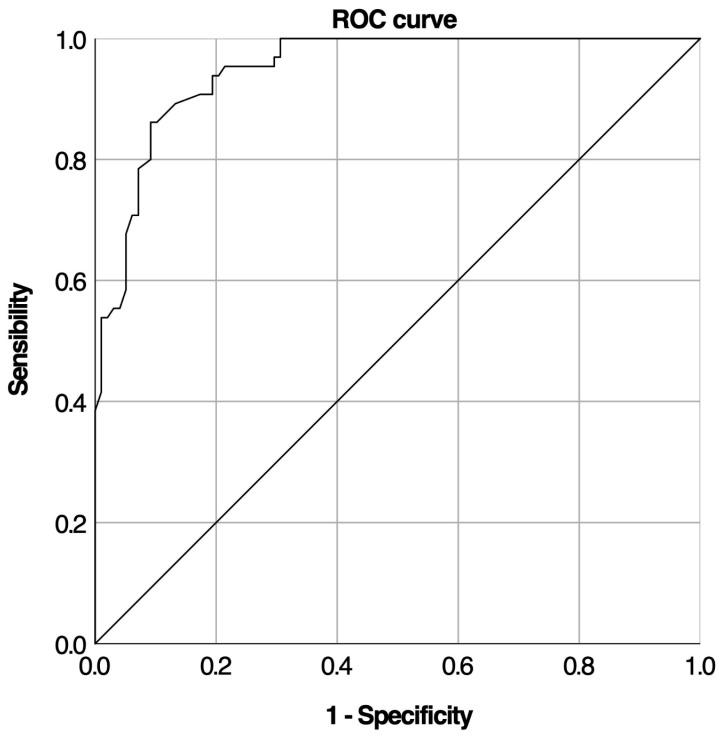 Figure 3
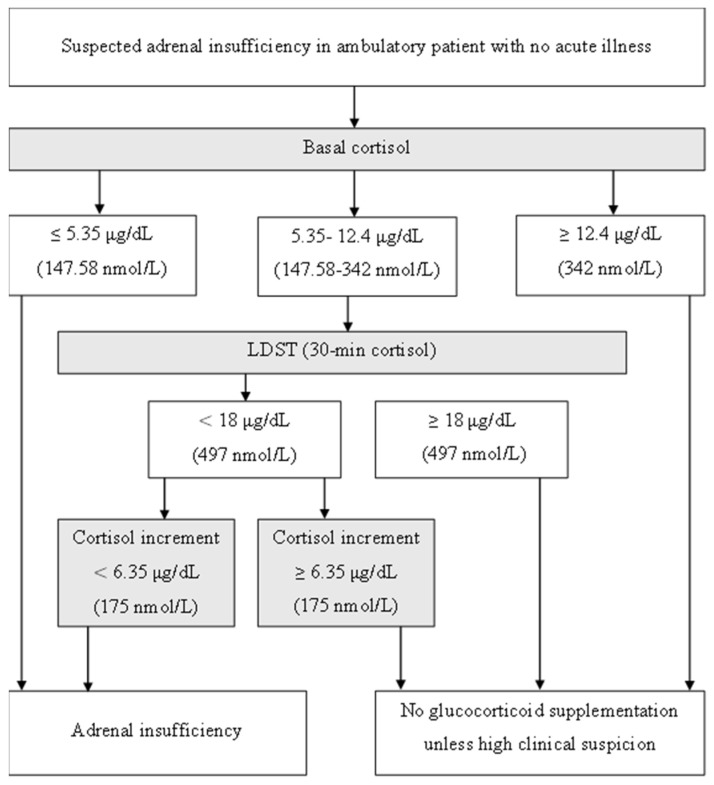 Figure 4
Peer Reviews
No public reviews on file for this paper yet. If you reviewed it on a platform where reviews are public (OpenReview, ICLR, NeurIPS, ICML), you can paste yours below so the community can read it here.
Videos
No videos yet. Explain this paper in a talk, walkthrough, or lecture? Add one.
Taxonomy
TopicsAdrenal Hormones and Disorders · Hormonal Regulation and Hypertension · Pituitary Gland Disorders and Treatments