Filamentous Temperature-Sensitive Z Protein J175 Regulates Maize Chloroplasts’ and Amyloplasts’ Division and Development
Huayang Lv, Xuewu He, Hongyu Zhang, Dianyuan Cai, Zeting Mou, Xuerui He, Yangping Li, Hanmei Liu, Yinghong Liu, Yufeng Hu, Zhiming Zhang, Yubi Huang, Junjie Zhang

TL;DR
This study identifies the J175 gene in maize as critical for chloroplast and amyloplast division, affecting plant growth and starch formation.
Contribution
The study reveals the role of the J175 gene in regulating chloroplast and amyloplast division in maize through map-based cloning and RNA-seq analysis.
Findings
The J175 gene encodes an FtsZ protein essential for plastid division in maize.
The j175 mutant shows inhibited chloroplast and amyloplast division, leading to reduced photosynthesis and irregular starch granules.
RNA-seq analysis shows downregulation of multiple plastid division-related genes in the j175 mutant.
Abstract
Plastid division regulatory genes play a crucial role in the morphogenesis of chloroplasts and amyloplasts. Chloroplasts are the main sites for photosynthesis and metabolic reactions, while amyloplasts are the organelles responsible for forming and storing starch granules. The proper division of chloroplasts and amyloplasts is essential for plant growth and yield maintenance. Therefore, this study aimed to examine the J175 (FtsZ2-2) gene, cloned from an ethyl methanesulphonate (EMS) mutant involved in chloroplast and amyloplast division in maize, through map-based cloning. We found that J175 encodes a cell division protein, FtsZ (filamentous temperature-sensitive Z). The FtsZ family of proteins is widely distributed in plants and may be related to the division of chloroplasts and amyloplasts. The J175 protein is localized in plastids, and its gene is expressed across various tissues.…
Genes, proteins, chemicals, diseases, species, mutations and cell lines named across the full text — each resolved to its canonical identifier and authoritative record.
Click any figure to enlarge with its caption.
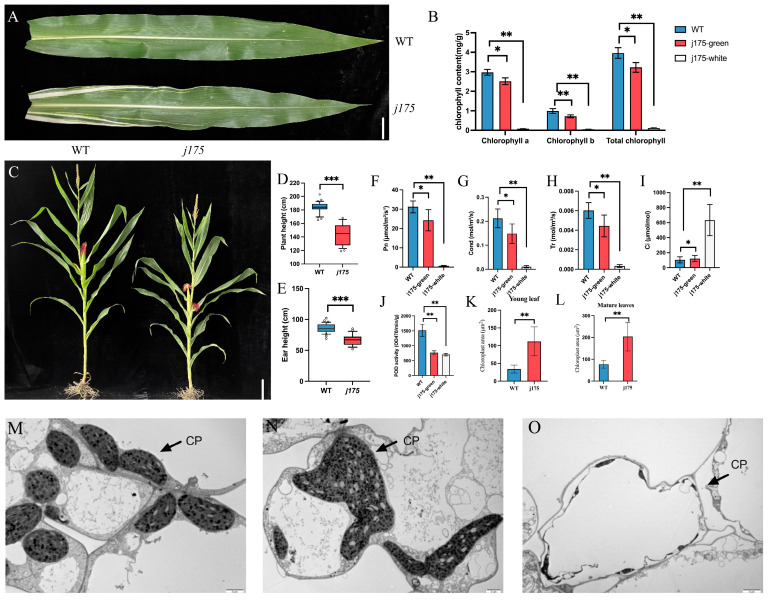 Figure 1
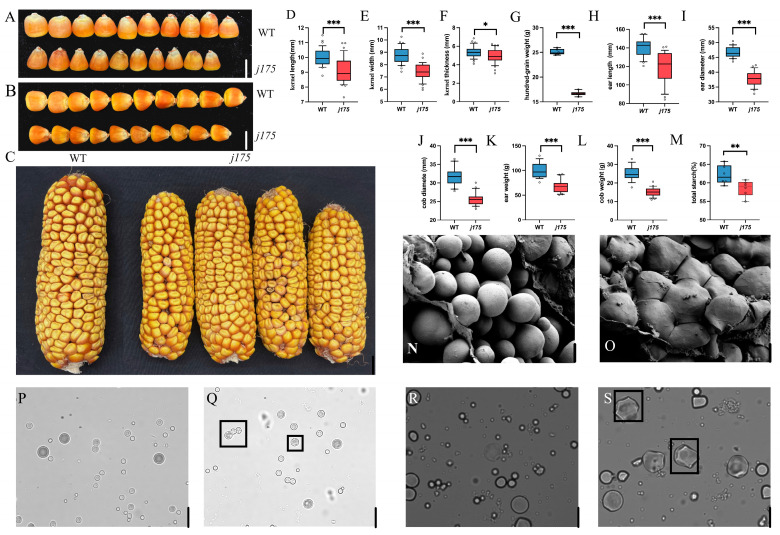 Figure 2
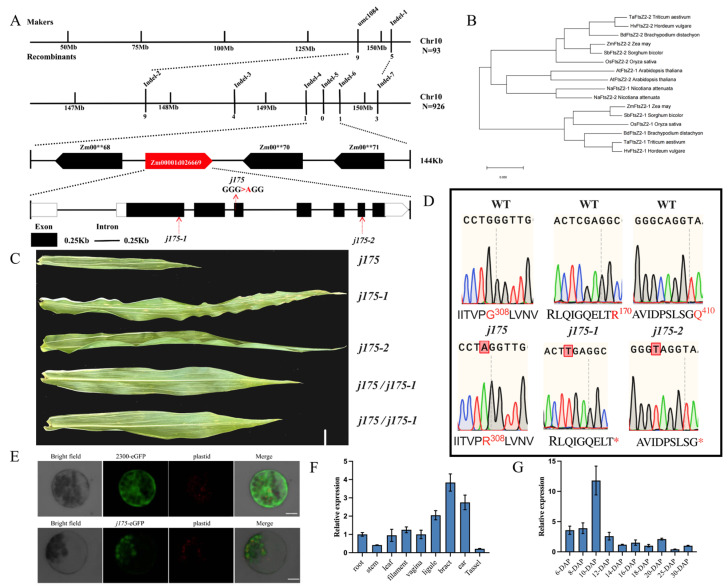 Figure 3
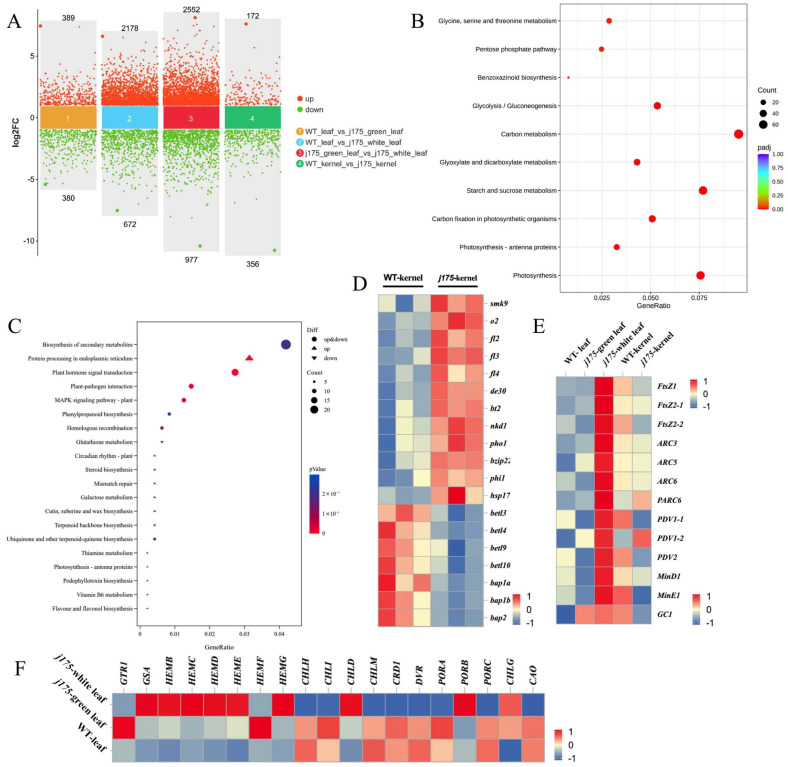 Figure 4
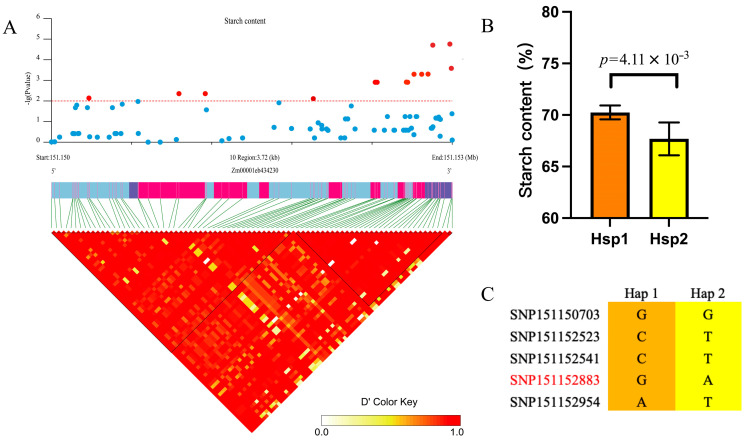 Figure 5
Peer Reviews
No public reviews on file for this paper yet. If you reviewed it on a platform where reviews are public (OpenReview, ICLR, NeurIPS, ICML), you can paste yours below so the community can read it here.
Videos
No videos yet. Explain this paper in a talk, walkthrough, or lecture? Add one.
Taxonomy
TopicsPhotosynthetic Processes and Mechanisms · Plant Stress Responses and Tolerance · Plant nutrient uptake and metabolism