3-Bromopyruvate Impairs Mitochondrial Function in Trypanosoma cruzi
Rafaella Oliveira da Costa, Davi Barreto-Campos, Juliana Barbosa-de-Barros, Giovanna Frechiani, Luiz Fernando Carvalho-Kelly, Ayra Diandra Carvalho-de-Araújo, José Roberto Meyer-Fernandes, Claudia Fernanda Dick

TL;DR
3-Bromopyruvate disrupts mitochondrial function in the Chagas disease parasite, potentially offering a new treatment approach.
Contribution
This study reveals 3-BrPA's impact on T. cruzi's mitochondrial function and energy metabolism, suggesting a novel therapeutic strategy.
Findings
3-BrPA impairs mitochondrial function and reduces intracellular ATP levels in T. cruzi.
3-BrPA increases GAPDH activity but does not affect glucose kinase activity in the parasite.
3-BrPA alters ecto-phosphatase and ecto-nuclease activities, impacting nucleotide metabolism.
Abstract
Trypanosoma cruzi is a kinetoplastid parasite and etiological agent of Chagas disease. Given the significant morbidity and mortality rates of this parasitic disease, possible treatment alternatives need to be studied. 3-Bromopyruvate (3-BrPA) is a synthetic analog of pyruvate that was introduced in the early 21st century as an anticancer agent, affecting the proliferation and motility of certain microorganisms. Therefore, this work aims to evaluate the role of 3-BrPA in the energy metabolism, proliferation, and infectivity of T. cruzi, with a primary focus on the mitochondrial state, ATP production, and the key glycolytic pathway enzymes. It was observed that mitochondrial function in 3-BrPA cells was impaired compared to control cells. Accordingly, cells maintained in control conditions have a higher intracellular ATP content than cells maintained with 3-BrPA and higher…
Genes, proteins, chemicals, diseases, species, mutations and cell lines named across the full text — each resolved to its canonical identifier and authoritative record.
Click any figure to enlarge with its caption.
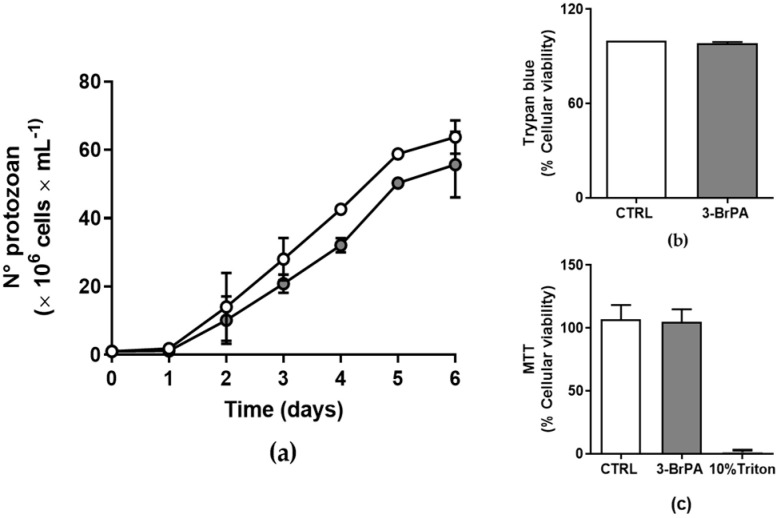 Figure 1
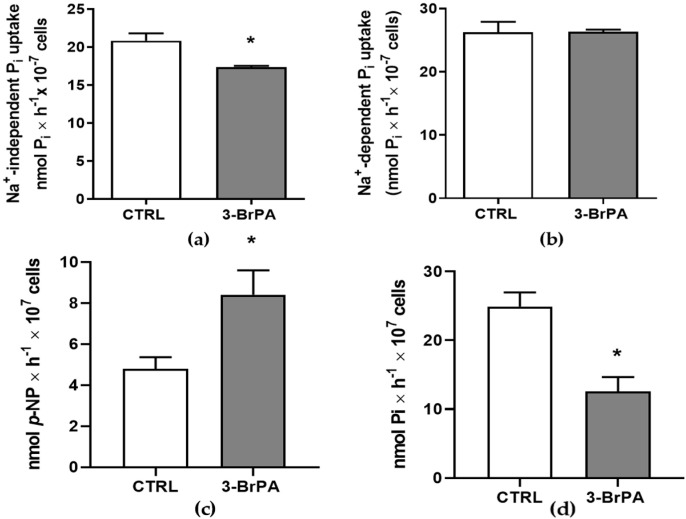 Figure 2
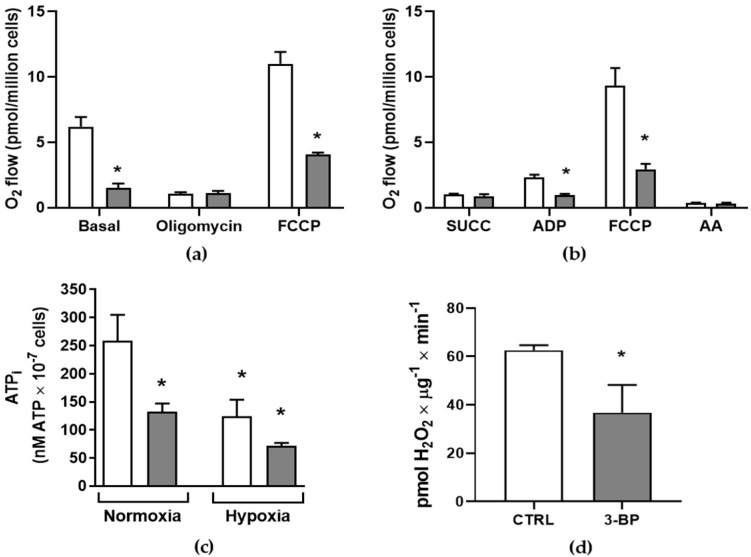 Figure 3
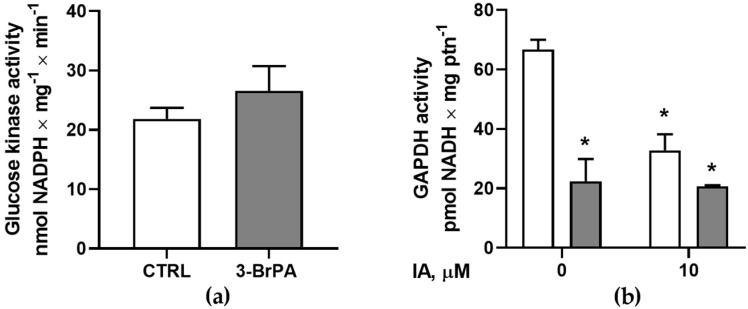 Figure 4
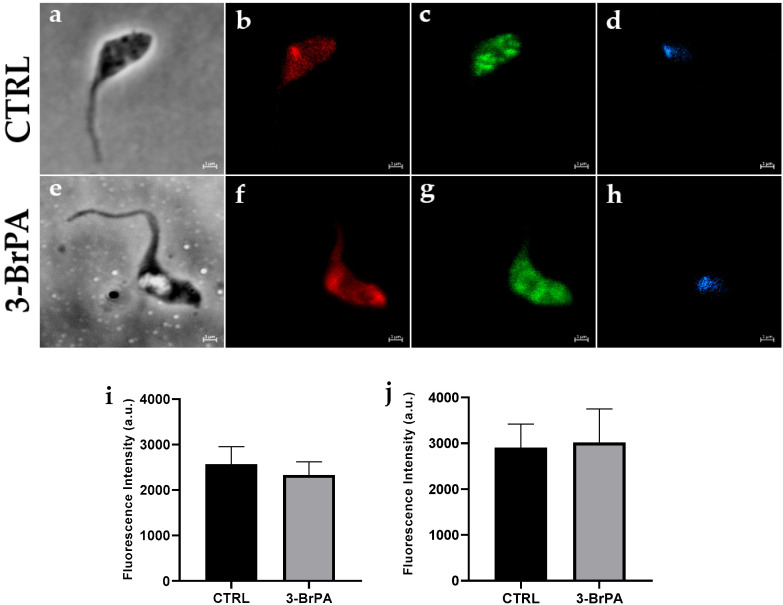 Figure 5
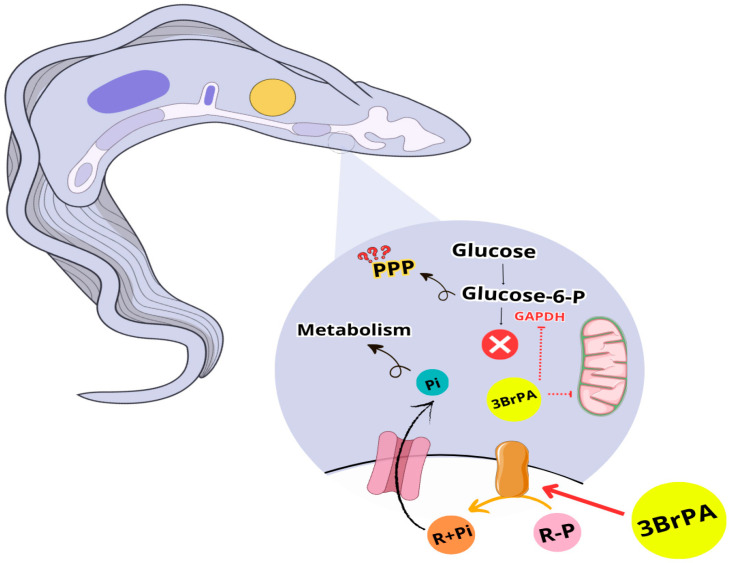 Figure 6
Peer Reviews
No public reviews on file for this paper yet. If you reviewed it on a platform where reviews are public (OpenReview, ICLR, NeurIPS, ICML), you can paste yours below so the community can read it here.
Videos
No videos yet. Explain this paper in a talk, walkthrough, or lecture? Add one.
Taxonomy
TopicsTrypanosoma species research and implications · Research on Leishmaniasis Studies · Biochemical and Molecular Research