Epidemiological Mapping of Canine Angiostrongylosis in Portugal: Findings from a Nationwide Prevalence Survey
Beatriz Leal-Sousa, Joana Esteves-Guimarães, Jorge Isidoro Matos, Pedro Oliveira, Luís Lobo, Ana Cristina Silvestre-Ferreira, Carla S. Soares, Elena Carretón, Rodrigo Morchón, Ana Patrícia Fontes-Sousa, José Alberto Montoya-Alonso

TL;DR
This study maps the spread of a parasitic disease in dogs across Portugal, finding it more common in northern and central regions and linked to outdoor lifestyles and male sex.
Contribution
The study provides the first nationwide prevalence data on canine angiostrongylosis in Portugal, identifying new affected regions and risk factors.
Findings
A 1.13% prevalence of Angiostrongylus vasorum was detected in 1059 dogs across Portugal.
Higher infection rates were observed in northern and central districts, including previously unaffected areas like Leiria and Beja.
Male sex and an outdoor lifestyle were identified as significant risk factors for infection.
Abstract
Canine angiostrongylosis is a globally distributed parasitic disease that is expanding across Europe. In Portugal, epidemiological data remain scarce, despite geo-climatic conditions that are highly conducive to parasite transmission. This study aimed to detect the presence of circulating Angiostrongylus vasorum antigens in dogs across mainland and insular Portugal and to identify potential risk factors for infection. Among the 1059 dogs tested, a prevalence of 1.13% was observed, with positive cases predominantly located in the north-central regions, including previously unaffected areas. An outdoor lifestyle and male sex were identified as risk factors. These findings confirm the presence of established lungworm infection and suggest a northward spread, underscoring the importance of enhanced clinical awareness and epidemiological surveillance. Considering the global health concern…
Genes, proteins, chemicals, diseases, species, mutations and cell lines named across the full text — each resolved to its canonical identifier and authoritative record.
Click any figure to enlarge with its caption.
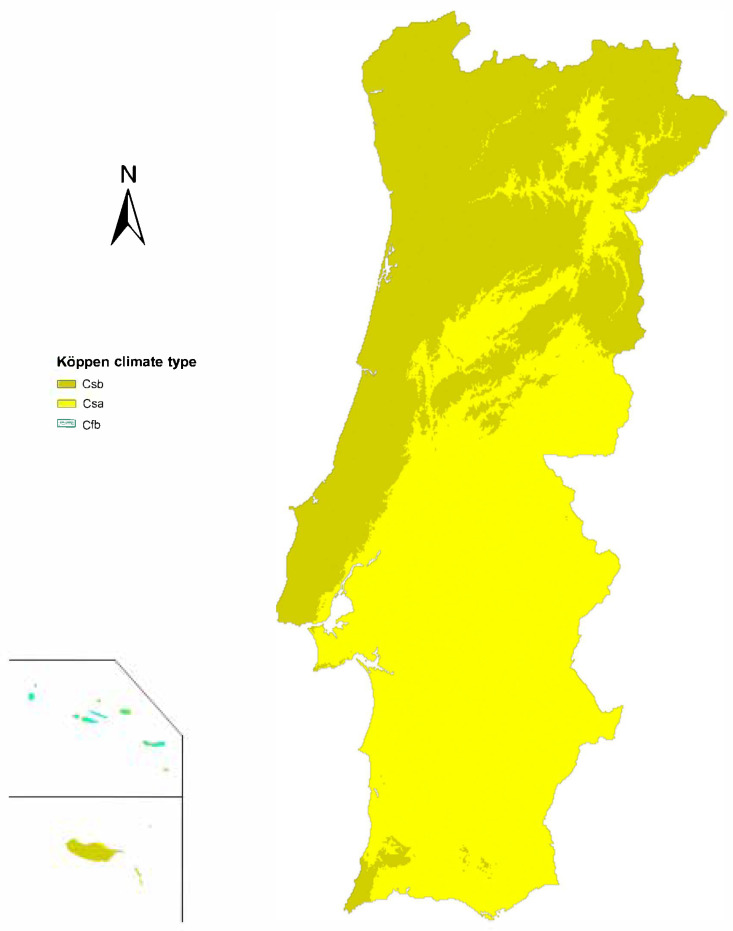 Figure 1
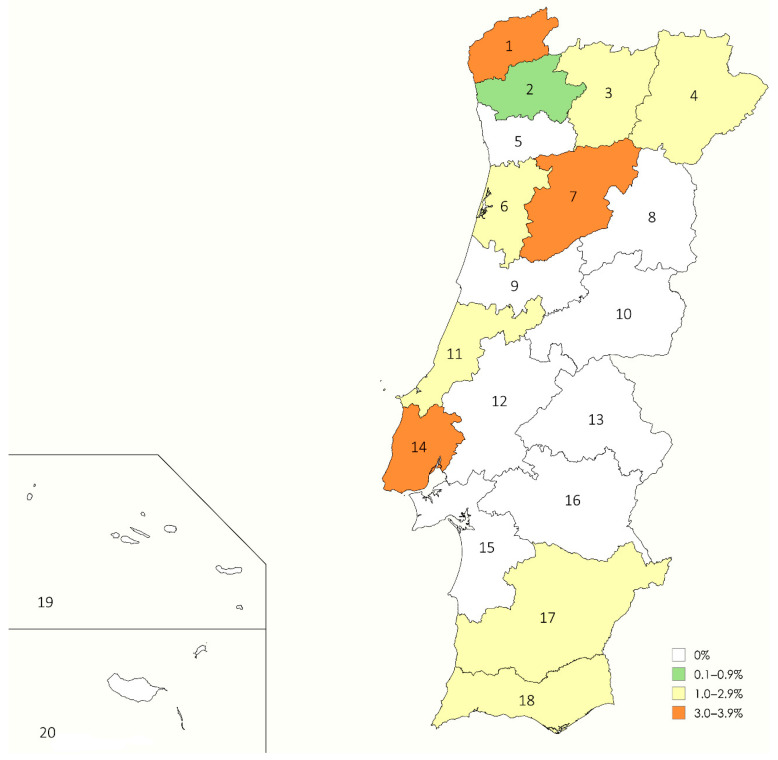 Figure 2
Peer Reviews
No public reviews on file for this paper yet. If you reviewed it on a platform where reviews are public (OpenReview, ICLR, NeurIPS, ICML), you can paste yours below so the community can read it here.
Videos
No videos yet. Explain this paper in a talk, walkthrough, or lecture? Add one.
Taxonomy
TopicsMollusks and Parasites Studies · Medical and Biological Ozone Research · Foreign Body Medical Cases