Tolerance and Metabolization of High-Concentration Heavy Crude Oil High-Concentration Heavy Crude Oil by Bacillus subtilis
César Antonio Sáez-Navarrete, Jessica Zerimar Cáceres-Zambrano

TL;DR
Bacillus subtilis can tolerate and break down high concentrations of heavy crude oil, producing CO2 and biosurfactants, which could help in oil cleanup.
Contribution
Demonstrates B. subtilis's ability to metabolize and emulsify high-concentration heavy crude oil, suggesting potential for bioremediation.
Findings
Bacillus subtilis tolerated up to 50% heavy crude oil concentration.
CO2 production increased by 42%, indicating significant bioconversion.
Surface tension decreased, and biosurfactant production was observed.
Abstract
In this comprehensive study, we investigated the degradation capacity and tolerance of the bacterial strain Bacillus subtilis in culture media with high concentrations of heavy crude oil (HCO) as the sole carbon source. Using a meticulously designed experimental approach conducted at room temperature (25 °C), we systematically examined various culture media with HCO concentrations of 20%, 35%, and 50% v/v over a 10-week period. The results revealed the microorganism’s remarkable resistance to these HCO concentrations. Biotransformation capacity was confirmed by quantifying CO2 production via gas chromatography, showing substantial bioconversion with a 42% increase in CO2 production. Additionally, changes in surface tension were monitored using the Du Noüy ring method, showing a reduction in the aqueous phase tension from 72.3 to 47.43 mN/m. At the end of the bioconversion period, all…
Genes, proteins, chemicals, diseases, species, mutations and cell lines named across the full text — each resolved to its canonical identifier and authoritative record.
Click any figure to enlarge with its caption.
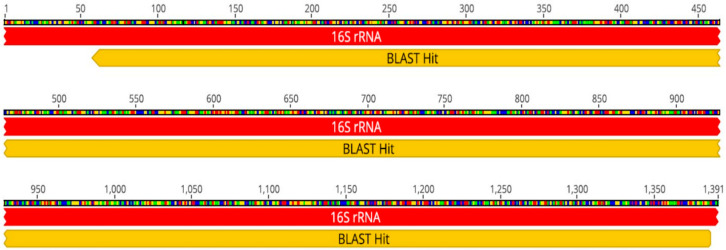 Figure 1
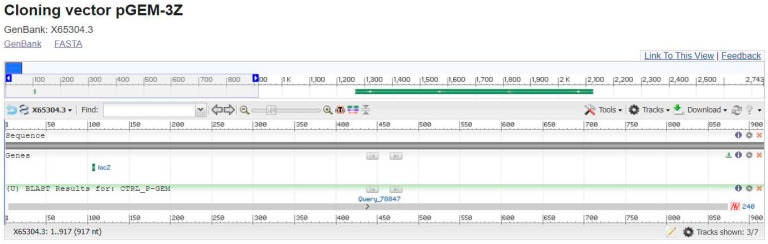 Figure 2
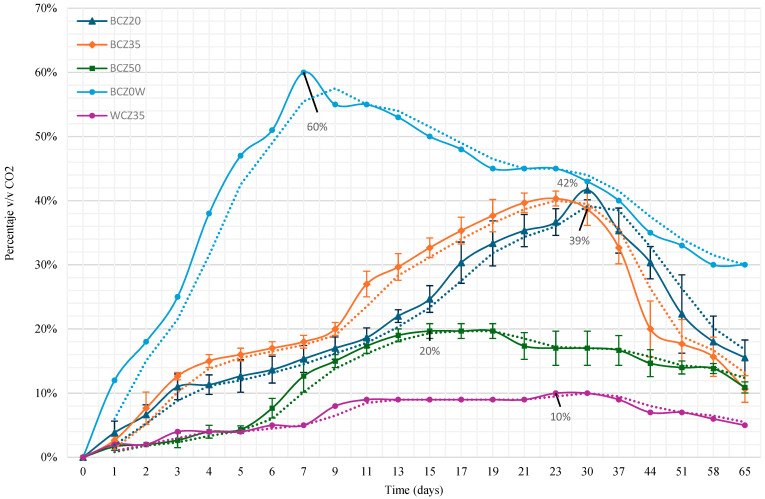 Figure 3
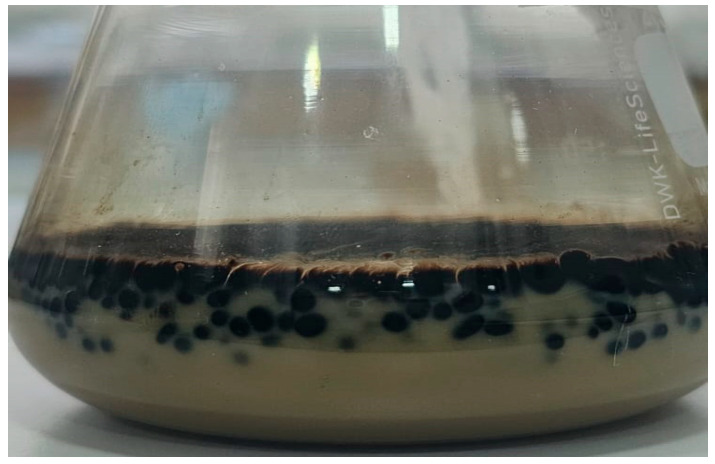 Figure 4
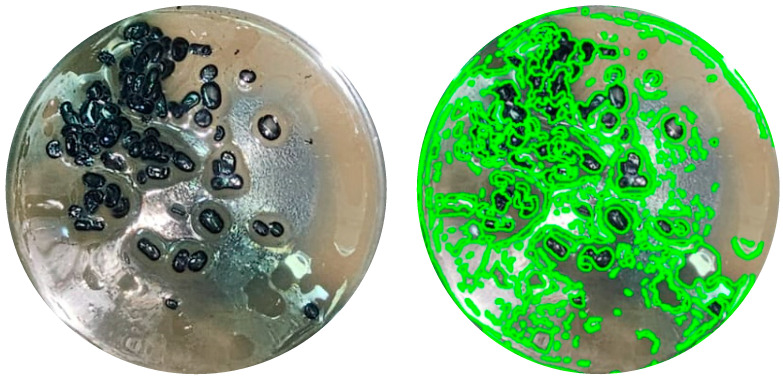 Figure 5
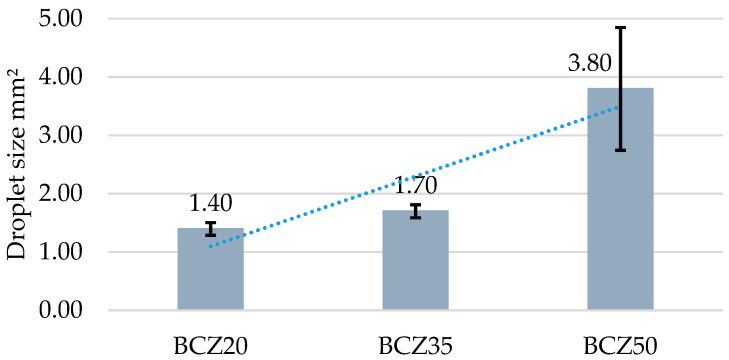 Figure 6
 Figure 7
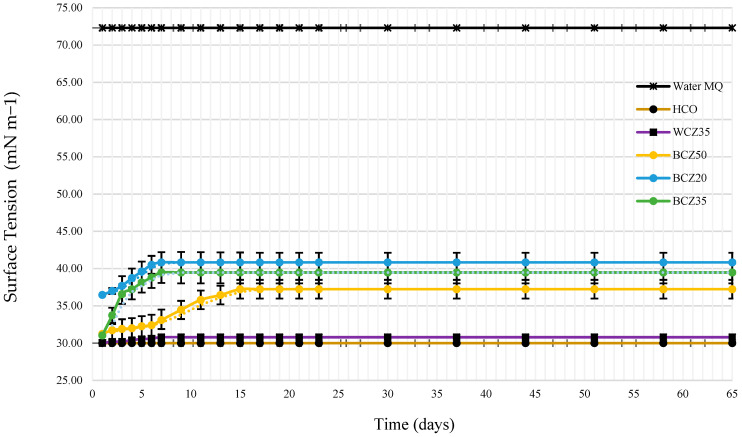 Figure 8
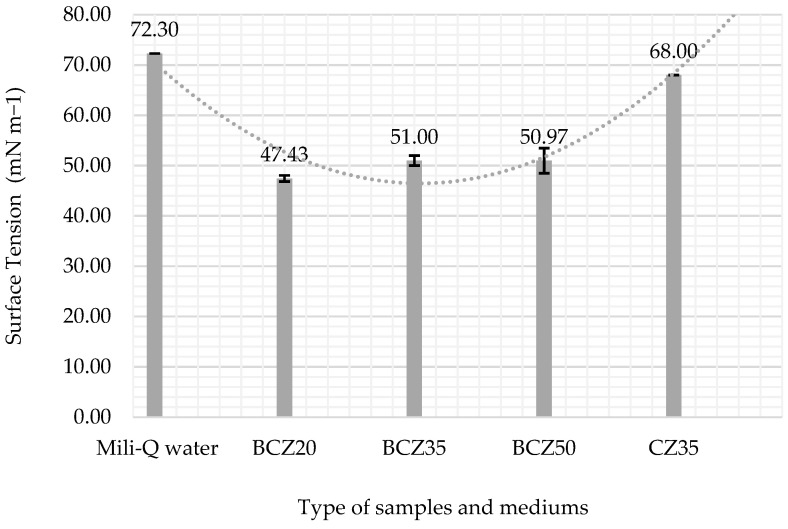 Figure 9
Peer Reviews
No public reviews on file for this paper yet. If you reviewed it on a platform where reviews are public (OpenReview, ICLR, NeurIPS, ICML), you can paste yours below so the community can read it here.
Videos
No videos yet. Explain this paper in a talk, walkthrough, or lecture? Add one.
Taxonomy
TopicsMicrobial bioremediation and biosurfactants · Enhanced Oil Recovery Techniques · Petroleum Processing and Analysis