Phenotypic Screening of H1-Antihistamines Identifies Promethazine and Rupatadine as Active Compounds Against Toxocara canis Infective Larvae
Taís C. Silva, Julia Godoy-Silva, Monique C. Amaro, João V. Silva-Silva, Thiago H. Doring, Leonardo L. G. Ferreira, Adriano D. Andricopulo, Josué de Moraes

TL;DR
This study finds that two antihistamines, promethazine and rupatadine, effectively kill Toxocara canis larvae, suggesting they could be repurposed as anthelmintic drugs.
Contribution
The first report of antihistamines showing larvicidal activity against T. canis, proposing a repurposing strategy for anthelmintic treatment.
Findings
Promethazine and rupatadine significantly reduced larval motility and caused distinct morphological changes in T. canis larvae.
DFT analysis indicated strong electron-acceptor properties of promethazine and rupatadine, suggesting a redox-based mechanism of action.
Molecular docking simulations showed favorable binding of the compounds to the colchicine site of T. canis β-tubulin.
Abstract
Background: Parasitic worm infections remain among the most prevalent and neglected health issues worldwide, affecting both humans and animals. Toxocariasis, caused by Toxocara spp., is a widespread zoonosis with significant public health and economic implications. Current anthelmintic treatments show limited efficacy, particularly against tissue-migrating larvae, underscoring the urgent need for new therapeutic options. This study aimed to evaluate the anthelmintic potential of H1 antihistamines as repurposed drug candidates against Toxocara canis. Methods: Twenty-two H1 antihistamines were screened for larvicidal activity against infective third-stage (L3) larvae of T. canis. Larval motility and morphology were assessed, and compounds with the highest efficacy were further investigated using density functional theory (DFT) to explore their electronic properties. Molecular docking…
Genes, proteins, chemicals, diseases, species, mutations and cell lines named across the full text — each resolved to its canonical identifier and authoritative record.
Click any figure to enlarge with its caption.
 Figure 1
 Figure 2
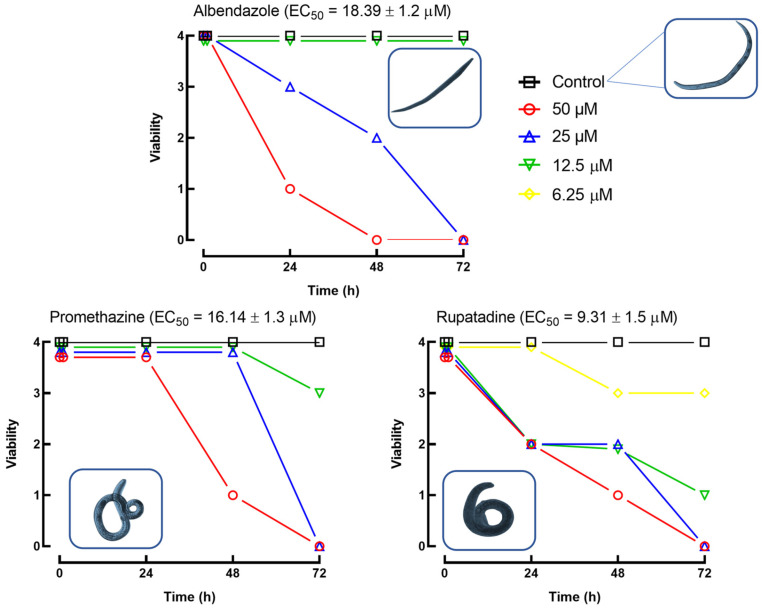 Figure 3
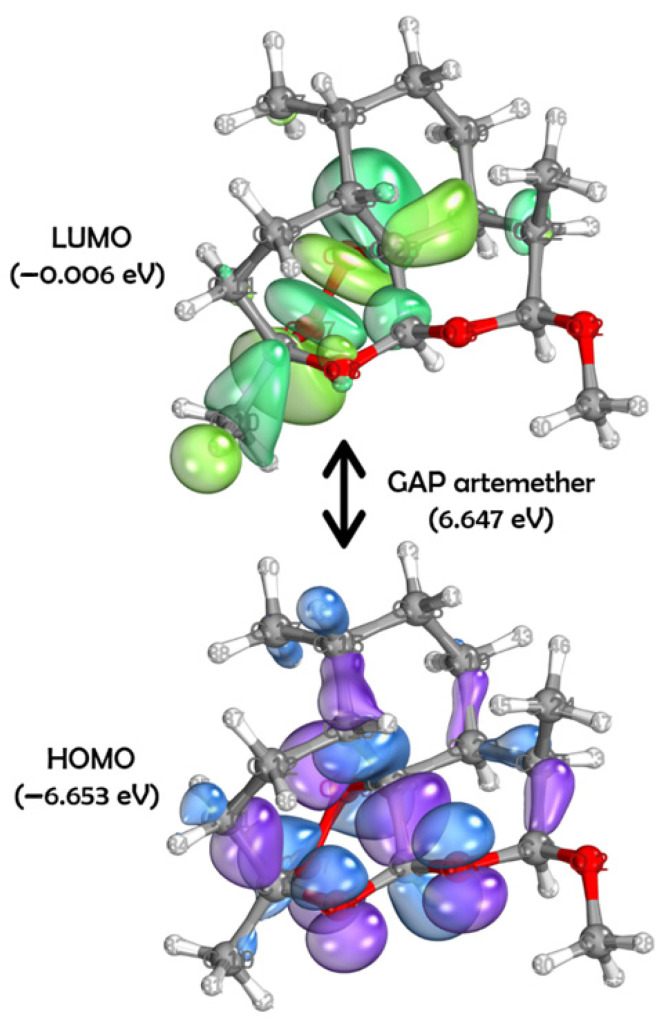 Figure 4
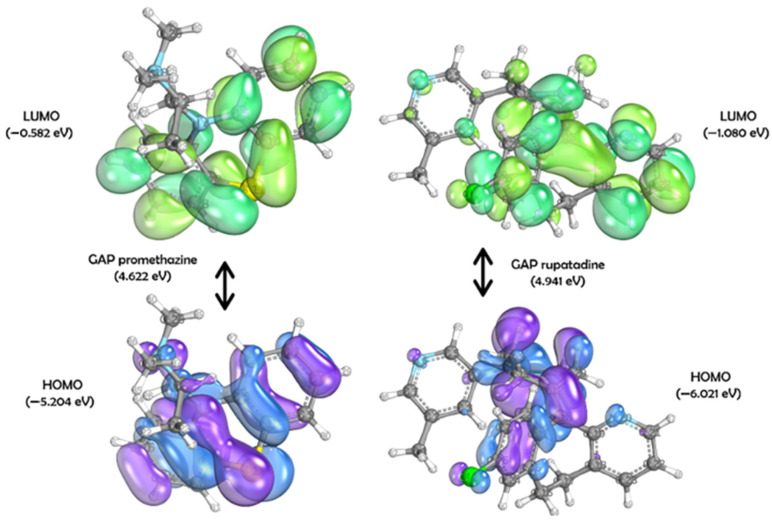 Figure 5
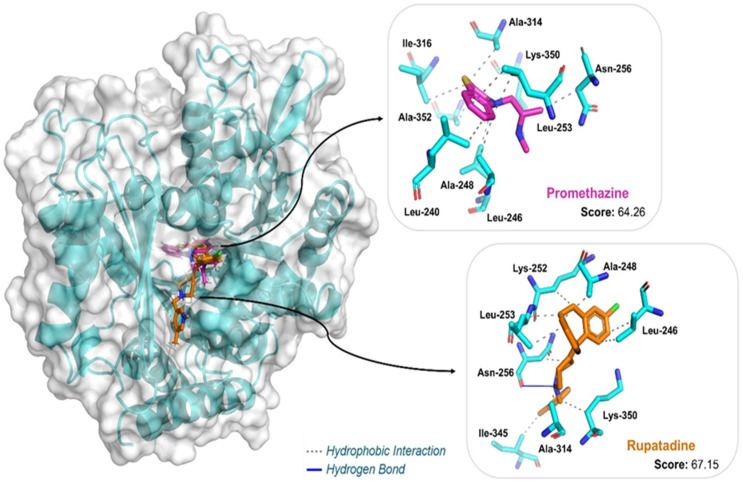 Figure 6
Peer Reviews
No public reviews on file for this paper yet. If you reviewed it on a platform where reviews are public (OpenReview, ICLR, NeurIPS, ICML), you can paste yours below so the community can read it here.
Videos
No videos yet. Explain this paper in a talk, walkthrough, or lecture? Add one.
Taxonomy
TopicsSynthesis and Biological Evaluation · Coccidia and coccidiosis research · Insects and Parasite Interactions