Hydrosilylation vs. Piers–Rubinsztajn: Synthetic Routes to Chemically Cross-Linked Hybrid Phosphazene-Siloxane 3D-Structures
Andrey S. Esin, Anna I. Chernysheva, Ekaterina A. Yurasova, Ekaterina A. Karpova, Vyacheslav V. Shutov, Igor S. Sirotin, Mikhail A. Soldatov, Mikhail V. Gorlov, Oleg A. Raitman

TL;DR
This paper explores two chemical reactions for creating cross-linked hybrid materials with potential uses in biomedical and battery applications.
Contribution
The study demonstrates that hydrosilylation is more effective than Piers–Rubinsztajn for making phosphazene-siloxane materials.
Findings
Piers–Rubinsztajn reaction fails due to catalyst deactivation by nitrogen atoms in phosphazene chains.
Hydrosilylation successfully produced cross-linked hybrid materials with eugenoxy and guaiacoxy groups.
Rheological and thermal properties of the materials were analyzed for potential applications.
Abstract
Exploration of new ways for the direct preparation of cross-linked structures is a significant problem in terms of materials for biomedical applications, lithium batteries electrolytes, toughening of thermosets (epoxy, benzoxazine, etc.) with interpenetrating polymer network, etc. The possibility to utilize hydrosilylation and Piers–Rubinsztajn reactions to obtain cross-linked model phosphazene compounds containing eugenoxy and guaiacoxy groups has been studied. It was shown that Piers–Rubinsztajn reaction cannot be used to prepare phosphazene-based tailored polymer matrix due to the catalyst deactivation by nitrogen atoms of main chain units. Utilizing the hydrosilylation reaction, a series of cross-linked materials were obtained, and their properties were studied by NMR spectroscopy, FTIR, DSC, and TGA. Rheological characterizations of the prepared tailored matrices were conducted.…
Genes, proteins, chemicals, diseases, species, mutations and cell lines named across the full text — each resolved to its canonical identifier and authoritative record.
Click any figure to enlarge with its caption.
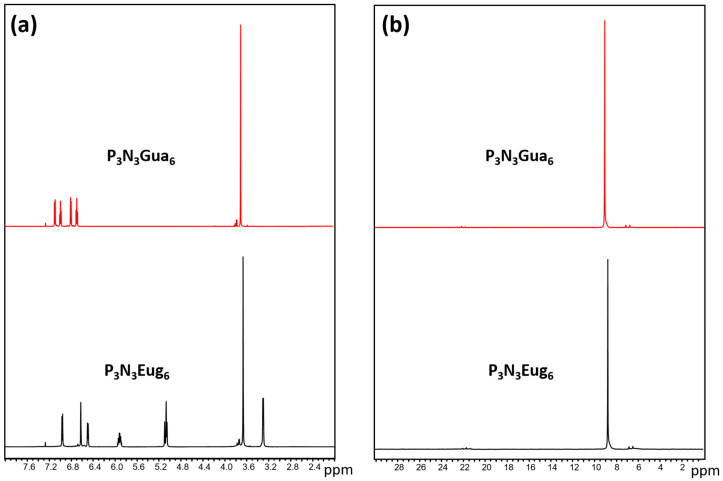 Figure 1
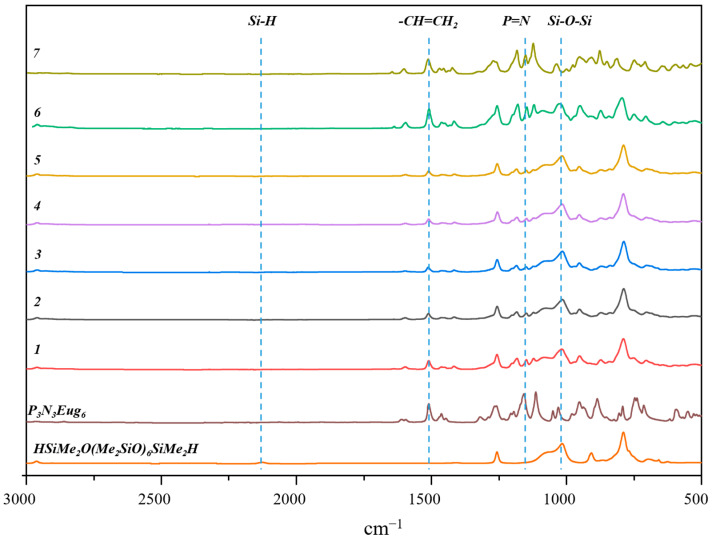 Figure 2
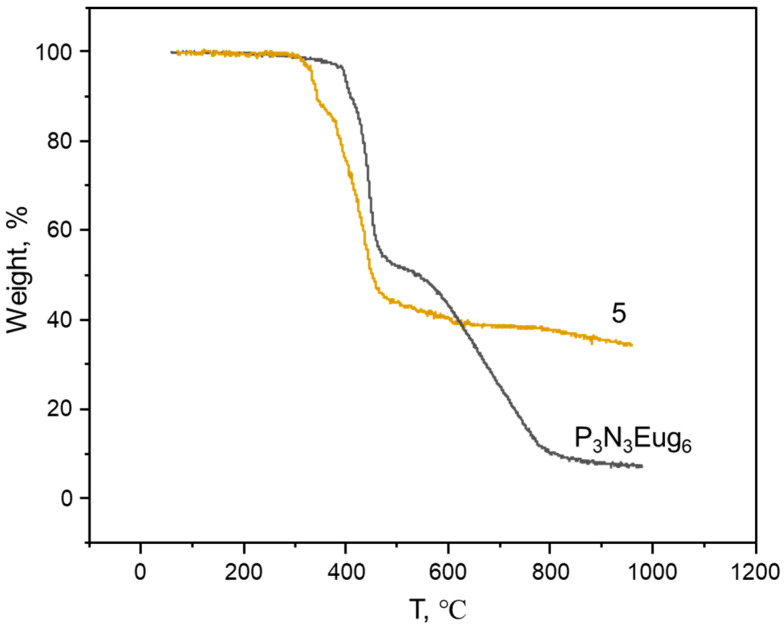 Figure 3
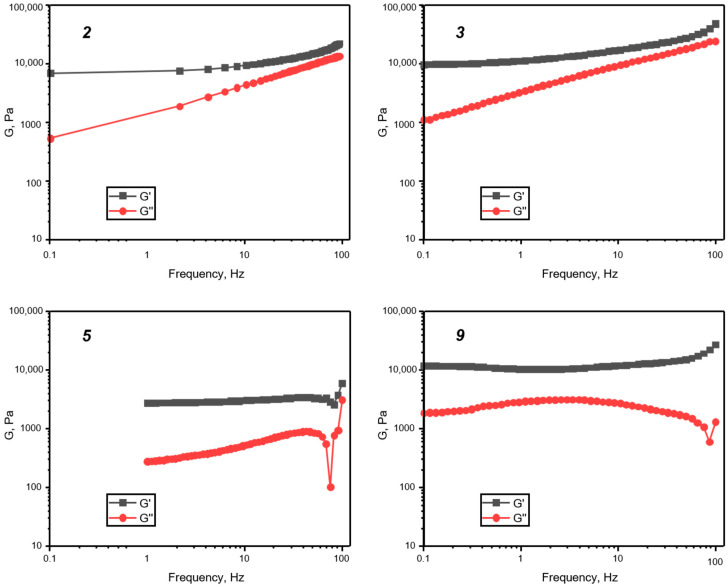 Figure 4
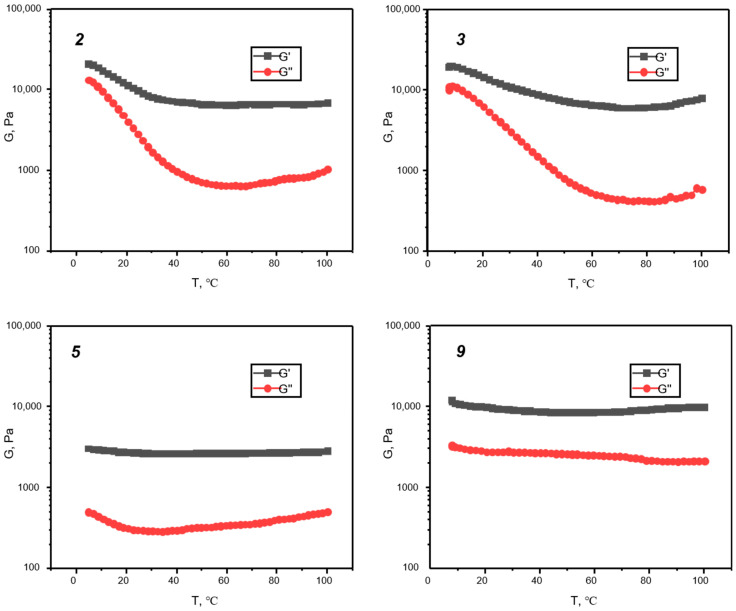 Figure 5
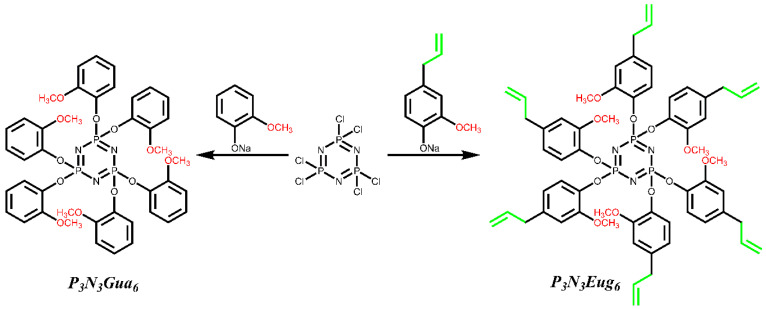 Figure 6
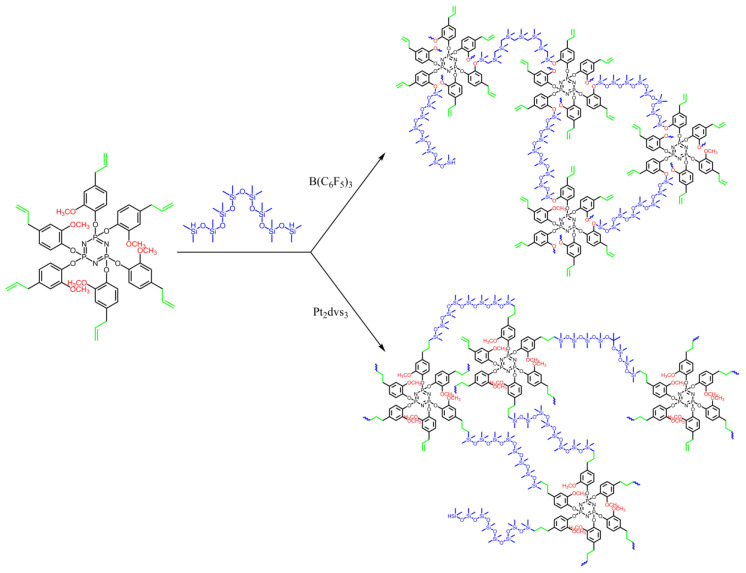 Figure 7
Peer Reviews
No public reviews on file for this paper yet. If you reviewed it on a platform where reviews are public (OpenReview, ICLR, NeurIPS, ICML), you can paste yours below so the community can read it here.
Videos
No videos yet. Explain this paper in a talk, walkthrough, or lecture? Add one.
Taxonomy
TopicsFlame retardant materials and properties · Synthesis and properties of polymers · Advanced Battery Materials and Technologies