The Design, Development, and Clinical Assessment of a Novel Patented Laparoscopic Instrument for Ovariectomy in Dogs
Marta Guadalupi, Claudia Piemontese, Caterina Vicenti, Rachele Piergentili, Francesco Staffieri, Luca Lacitignola

TL;DR
A new patented laparoscopic tool was developed and tested to make dog ovary removal surgery faster, safer, and less invasive.
Contribution
The novel laparoscopic optical forceps combine camera and clamp functions, enabling atraumatic ovarian suspension and reducing surgical time and complications.
Findings
The new instrument reduced ovariectomy and overall surgical times significantly compared to traditional methods.
No intraoperative complications occurred with the new device, unlike conventional techniques which had issues like needle breakage and increased bleeding.
The device allowed fewer incisions and simplified surgical maneuvers without requiring complex suturing techniques.
Abstract
Laparoscopic surgery is widely used in veterinary medicine to reduce the invasiveness of procedures like ovary removal in dogs. However, existing techniques often require multiple incisions and expensive tools and may lead to complications such as bleeding or prolonged surgery times. This study aimed to develop and evaluate a new laparoscopic instrument that combines the function of a camera with a clamp to hold the ovary securely during surgery. The device was tested for reliability, sterilization methods, and clinical effectiveness. It was successfully produced using advanced 3D printing technology and was sterilized with ethylene oxide without damage, maintaining full functionality after repeated use. In a clinical trial involving 36 dogs, the new instrument significantly reduced surgery times compared to traditional techniques and minimized complications. It allowed the surgery to…
Genes, proteins, chemicals, diseases, species, mutations and cell lines named across the full text — each resolved to its canonical identifier and authoritative record.
Click any figure to enlarge with its caption.
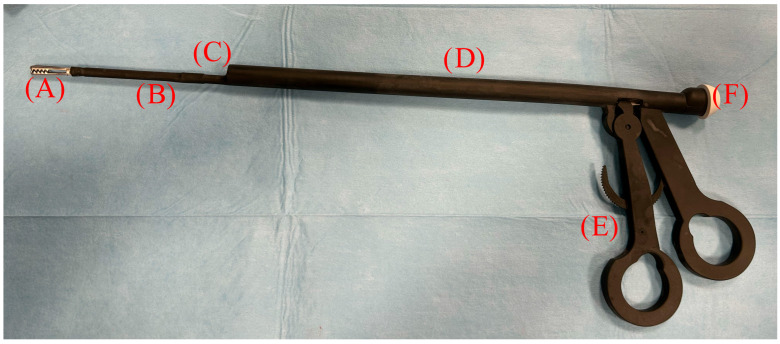 Figure 1
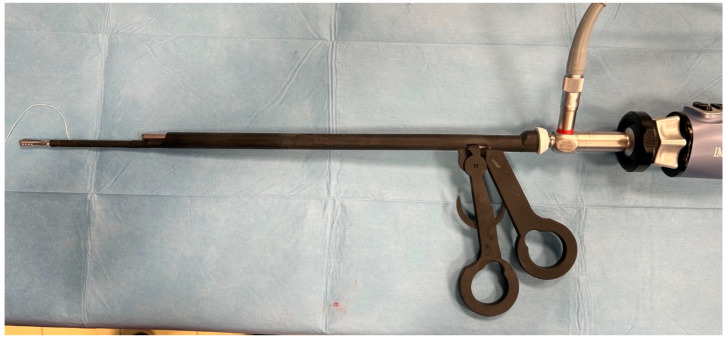 Figure 2
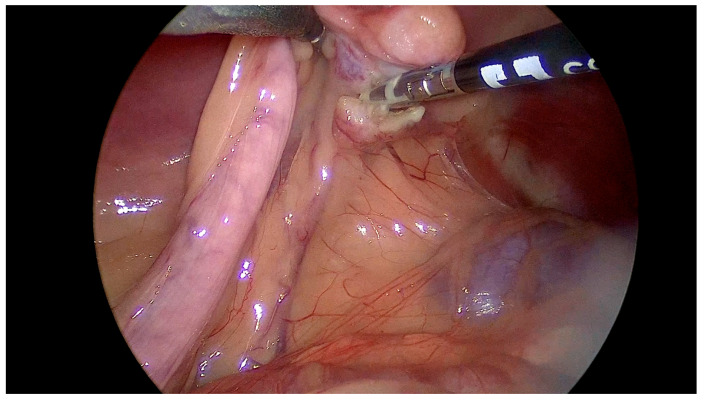 Figure 3
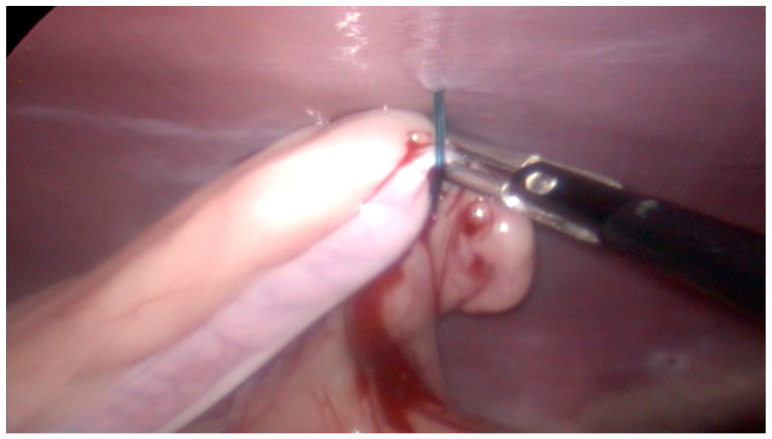 Figure 4
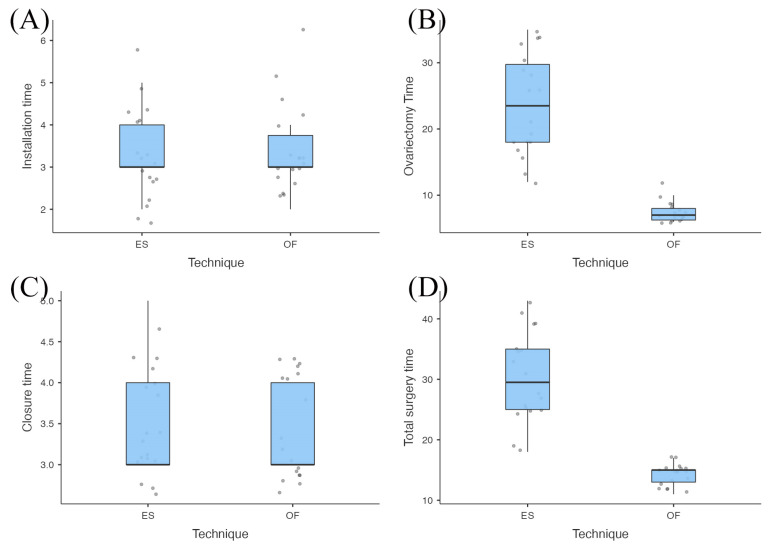 Figure 5
Peer Reviews
No public reviews on file for this paper yet. If you reviewed it on a platform where reviews are public (OpenReview, ICLR, NeurIPS, ICML), you can paste yours below so the community can read it here.
Videos
No videos yet. Explain this paper in a talk, walkthrough, or lecture? Add one.
Taxonomy
TopicsVeterinary Medicine and Surgery · Congenital Anomalies and Fetal Surgery · Assisted Reproductive Technology and Twin Pregnancy