Silent Allies: Endophytic Entomopathogenic Fungi Promote Biological Control and Reduce Spittlebug Mahanarva spectabilis Distant, 1909 (Hemiptera: Cercopidae)
Michelle O. Campagnani, Luís Augusto Calsavara, Charles Martins de Oliveira, Alexander Machado Auad

TL;DR
This study shows that using endophytic fungi in grass plants effectively controls spittlebug pests, reducing damage and offering a sustainable solution for livestock pastures.
Contribution
Demonstrates the efficacy of endophytic entomopathogenic fungi in controlling spittlebugs in both greenhouse and field settings.
Findings
Nymph and adult spittlebug mortality reached 100% in greenhouse conditions with fungal treatment.
Over 45% of insect cadavers in the field contained the applied fungi after feeding on treated plants.
Fungal endophytism persisted in plants for up to 120 days, significantly reducing pest damage.
Abstract
Urochloa ruziziensis (R. Germ. and C.M. Evrard) Crins (synonym Brachiaria ruziziensis) Poales: Poaceae) pastures are often attacked by spittlebugs, compromising their biomass for livestock usage. A sustainable control method involves the use of entomopathogenic fungi. Therefore, the objective of this study was to evaluate the efficacy of controlling Mahanarva spectabilis Distant, 1909 (Hemiptera: Cercopidae), in greenhouse and field conditions via endophytic entomopathogenic fungi. In the greenhouse, the mortality of nymphs and adults was 100%, and more than 53% of the nymphs and 59% of the adults that fed on plants inoculated with Fusarium multiceps and Metarhizium anisopliae presented with these fungi in their cadavers. In the field, more than 45% of the insect cadavers that had fed on plants grown from fungus-treated seeds were found to contain the fungi. F. multiceps was found to be…
Genes, proteins, chemicals, diseases, species, mutations and cell lines named across the full text — each resolved to its canonical identifier and authoritative record.
Click any figure to enlarge with its caption.
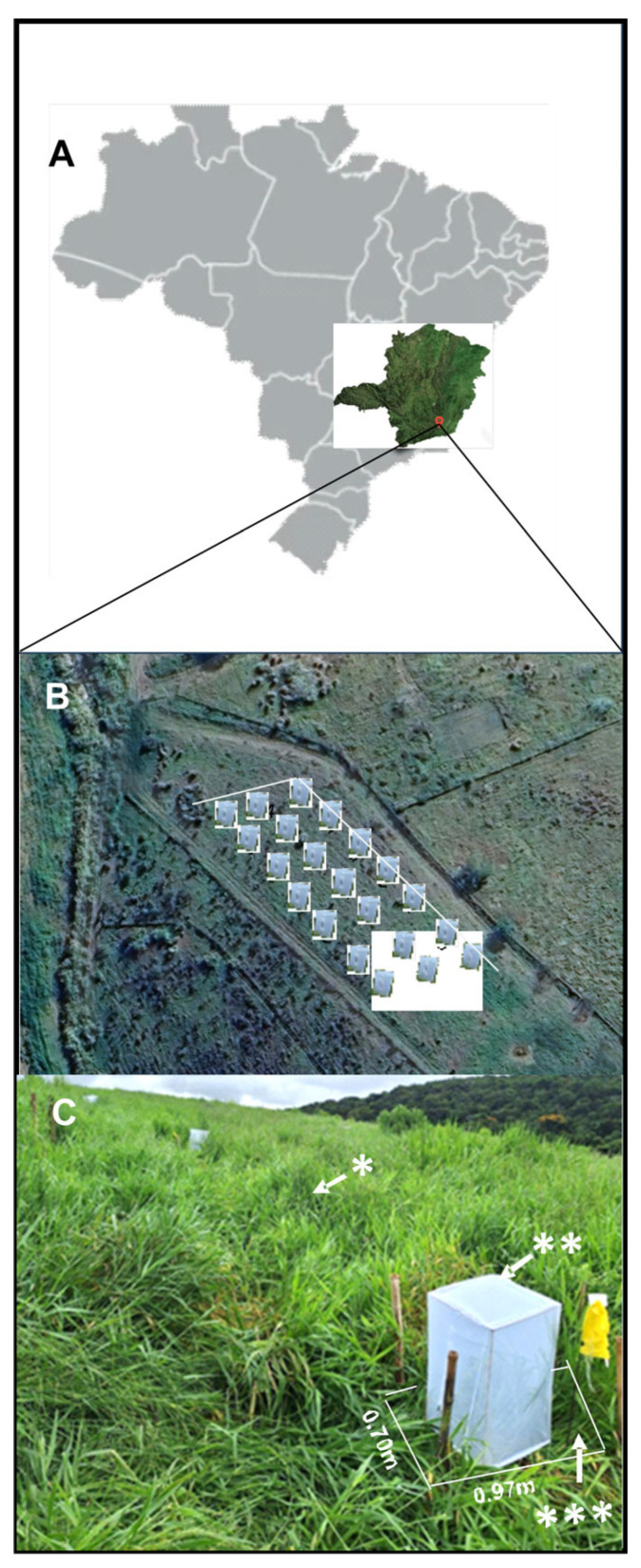 Figure 1
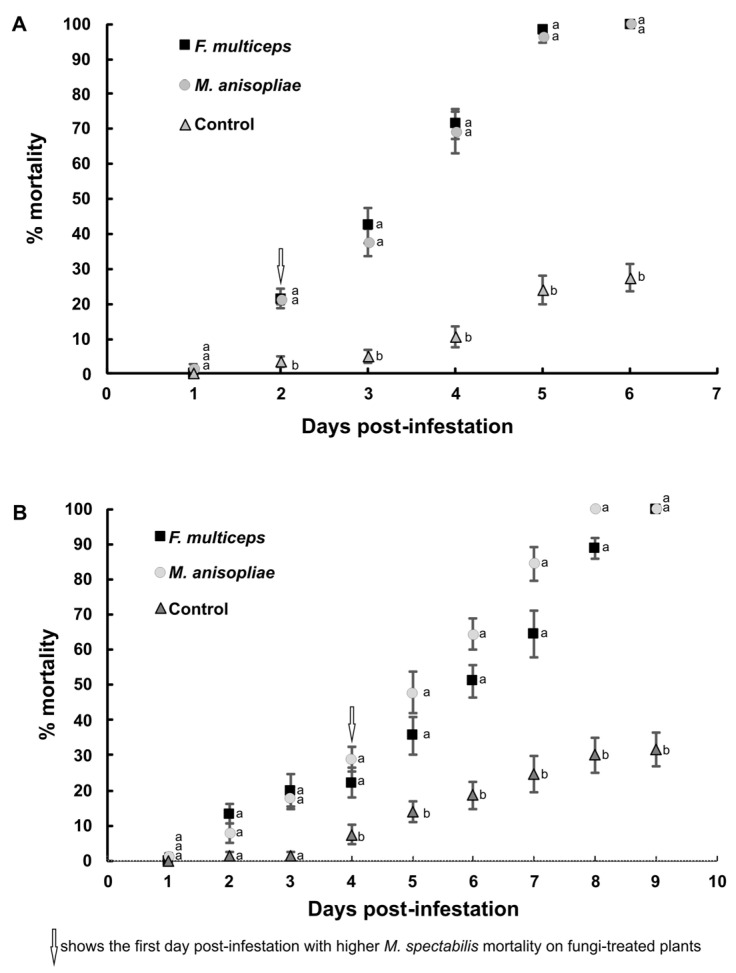 Figure 2
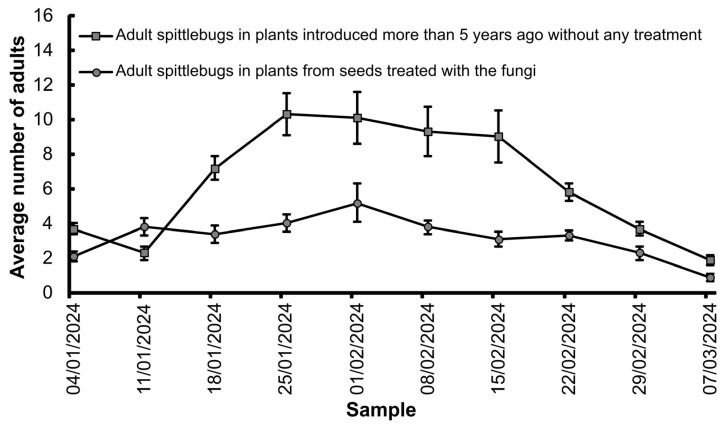 Figure 3
Peer Reviews
No public reviews on file for this paper yet. If you reviewed it on a platform where reviews are public (OpenReview, ICLR, NeurIPS, ICML), you can paste yours below so the community can read it here.
Videos
No videos yet. Explain this paper in a talk, walkthrough, or lecture? Add one.
Taxonomy
TopicsEntomopathogenic Microorganisms in Pest Control · Plant and fungal interactions · Biological Control of Invasive Species