Effects of Different Moments of Inertia on Neuromuscular Performance in Elite Female Soccer Players During Hip Extension Exercise to Prevent Hamstring Asymmetries and Injuries: A Cross-Sectional Study
Jordi Pumarola, Alesander Badiola-Zabala, Mònica Solana-Tramunt

TL;DR
This study examines how different flywheel inertial loads affect neuromuscular performance in elite female soccer players during hip extension exercises to reduce hamstring injury risks.
Contribution
The study provides new insights into how varying inertial loads influence eccentric strength and limb asymmetry in female athletes.
Findings
Higher inertia significantly reduced peak and mean acceleration and speed during hip extensions.
Eccentric peak power increased in the non-dominant limb with higher inertial loads.
Eccentric-to-concentric ratios remained stable across both inertia conditions.
Abstract
Background: High-intensity actions like accelerations and decelerations, often performed unilaterally, are crucial in elite female football but increase the risk of interlimb asymmetries and injury. Flywheel resistance training enhances eccentric strength, yet limited research has assessed how different inertial loads affect mechanical outputs in unilateral exercises. Purpose: This study investigated how two inertial loads (0.107 kg·m2 and 0.133 kg·m2) influence power, acceleration, speed, and asymmetry during unilateral hip extensions in elite female footballers. Methods: Eighteen professional players (27 ± 4 years, 59.9 ± 6.5 kg, 168.2 ± 6.3 cm, BMI 21.2 ± 1.8) completed unilateral hip extensions on a conical flywheel under both inertia conditions. A rotary encoder measured peak/average power, acceleration, speed, and eccentric-to-concentric (E:C) ratios. Bilateral asymmetries between…
Genes, proteins, chemicals, diseases, species, mutations and cell lines named across the full text — each resolved to its canonical identifier and authoritative record.
Click any figure to enlarge with its caption.
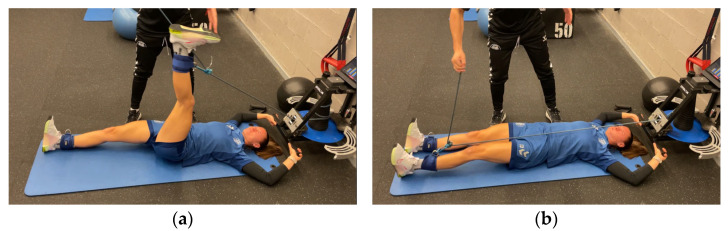 Figure 1
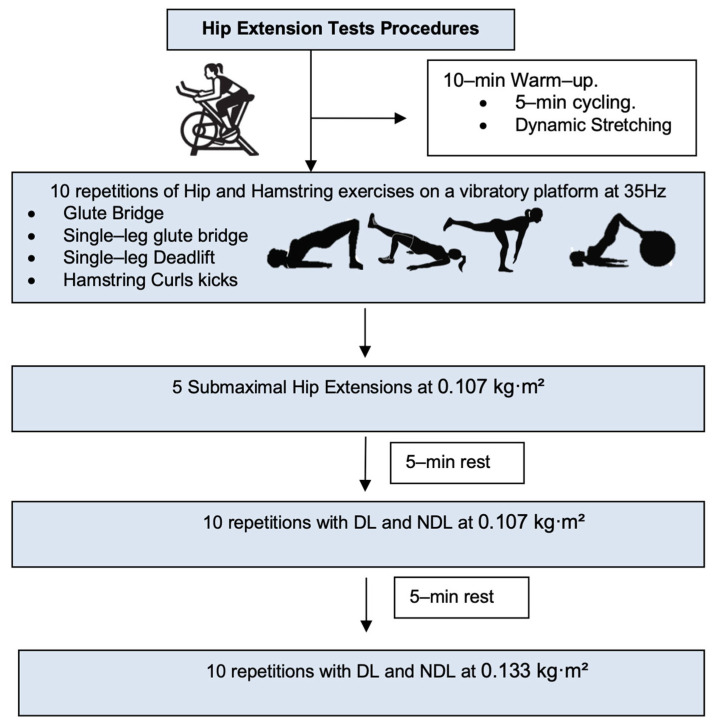 Figure 2
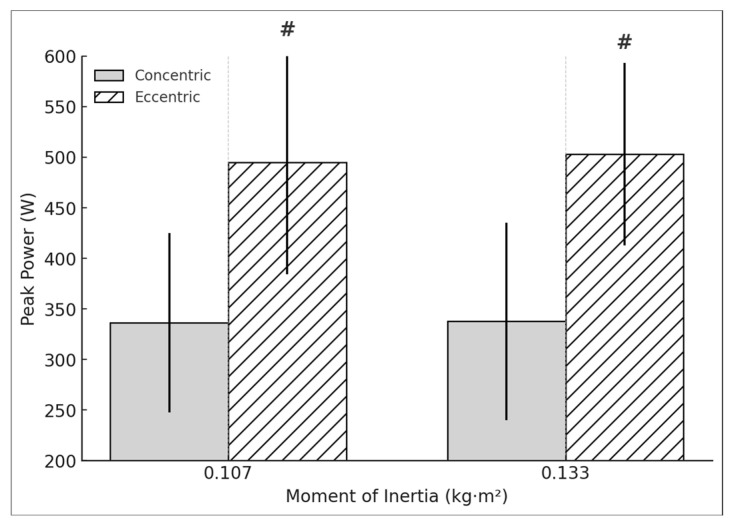 Figure 3
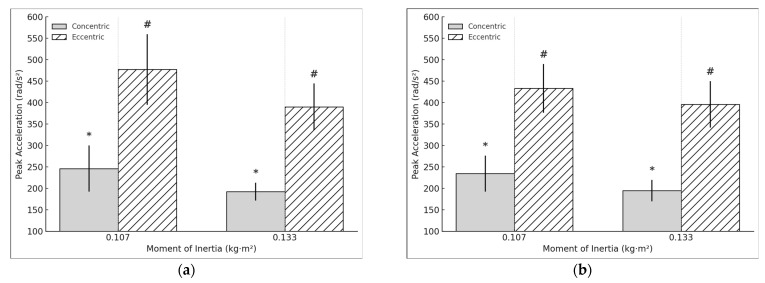 Figure 4
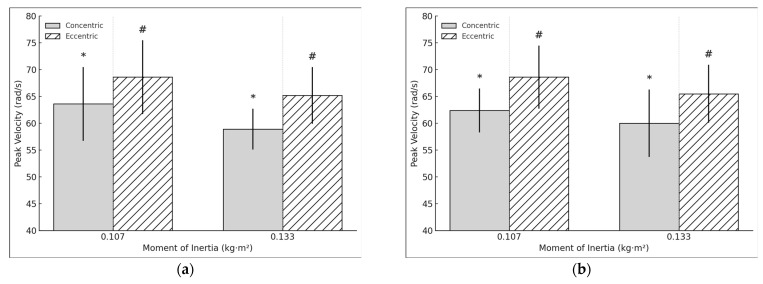 Figure 5
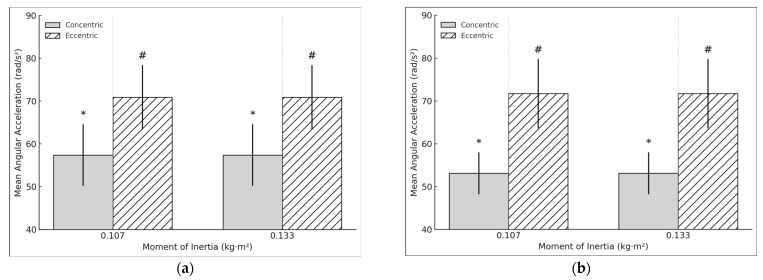 Figure 6
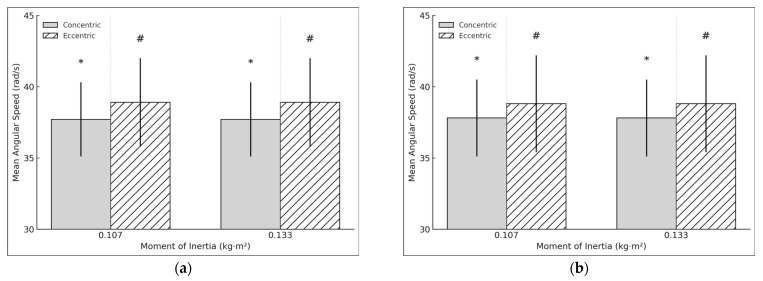 Figure 7
Peer Reviews
No public reviews on file for this paper yet. If you reviewed it on a platform where reviews are public (OpenReview, ICLR, NeurIPS, ICML), you can paste yours below so the community can read it here.
Videos
No videos yet. Explain this paper in a talk, walkthrough, or lecture? Add one.
Taxonomy
TopicsSports Performance and Training · Sports injuries and prevention · Sports Dynamics and Biomechanics