Pulsed electromagnetic stimulation promotes neuronal maturation by up-regulating cholesterol biosynthesis
Ping Chen, Jingyi Li, Vsevolod Telezhkin, Yu Gu, Min Tao, Liping Guo, Simin Song, Rihe Dong, Xianyang Luo, Yan Wang, Qian Liu, Weiming Tian, Weihua Meng, Wei Hong, Bing Song

TL;DR
Pulsed electromagnetic fields help immature neurons develop better by boosting cholesterol production, which could improve stem cell treatments for brain diseases.
Contribution
This study identifies FDFT1-mediated cholesterol biosynthesis as a novel mechanism through which PEMF enhances neuronal maturation.
Findings
PEMF stimulation improves synaptic maturation and functional properties of human cortical neurons.
FDFT1 is a central regulator in PEMF-induced neuronal differentiation and maturation.
Blocking cholesterol biosynthesis negates the benefits of PEMF on neurons.
Abstract
Stem cell therapies have emerged as transformative therapeutic strategies for neurological disorders. However, neurons derived from transplanted stem cells often exhibit low survival rates and remain in an immature state. While pulsed electromagnetic fields (PEMF) may enhance neuronal differentiation, the extent of this effect and its molecular mechanisms remain poorly characterized. Human induced pluripotent stem cells (iPSCs) induced cortical neurons received daily PEMF stimulation (1 mT, 15 Hz, 3.75 ms pulse duration) for 7 days during differentiation. Neuronal differentiation and synaptic maturation were assessed using immunocytochemistry, qPCR, western blotting, and live-cell imaging to evaluate neurite outgrowth. Functional maturation was analyzed through calcium imaging and patch-clamp electrophysiology. Transcriptomic profiling identified key pathways involved in PEMF-modulated…
Genes, proteins, chemicals, diseases, species, mutations and cell lines named across the full text — each resolved to its canonical identifier and authoritative record.
Click any figure to enlarge with its caption.
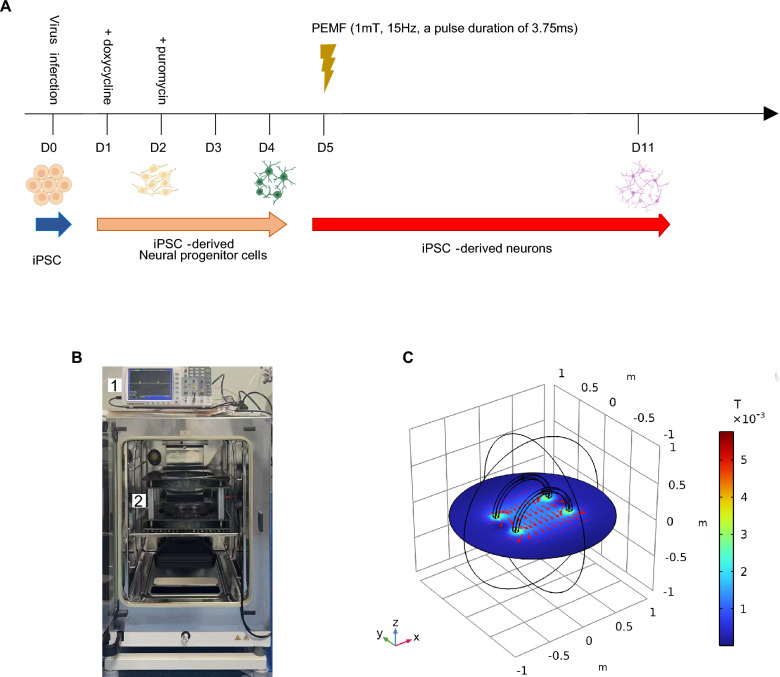 Figure 1
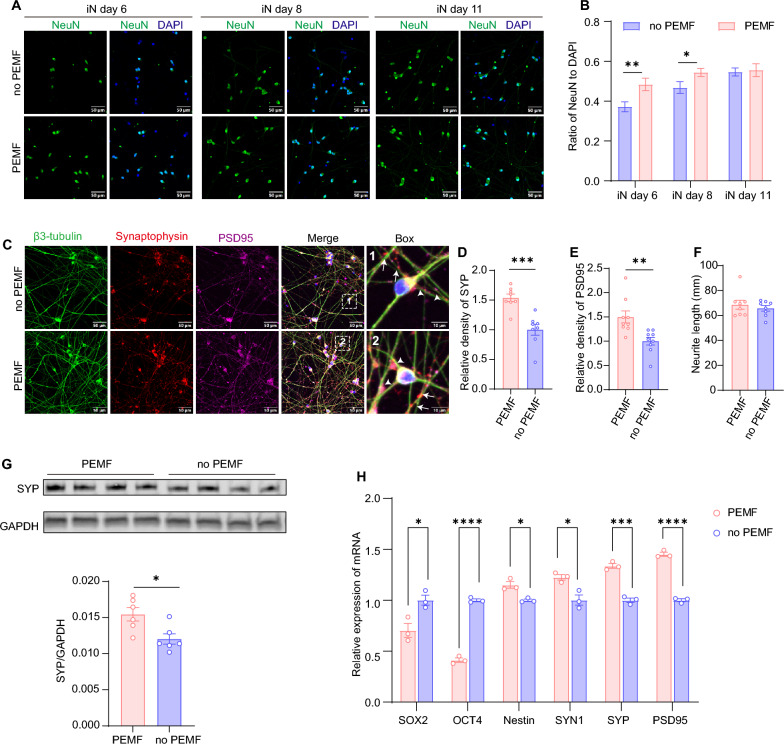 Figure 2
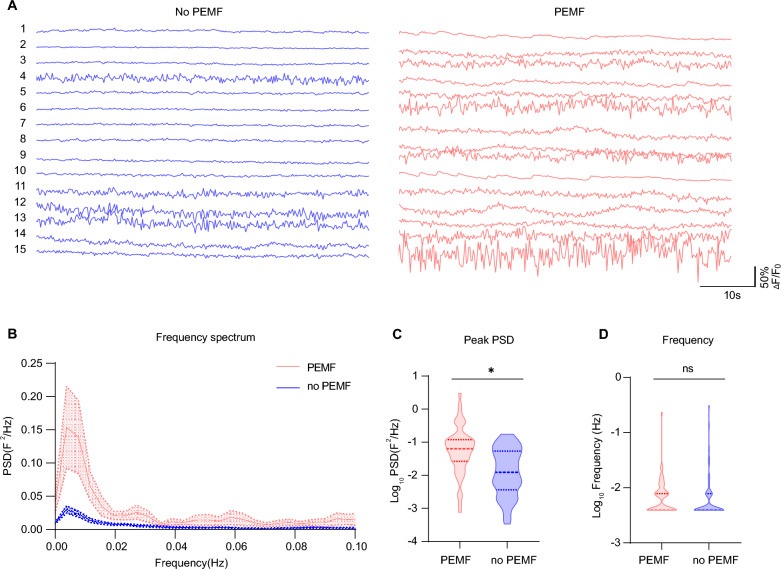 Figure 3
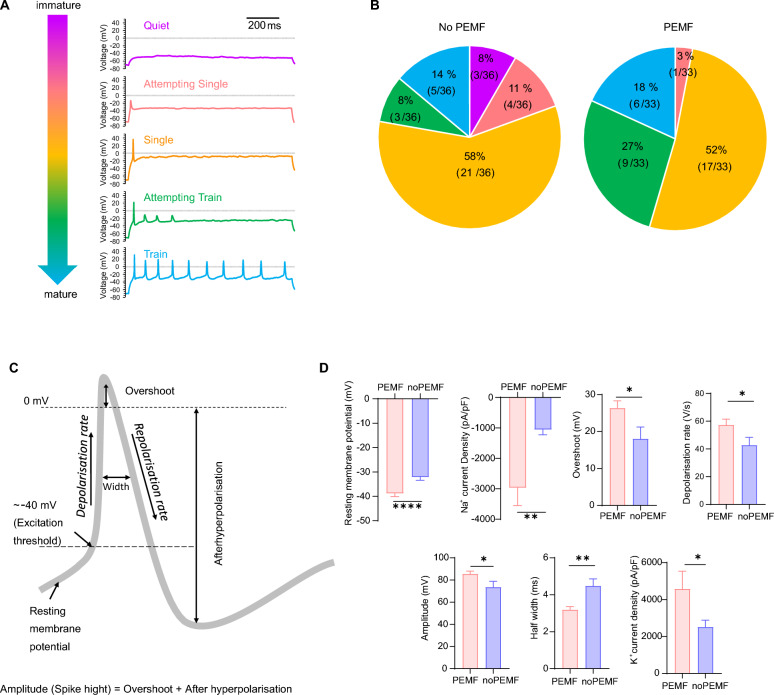 Figure 4
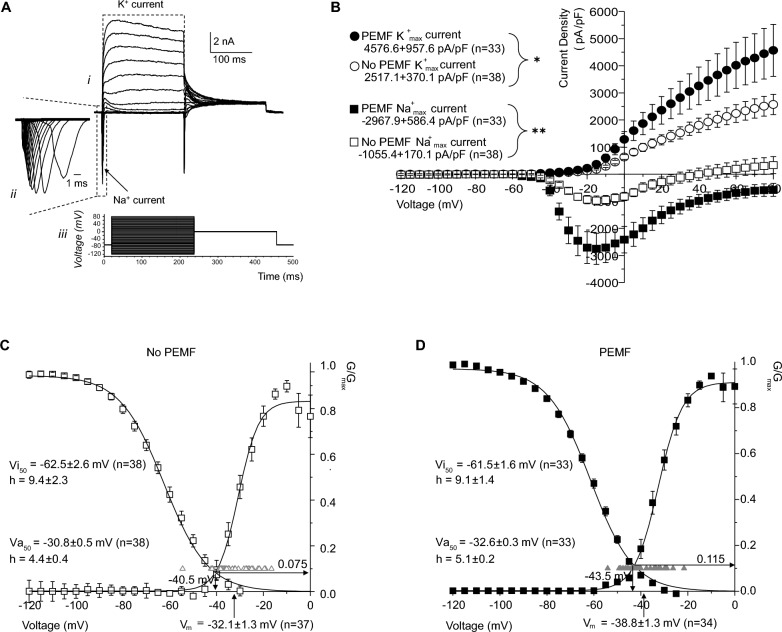 Figure 5
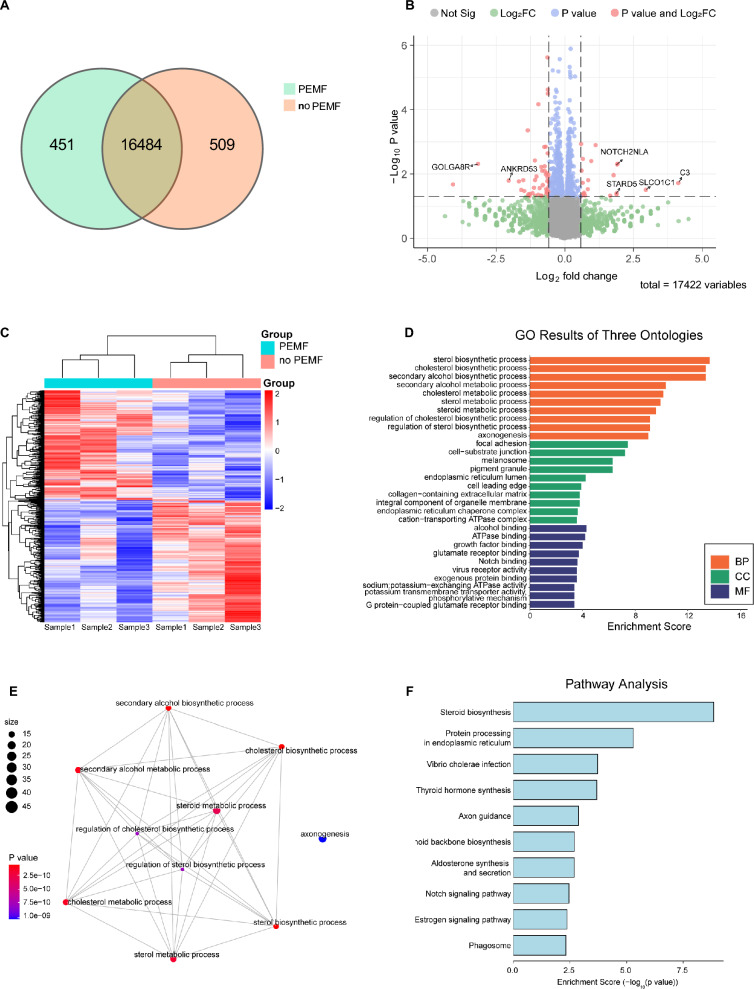 Figure 6
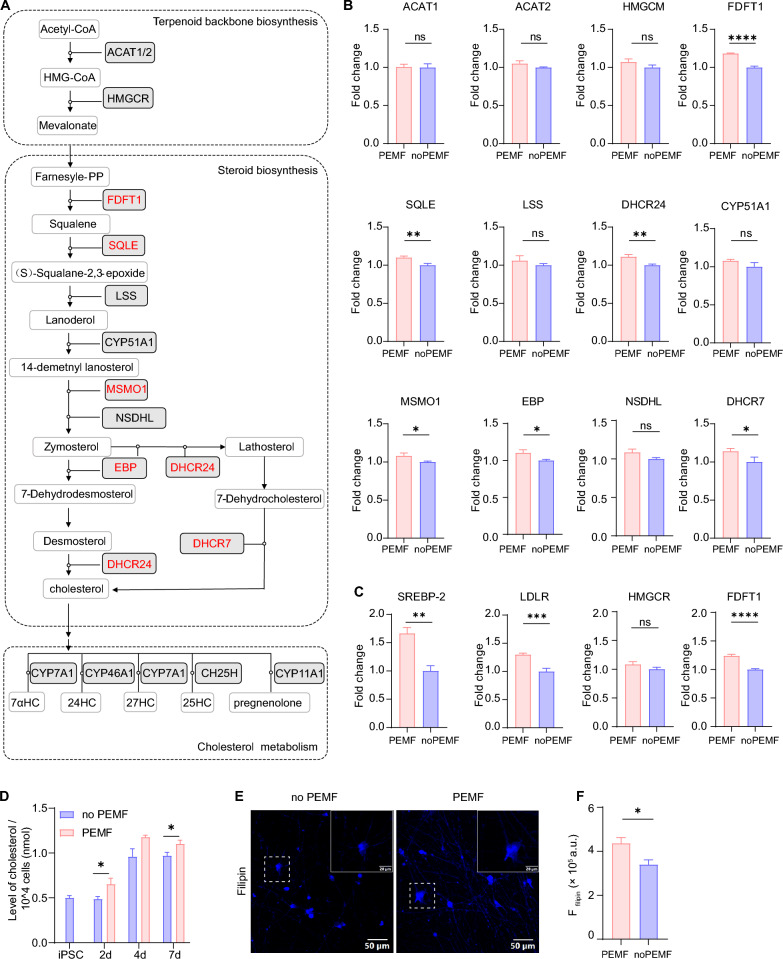 Figure 7
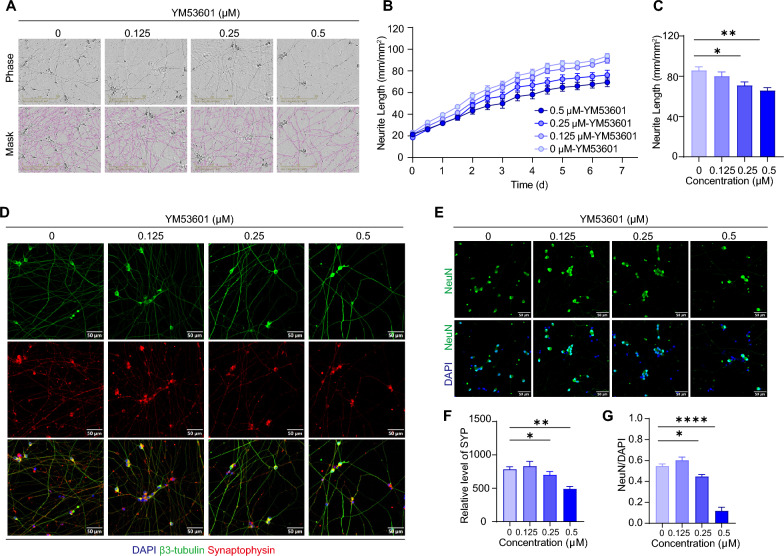 Figure 8
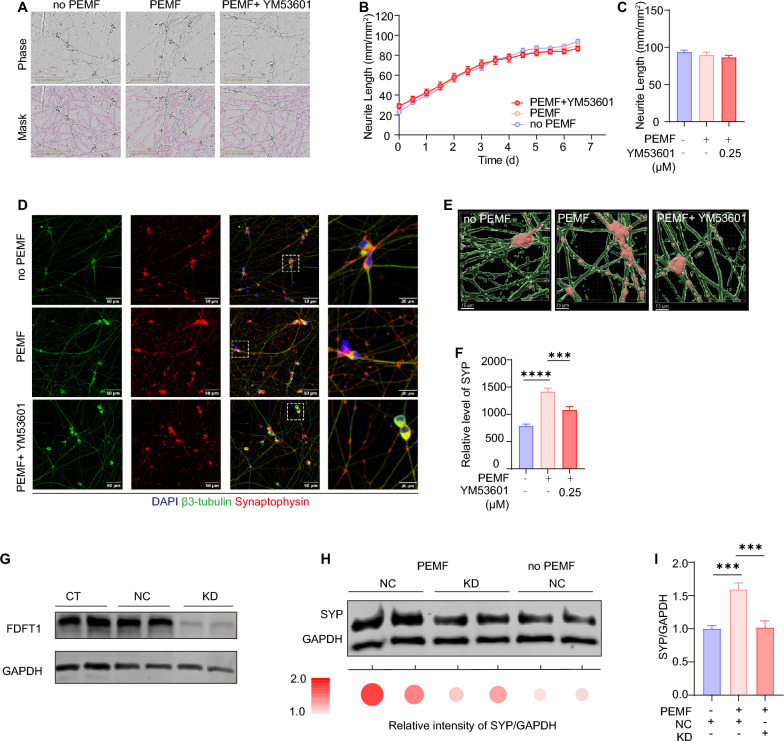 Figure 9
Peer Reviews
No public reviews on file for this paper yet. If you reviewed it on a platform where reviews are public (OpenReview, ICLR, NeurIPS, ICML), you can paste yours below so the community can read it here.
Videos
No videos yet. Explain this paper in a talk, walkthrough, or lecture? Add one.
Taxonomy
TopicsNeuroscience and Neural Engineering · Pluripotent Stem Cells Research · Neuroethics, Human Enhancement, Biomedical Innovations