Introducing a revised version of the Kumamoto scale as an easy-to-use clinical tool for monitoring multisystemic changes in hereditary transthyretin amyloidosis
Jonas Wixner, Björn Pilebro, Tale N. Wien, Per Eldhagen, Henning Mölgaard, Björn Hedström, Astrid J. Terkelsen

TL;DR
This paper introduces an updated version of the Kumamoto scale, a clinical tool for monitoring multisystemic changes in hereditary transthyretin amyloidosis.
Contribution
The revised Kumamoto scale includes minor adjustments to improve sensitivity and precision for clinical monitoring of ATTRv amyloidosis.
Findings
The revised Kumamoto scale includes defined bedside instruments for sensory and motor levels.
Constipation was added as an indicator of autonomic dysfunction.
The scale remains reliable and easy to use for clinical monitoring.
Abstract
Hereditary transthyretin (ATTRv) amyloidosis is a rare but life-threatening multisystemic disease. Multiple disease-modifying treatments are now available and standardised instruments for early detection and disease monitoring are essential. Still, validated and easy-to-use tools for clinical follow-up are scarce. The Kumamoto scale was first described in 1997 as a method for systematically evaluating patients with ATTRv amyloidosis and has been used in clinical trials since. A panel of amyloidosis experts from Sweden, Denmark, and Norway discussed the strengths and limitations of the Kumamoto scale at the Nordic Amyloidosis Day at Arlanda in 2023, and it was decided to revise and improve the scale that has been used in routine clinical monitoring of patients in Sweden since 2020. Our aim is to introduce the revised version of the Kumamoto scale as a useful clinical monitoring tool.…
Genes, proteins, chemicals, diseases, species, mutations and cell lines named across the full text — each resolved to its canonical identifier and authoritative record.
Click any figure to enlarge with its caption.
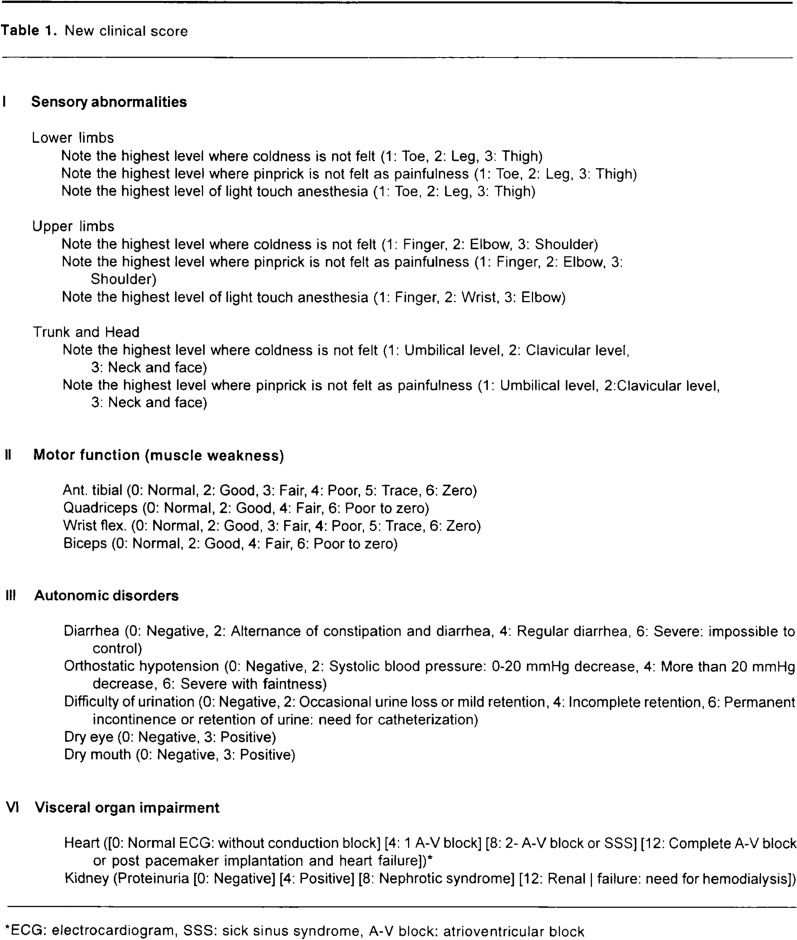 Figure 1
 Figure 2
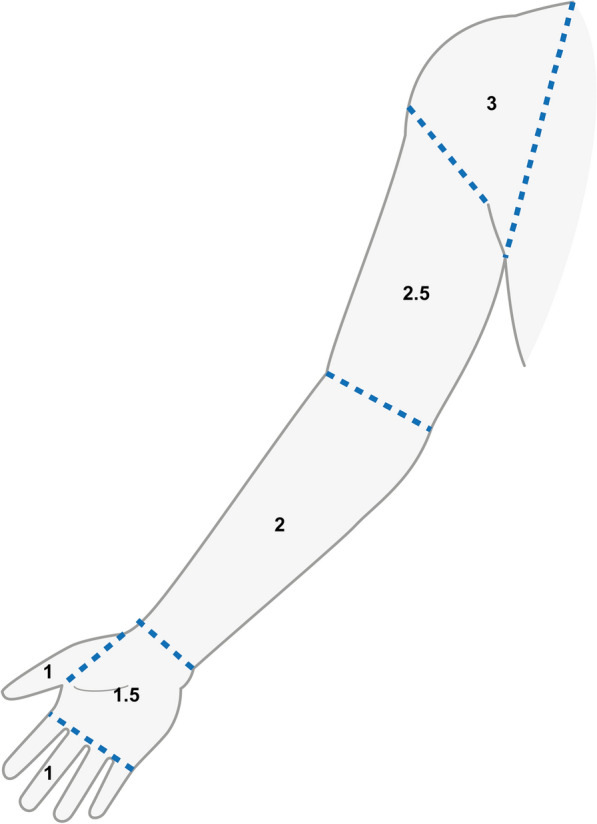 Figure 3
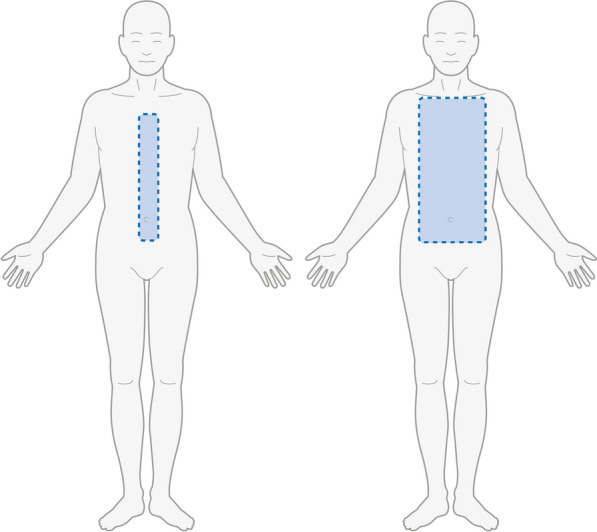 Figure 4
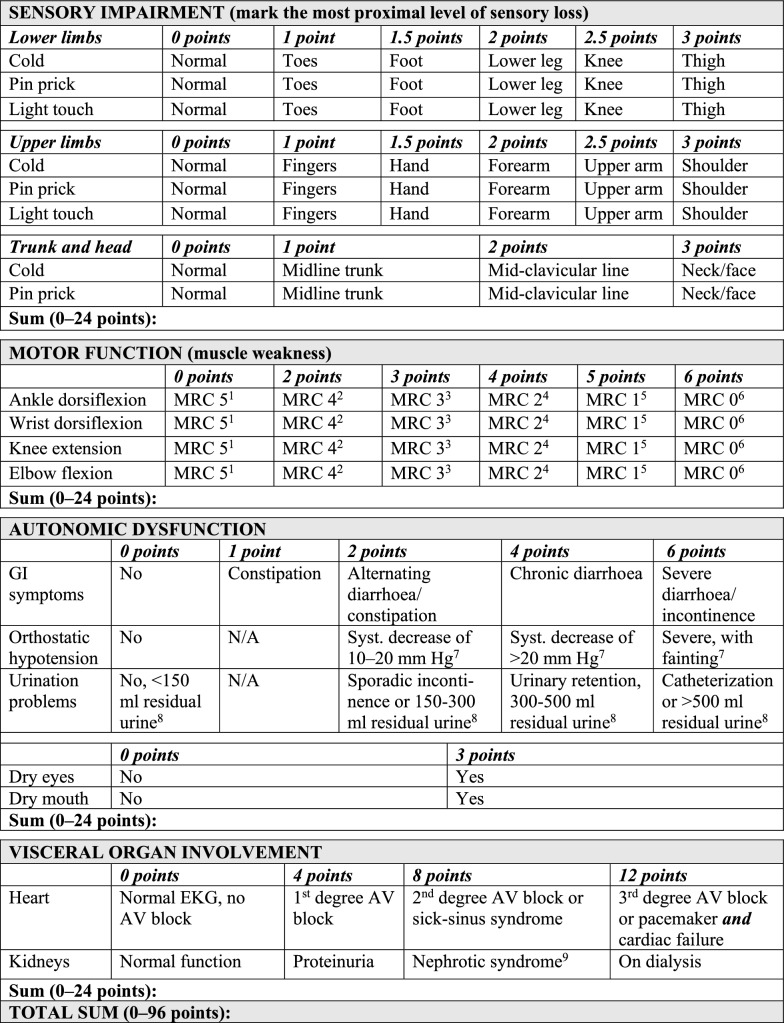 Figure 5
Peer Reviews
No public reviews on file for this paper yet. If you reviewed it on a platform where reviews are public (OpenReview, ICLR, NeurIPS, ICML), you can paste yours below so the community can read it here.
Videos
No videos yet. Explain this paper in a talk, walkthrough, or lecture? Add one.
Taxonomy
TopicsAmyloidosis: Diagnosis, Treatment, Outcomes · Dermatological and Skeletal Disorders · Protein Kinase Regulation and GTPase Signaling