Motion sickness susceptibility modulates the impact of electrical vestibular stimulation on postural control
Karina Moïn-Darbari, Daniel Paromov, Benoit-Antoine Bacon, Maxime Maheu, François Champoux

TL;DR
This study explores how motion sickness affects postural control during electrical vestibular stimulation, finding that those more susceptible to motion sickness are more affected.
Contribution
The study is the first to examine the effects of electrical vestibular stimulation on postural control in individuals with varying motion sickness susceptibility.
Findings
No significant group differences in postural control were found at baseline.
High susceptibility to motion sickness correlates with greater postural impact during vestibular stimulation.
The eyes closed on firm surface condition showed the most significant effect in motion sickness-prone individuals.
Abstract
Motion sickness is defined as a sensation of uneasiness that occurs during physical motion, such as transportation by bus, plane, car or train. Postural control is one of the multisensory processes that has been examined in individuals susceptible to motion sickness. Indeed, postural control relies on visual, somatosensory and vestibular information. While studies suggest normal-like postural control during quiet standing, others suggest that individuals with motion sickness show increased postural instability during sensory perturbations, namely during visual and somatosensory disturbances. The impact of vestibular stimulation on postural control in individuals with motion sickness has yet to be determined. Therefore, the aim of the present exploratory study was to examine the effects of sinusoidal electrical vestibular stimulation on postural control in individuals with varying…
Genes, proteins, chemicals, diseases, species, mutations and cell lines named across the full text — each resolved to its canonical identifier and authoritative record.
Click any figure to enlarge with its caption.
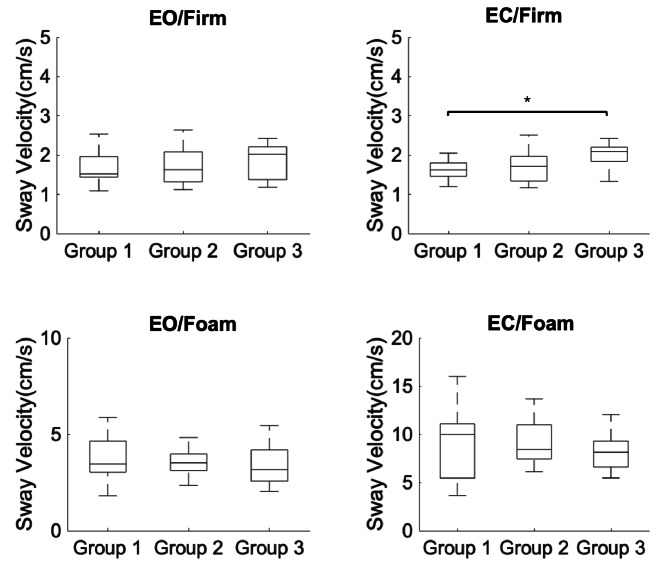 Figure 1
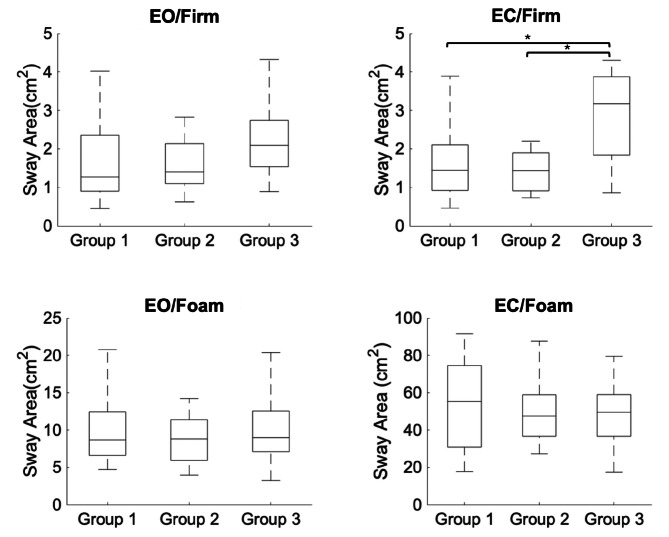 Figure 2
Peer Reviews
No public reviews on file for this paper yet. If you reviewed it on a platform where reviews are public (OpenReview, ICLR, NeurIPS, ICML), you can paste yours below so the community can read it here.
Videos
No videos yet. Explain this paper in a talk, walkthrough, or lecture? Add one.
Taxonomy
TopicsVestibular and auditory disorders · Ophthalmology and Eye Disorders · Action Observation and Synchronization