Posterior predictive checks for the detection of extreme response style
Martijn Schoenmakers, Jesper Tijmstra, Jeroen Vermunt, Maria Bolsinova

TL;DR
This paper explores using Bayesian posterior predictive checks to detect extreme response styles in surveys without needing extra questionnaires or complex models.
Contribution
The paper introduces Bayesian posterior predictive checks as a novel method for detecting extreme response styles in questionnaire data.
Findings
Posterior predictive checks can detect extreme response styles at both group and individual levels.
The method does not require additional questionnaires or assumptions about the nature of extreme response styles.
Various PPCs tailored to ERS are proposed and tested in an empirical example.
Abstract
Extreme response style (ERS), the tendency of participants to select extreme item categories regardless of the item content, has frequently been found to decrease the validity of Likert-type questionnaire results (e.g., Moors, European Journal of Work and Organizational Psychology, 21, 271–298, 2012). For this reason, detecting ERS at both the group and individual levels is of paramount importance. While various approaches to detecting ERS exist, these may conflate ERS with the trait of interest, require additional questionnaires to be administered, or require the use of mixture or multidimensional IRT models. As an alternative approach to detecting ERS, Bayesian posterior predictive checks (PPCs) may be a viable option. Posterior predictive checking offers a highly customizable framework for detecting model misfit, which can be directly applied to frequently used unidimensional IRT…
Genes, proteins, chemicals, diseases, species, mutations and cell lines named across the full text — each resolved to its canonical identifier and authoritative record.
Click any figure to enlarge with its caption.
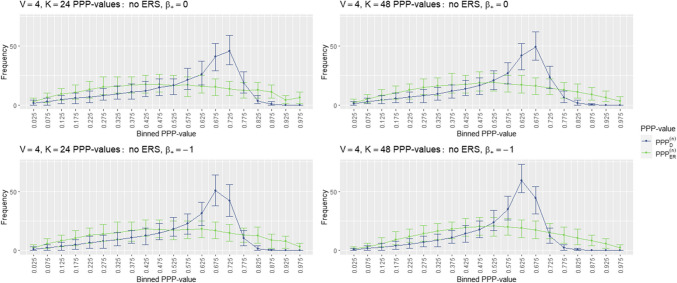 Figure 10
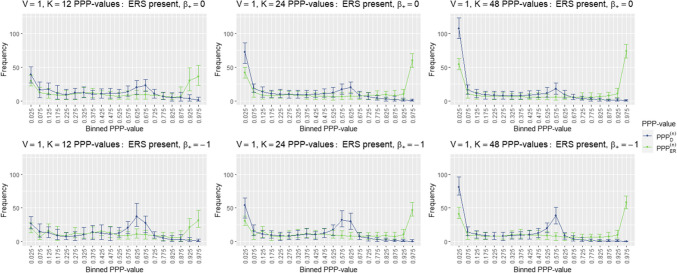 Figure 11
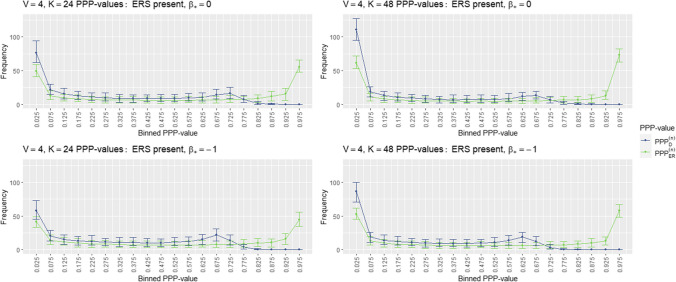 Figure 12
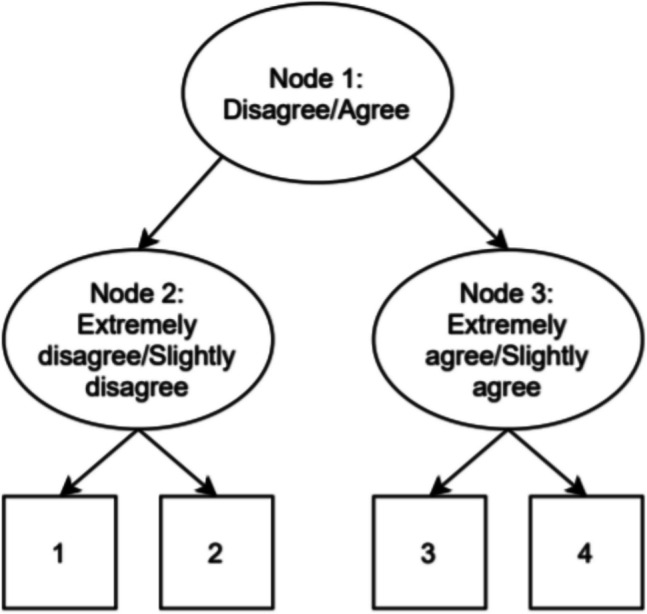 Figure 1
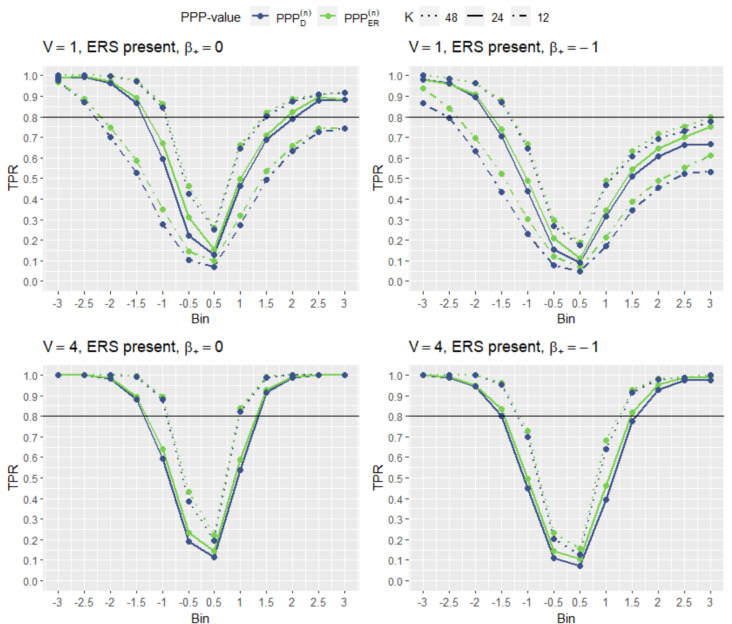 Figure 2
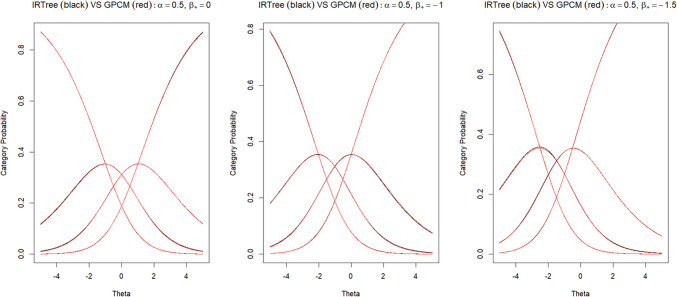 Figure 3
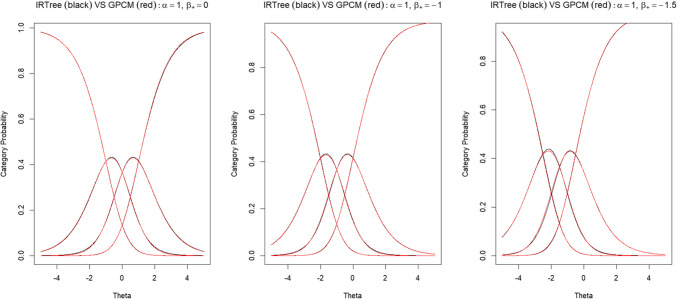 Figure 4
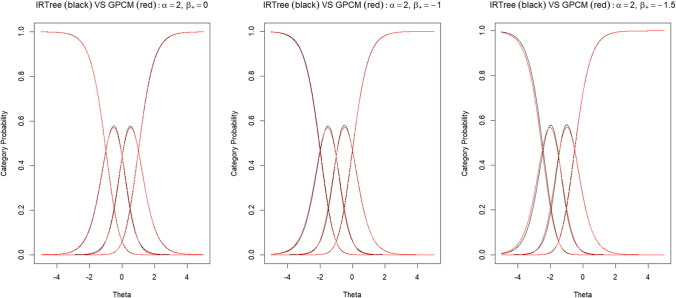 Figure 5
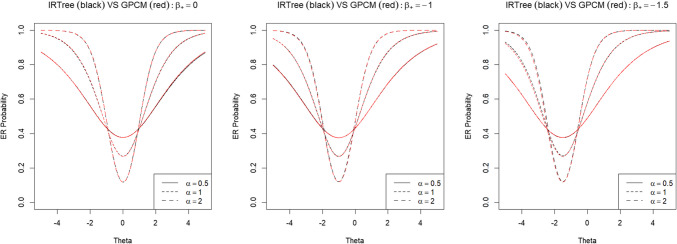 Figure 6
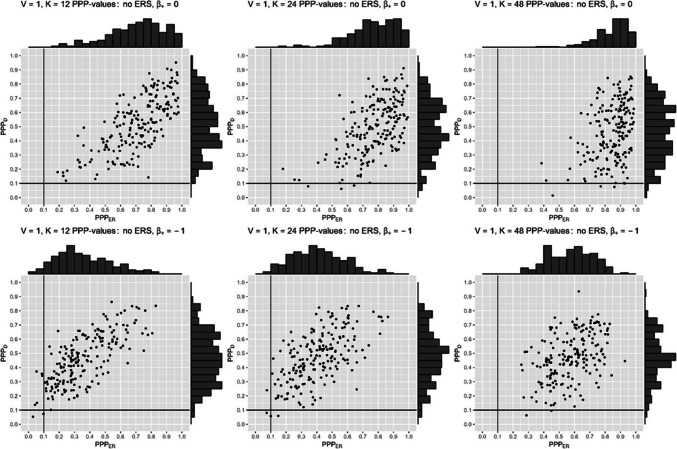 Figure 7
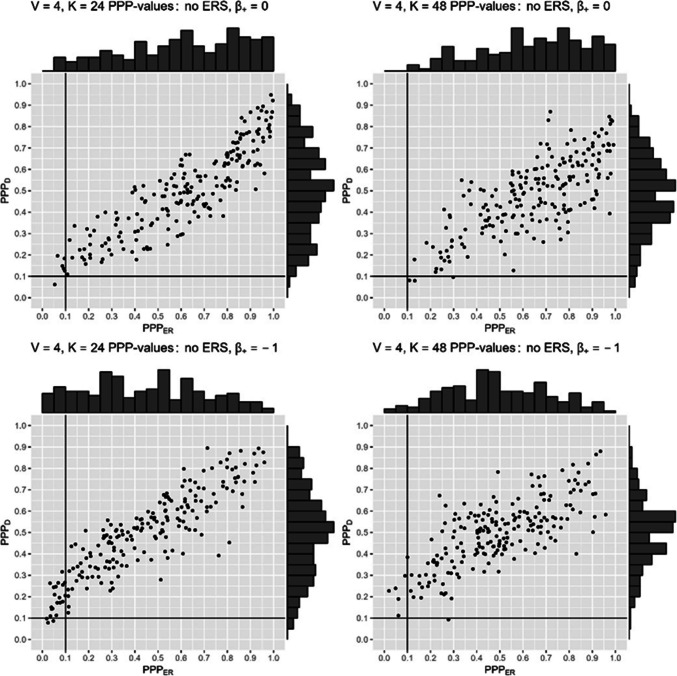 Figure 8
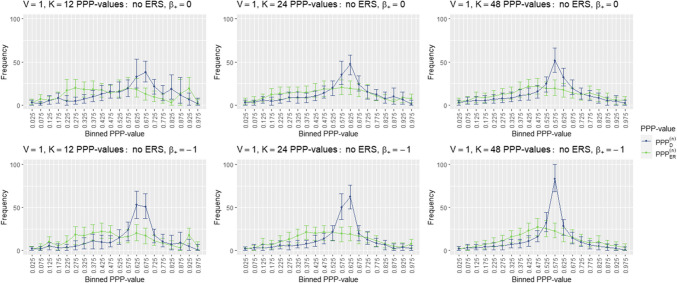 Figure 9
Peer Reviews
No public reviews on file for this paper yet. If you reviewed it on a platform where reviews are public (OpenReview, ICLR, NeurIPS, ICML), you can paste yours below so the community can read it here.
Videos
No videos yet. Explain this paper in a talk, walkthrough, or lecture? Add one.
Taxonomy
TopicsPsychometric Methodologies and Testing · Advanced Statistical Modeling Techniques · Reliability and Agreement in Measurement