A Comparison Between Ultrasound-Guided Adductor Canal Block and Intra-articular Injection With Ropivacaine and Clonidine Combination for Postoperative Analgesia After Arthroscopic Knee Procedures: A Randomized, Double-Blind Clinical Study
Allwin Vino Prahasa, Anis Fathima, Nagalakshmi Palanisamy, Ranjan RV

TL;DR
This study compares two pain management techniques after knee arthroscopy and finds that an ultrasound-guided adductor canal block provides longer pain relief than an intra-articular injection.
Contribution
The study provides empirical evidence that ultrasound-guided adductor canal block offers superior postoperative analgesia compared to intra-articular injection with the same drug combination.
Findings
ACB group had a significantly longer time to first pain (385.50 minutes) compared to the IAA group (311.00 minutes).
ACB group required rescue analgesia later (478.00 minutes) than the IAA group (341.50 minutes).
ACB provided prolonged pain relief, reduced rescue analgesia need, and maintained hemodynamic stability.
Abstract
Background and objective In recent years, arthroscopic procedures have gained significant popularity due to their distinct advantages, including minimal invasiveness, reduced postoperative scarring, quicker recovery, and lower surgical risks. However, inadequate postoperative pain control following orthopedic surgeries can hinder early mobilization, delay rehabilitation, and prolong hospital stays. The adductor canal block (ACB) has emerged as a favorable option for postoperative analgesia in such cases, offering benefits like ease of administration, cost-effectiveness, and compatibility with both general and spinal anesthesia. Likewise, intra-articular analgesia (IAA) is another effective method for managing postoperative pain. In this study, we compared the efficacy of ACB with intra-articular injection of a combination of ropivacaine and clonidine in patients undergoing arthroscopic…
Genes, proteins, chemicals, diseases, species, mutations and cell lines named across the full text — each resolved to its canonical identifier and authoritative record.
Click any figure to enlarge with its caption.
 Figure 1
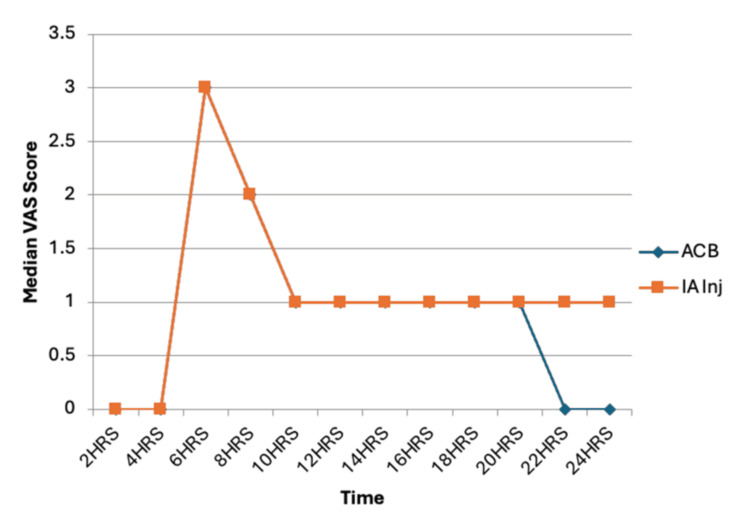 Figure 2
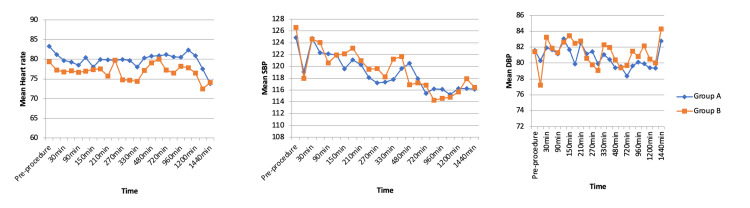 Figure 3
Peer Reviews
No public reviews on file for this paper yet. If you reviewed it on a platform where reviews are public (OpenReview, ICLR, NeurIPS, ICML), you can paste yours below so the community can read it here.
Videos
No videos yet. Explain this paper in a talk, walkthrough, or lecture? Add one.
Taxonomy
TopicsAnesthesia and Pain Management · Shoulder Injury and Treatment · Pediatric Pain Management Techniques