Re-examining the drivers of variation in parasite loads across hosts in the Tallis-Leyton model
R. McVinish

TL;DR
This paper studies how parasite loads vary among hosts using a model that considers factors like contact rates and parasite lifetimes.
Contribution
The study reveals that increased variability in parasite lifetimes can reduce variability in parasite loads among hosts.
Findings
Increased variability in parasite lifetimes decreases variability in parasite loads among hosts.
Variability in parasite loads is influenced by host age and the distribution of parasite lifetimes.
The model uses the Lorenz order to analyze variability in parasite loads.
Abstract
The Tallis-Leyton model is a simple model of parasite acquisition where parasites accumulate in the host without affecting the host’s mortality, or eliciting any immune reaction from the host. Furthermore, the parasites do not reproduce in the host. We examine how the variability in parasite loads among hosts is affected by the rate of infectious contacts, the distribution of parasite entering the host during infectious contacts, the host’s age, and the distribution of parasite lifetimes. Motivated by empirical studies in parasitology, variability is examined in the sense of the Lorenz order and related metrics. Perhaps counterintuitively, increased variability in the distribution of parasite lifetimes is seen to decrease variability in the parasite loads among hosts.
Genes, proteins, chemicals, diseases, species, mutations and cell lines named across the full text — each resolved to its canonical identifier and authoritative record.
Click any figure to enlarge with its caption.
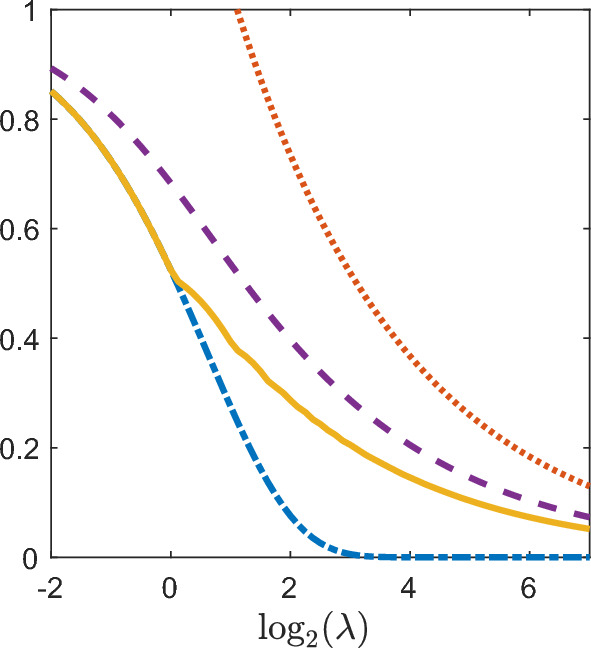 Figure 1
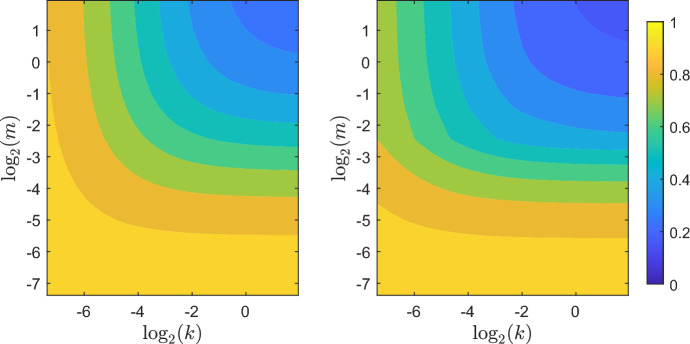 Figure 2
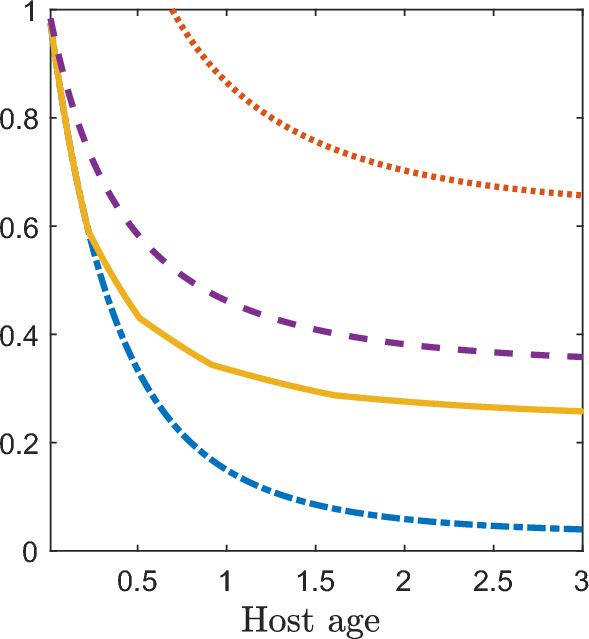 Figure 3
 Figure 4
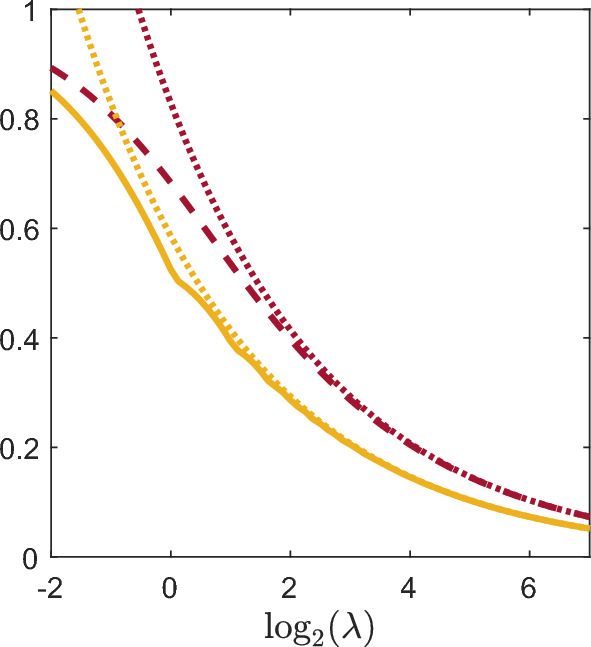 Figure 5
Peer Reviews
No public reviews on file for this paper yet. If you reviewed it on a platform where reviews are public (OpenReview, ICLR, NeurIPS, ICML), you can paste yours below so the community can read it here.
Videos
No videos yet. Explain this paper in a talk, walkthrough, or lecture? Add one.
Taxonomy
TopicsMathematical and Theoretical Epidemiology and Ecology Models · Parasite Biology and Host Interactions · Evolution and Genetic Dynamics