Indeterminate pulmonary lesions and lymphadenopathy: A trail leading to nature
Philipp Gessner, Maximillian Von Laffert, Sebastian Ullrich, Hubert Wirtz, Hans-Jürgen Seyfarth

TL;DR
Two patients with lung lesions and lymph node swelling were found to have tularemia, likely from hunting activities, and recovered with antibiotics.
Contribution
Identifies Francisella tularensis as the cause of granulomatous inflammation in patients with indeterminate pulmonary lesions.
Findings
Both patients showed granulomatous inflammation linked to Francisella tularensis infection.
Hunting activities were identified as a likely source of infection.
Antibiotic treatment led to uncomplicated recovery in both cases.
Abstract
Wir berichten über zwei Patienten, die im Jahr 2023 mit pulmonalen Herdbefunden und mediastinaler Lymphknotenschwellung im Universitätsklinikum Leipzig behandelt wurden. Histologisch zeigte sich in beiden Fällen eine granulomatöse Entzündungsreaktion. Als Ursache der Erkrankung konnte eine Infektion mit Francisella tularensis nachgewiesen werden. Für beide Patienten bestand die mutmaßliche Infektionsquelle in der freizeitlichen Beschäftigung mit der Jagd, die eines der Risiken für eine Infektion darstellt. Unter antibiotischer Therapie boten beide Fälle einen unkomplizierten Verlauf.
Genes, proteins, chemicals, diseases, species, mutations and cell lines named across the full text — each resolved to its canonical identifier and authoritative record.
Click any figure to enlarge with its caption.
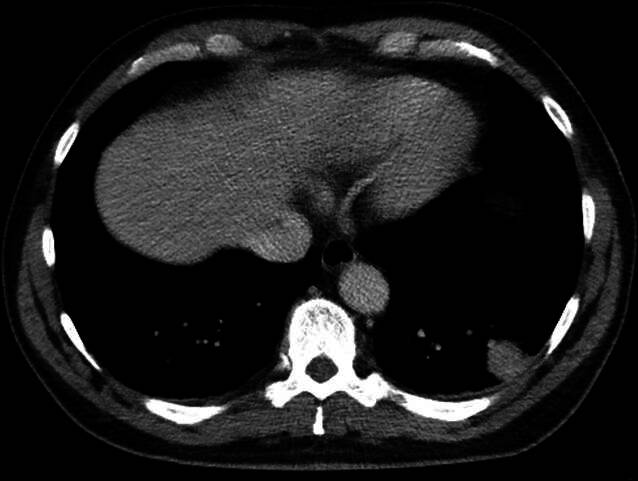 Figure 1
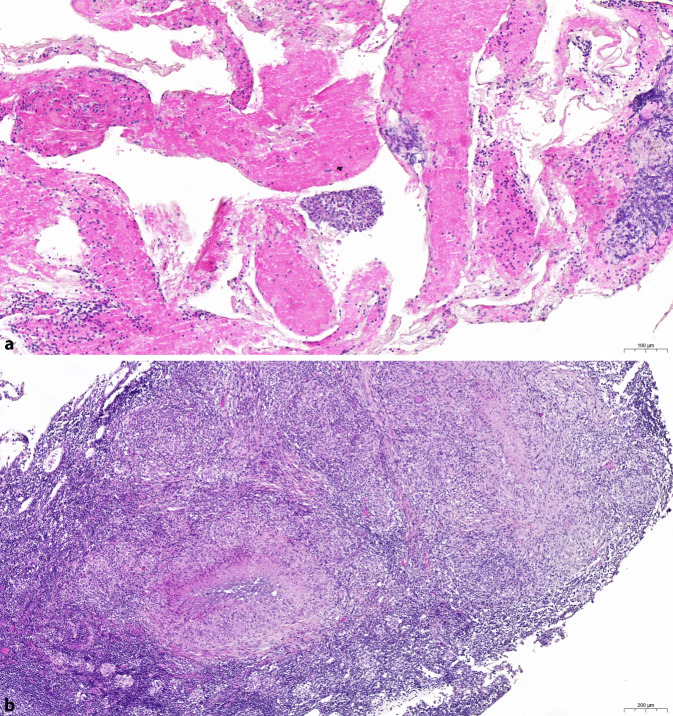 Figure 2
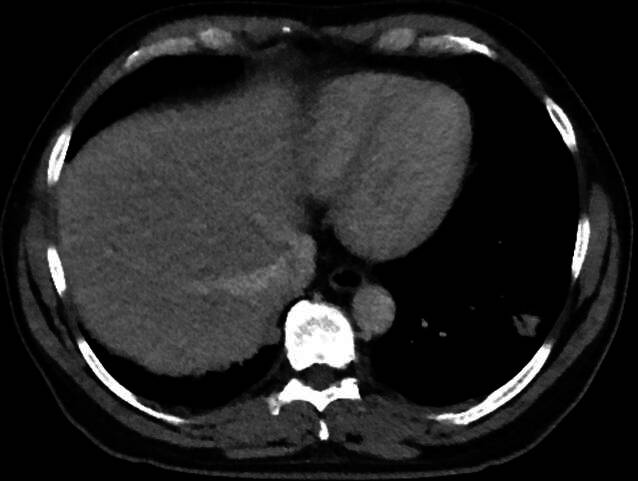 Figure 3
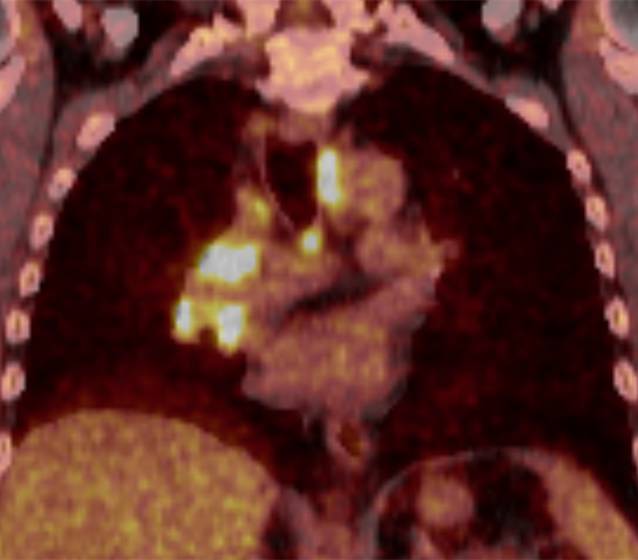 Figure 4
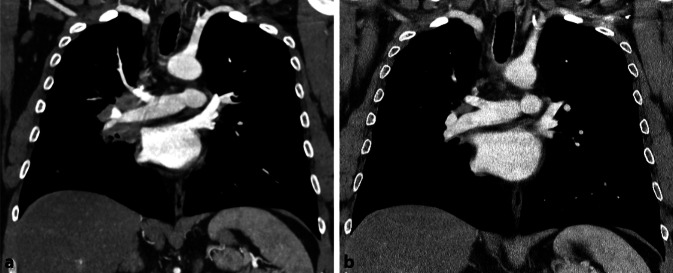 Figure 5
 Figure 6
Peer Reviews
No public reviews on file for this paper yet. If you reviewed it on a platform where reviews are public (OpenReview, ICLR, NeurIPS, ICML), you can paste yours below so the community can read it here.
Videos
No videos yet. Explain this paper in a talk, walkthrough, or lecture? Add one.
Taxonomy
TopicsBacillus and Francisella bacterial research · Poxvirus research and outbreaks · Bartonella species infections research