In Vivo and Bioinformatics Evaluation of Nine Traditional Chinese Medicine Compounds Targeting Acetylcholinesterase and Butyrylcholinesterase Enzymes in Alzheimer’s Disease
Xinyu Yang

TL;DR
This study evaluates nine traditional Chinese medicine compounds for their ability to inhibit enzymes linked to Alzheimer's disease and shows that two compounds, hainanolidol and norwogonin, offer strong inhibition and antioxidant effects.
Contribution
The study introduces hainanolidol and norwogonin as novel dual cholinesterase inhibitors with antioxidant properties for Alzheimer’s treatment.
Findings
Hainanolidol and norwogonin inhibited acetylcholinesterase and butyrylcholinesterase more effectively than standard drugs.
These compounds reduced oxidative stress markers in a rat model of Alzheimer’s disease.
Molecular docking and simulations confirmed stable enzyme binding and favorable pharmacokinetic profiles.
Abstract
Alzheimer’s disease (AD) is characterized by cholinergic dysfunction and oxidative stress, creating a need for the development of new therapeutic agents. Traditional Chinese medicine (TCM) compounds, such as hainanolidol and norwogonin, have shown potential neuroprotective activity. This study investigates the inhibitory action of these compounds on cholinesterase enzymes and their possible therapeutic application in an AD-like rat model generated by lead acetate (PbAc), a well-known neurotoxicant that mimics AD-associated oxidative damage and cognitive decline. The cholinesterase inhibitory activity of nine TCM compounds was assessed in vitro against acetylcholinesterase (AChE) and butyrylcholinesterase (BuChE), with donepezil and tacrine as controls. Hainanolidol and norwogonin, identified as the most potent inhibitors, were further evaluated in a PbAc-induced AD rat model to assess…
Genes, proteins, chemicals, diseases, species, mutations and cell lines named across the full text — each resolved to its canonical identifier and authoritative record.
Click any figure to enlarge with its caption.
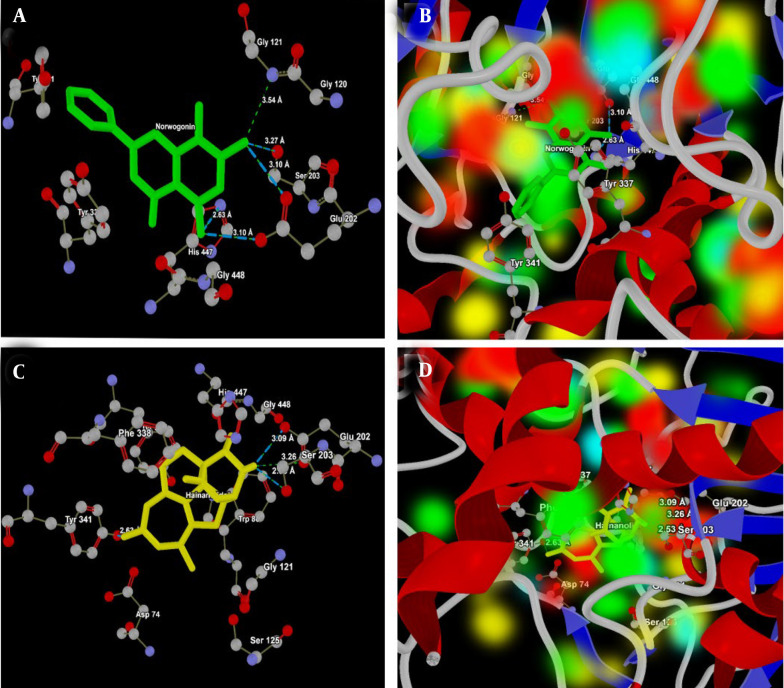 Figure 1
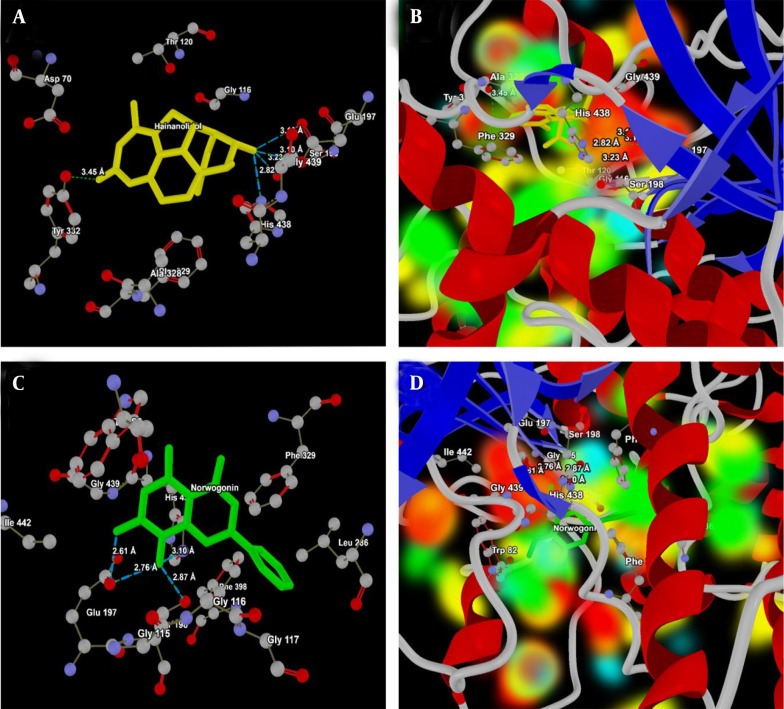 Figure 2
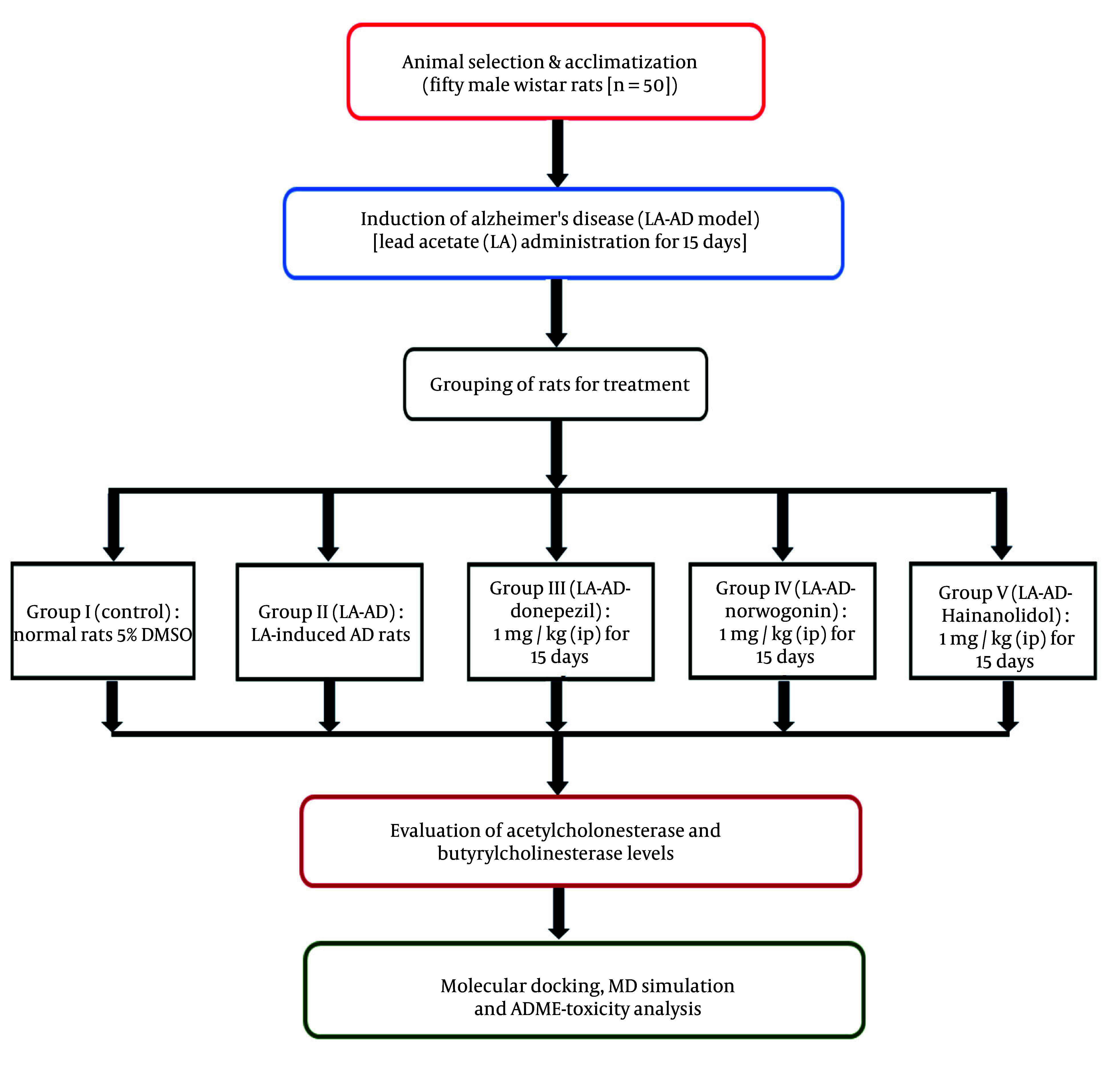 Figure 3
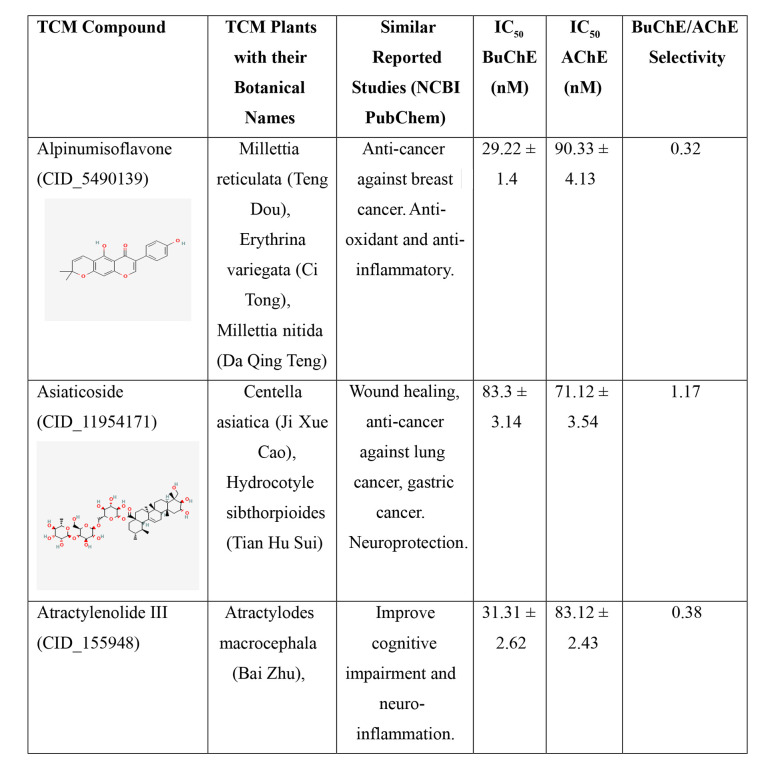 Figure 4
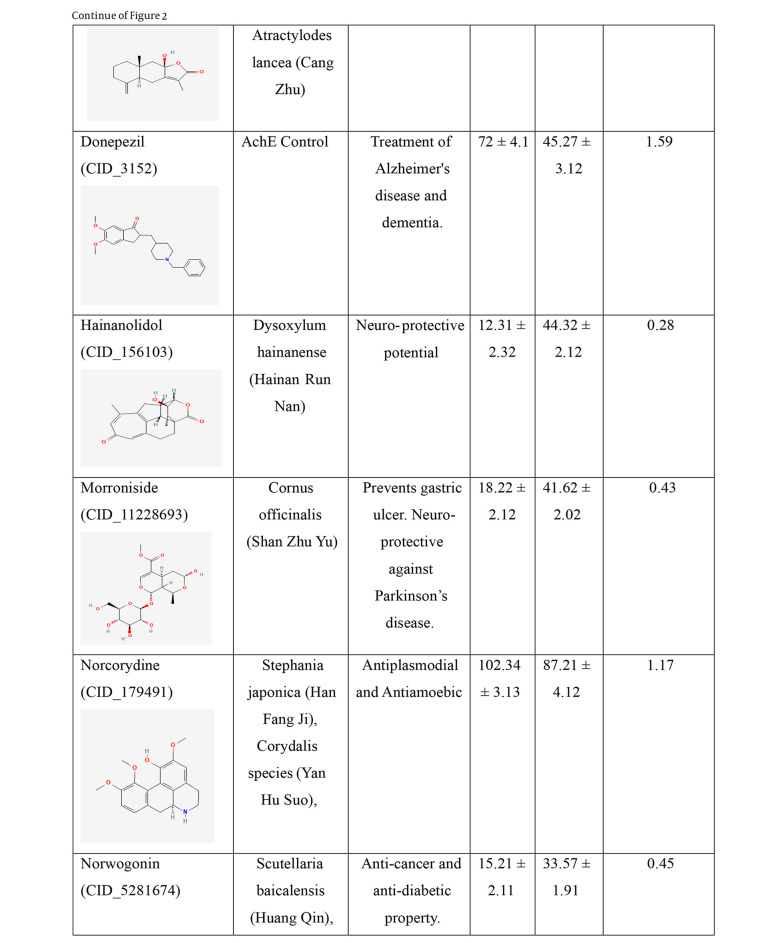 Figure 5
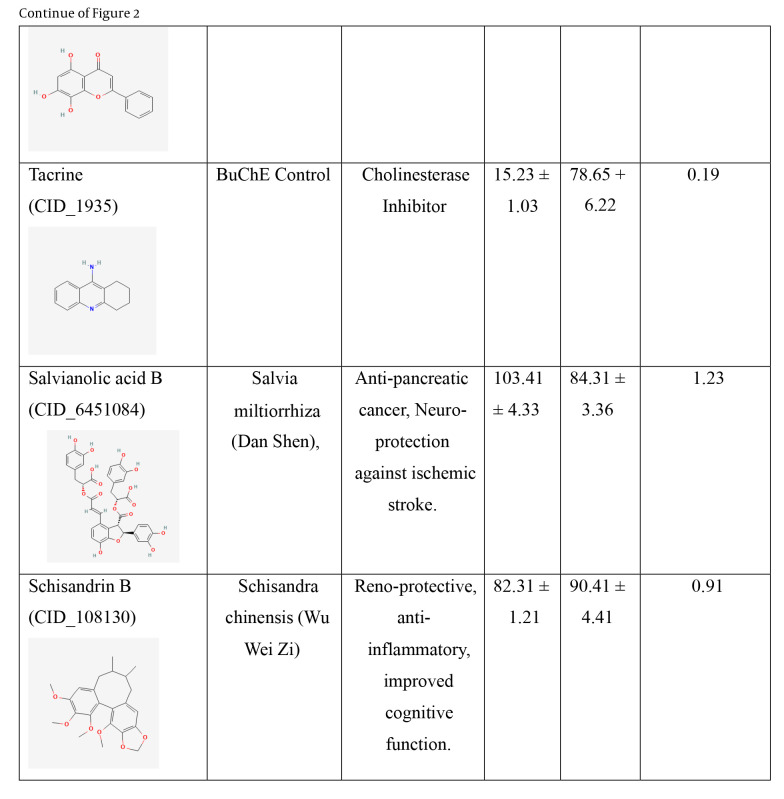 Figure 6
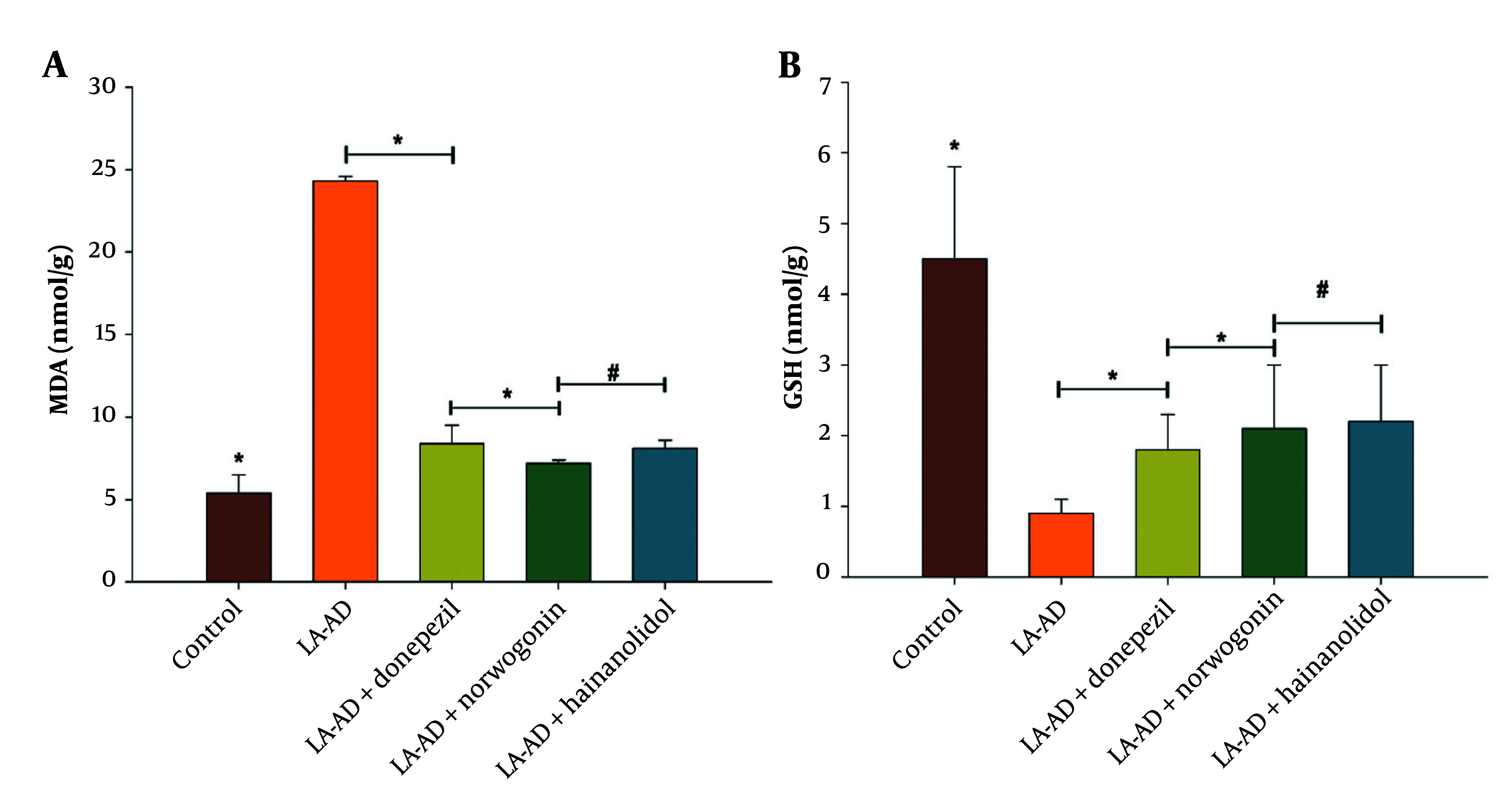 Figure 7
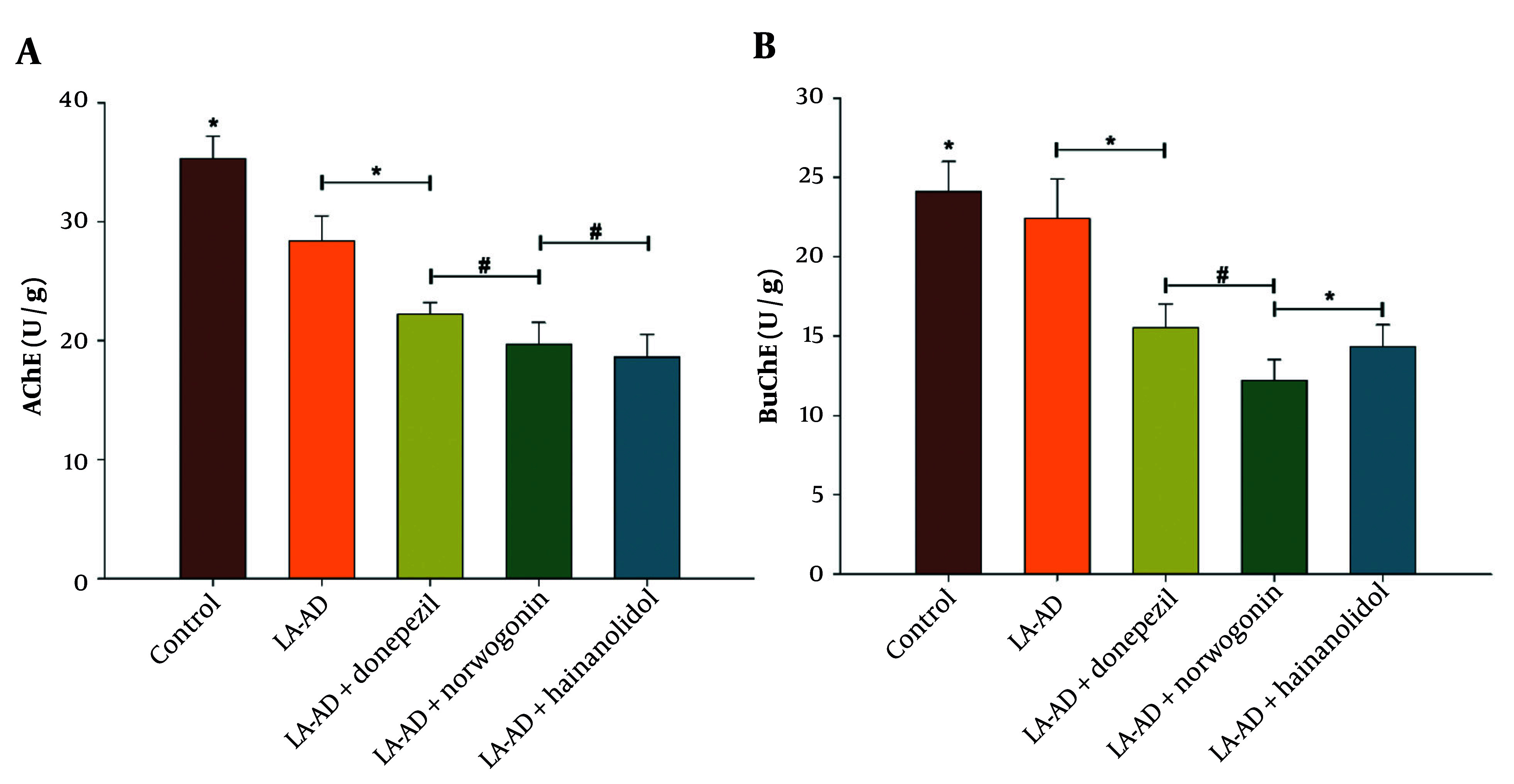 Figure 8
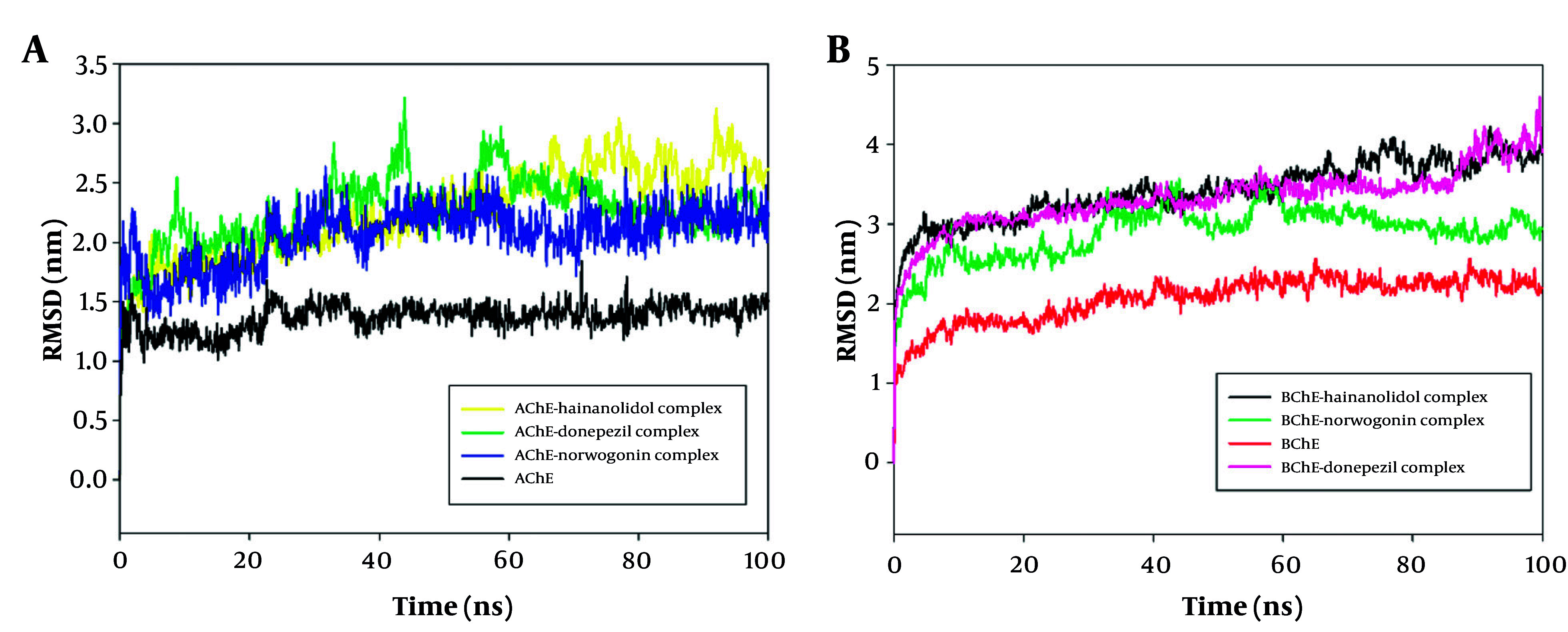 Figure 9
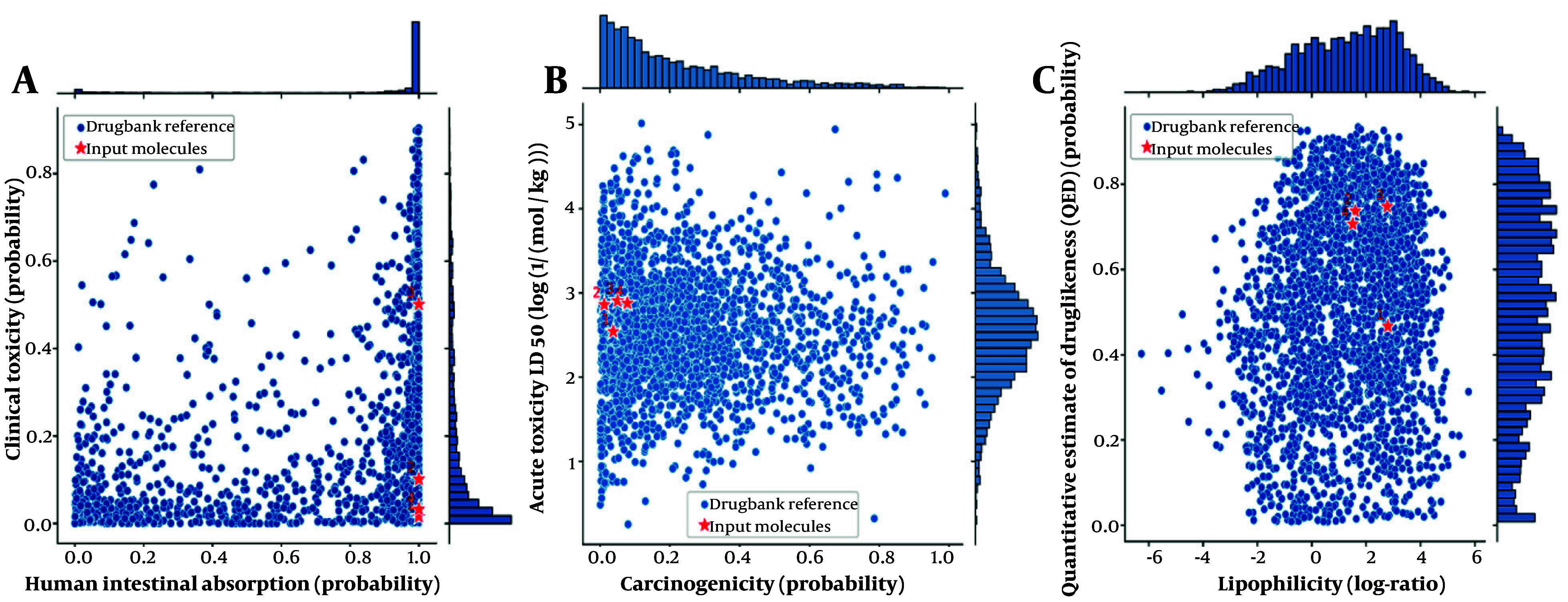 Figure 10
Peer Reviews
No public reviews on file for this paper yet. If you reviewed it on a platform where reviews are public (OpenReview, ICLR, NeurIPS, ICML), you can paste yours below so the community can read it here.
Videos
No videos yet. Explain this paper in a talk, walkthrough, or lecture? Add one.
Taxonomy
TopicsCholinesterase and Neurodegenerative Diseases · Computational Drug Discovery Methods · Free Radicals and Antioxidants