Diagnosis and management of bilateral and multiple semicircular canal dehiscence: a case report
Taha Benatiya Andaloussi, Mohamed Bouqes, Naouar Ouattassi, Mohamed Afellah, Mohammed Ridal, Najib Benmansour, Zouheir Zaki, Abdellatif Oudidi, Mohamed Noureddine El Amine El Alami

TL;DR
A 59-year-old dentist with chronic imbalance and dizziness was diagnosed with rare bilateral multiple semicircular canal dehiscence through imaging and functional tests.
Contribution
This case report adds to the limited literature on multiple semicircular canal dehiscence by detailing its clinical presentation and diagnostic confirmation.
Findings
The patient exhibited neurovegetative symptoms and vibratory-induced nystagmus consistent with vestibular dysfunction.
High-resolution CT imaging confirmed dehiscence in multiple canals bilaterally, including posterior and superior canals on the right and posterior on the left.
Caloric testing showed left preponderance, indicating asymmetrical vestibular involvement.
Abstract
Semicircular canal dehiscence (SCCD) is a rare inner ear disease caused by an anatomical defect in the bony covering of the semicircular canal (SCC). This condition most commonly affects the superior semicircular canal, and less frequently involves multiple canals in one or both ears. Although the clinical and physiological features of a single SCCD are well known, there are only a few reported cases of multiple semicircular canal dehiscences. Thus, their clinical and physiological characteristics require further investigation. We present the case of a 59-year-old male patient of Moroccan ethnicity who presented with chronic imbalance and mild dizziness, induced by loud noises. As a dentist, he experienced extreme difficulty while drilling his patients' teeth, exhibiting nausea, tachycardia, and sweating. Clinical oto-vestibular and neurological examinations, tonal audiometry, and…
Genes, proteins, chemicals, diseases, species, mutations and cell lines named across the full text — each resolved to its canonical identifier and authoritative record.
Click any figure to enlarge with its caption.
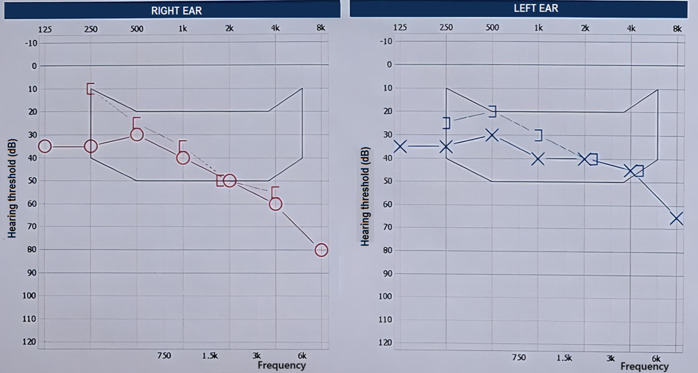 Figure 1
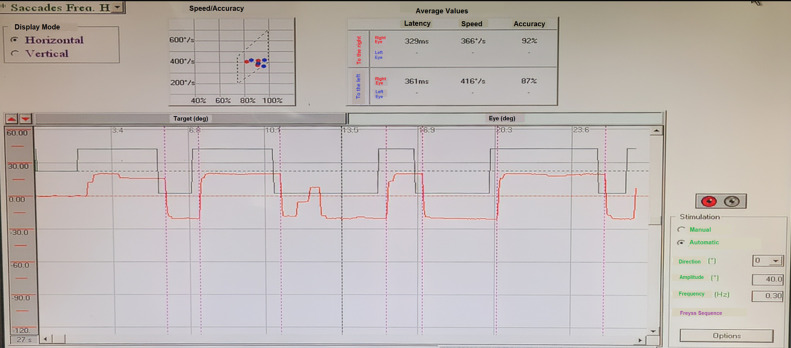 Figure 2
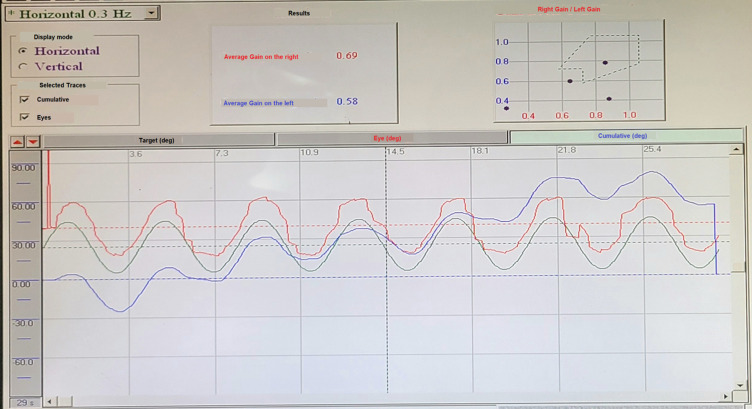 Figure 3
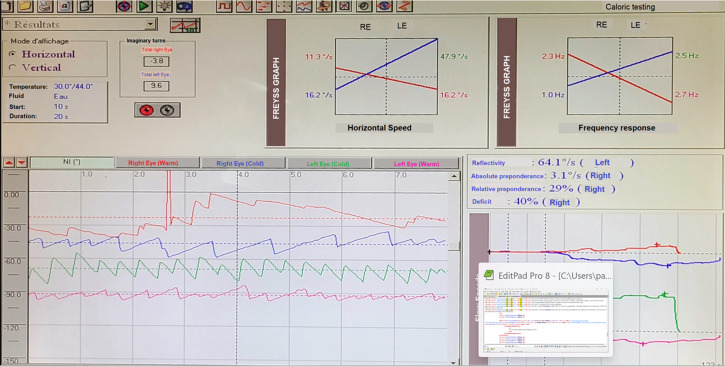 Figure 4
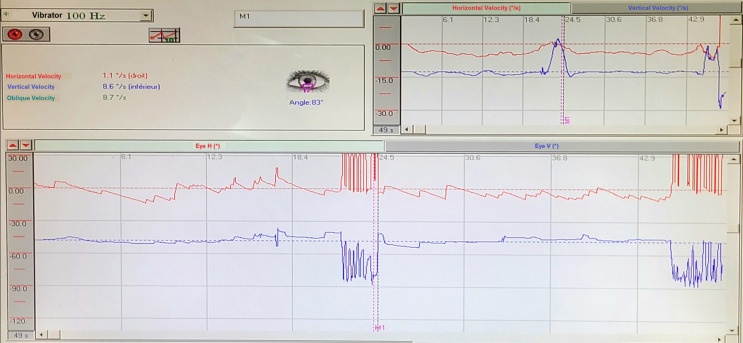 Figure 5
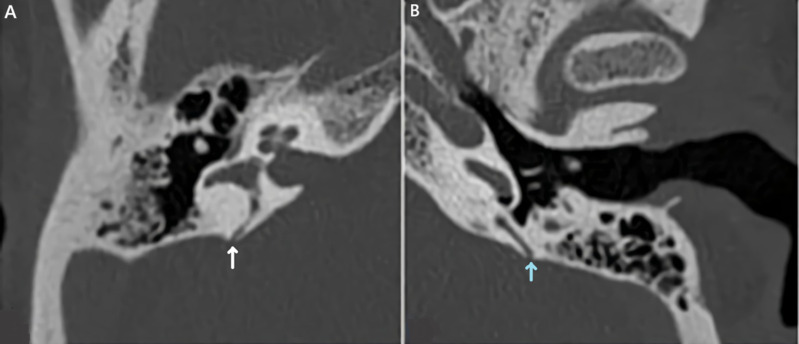 Figure 6
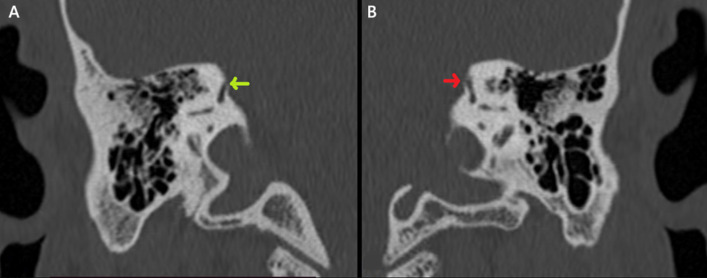 Figure 7
Peer Reviews
No public reviews on file for this paper yet. If you reviewed it on a platform where reviews are public (OpenReview, ICLR, NeurIPS, ICML), you can paste yours below so the community can read it here.
Videos
No videos yet. Explain this paper in a talk, walkthrough, or lecture? Add one.
Taxonomy
TopicsPeripheral Nerve Disorders · Glaucoma and retinal disorders · Cardiac Arrhythmias and Treatments