Short-term consumption of the modified standard American diet perturbed the metabolic balance and altered DNA damage in MMTV-PyMT transgenic mice
Arlet Hernandez, Alekhya Puppala, Jenna Hedlich-Dwyer, Nayonika Mukherjee, Guihua Zhai, Valeria L. Dal Zotto, Bohan Ning, Hua Guo, Ritu Aneja, Natalie R. Gassman

TL;DR
A modified American diet increased weight and DNA damage in mice with breast cancer, potentially making tumors more aggressive.
Contribution
The study introduces a diet model that reflects typical American eating habits and links it to breast cancer progression.
Findings
The SAD2 diet caused increased body weight and adiposity in mice.
The diet led to earlier tumor initiation and decreased survival in mice.
The diet increased oxidative DNA damage and AGEs, along with Foxm1 and Glut1 expression in tumors.
Abstract
Risk factors for breast cancer include obesity and hyperglycemia, which are associated with poor survival. Previous studies have used high-fat diets (HFDs) or Western-style diets to model dietary influences on breast cancer progression. However, these diets do not reflect the energy-dense, nutrient-poor diets that Americans typically consume. To address this gap in our understanding of the interplay between diet and breast cancer progression, we examined the effects of a modified standard American diet (SAD2) on mammary tumorigenesis in the MMTV-PyMT transgenic murine model and their FVB/N controls. MMTV-PyMT and FVB/N mice were fed normal chow or the experimental diet SAD2 for up to 12 weeks. We evaluated body weight, blood glucose, adiposity, cytokine, and tumor characteristics to measure SAD2 diet-induced changes in breast tumor development. Increased body weight and adiposity were…
Genes, proteins, chemicals, diseases, species, mutations and cell lines named across the full text — each resolved to its canonical identifier and authoritative record.
Click any figure to enlarge with its caption.
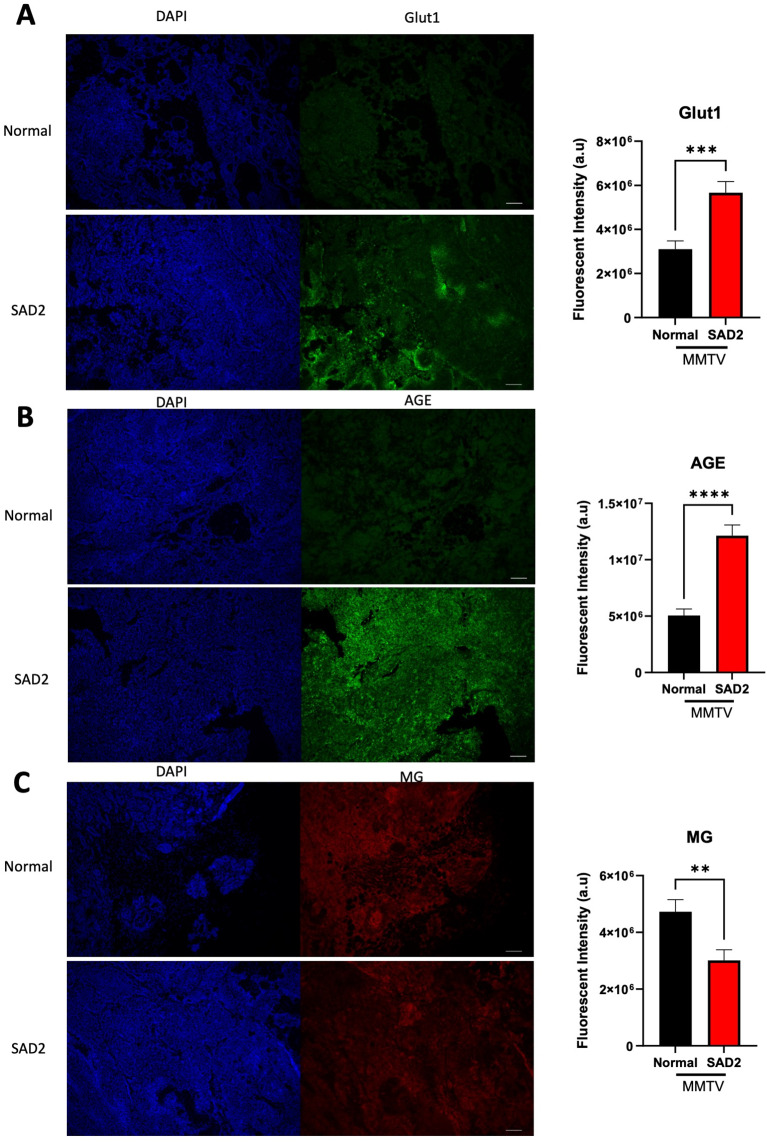 Figure 10
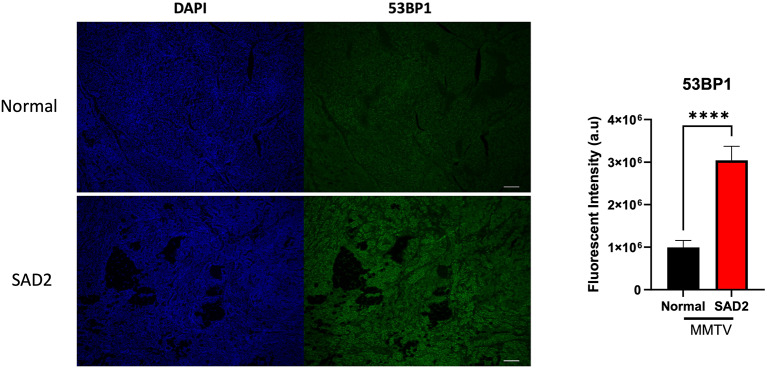 Figure 11
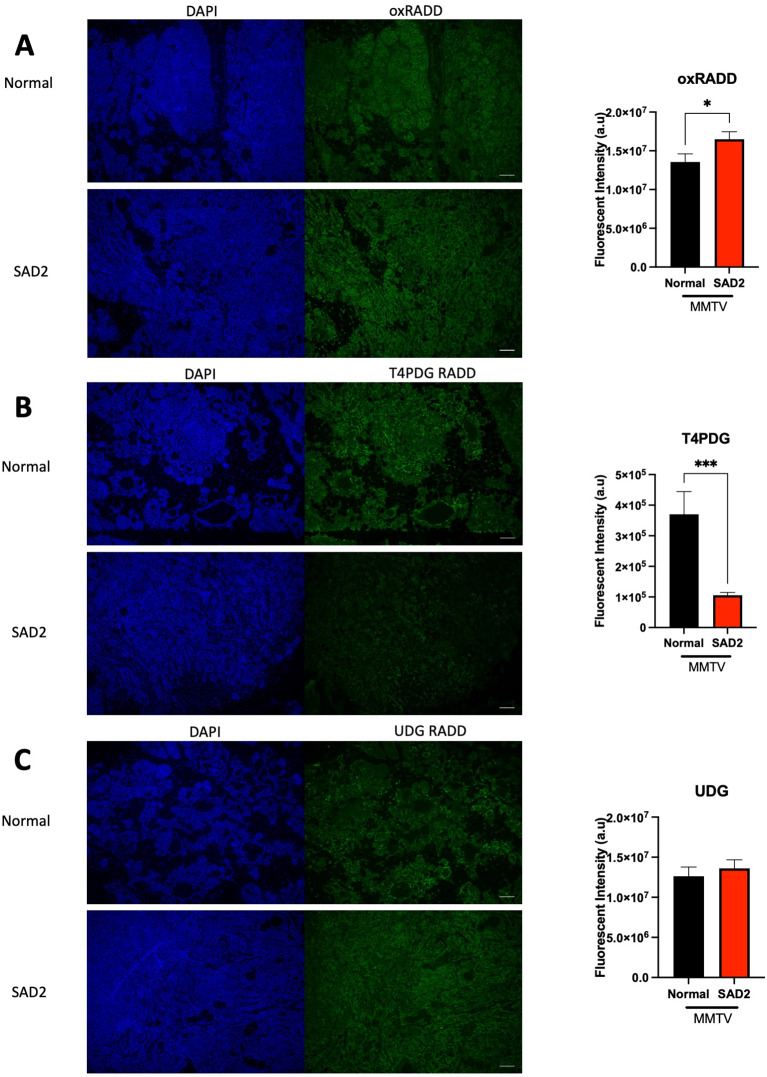 Figure 12
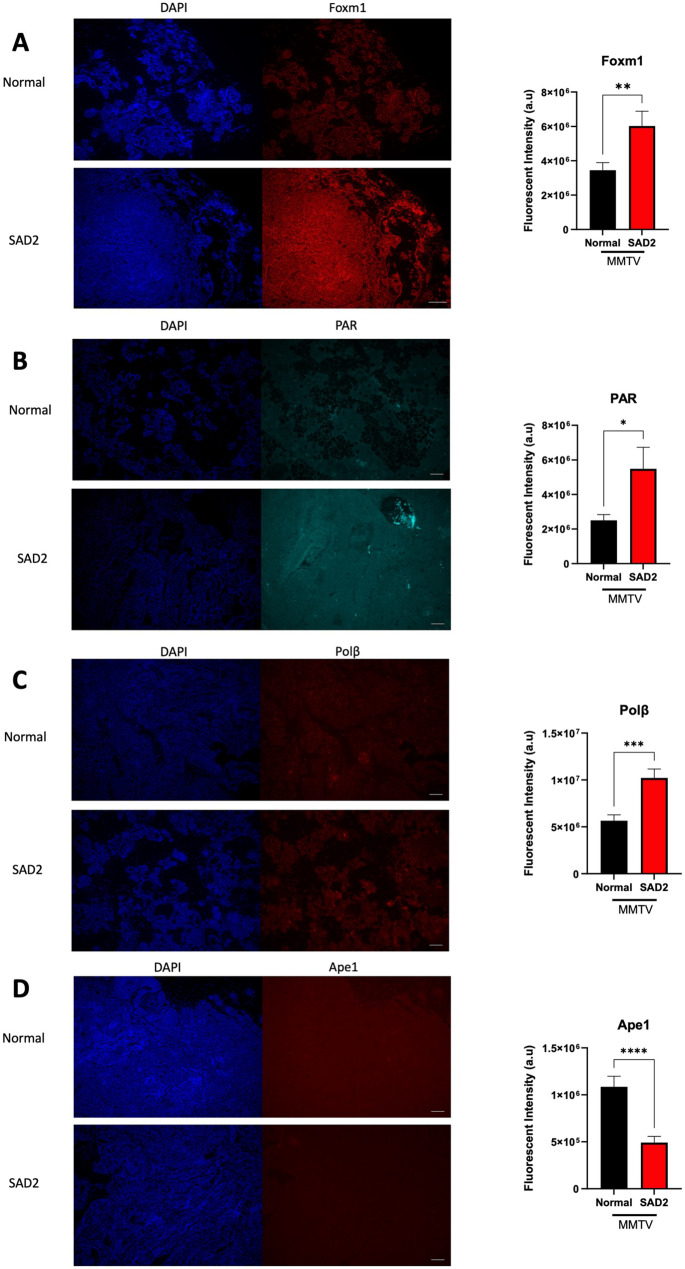 Figure 13
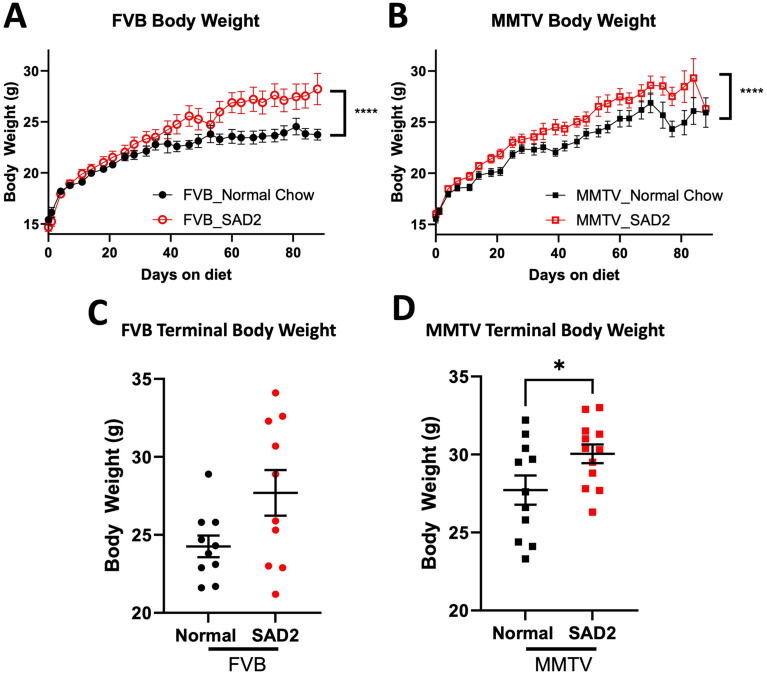 Figure 1
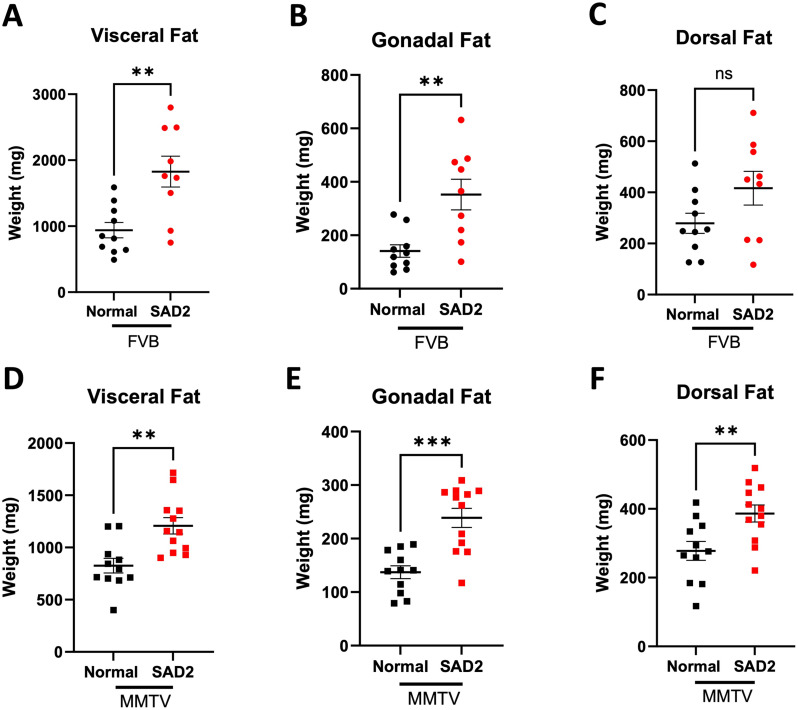 Figure 2
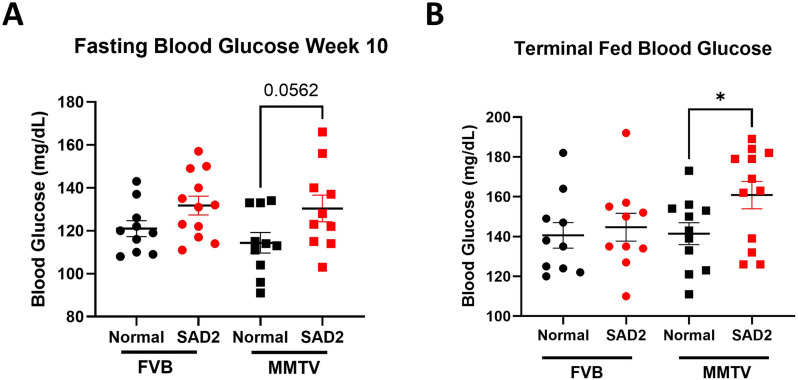 Figure 3
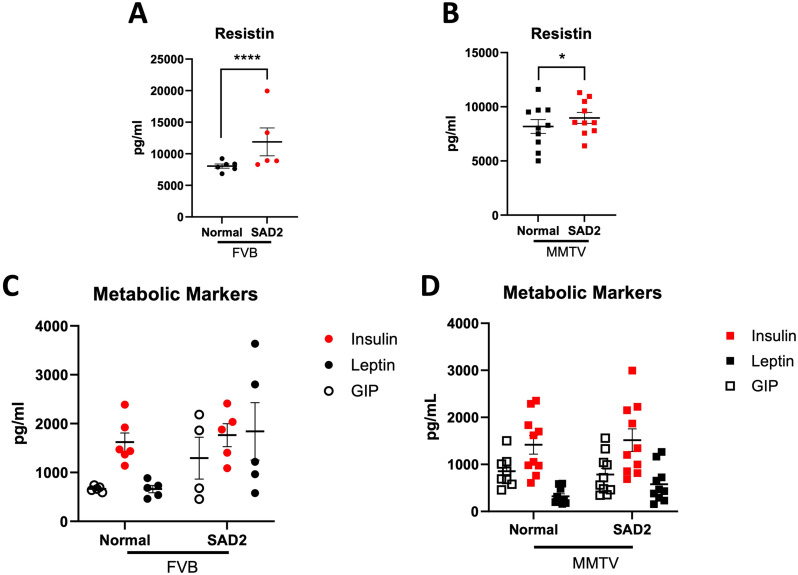 Figure 4
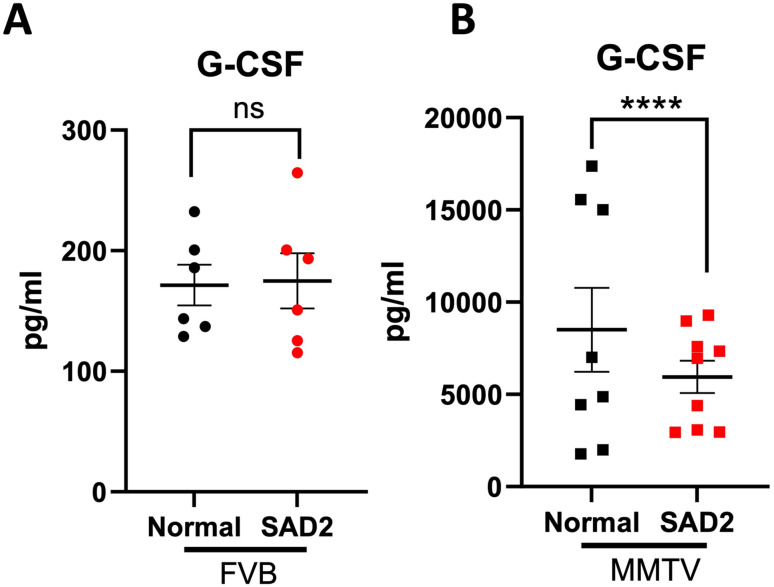 Figure 5
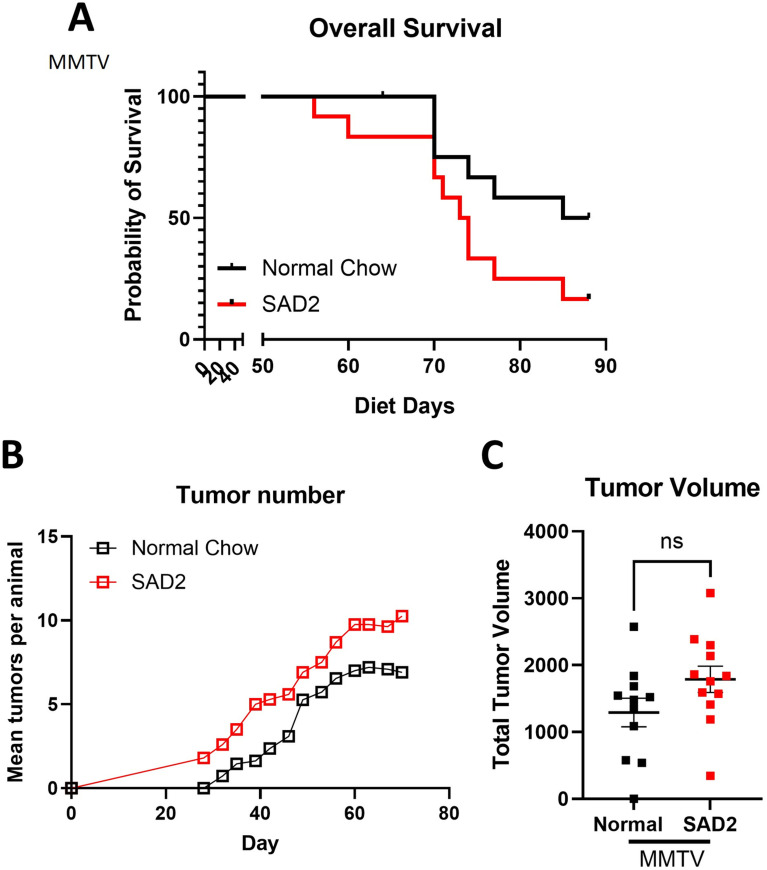 Figure 6
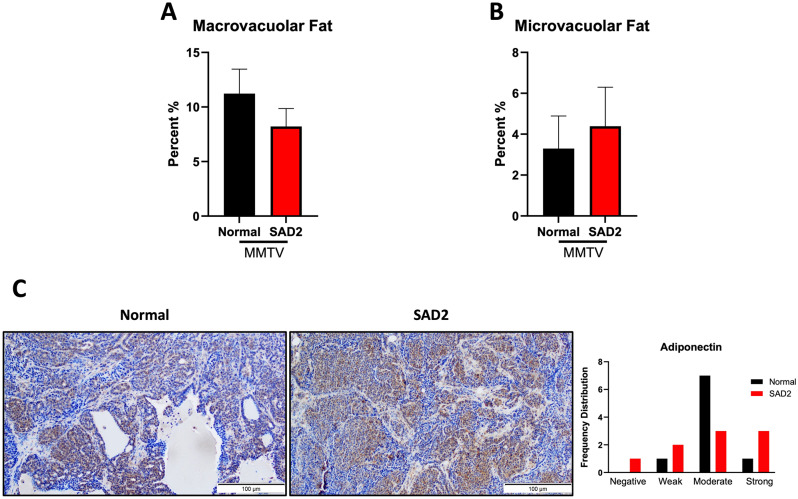 Figure 7
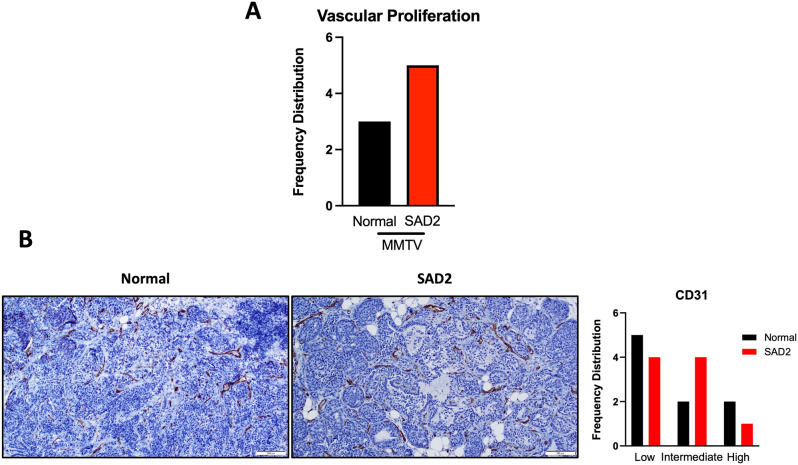 Figure 8
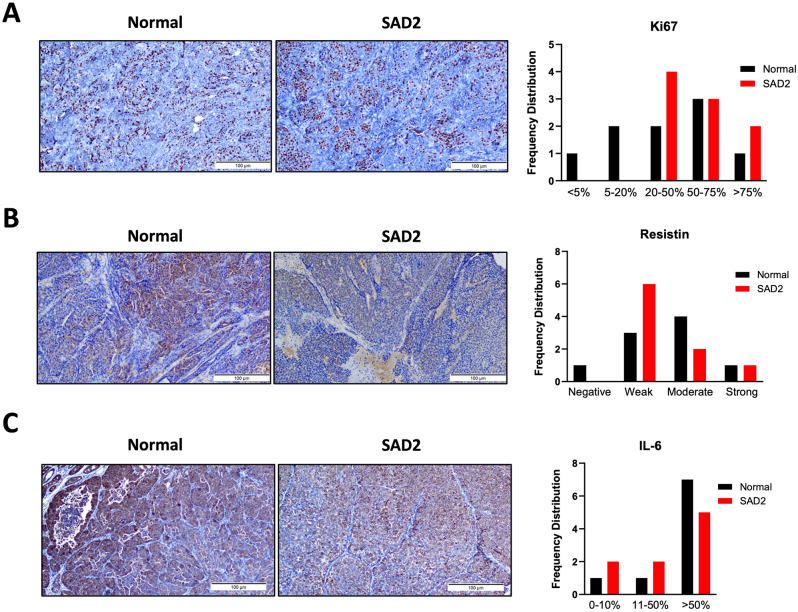 Figure 9
Peer Reviews
No public reviews on file for this paper yet. If you reviewed it on a platform where reviews are public (OpenReview, ICLR, NeurIPS, ICML), you can paste yours below so the community can read it here.
Videos
No videos yet. Explain this paper in a talk, walkthrough, or lecture? Add one.
Taxonomy
TopicsDiet and metabolism studies · Metabolism, Diabetes, and Cancer · Cancer Risks and Factors