New Andean plump toad of the genus Osornophryne (Anura: Bufonidae) from Cerro Candelaria, Ecuador
Juan P. Reyes-Puig, Miguel A. Urgiles-Merchán, H. Mauricio Ortega-Andrade, Diego F. Cisneros-Heredia, Julio C. Carrión-Olmedo, Mario H. Yáñez-Muñoz

TL;DR
A new toad species in the genus Osornophryne was discovered in Ecuador's Andes, adding to the understanding of this rare group of amphibians.
Contribution
The discovery and description of a new Osornophryne species using genetic and morphological data.
Findings
Osornophryne backshalli is a new species characterized by unique morphological traits like a short fifth toe and specific coloration.
Phylogenetic analysis reveals two well-supported clades within Osornophryne, revising the genus taxonomy.
The Pastaza River does not act as a geographical barrier for Osornophryne distribution.
Abstract
The amphibian genus Osornophryne is endemic to the northern Andes of South America and has long been considered rare. Recent explorations in the humid montane forests of the upper Pastaza Valley have uncovered previously unknown species. Here, we describe a new Andean toad species from the central Ecuadorian Andes, identified through genetic analyses and distinctive morphological and cranial traits. Osornophryne backshalli sp. nov., from Cerro Candelaria in the upper Pastaza River basin, is closely related to O. sumacoensis from Sumaco Volcano. This new species is characterized by a uniquely short fifth toe relative to toes I–III, triangular papillae on the snout tip, an occipital fold, large subconical and conical warts on the body, dorsal surfaces Brownish Olive with Spectrum Yellow and Light Neutral Gray flecks, ventral surfaces Brownish Olive with Spectrum Yellow bright blotches.…
Genes, proteins, chemicals, diseases, species, mutations and cell lines named across the full text — each resolved to its canonical identifier and authoritative record.
Click any figure to enlarge with its caption.
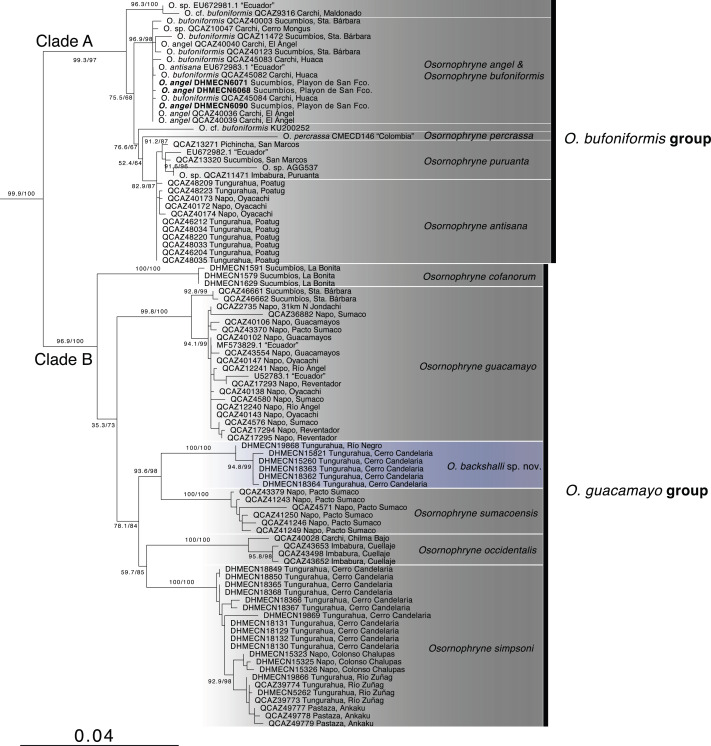 Figure 1
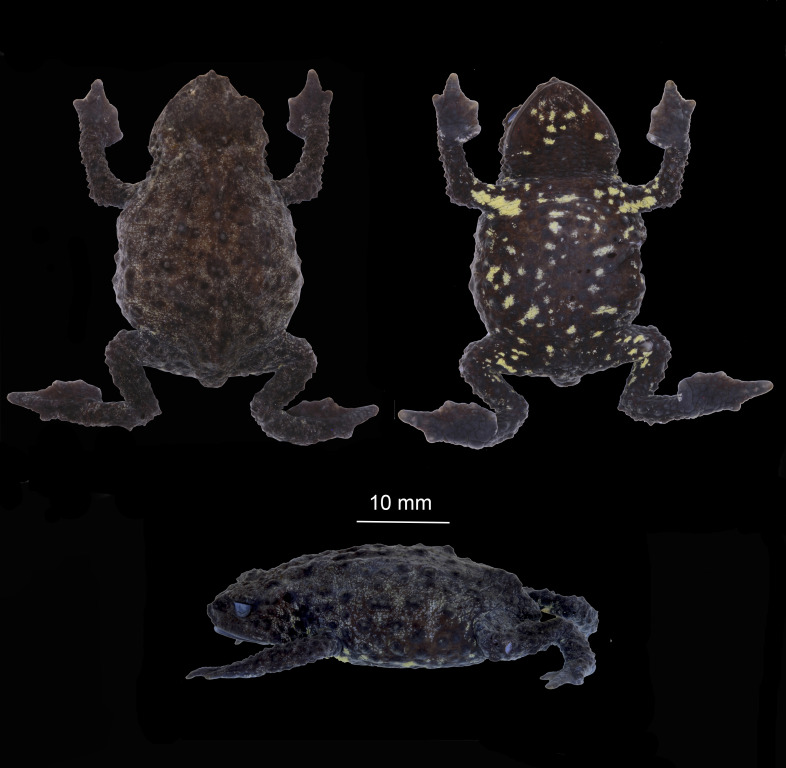 Figure 2
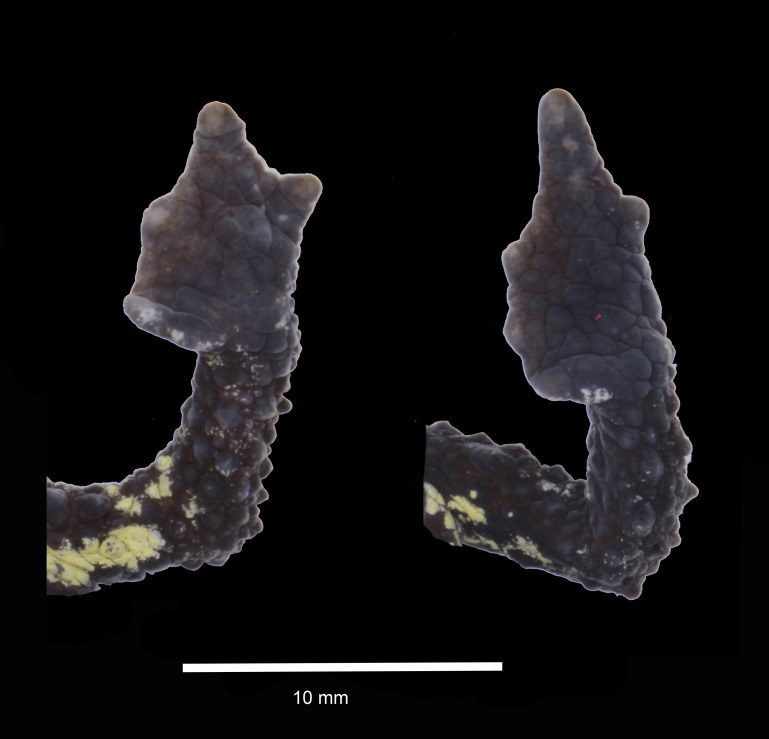 Figure 3
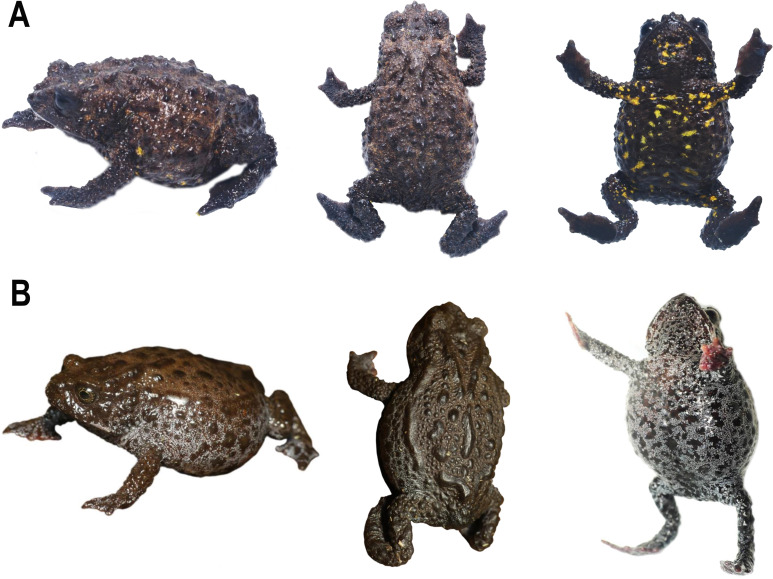 Figure 4
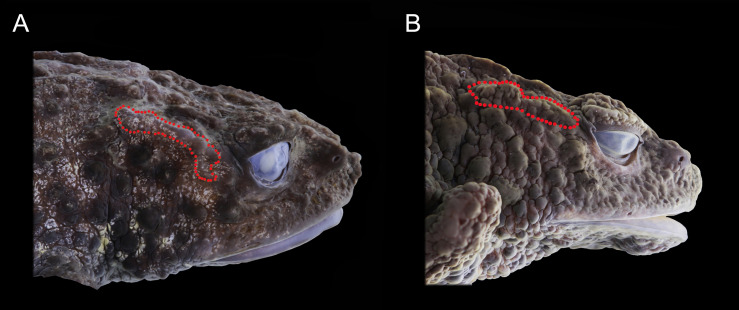 Figure 5
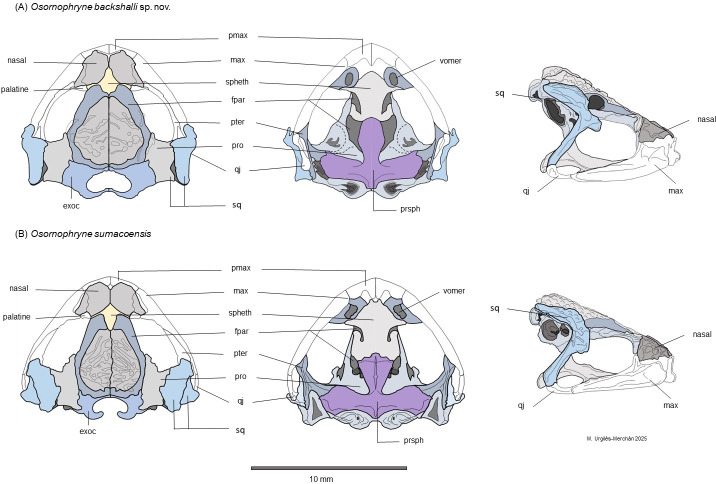 Figure 6
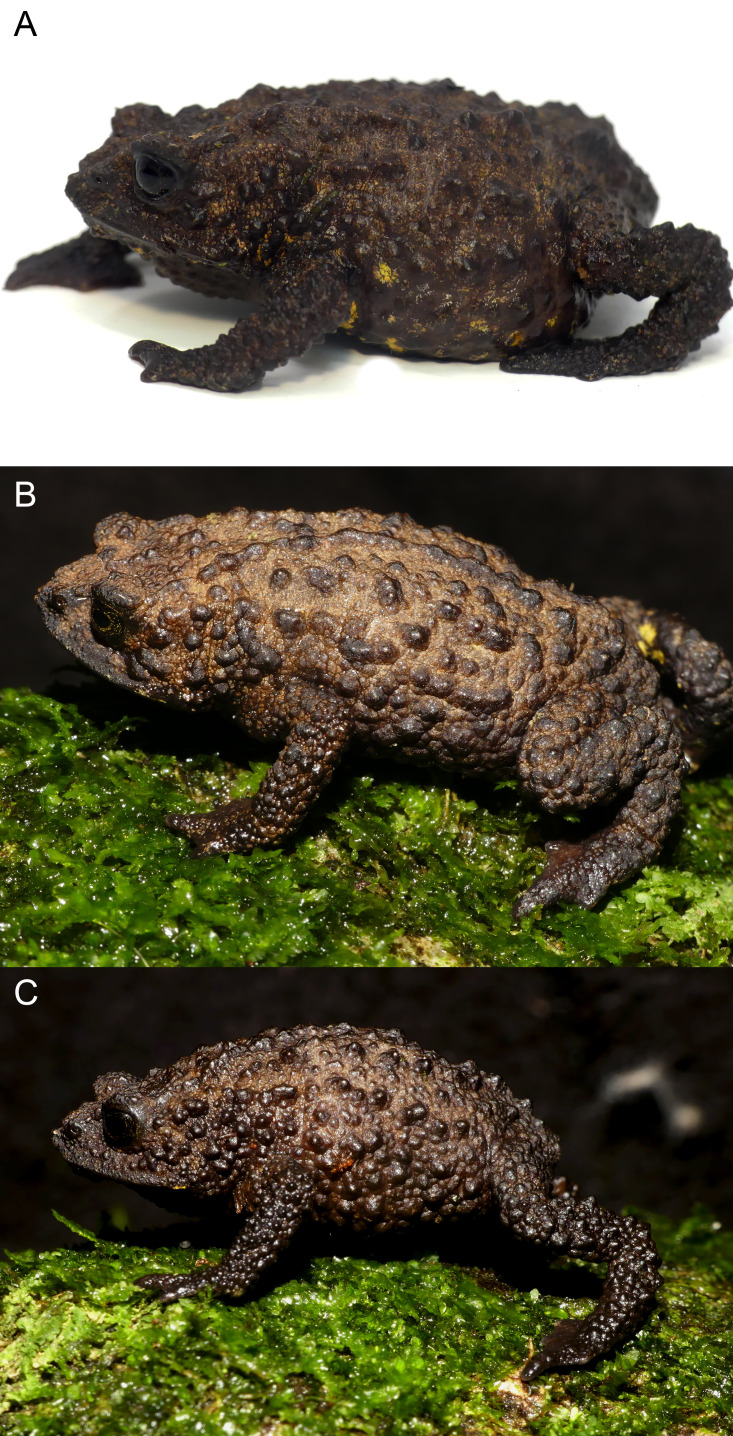 Figure 7
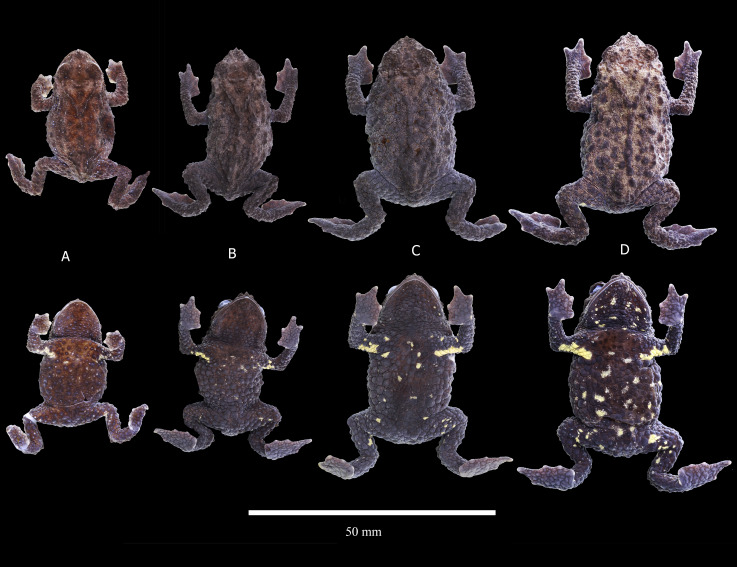 Figure 8
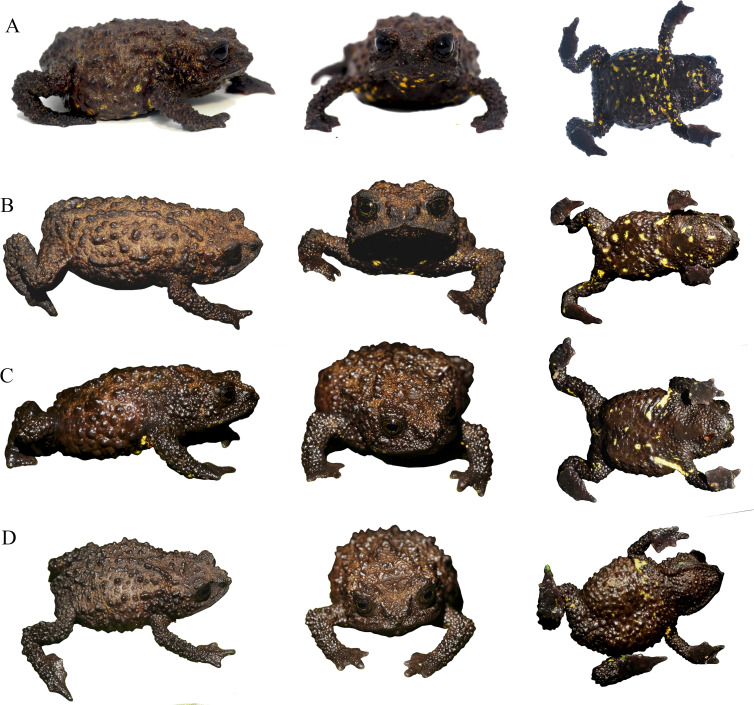 Figure 9
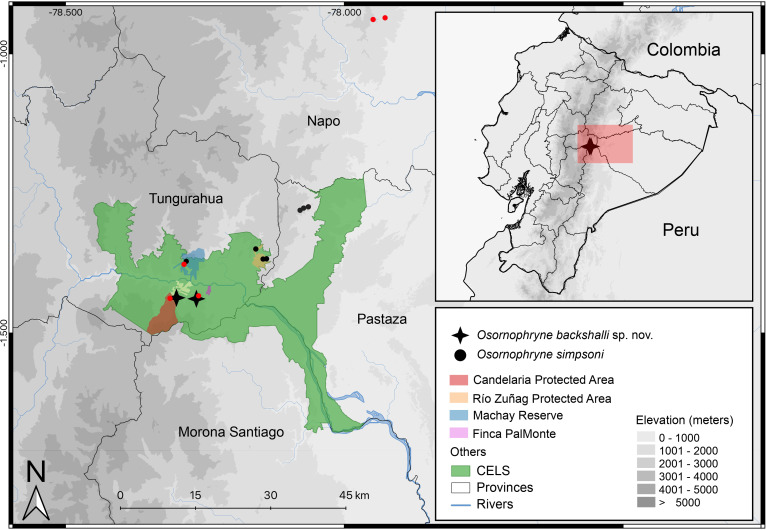 Figure 10
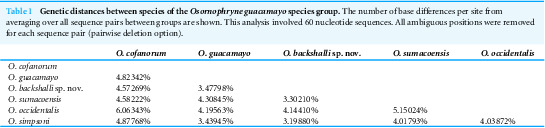 Figure 11
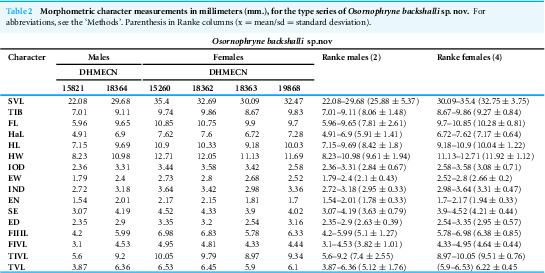 Figure 12
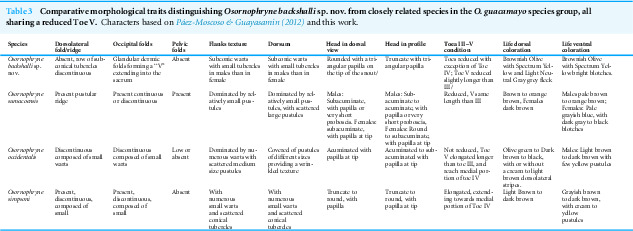 Figure 13
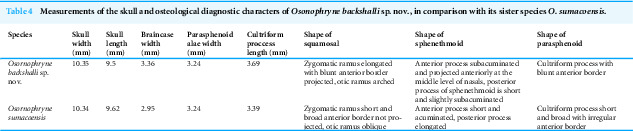 Figure 14
Peer Reviews
No public reviews on file for this paper yet. If you reviewed it on a platform where reviews are public (OpenReview, ICLR, NeurIPS, ICML), you can paste yours below so the community can read it here.
Videos
No videos yet. Explain this paper in a talk, walkthrough, or lecture? Add one.
Taxonomy
TopicsAmphibian and Reptile Biology · Species Distribution and Climate Change · Plant and animal studies