Transcriptome and metabolome profiling reveal the inhibitory effects of food preservatives on pathogenic fungi
Zhenxia Shi, Ni Zhan, Ming Ma, Zhen Wang, Xunyou Yan, Rumeng Li, Xuejuan Liu

TL;DR
This study shows how common food preservatives inhibit harmful fungi and identifies specific genes and metabolites affected by one of them.
Contribution
The study reveals the antifungal mechanism of sec-butylamine through transcriptomic and metabolomic profiling of Aspergillus flavus.
Findings
Sec-butylamine, citric acid, and potassium sorbate significantly inhibited the growth of tested fungi at specific concentrations.
Transcriptomic analysis identified several downregulated genes in A. flavus following sec-butylamine exposure.
Metabolomic analysis showed changes in specific metabolites, including increased levels of some sugars and decreased levels of others.
Abstract
Sec-butylamine, potassium sorbate, and citric acid were selected as preservatives to investigate their inhibitory effects on common plant pathogens—Aspergillus flavus, Alternaria alternata, and Talaromyces funiculosus—as well as the inhibitory mechanism of sec-butylamine against A. flavus. The results showed that all three preservatives significantly inhibited the growth of the tested fungi. Under the experimental conditions, 0.6% sec-butylamine, 1.2% citric acid, and 0.2% potassium sorbate completely inhibited the growth of A. flavus. Similarly, 0.5% sec-butylamine, 1.0% citric acid, and 0.6% potassium sorbate completely inhibited A. alternata, while 1.0% sec-butylamine, 1.2% citric acid, and 0.8% potassium sorbate completely inhibited T. funiculosus. All three preservatives exhibited strong inhibitory activity against mycelial growth, with inhibition increasing alongside concentration…
Genes, proteins, chemicals, diseases, species, mutations and cell lines named across the full text — each resolved to its canonical identifier and authoritative record.
Click any figure to enlarge with its caption.
 Figure 1
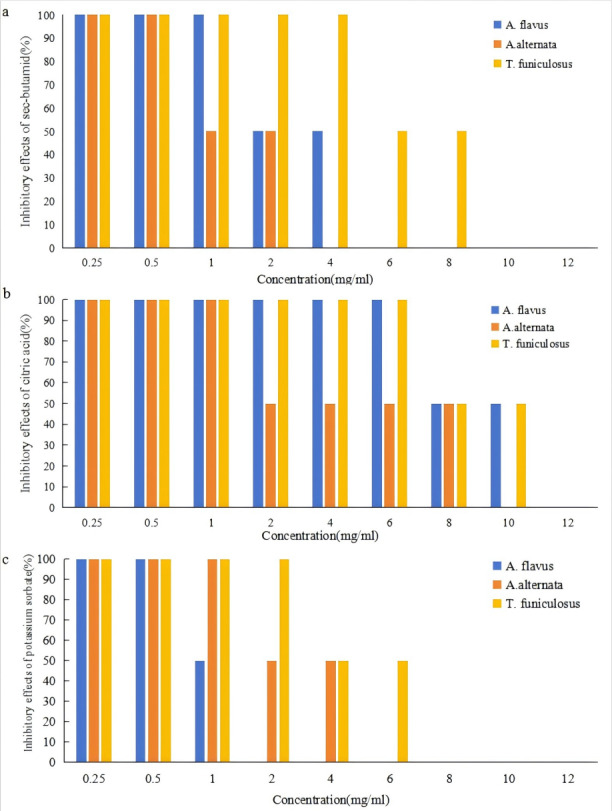 Figure 2
 Figure 3
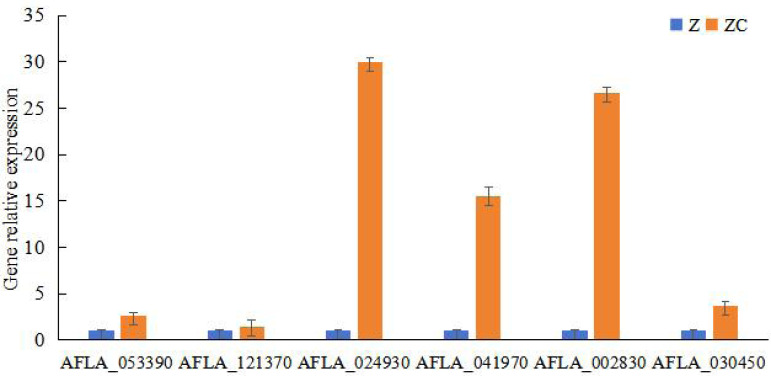 Figure 4
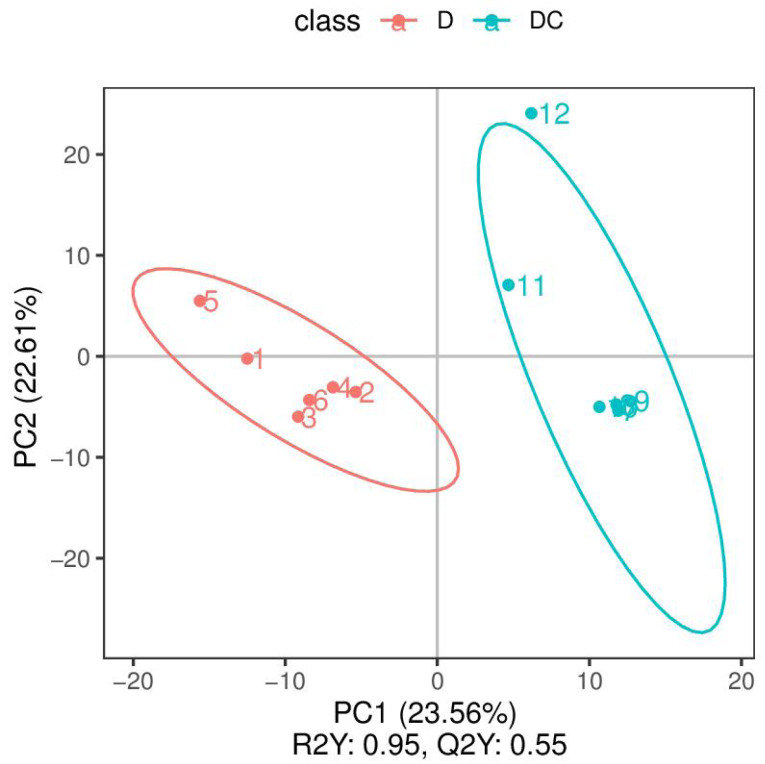 Figure 5
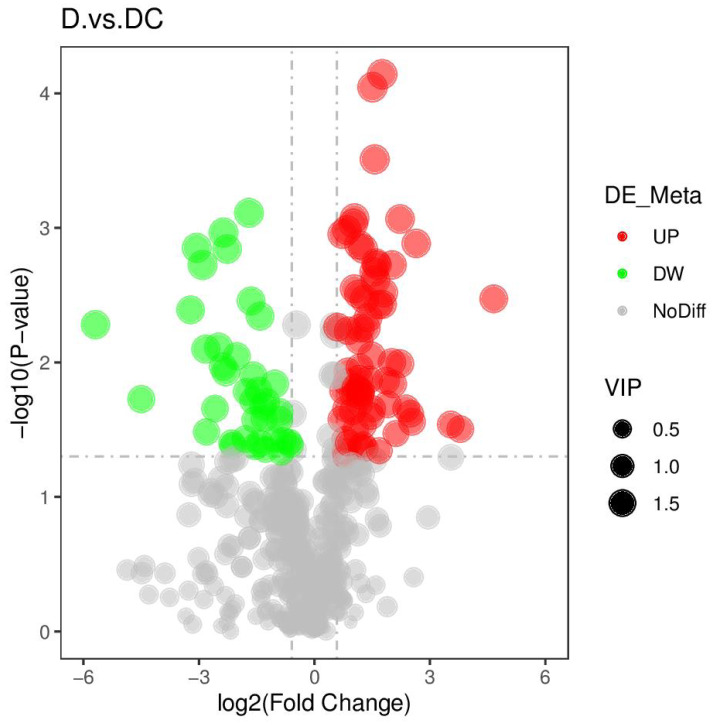 Figure 6
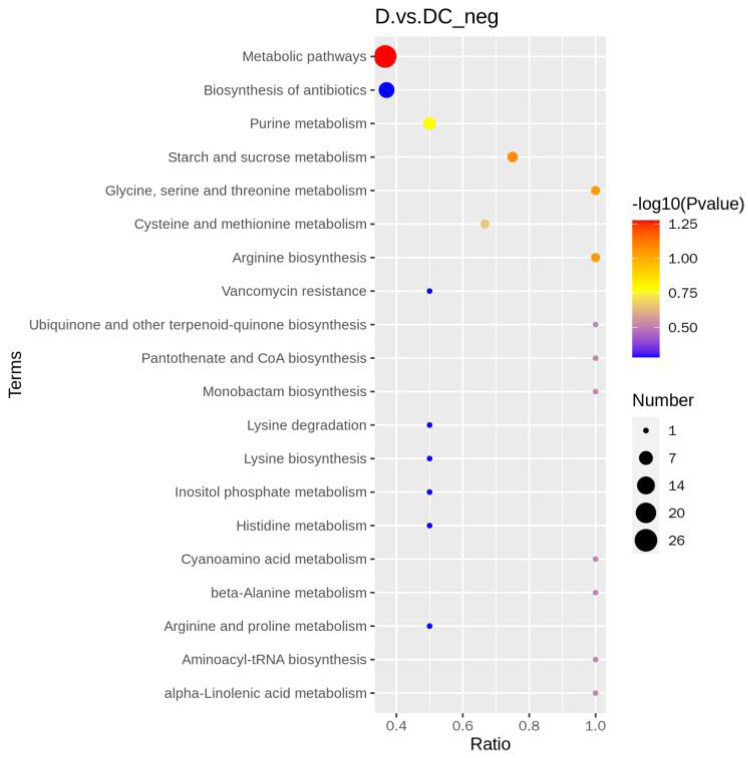 Figure 7
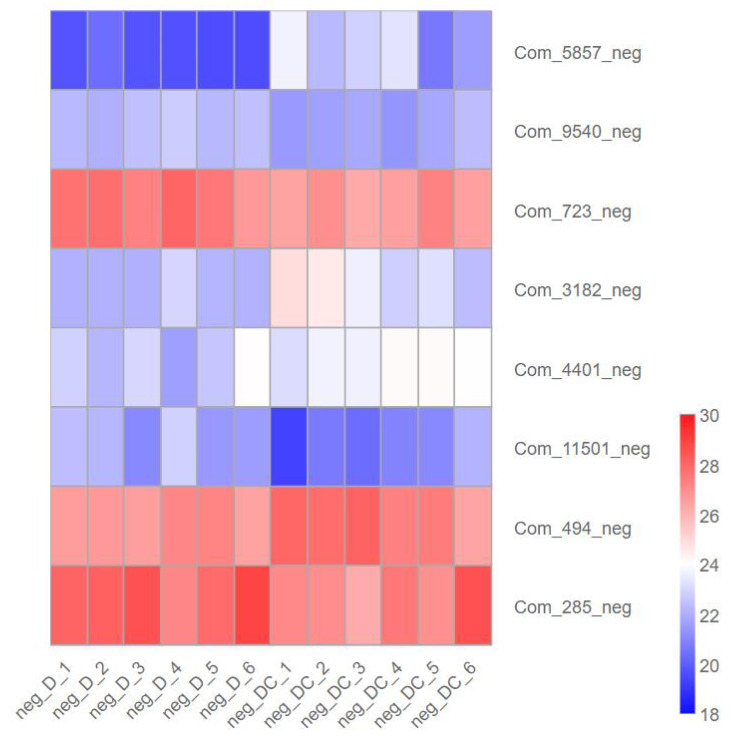 Figure 8
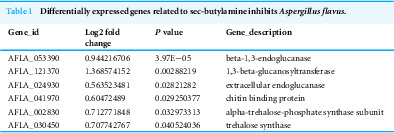 Figure 9
Peer Reviews
No public reviews on file for this paper yet. If you reviewed it on a platform where reviews are public (OpenReview, ICLR, NeurIPS, ICML), you can paste yours below so the community can read it here.
Videos
No videos yet. Explain this paper in a talk, walkthrough, or lecture? Add one.
Taxonomy
TopicsEssential Oils and Antimicrobial Activity · Phytochemicals and Antioxidant Activities · Microbial Natural Products and Biosynthesis