Integrative immune analysis in patients with leprosy reveals host factors associated with mycobacterial control
Anouk van Hooij, Krista E. van Meijgaarden, Marufa Khatun, Santosh Soren, Kimberley Walburg, Khorshed Alam, Abu Sufian Chowdhury, Colette L.M. van Hees, Jan Hendrik Richardus, Annemieke Geluk

TL;DR
This study identifies host immune factors linked to controlling leprosy bacteria, offering insights for better diagnosis and treatment.
Contribution
The study reveals chemokine induction and immune cell markers associated with mycobacterial control in leprosy contacts.
Findings
No intrinsic differences in mycobacterial control were found between patients with high and low bacillary loads.
Chemokine induction and CXCR3/CCR4 expression on adaptive immune cells correlate with M. leprae infection control.
The findings provide insights into protective immunity against leprosy.
Abstract
Leprosy is a debilitating, chronic infectious disease, ranking second after tuberculosis in the order of severe human mycobacterial diseases. If timely treatment is not initiated, infection with its causative agent, Mycobacterium leprae, can result in severe nerve damage leading to life-long disabilities. Host immunity largely dictates the spectral disease presentation, ranging from multi- to paucibacillary. Studying the host response to M. leprae is, however, complicated by the inability to culture this mycobacterium in vitro. Immune correlates of protection in persons at risk of leprosy are, therefore, essentially unknown. To identify host factors related to mycobacterial control, functional mycobacterial growth inhibition assays combined with extensive immunophenotyping by spectral flow cytometry were performed for patients with leprosy and their contacts. This integrative approach…
Genes, proteins, chemicals, diseases, species, mutations and cell lines named across the full text — each resolved to its canonical identifier and authoritative record.
Click any figure to enlarge with its caption.
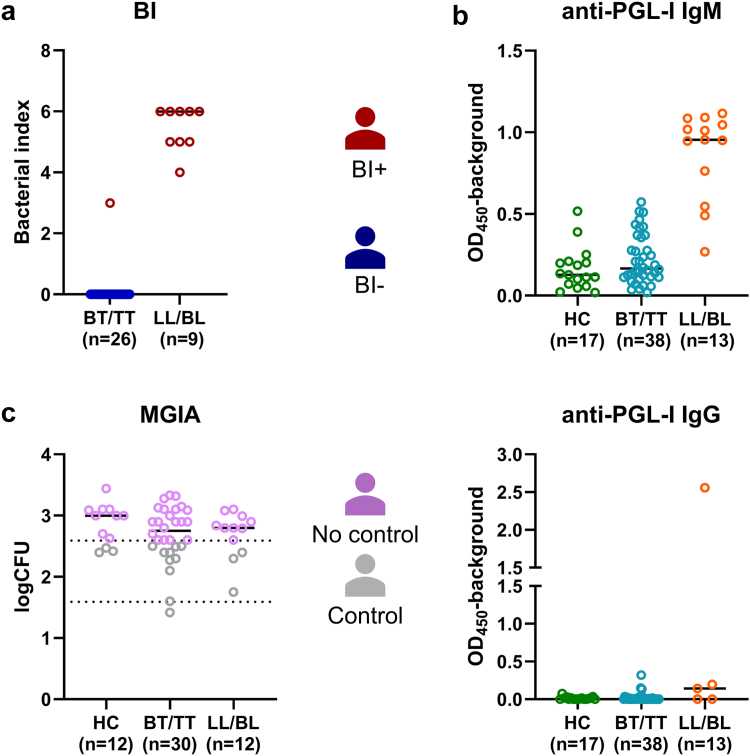 Figure 1
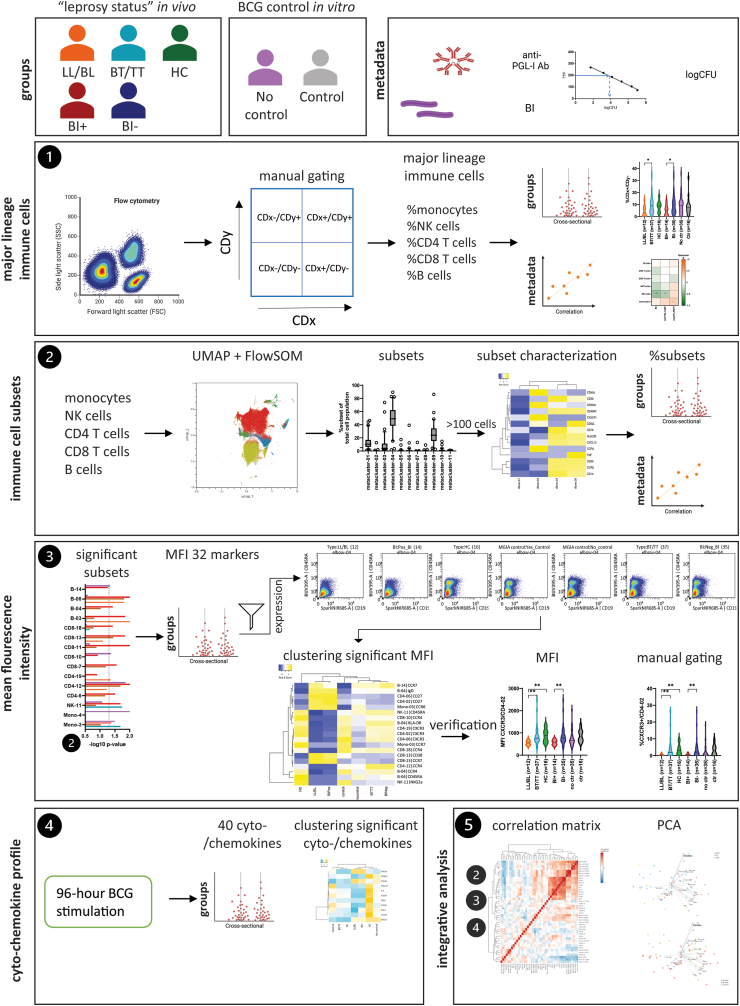 Figure 2
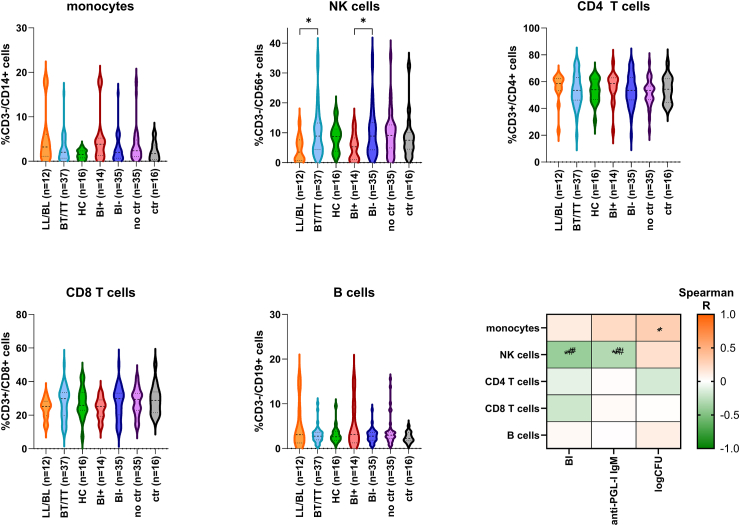 Figure 3
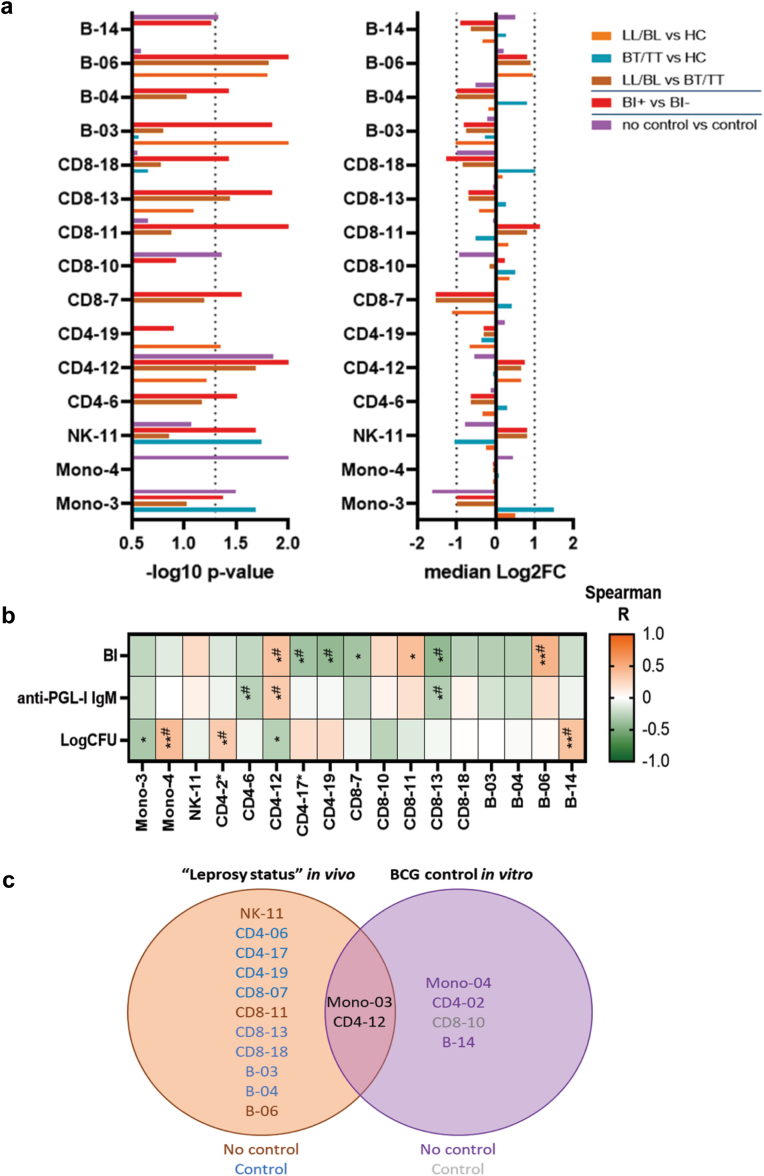 Figure 4
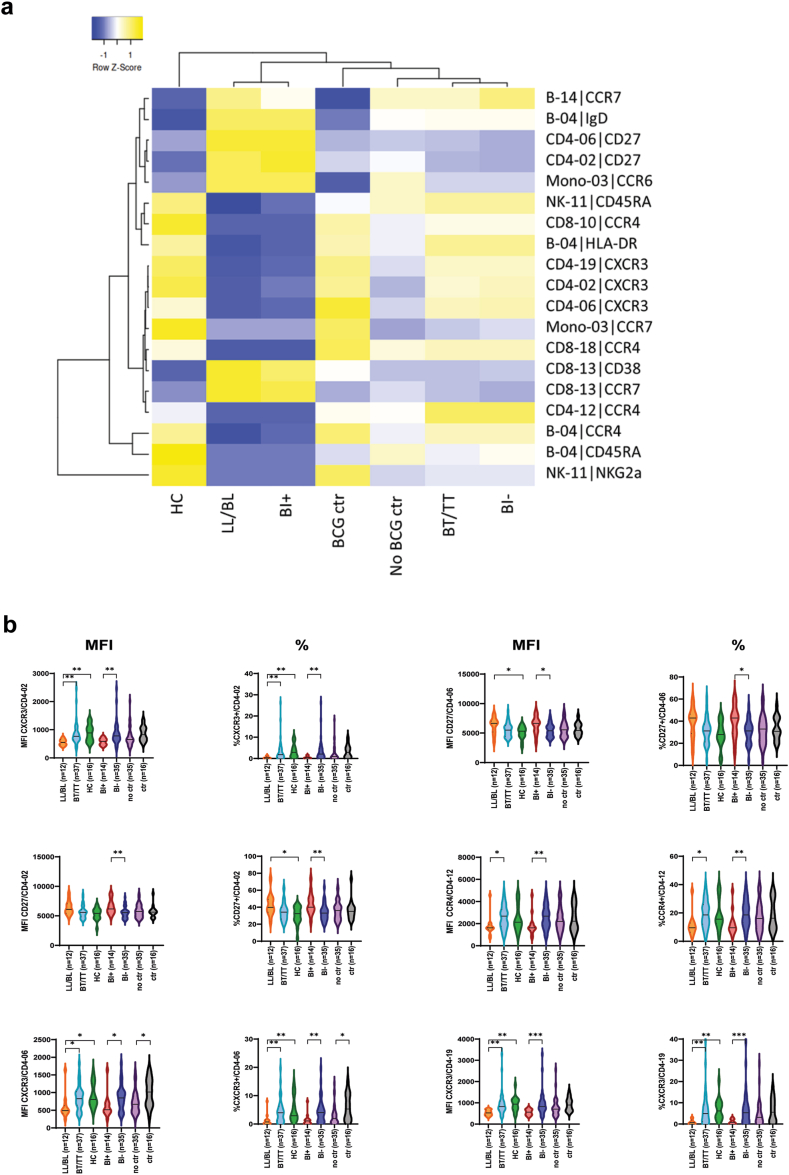 Figure 5
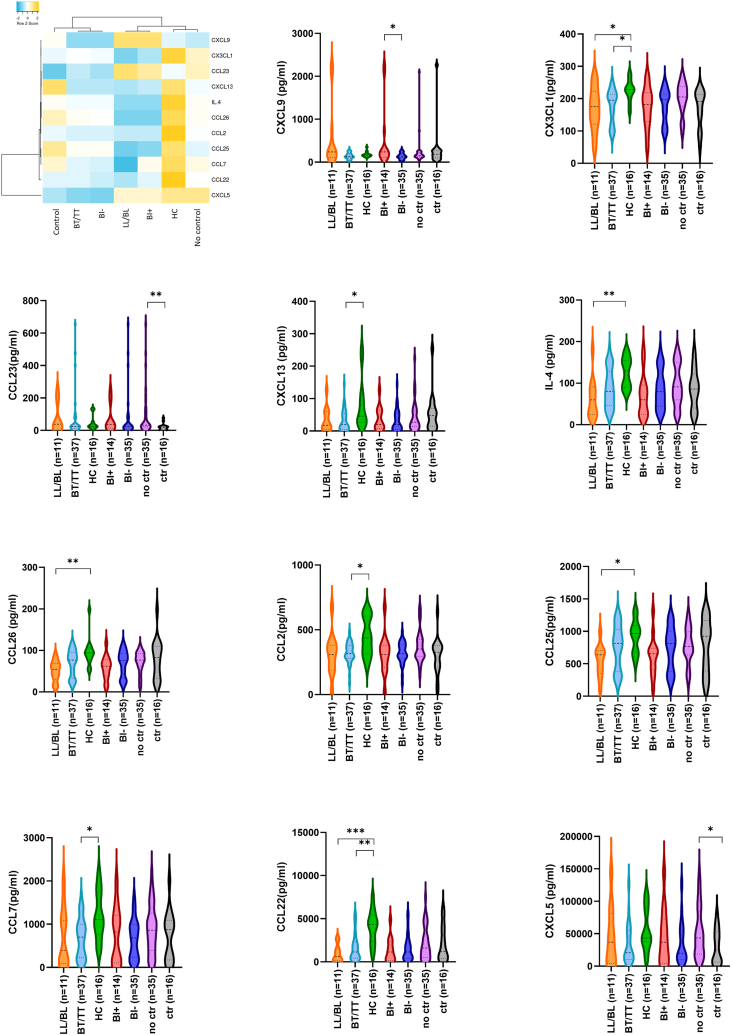 Figure 6
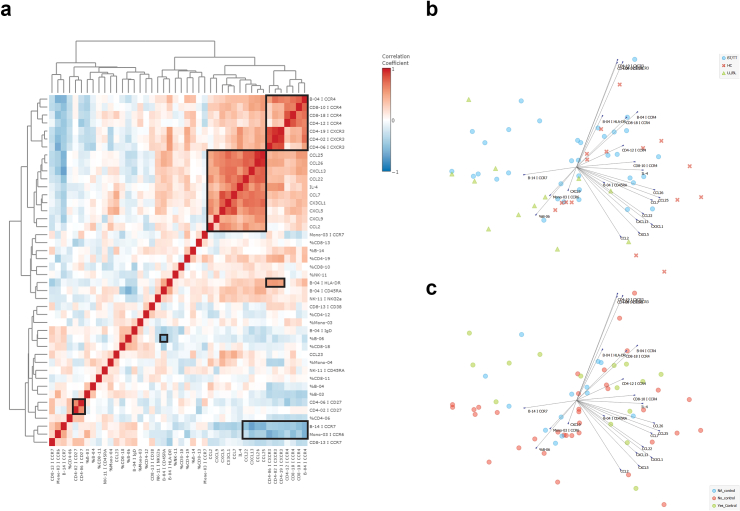 Figure 7
Peer Reviews
No public reviews on file for this paper yet. If you reviewed it on a platform where reviews are public (OpenReview, ICLR, NeurIPS, ICML), you can paste yours below so the community can read it here.
Videos
No videos yet. Explain this paper in a talk, walkthrough, or lecture? Add one.
Taxonomy
TopicsLeprosy Research and Treatment · Mycobacterium research and diagnosis · Tuberculosis Research and Epidemiology