Altered network connectivity and global efficiency in tourette syndrome: insights into sensorimotor integration
Julia Schmidgen, Theresa Valentine Heinen, Felix Schmitt, Kerstin Konrad, Stephan Bender

TL;DR
This study finds altered brain network connectivity in children with Tourette Syndrome during sensory processing, but preserved motor execution efficiency, suggesting a network disorder with possible compensatory mechanisms.
Contribution
The study identifies altered theta connectivity and preserved motor network efficiency in Tourette Syndrome, offering new insights into compensatory mechanisms.
Findings
Children with Tourette Syndrome show reduced theta connectivity during sensory integration.
Global efficiency during motor execution remains preserved in Tourette Syndrome.
Higher global efficiency correlates with faster reaction times in both groups.
Abstract
•Children with Tourette Syndrome show reduced theta connectivity during sensory integration.•Motor execution network efficiency is preserved in Tourette Syndrome.•Higher global efficiency correlates with faster reaction time.•Findings support Tourette Syndrome as a network disorder with possible compensatory mechanisms. Children with Tourette Syndrome show reduced theta connectivity during sensory integration. Motor execution network efficiency is preserved in Tourette Syndrome. Higher global efficiency correlates with faster reaction time. Findings support Tourette Syndrome as a network disorder with possible compensatory mechanisms. This study investigates the role of theta connectivity in network mechanisms related to perception–action-binding, sensorimotor integration, and motor preparation in children with Tourette’s Syndrome (TS). High-density EEG data were collected from 21…
Genes, proteins, chemicals, diseases, species, mutations and cell lines named across the full text — each resolved to its canonical identifier and authoritative record.
Click any figure to enlarge with its caption.
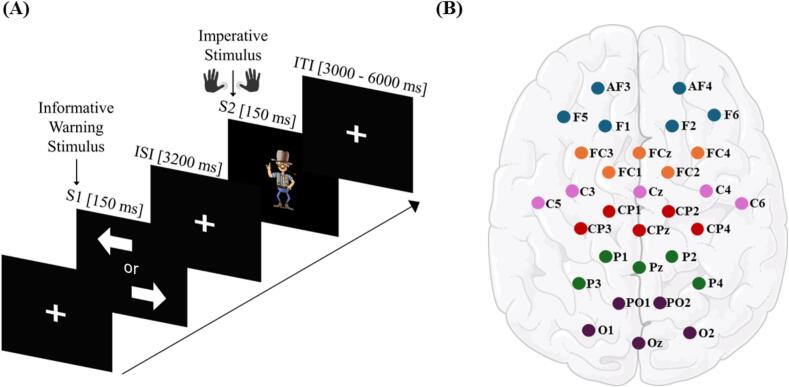 Figure 1
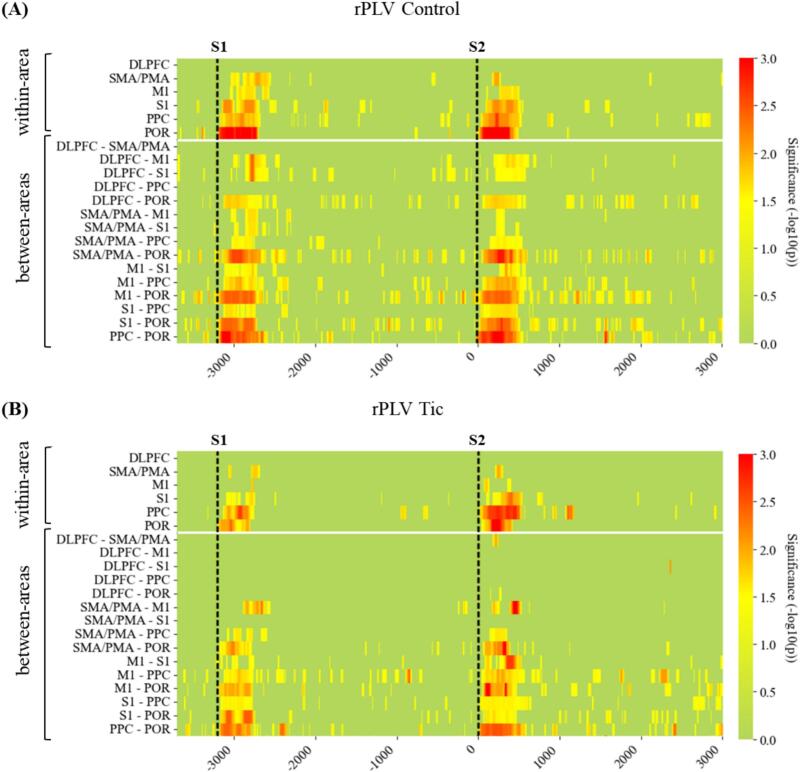 Figure 2
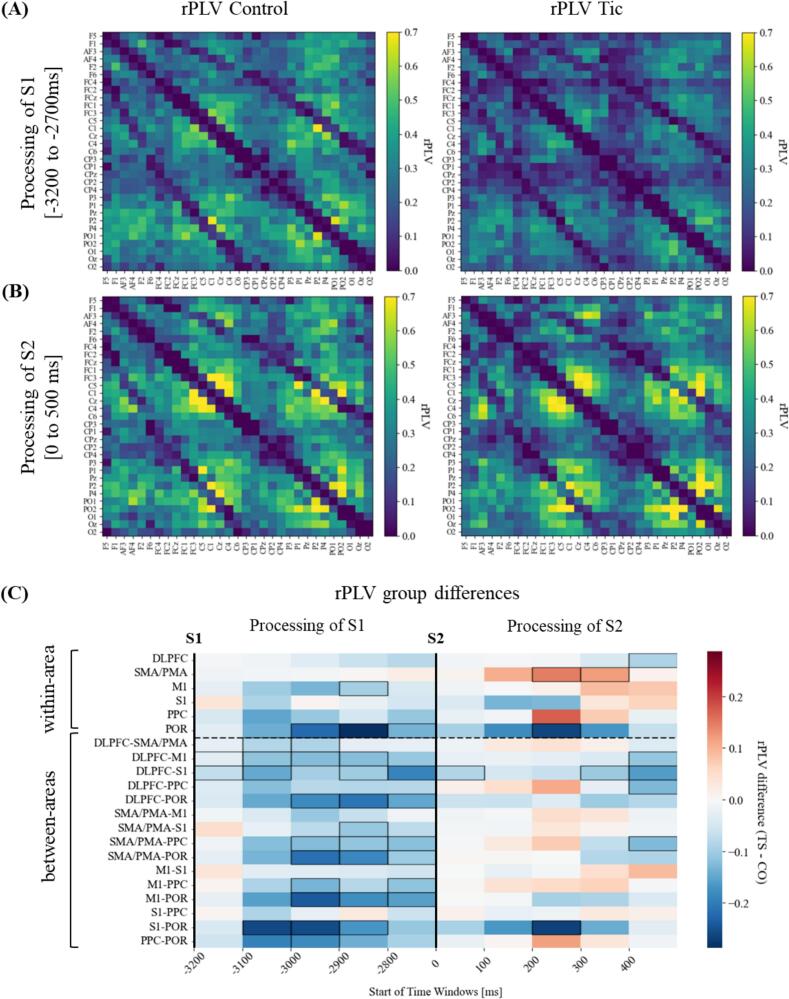 Figure 3
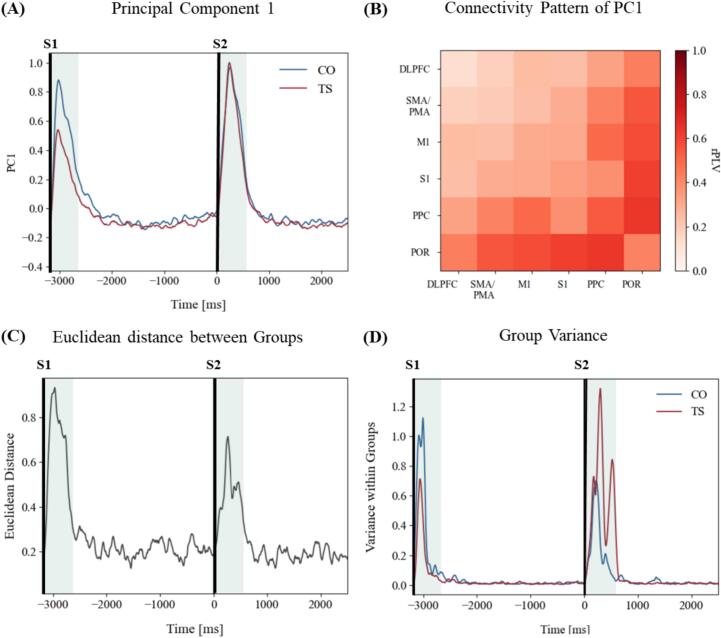 Figure 4
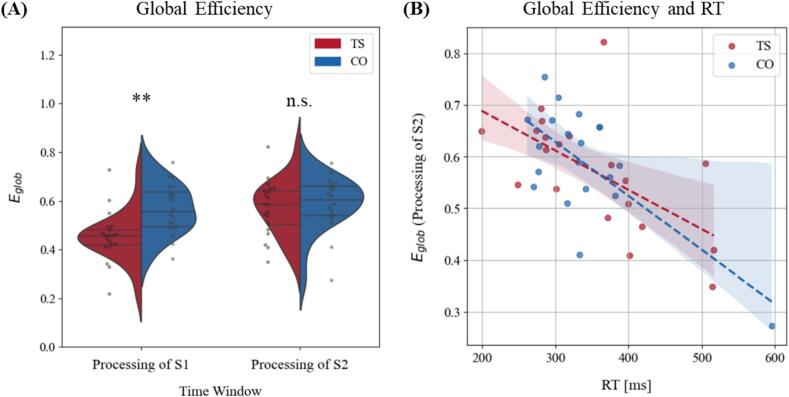 Figure 5
Peer Reviews
No public reviews on file for this paper yet. If you reviewed it on a platform where reviews are public (OpenReview, ICLR, NeurIPS, ICML), you can paste yours below so the community can read it here.
Videos
No videos yet. Explain this paper in a talk, walkthrough, or lecture? Add one.
Taxonomy
TopicsObsessive-Compulsive Spectrum Disorders · Psychosomatic Disorders and Their Treatments · Neural and Behavioral Psychology Studies