Combination of in vivo and in vitro phosphoproteomics determines the PP2A target repertoire on proteome scale
Melanie Brunner, Zehan Hu, Heidy Elkhaligy, Gloria Lampo, Carole Roubaty, Christine Vionnet, Devanarayanan Siva Sankar, Sean J. McIlwain, Stéphanie Kaeser-Pebernard, Yongna Xing, Jörn Dengjel

TL;DR
Researchers developed a new method to identify phosphatase targets on a large scale, revealing how PP2A regulates stress granule formation.
Contribution
A novel in vitro phosphatase assay was developed to screen whole-proteome phosphatase-substrate interactions under native conditions.
Findings
The in vitro phosphatase assay identified thousands of potential target sites for PP1 and PP2A.
PP2A complexes were found to target phosphosites on the protein translation machinery.
PPP2R5E/B56ε-containing PP2A complexes negatively regulate stress granule formation.
Abstract
Dynamics of protein phosphorylation are regulated by the interplay of kinases and phosphatases. Current mass spectrometry-based phosphoproteomic approaches are extremely powerful in identifying and quantifying tens of thousands of phosphosites in single biological samples. However, whereas the mapping of phosphosites is successfully automated supporting high sample throughput, the characterization of responsible kinases and phosphatases still largely depends on laborious protein biochemical assays. To show direct (de)phosphorylation events, in vitro kinase or phosphatase assays using single substrates or peptide arrays are often used. Here, we describe the development of an in vitro phosphatase assay using whole proteome under native conditions as input. We employ this approach to study the PP1 and PP2A target repertoire, characterizing thousands of potential target sites. Focusing on…
Genes, proteins, chemicals, diseases, species, mutations and cell lines named across the full text — each resolved to its canonical identifier and authoritative record.
Click any figure to enlarge with its caption.
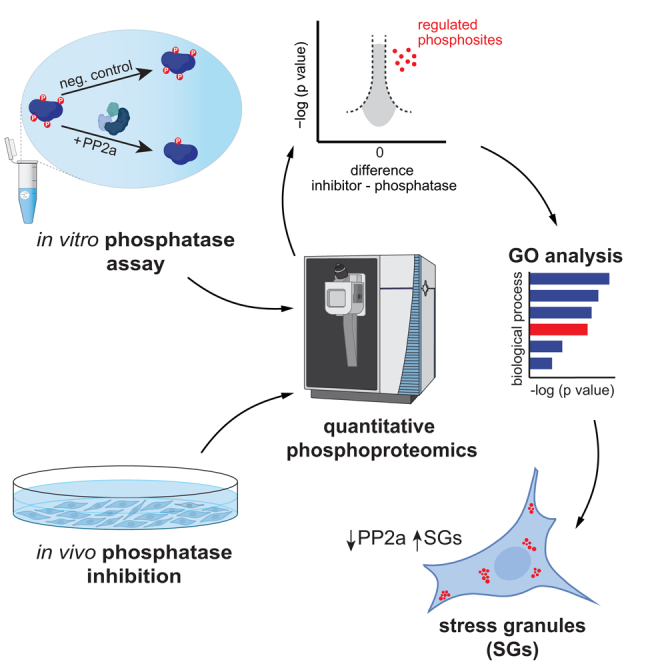 Figure 1
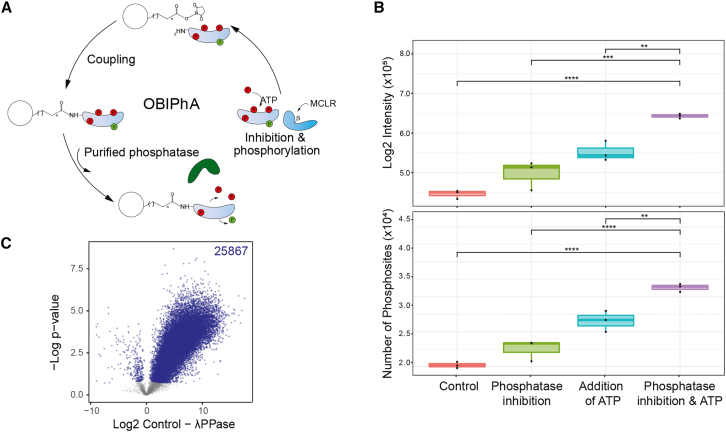 Figure 2
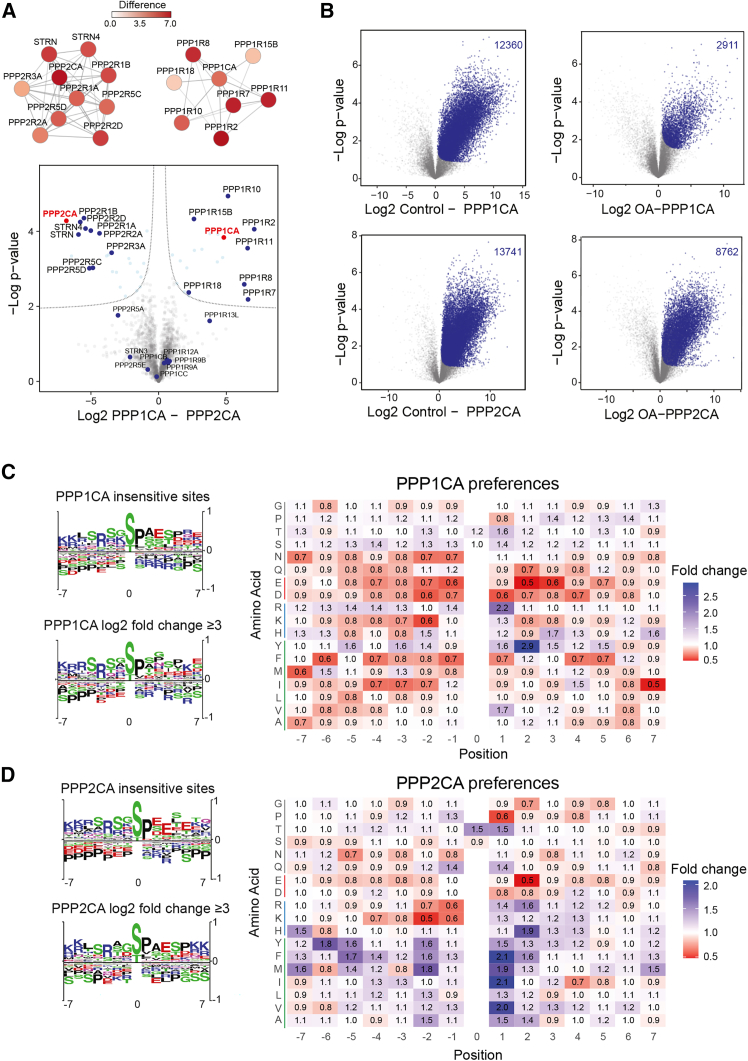 Figure 3
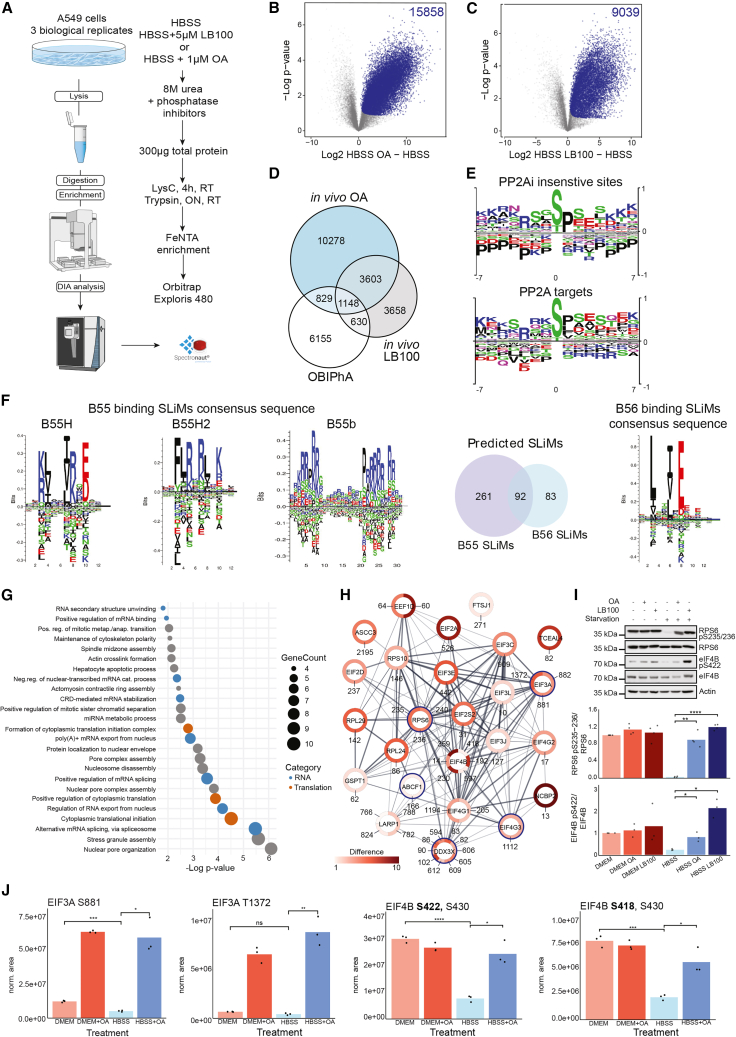 Figure 4
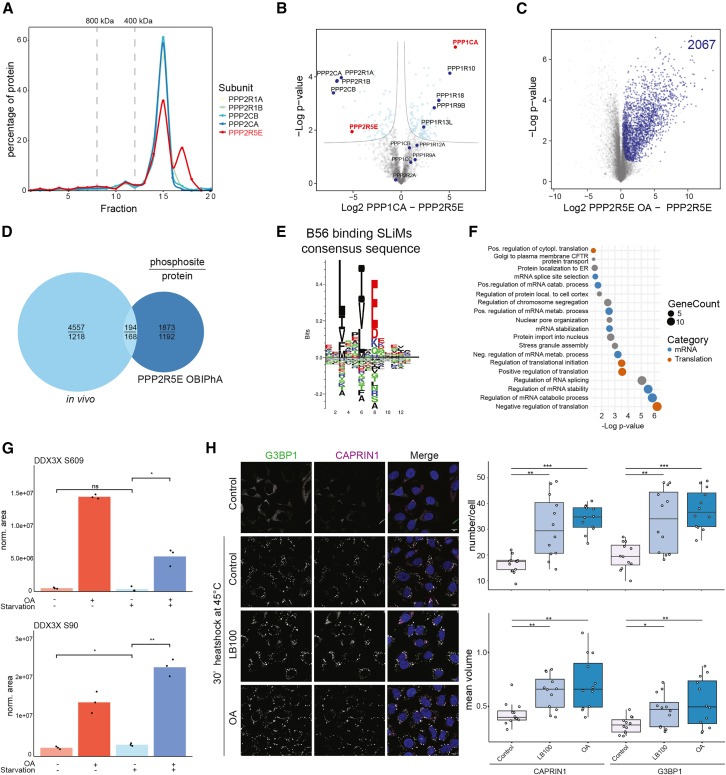 Figure 5
Peer Reviews
No public reviews on file for this paper yet. If you reviewed it on a platform where reviews are public (OpenReview, ICLR, NeurIPS, ICML), you can paste yours below so the community can read it here.
Videos
No videos yet. Explain this paper in a talk, walkthrough, or lecture? Add one.
Taxonomy
TopicsAdvanced Proteomics Techniques and Applications · Protein Kinase Regulation and GTPase Signaling · Cellular transport and secretion