3D-printed microcell for protein NMR at high ionic strengths and small sample volumes
Tayeb Kakeshpour, Martin D. Gelenter, Jinfa Ying, Ad Bax

TL;DR
This paper introduces a 3D-printed microcell that reduces sample volume for protein NMR, enabling high-quality data at high ionic strengths and small solvent volumes.
Contribution
The novel contribution is a 3D-printed ellipsoidal microcell that minimizes sample volume and susceptibility mismatching for NMR.
Findings
The microcell reduces active sample volume to 0.13 mL while maintaining high RF and Bo homogeneities.
Protein NMR spectra in PBS buffer showed only a 6.5% signal intensity reduction compared to standard 5 mm tubes.
The microcell was successfully used to study N-acetylated α-synuclein and melittin tetramerization at high NaCl concentrations.
Abstract
Standard solution NMR measurements use 5 mm outer diameter (OD) sample tubes that require ca. 0.5 mL of solvent to minimize “end effects” on magnetic field homogeneity in the active volume of the sample. Shigemi cells reduce the solvent requirement to ca. 0.29 mL. At high ionic strength or at ultrahigh magnetic fields, smaller OD samples are needed to study samples in conductive, radiofrequency-absorbing solvents such as water. We demonstrate an effective and inexpensive alternative for reducing the active sample volume to 0.13 mL by 3D printing ellipsoidal shaped cells that are inserted into 5 mm OD NMR tubes. Static magnetic susceptibility, χ , of printer resin was measured using a simple slice-selection pulse sequence. We found that the χ of water increases linearly with NaCl concentration from -9.05 to -8.65 ppm for 0 to 2 M NaCl. The χ of D2O was measured to be -9.01…
Genes, proteins, chemicals, diseases, species, mutations and cell lines named across the full text — each resolved to its canonical identifier and authoritative record.
Click any figure to enlarge with its caption.
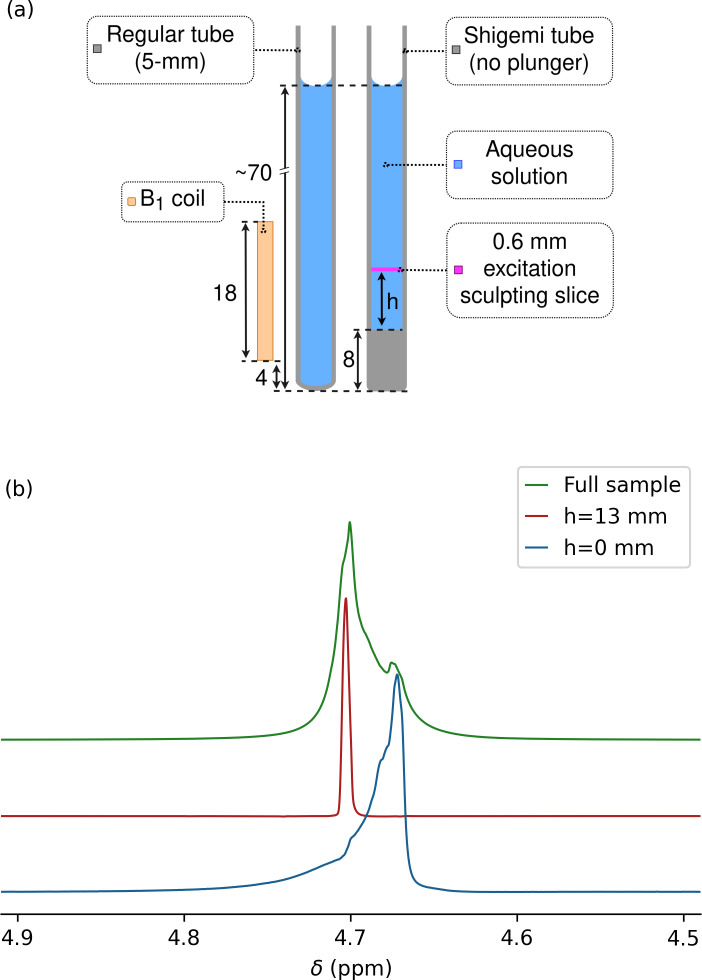 Figure 1
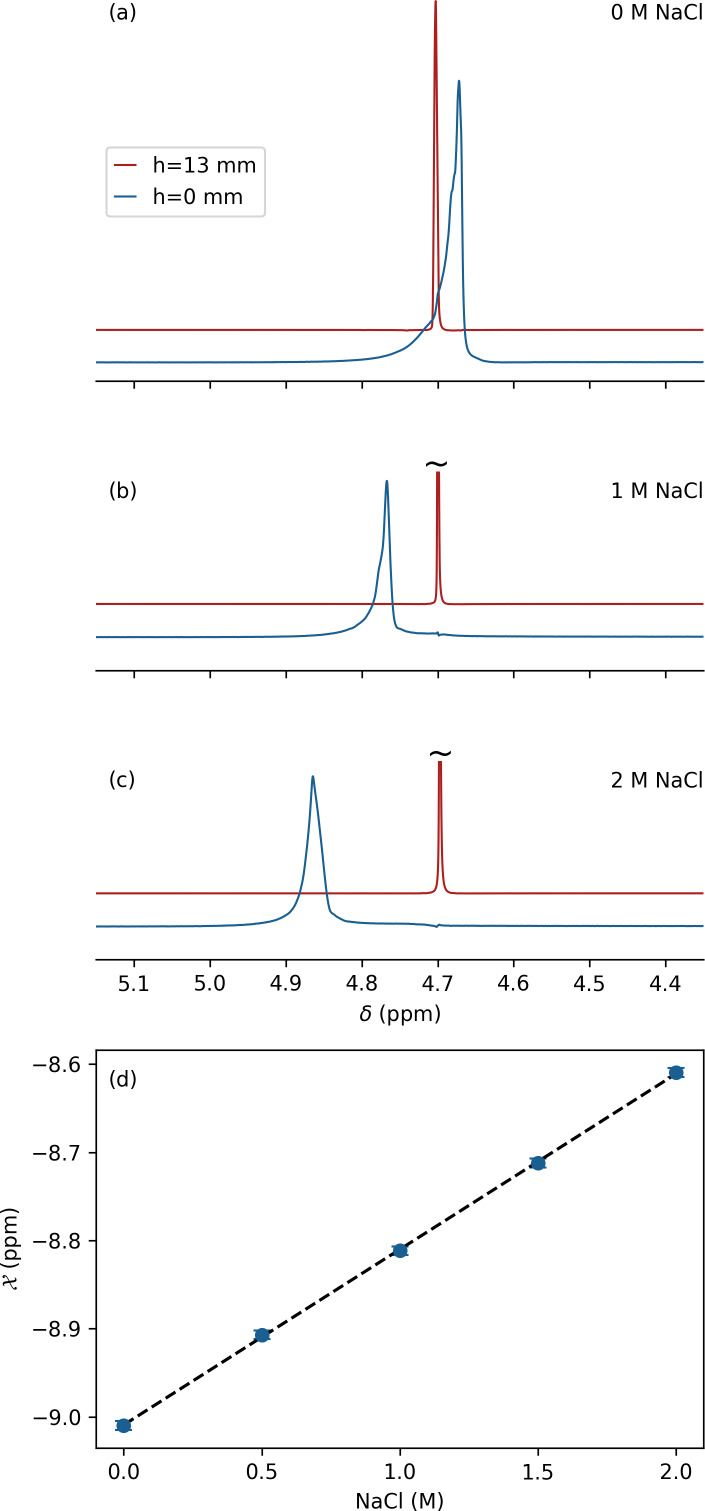 Figure 2
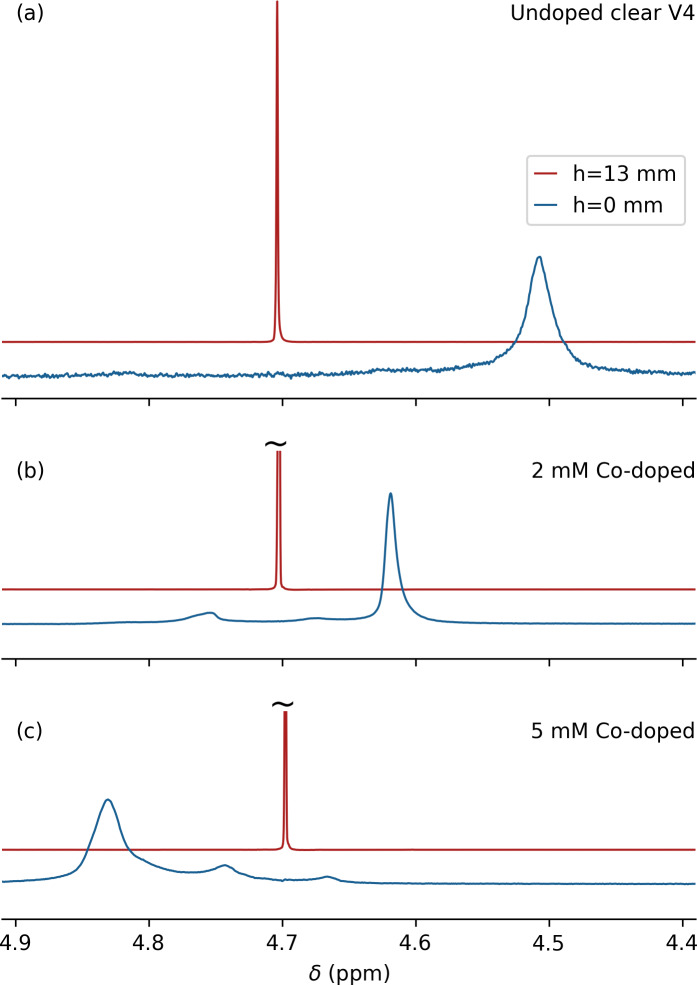 Figure 3
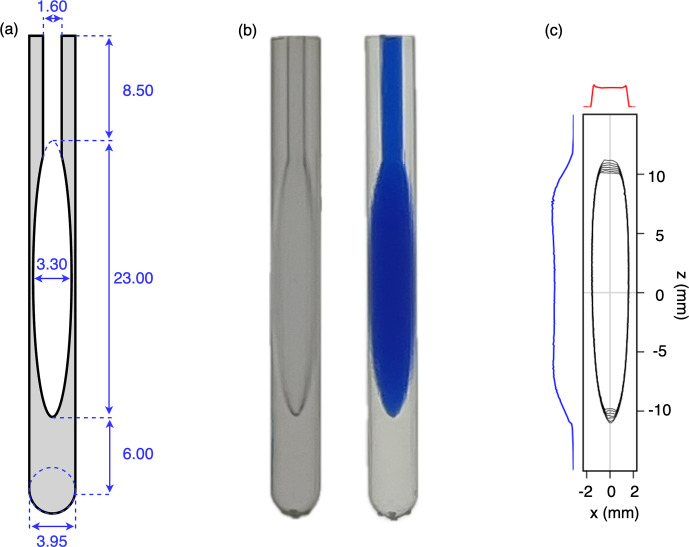 Figure 4
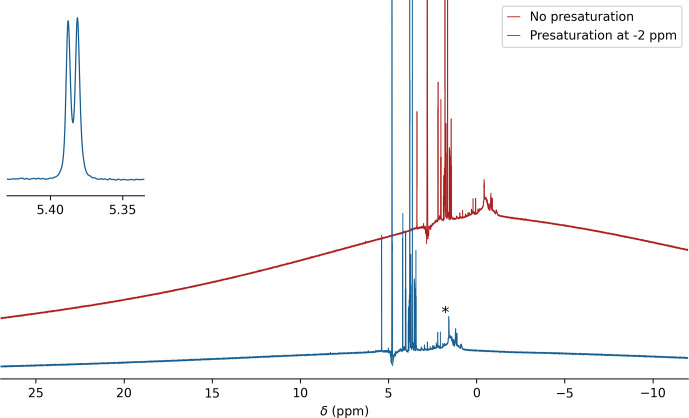 Figure 5
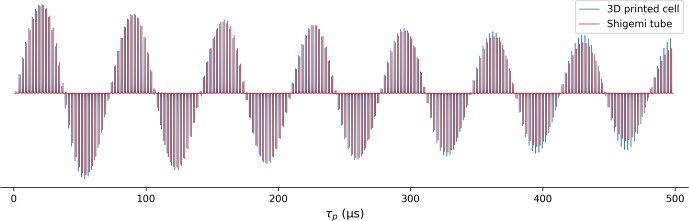 Figure 6
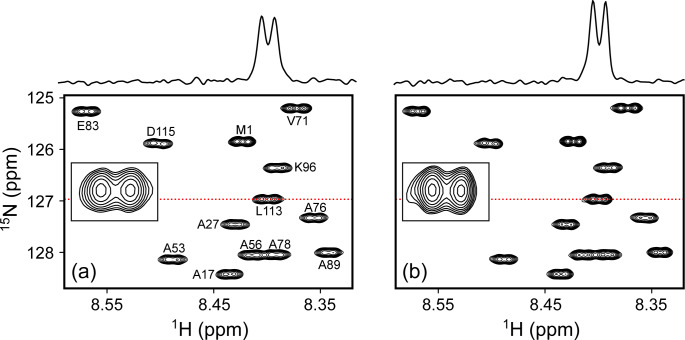 Figure 7
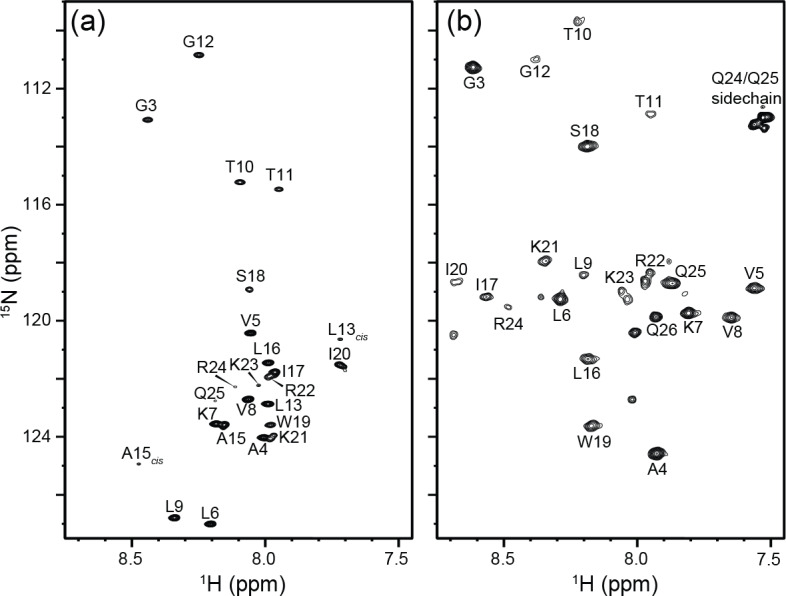 Figure 8
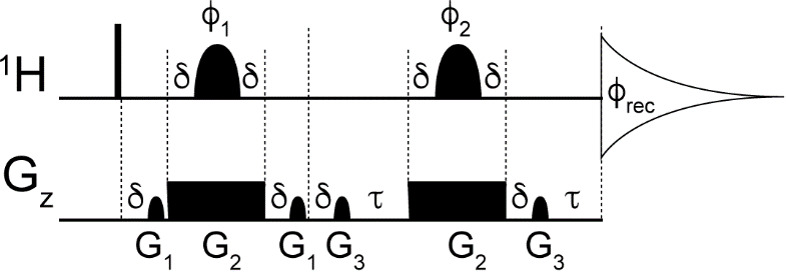 Figure 9
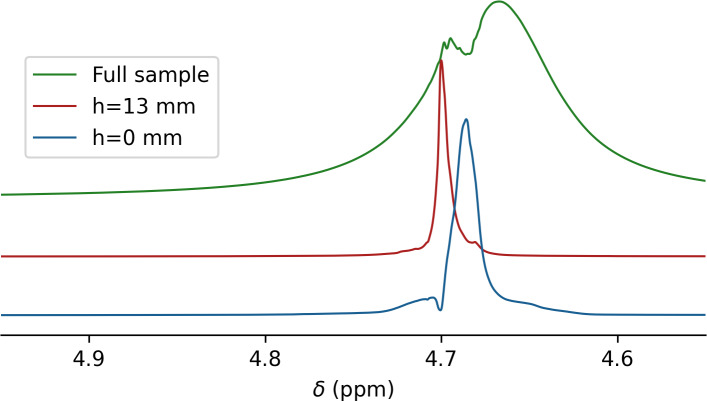 Figure 10
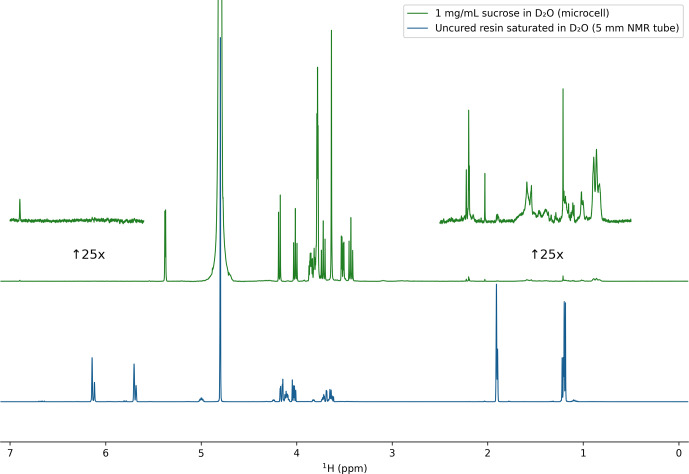 Figure 11
Peer Reviews
No public reviews on file for this paper yet. If you reviewed it on a platform where reviews are public (OpenReview, ICLR, NeurIPS, ICML), you can paste yours below so the community can read it here.
Videos
No videos yet. Explain this paper in a talk, walkthrough, or lecture? Add one.
Taxonomy
TopicsAdvanced MRI Techniques and Applications · Microfluidic and Capillary Electrophoresis Applications · Advanced NMR Techniques and Applications