Transcriptomic Profiling of Gastric Cancer Reveals Key Biomarkers and Pathways via Bioinformatic Analysis
Ipek Balikci Cicek, Zeynep Kucukakcali

TL;DR
This study uses transcriptomic data and machine learning to identify key biomarkers and pathways in gastric cancer, offering potential for early detection and treatment.
Contribution
The study integrates multiple transcriptomic datasets and machine learning to identify consistent, biologically relevant biomarkers for gastric cancer.
Findings
627 differentially expressed genes were identified in the discovery dataset, with key genes including CST1, KIAA1199, TIMP1, MSLN, and ATP4A.
A random forest model achieved excellent classification performance with an AUC of 0.952 for gastric cancer detection.
Cross-platform validation confirmed 55.6% concordance among core genes, highlighting CST1, TIMP1, KRT16, and ATP4A as strong diagnostic candidates.
Abstract
Background/Objectives: Gastric cancer (GC) remains a significant global health burden due to its high mortality rate and frequent diagnosis at advanced stages. This study aimed to identify reliable diagnostic biomarkers and elucidate molecular mechanisms underlying GC by integrating transcriptomic data from independent platforms and applying machine learning techniques. Methods: Two transcriptomic datasets from the Gene Expression Omnibus were analyzed: GSE26899 (microarray, n = 108) as the discovery dataset and GSE248612 (RNA-seq, n = 12) for validation. Differential expression analysis was conducted using limma and DESeq2, selecting genes with |log2FC| > 1 and adjusted p < 0.05. The top 200 differentially expressed genes (DEGs) were used to develop machine learning models (random forest, logistic regression, neural networks). Functional enrichment analyses (GO, KEGG, Hallmark) were…
Genes, proteins, chemicals, diseases, species, mutations and cell lines named across the full text — each resolved to its canonical identifier and authoritative record.
Click any figure to enlarge with its caption.
 Figure 1
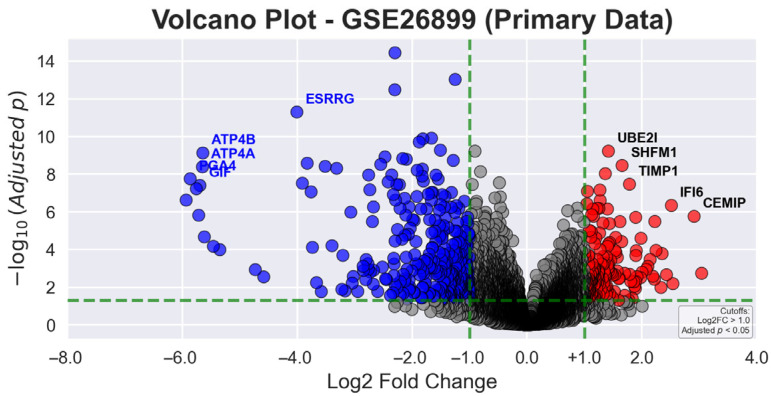 Figure 2
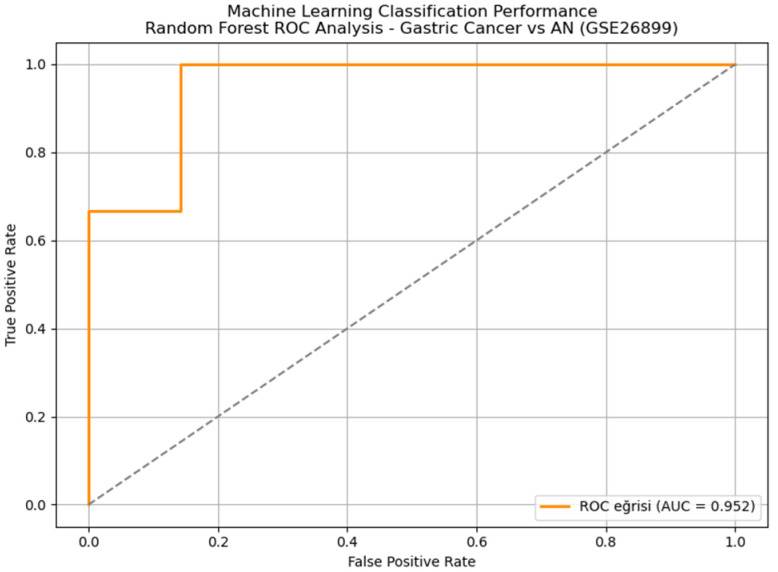 Figure 3
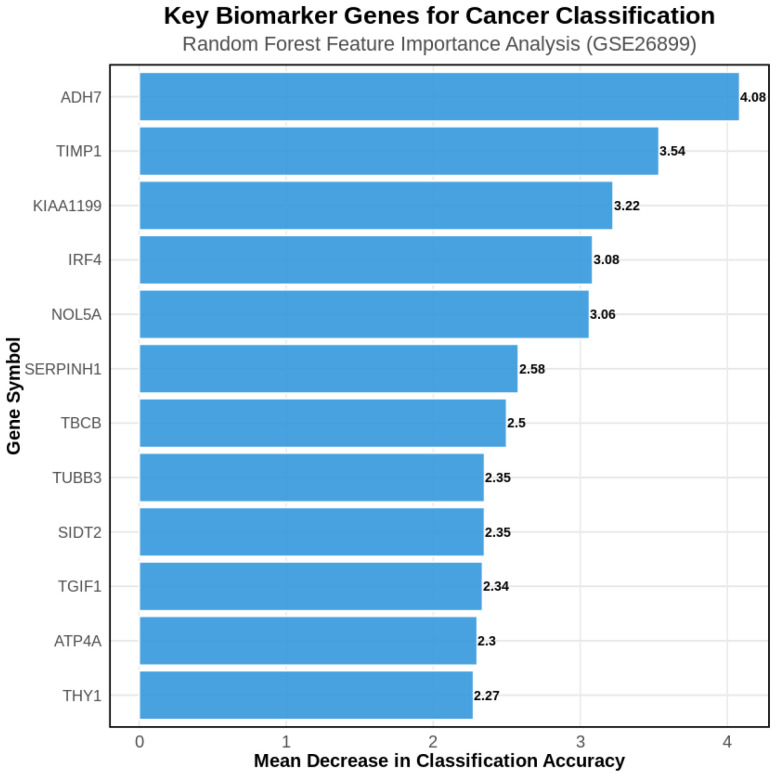 Figure 4
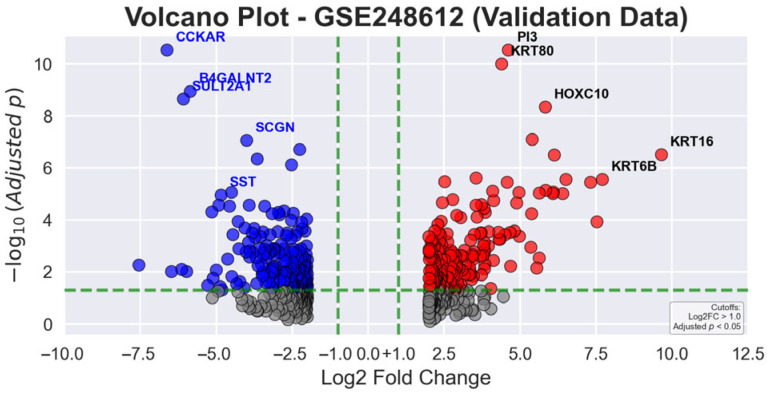 Figure 5
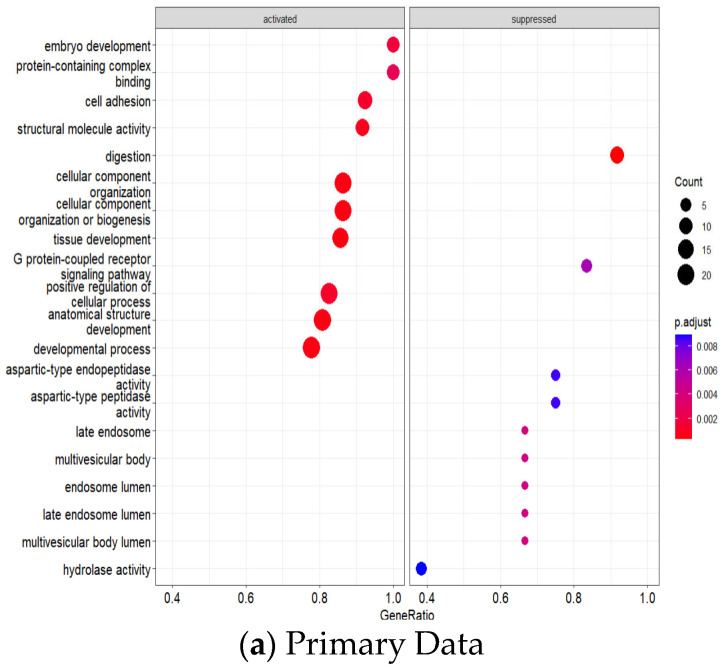 Figure 6
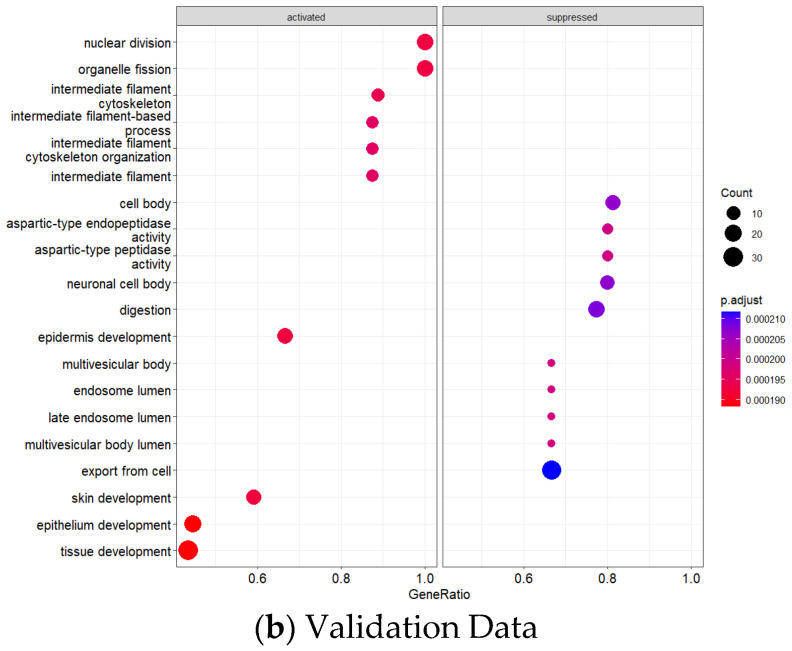 Figure 7
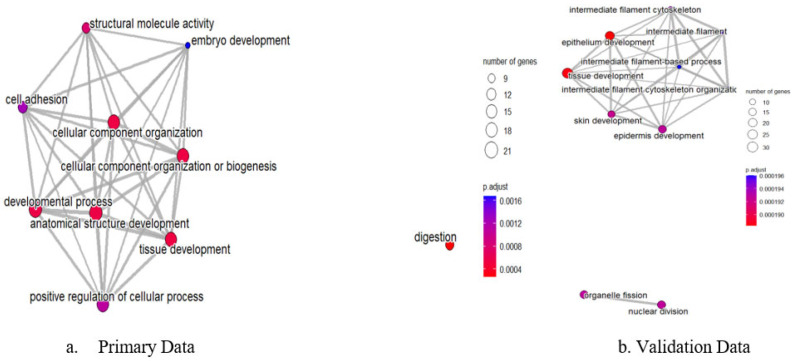 Figure 8
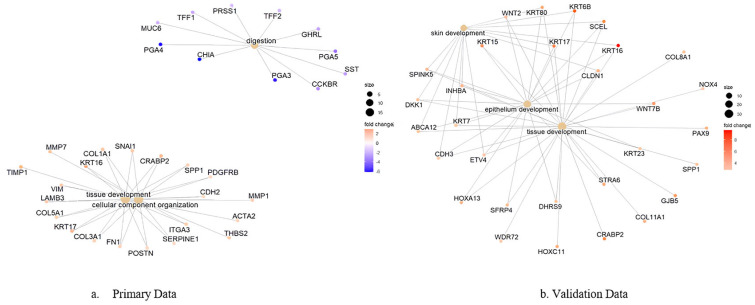 Figure 9
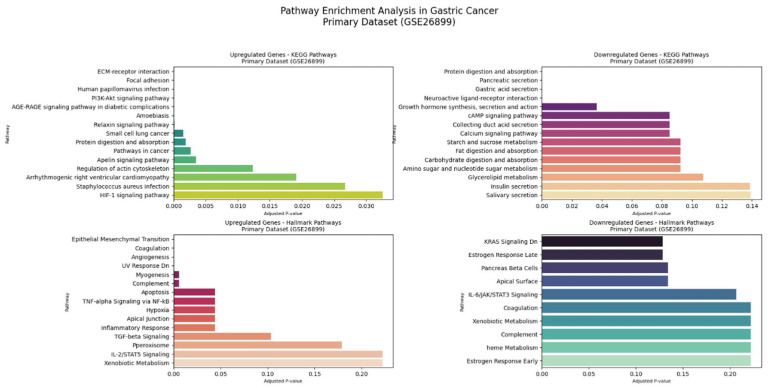 Figure 10
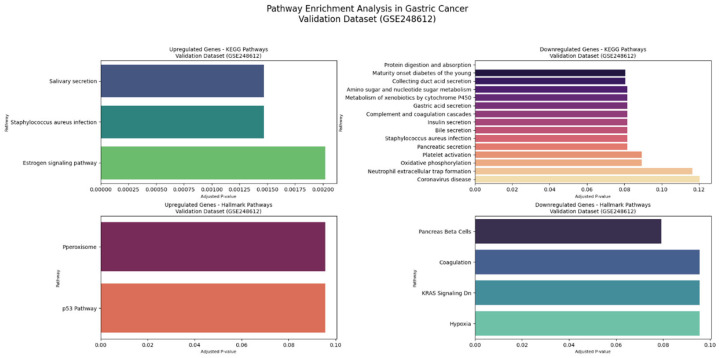 Figure 11
Peer Reviews
No public reviews on file for this paper yet. If you reviewed it on a platform where reviews are public (OpenReview, ICLR, NeurIPS, ICML), you can paste yours below so the community can read it here.
Videos
No videos yet. Explain this paper in a talk, walkthrough, or lecture? Add one.
Taxonomy
TopicsFerroptosis and cancer prognosis · RNA modifications and cancer · Cancer-related molecular mechanisms research