Intermittent Catheters with Integrated Amphiphilic Surfactant Reduce Urethral Microtrauma in an Ex Vivo Model Compared with Polyvinylpyrrolidone-Coated Intermittent Catheters
Luca Barbieri, Makhara S. Ung, Katherine E. Hill, Ased Ali, Laura A. Smith Callahan

TL;DR
A new type of catheter with an integrated surfactant causes less tissue damage than traditional PVP-coated catheters in an ex vivo model.
Contribution
Demonstrates that IAS catheters reduce urethral microtrauma compared to PVP-coated catheters using ex vivo experiments.
Findings
IAS catheters caused less removal of the apical cell layer in porcine urethral tissue compared to PVP-coated catheters.
PVP-coated catheters showed higher mucoadhesion potential than IAS catheters based on surface energy analysis.
IAS catheters retained less extracellular matrix and DNA after tissue contact compared to PVP-coated catheters.
Abstract
Intermittent catheterization mitigates urinary retention for over 300,000 people in the US every year, but can cause microtrauma in the urothelium, compromising its barrier function and increasing the risk of pathogen entry, which may affect user health. To reduce adverse effects, intermittent catheters (ICs) with increased lubricity are used. A common strategy to enhance IC lubricity is to apply a polyvinylpyrrolidone (PVP) coating to ICs; however, this coating can become adhesive upon drying, potentially leading to microtrauma. An alternative approach for lubricity is the migration of integrated amphiphilic surfactant (IAS) within the IC to the surface. The present work examines differences in urethral microtrauma caused by the simulated catheterization of ex vivo porcine urethral tissue using PVP-coated and IAS ICs. Scanning electron microscopy and fluorescence microscopy of the…
Genes, proteins, chemicals, diseases, species, mutations and cell lines named across the full text — each resolved to its canonical identifier and authoritative record.
Click any figure to enlarge with its caption.
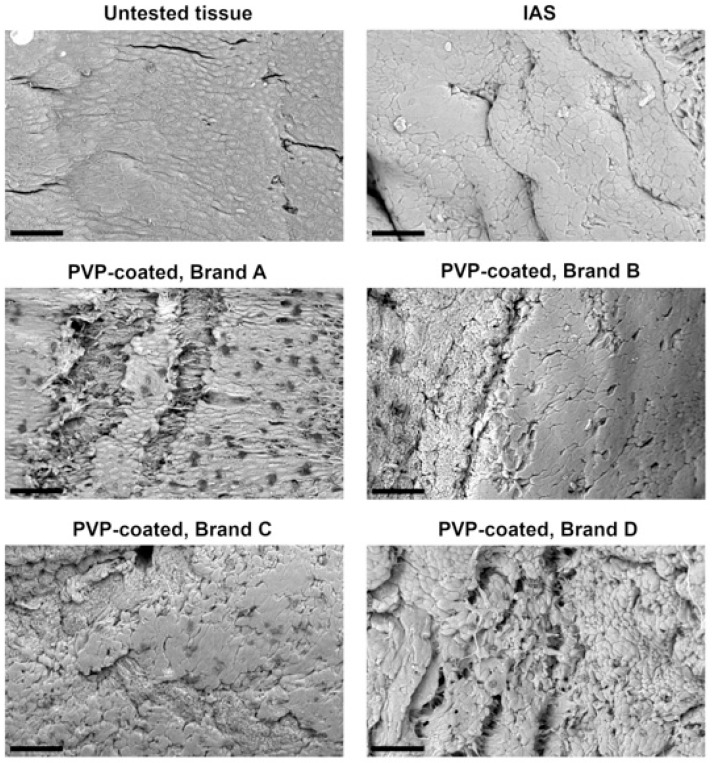 Figure 1
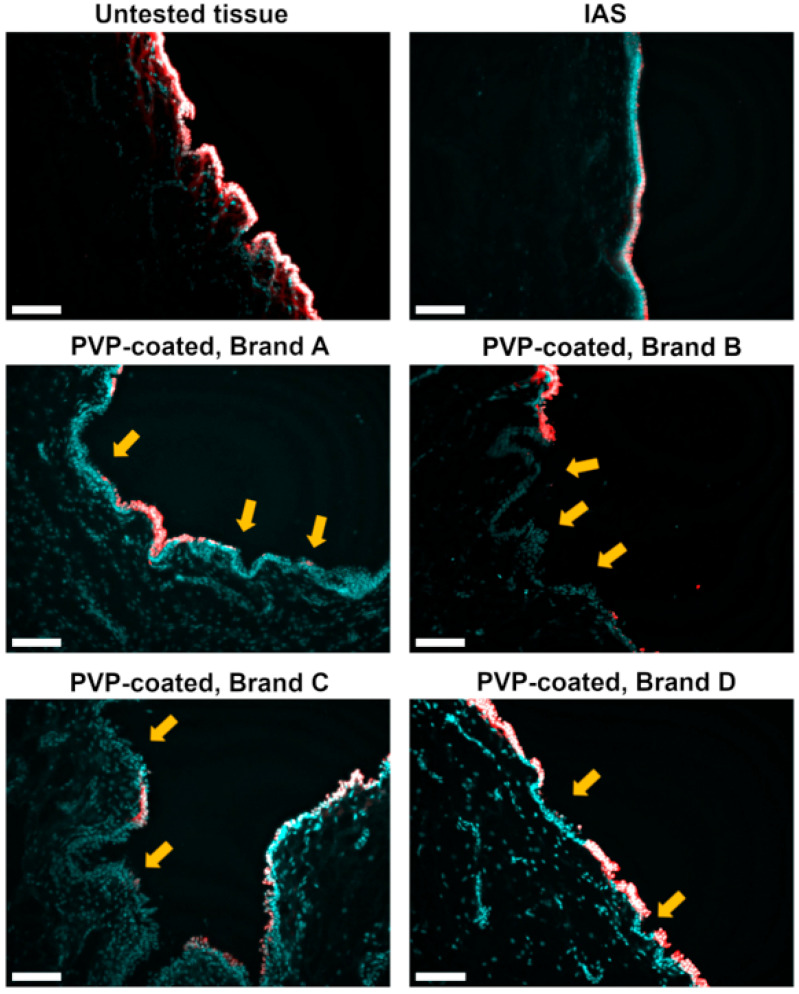 Figure 2
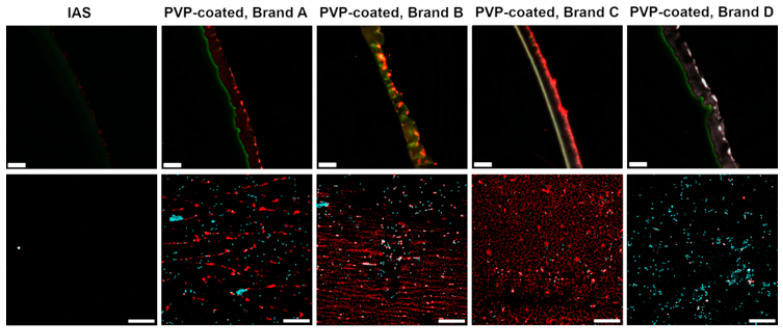 Figure 3
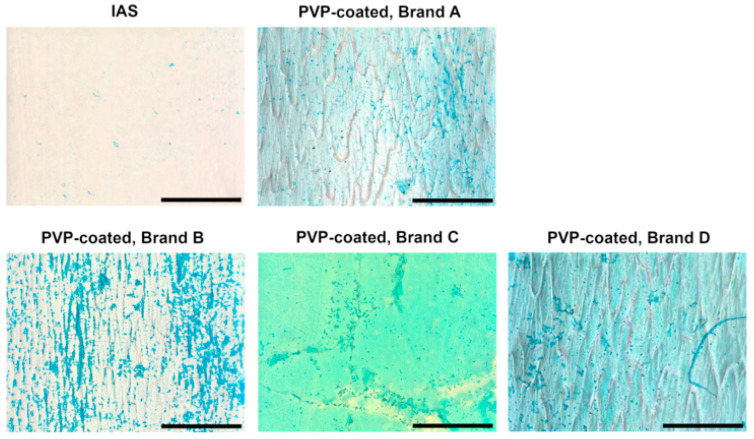 Figure 4
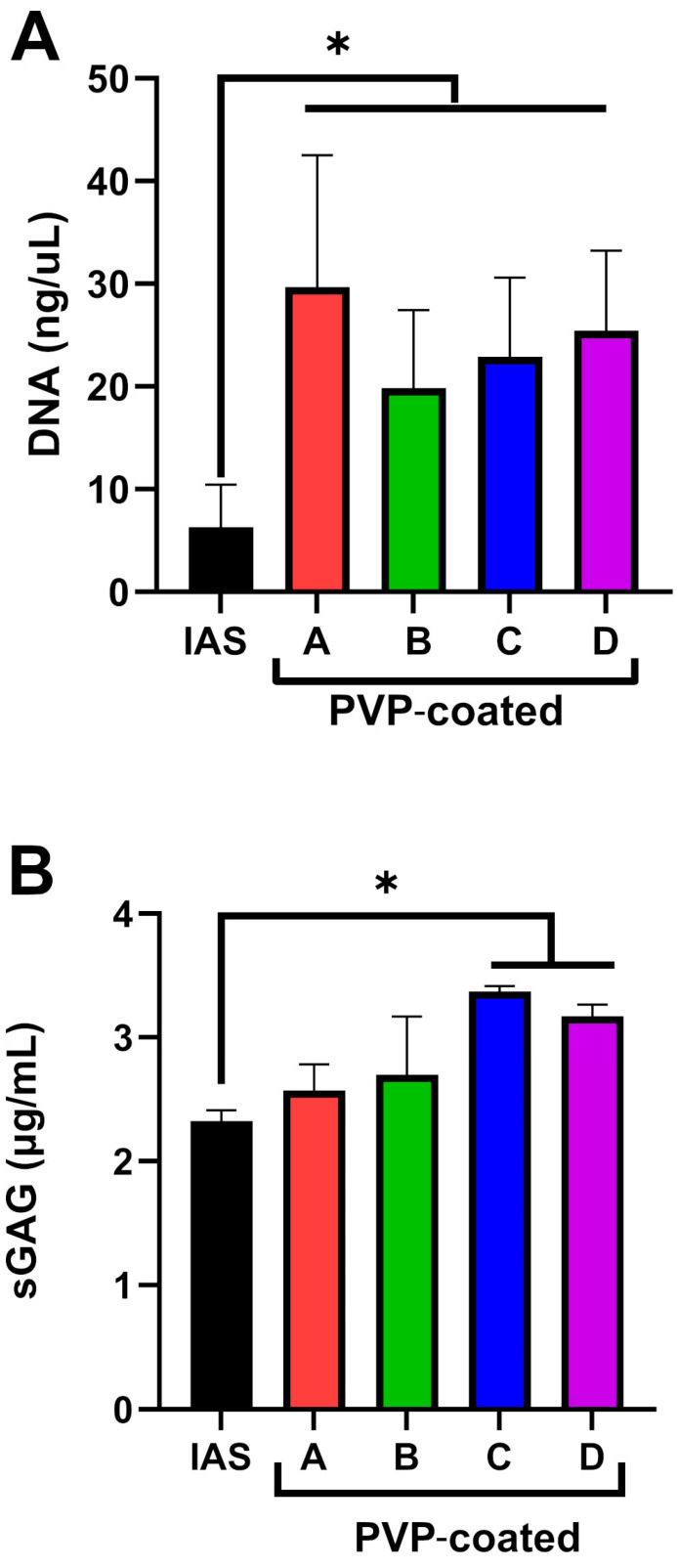 Figure 5
Peer Reviews
No public reviews on file for this paper yet. If you reviewed it on a platform where reviews are public (OpenReview, ICLR, NeurIPS, ICML), you can paste yours below so the community can read it here.
Videos
No videos yet. Explain this paper in a talk, walkthrough, or lecture? Add one.
Taxonomy
TopicsUrinary Bladder and Prostate Research · Urinary Tract Infections Management · Urological Disorders and Treatments