Vaginal Clinical Isolates of Candida albicans Differentially Modulate Complosome Activation in Vaginal Epithelial Cells
Samyr Kenno, Natalia Pedretti, Luca Spaggiari, Andrea Ardizzoni, Manola Comar, Wilfried Posch, Robert Treyde Wheeler, Samuele Peppoloni, Eva Pericolini

TL;DR
This study shows that different strains of Candida albicans affect immune responses in vaginal cells differently, with one strain evading immune detection.
Contribution
The study reveals a novel immune evasion strategy by a Candida albicans strain through modulation of complosome activity in vaginal epithelial cells.
Findings
Colonizing C. albicans strain increases C3a release while VVC strain reduces C5 and C5a in vaginal epithelial cells.
VVC strain reduces cathepsin D activity and C5aR1 levels, suggesting immune evasion.
Colonizing strain increases intracellular C5aR1 without affecting C3aR levels.
Abstract
The complosome controls different activities in innate immune cells and epithelial cells; however, its role in the response of VECs to Candida remains untested. In this in vitro study, we compared two clinical vaginal strains of C. albicans, namely, a Colonizing strain from a healthy woman and a strain from a patient with vulvovaginal candidiasis (VVC), for their ability to activate the complosome and release anaphylatoxins in vaginal epithelial cells (VECs). Our results show the following: (i) both strains triggered the cleavage of C3 into C3a and C3b within VECs, while infection with the Colonizing strain led to greater release of the anaphylatoxin C3a; (ii) infection with the VVC isolate led to a strong reduction in both C5 and C5a in VECs, while no increase in C5a release was observed after infection with either strain; (iii) cathepsin-family gene expression and cathepsin D activity…
Genes, proteins, chemicals, diseases, species, mutations and cell lines named across the full text — each resolved to its canonical identifier and authoritative record.
Click any figure to enlarge with its caption.
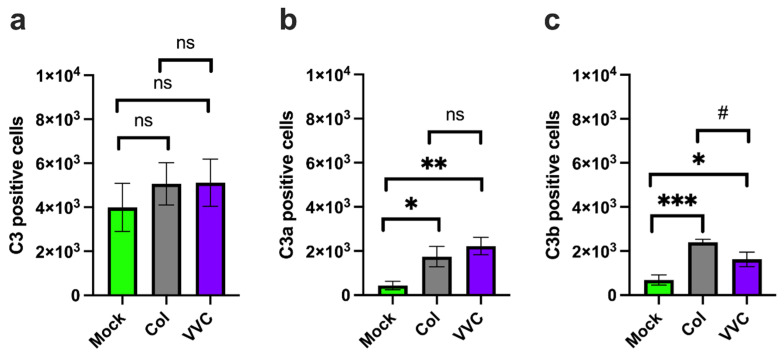 Figure 1
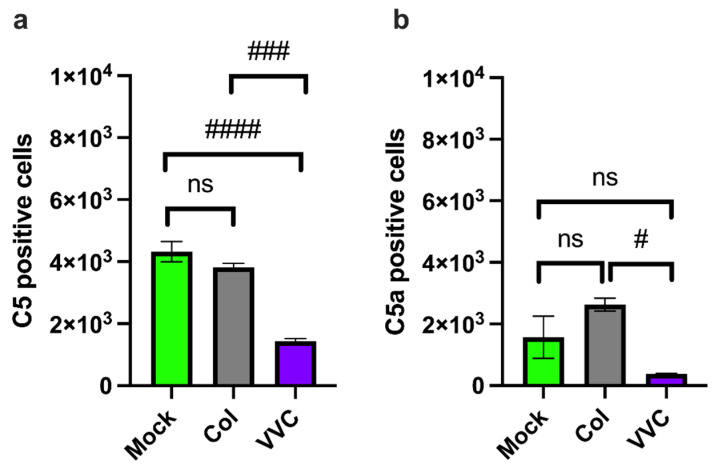 Figure 2
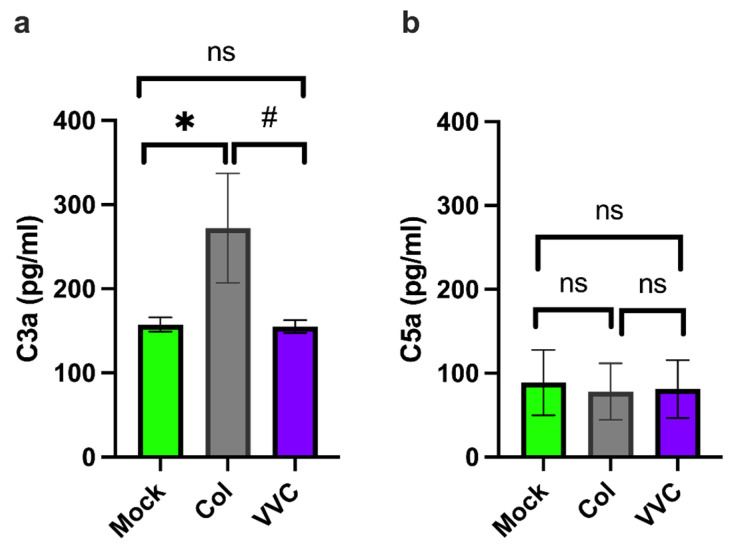 Figure 3
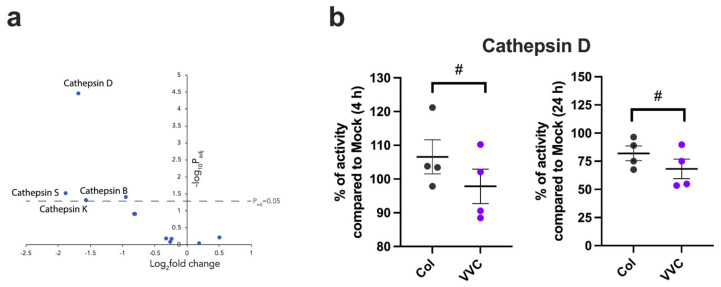 Figure 4
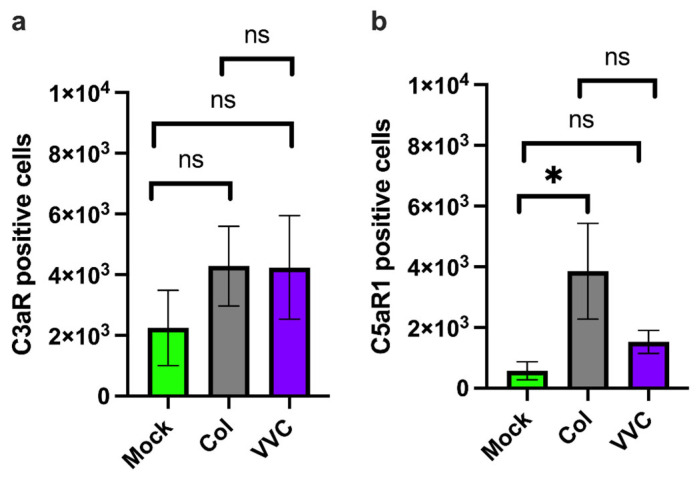 Figure 5
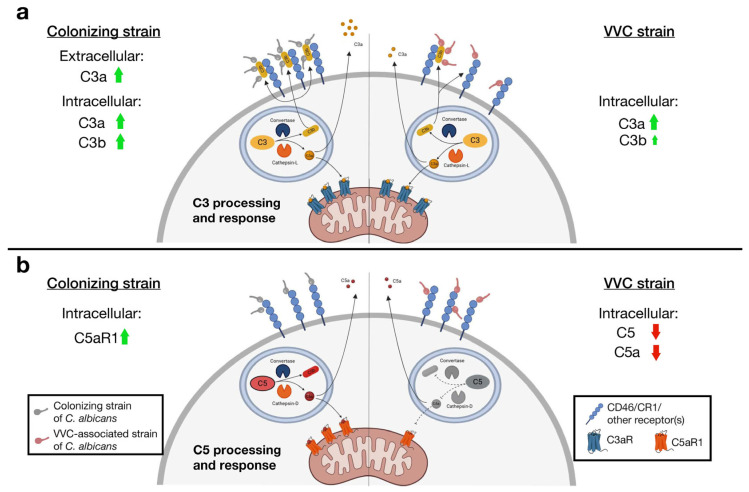 Figure 6
Peer Reviews
No public reviews on file for this paper yet. If you reviewed it on a platform where reviews are public (OpenReview, ICLR, NeurIPS, ICML), you can paste yours below so the community can read it here.
Videos
No videos yet. Explain this paper in a talk, walkthrough, or lecture? Add one.
Taxonomy
TopicsReproductive tract infections research · Asthma and respiratory diseases · Antifungal resistance and susceptibility