Afucosylated IgG Promote Thrombosis in Mouse Injected with SARS-CoV-2 Spike Expressing Megakaryocytes
Meryem Mabrouk, Farah Atifi, Hicham Wahnou, Afaf Allaoui, Nabil Zaid, Abdallah Naya, Ejaife O. Agbani, Loubna Khalki, Meriem Khyatti, Youssef Tijani, Khadija Akarid, Damien Arnoult, Haissam Abou-Saleh, Othman El Faqer, Salma Labied, Mounia Ammara, Fadila Guessous, Farid Jalali

TL;DR
This study shows that afucosylated IgG antibodies, produced in response to SARS-CoV-2 in megakaryocytes, cause dangerous blood clots and severe outcomes in mice.
Contribution
The novel finding is that SARS-CoV-2 infection of megakaryocytes leads to afucosylated IgGs that promote thrombosis and severe disease in mice.
Findings
Afucosylated IgGs targeting SARS-CoV-2 spike protein cause pulmonary thrombosis and lung injury in mice.
Virus-infected megakaryocytes trigger platelet activation and increased thrombus formation in mice.
Inhibitors targeting FcγRIIa, serotonin, or complement anaphylatoxins prevent thrombosis and bleeding issues in infected mice.
Abstract
Despite the prevalence of fucosylated IgG in plasma, specific IgGs with low core fucosylation sporadically emerge in response to virus infections and blood cell alloantigens. This low fucosylation of IgG is implicated in the pathogenesis of SARS-CoV-2 and dengue infections. In COVID-19, the presence of IgGs with low core fucosylation (afucosylated IgGs) targeting spike protein predicts disease progression to a severe form and actively mediates this progression. This study reveals that SARS-CoV-2 infection of megakaryocytes promotes the generation of pathogenic afucosylated anti-spike IgGs, leading to outcomes, such as pulmonary vascular thrombosis, acute lung injury, and mortality in FcγRIIa-transgenic mice. Platelets from mice injected with virus-infected human megakaryocytes express significant activation biomarkers, indicating a direct link between the immune response and platelet…
Genes, proteins, chemicals, diseases, species, mutations and cell lines named across the full text — each resolved to its canonical identifier and authoritative record.
Click any figure to enlarge with its caption.
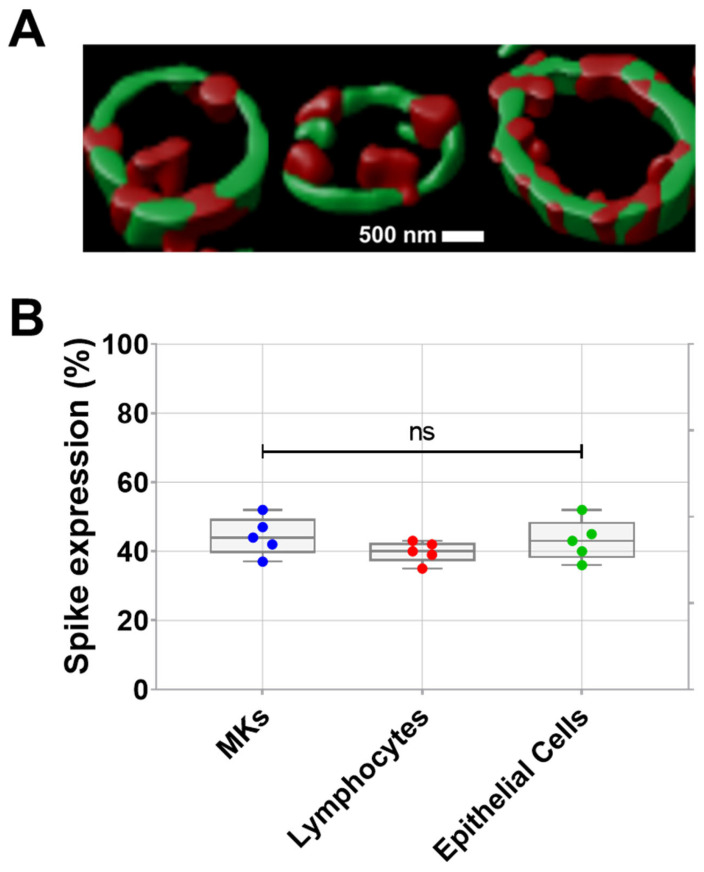 Figure 1
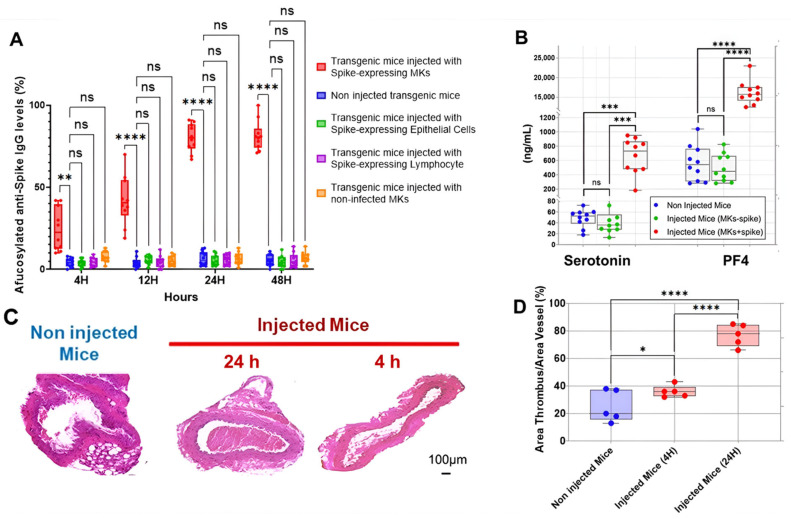 Figure 2
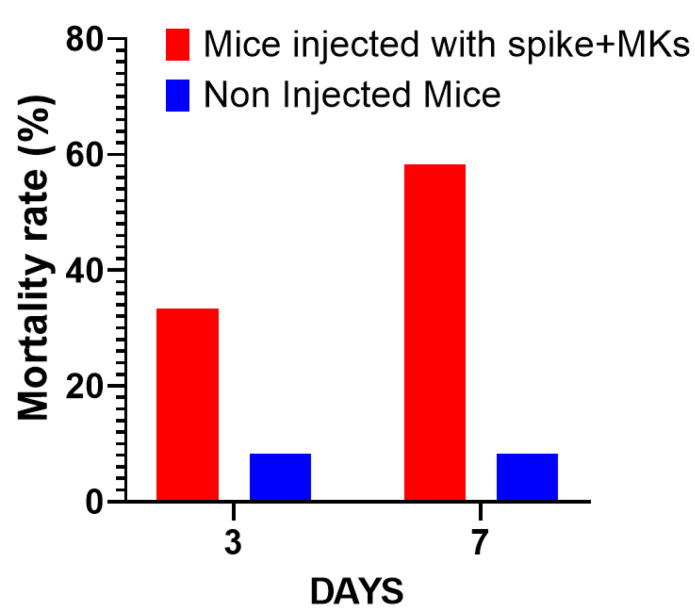 Figure 3
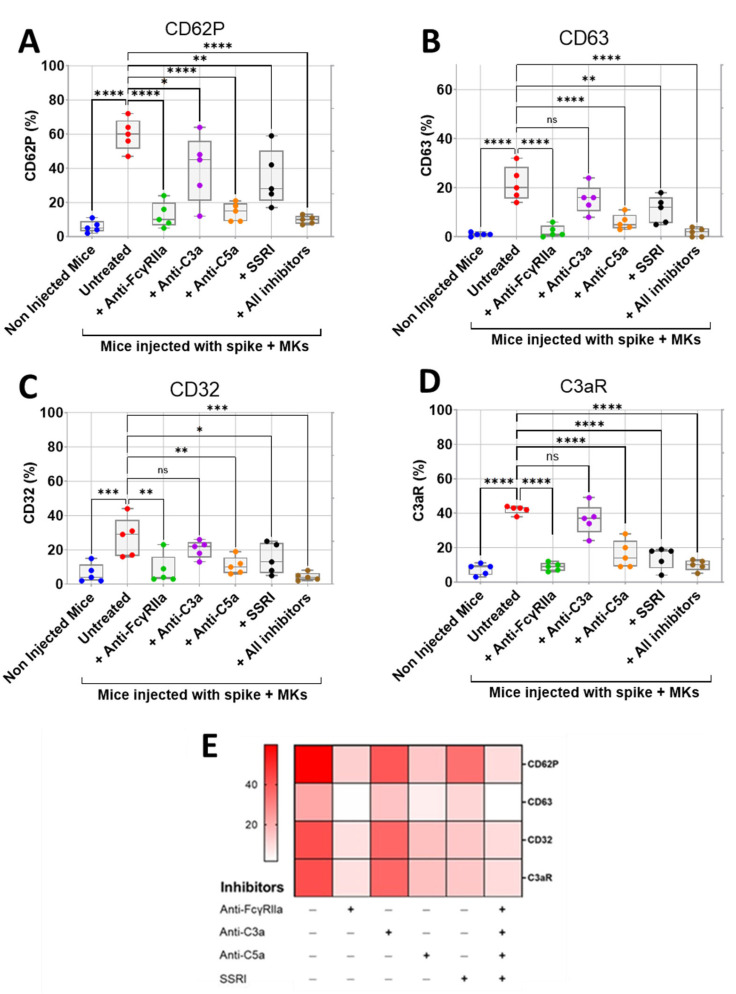 Figure 4
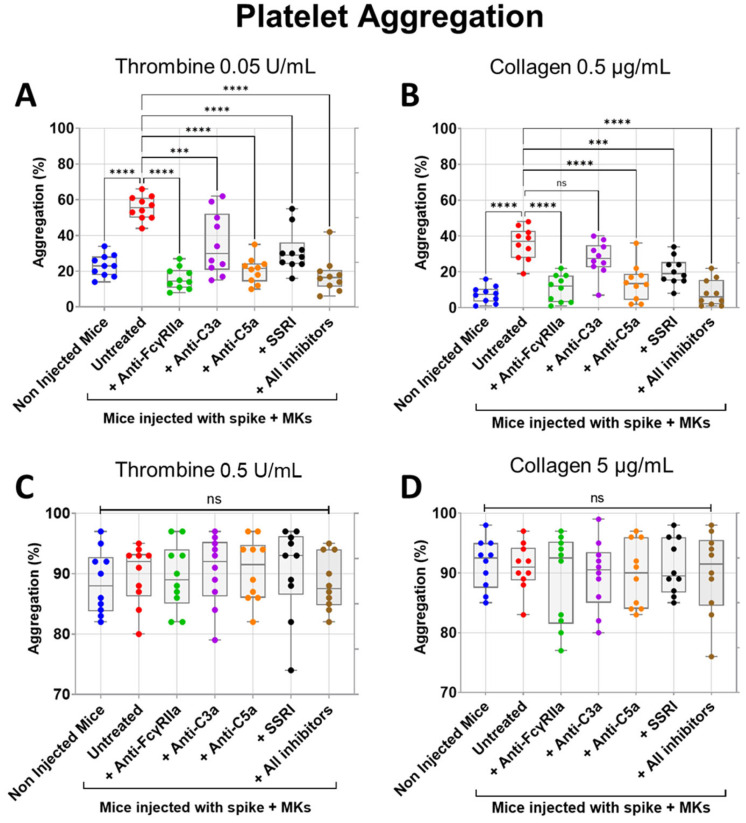 Figure 5
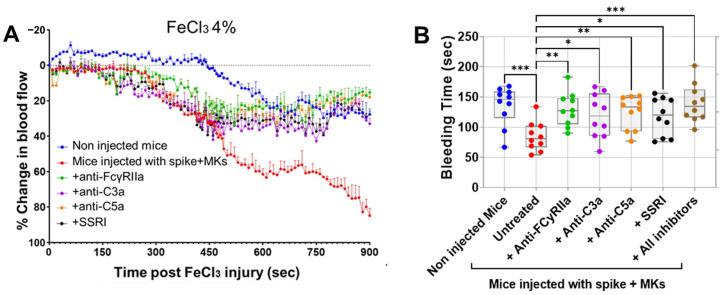 Figure 6
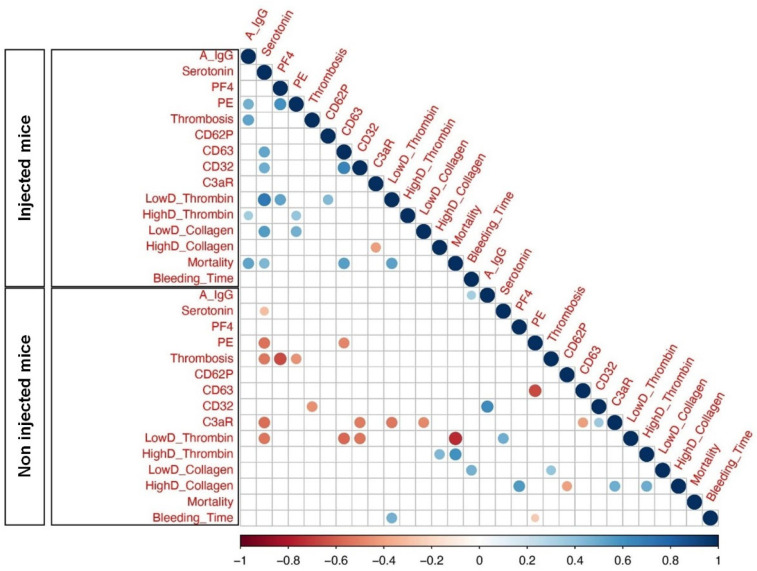 Figure 7
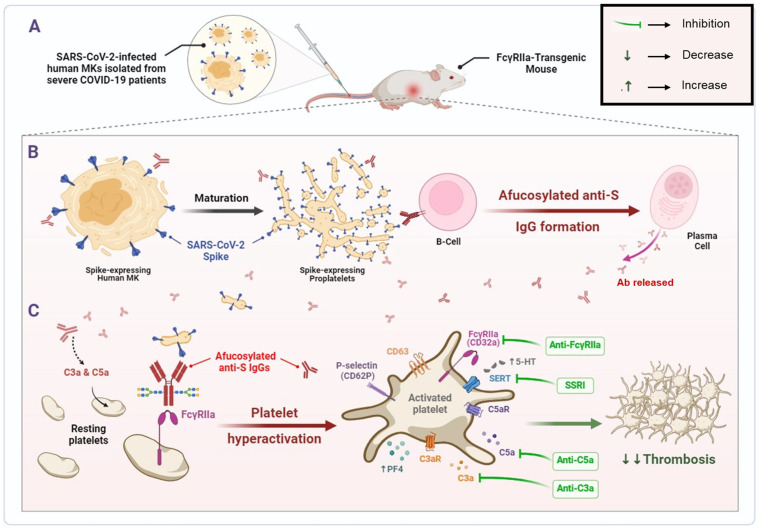 Figure 8
Peer Reviews
No public reviews on file for this paper yet. If you reviewed it on a platform where reviews are public (OpenReview, ICLR, NeurIPS, ICML), you can paste yours below so the community can read it here.
Videos
No videos yet. Explain this paper in a talk, walkthrough, or lecture? Add one.
Taxonomy
TopicsPlatelet Disorders and Treatments · Complement system in diseases · Blood groups and transfusion