Local Entropy Optimization–Adaptive Demodulation Reassignment Transform for Advanced Analysis of Non-Stationary Mechanical Signals
Yuli Niu, Zhongchao Liang, Hengshan Wu, Jianxin Tan, Tianyang Wang, Fulei Chu

TL;DR
A new method called LEOADRT improves the analysis of complex mechanical signals by optimizing time-frequency resolution for better fault diagnosis and monitoring.
Contribution
The novel LEOADRT method introduces a demodulation term and Rényi entropy optimization for enhanced non-stationary signal analysis.
Findings
LEOADRT outperforms existing methods in processing complex non-stationary signals with closely spaced frequencies.
The method improves time-frequency resolution using energy redistribution based on maximum local energy criterion.
It is effective for real-time analysis of multi-component and cross-frequency mechanical signals.
Abstract
This research proposes a new method for time–frequency analysis, termed the Local Entropy Optimization–Adaptive Demodulation Reassignment Transform (LEOADRT), which is specifically designed to efficiently analyze complex, non-stationary mechanical vibration signals that exhibit multiple instantaneous frequencies or where the instantaneous frequency ridges are in close proximity to each other. The method introduces a demodulation term to account for the signal’s dynamic behavior over time, converting each component into a stationary signal. Based on the local optimal theory of Rényi entropy, the demodulation parameters are precisely determined to optimize the time–frequency analysis. Then, the energy redistribution of the ridges already generated in the time–frequency map is performed using the maximum local energy criterion, significantly improving time–frequency resolution.…
Genes, proteins, chemicals, diseases, species, mutations and cell lines named across the full text — each resolved to its canonical identifier and authoritative record.
Click any figure to enlarge with its caption.
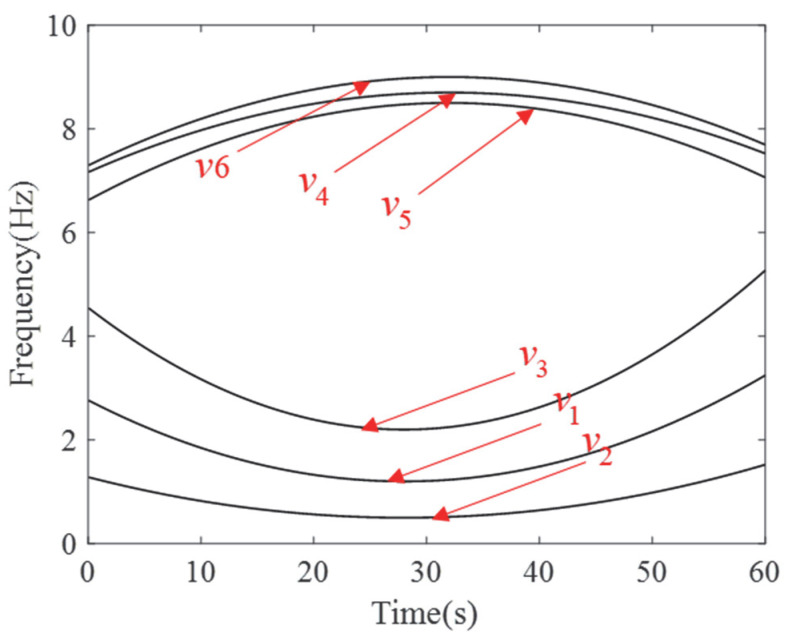 Figure 1
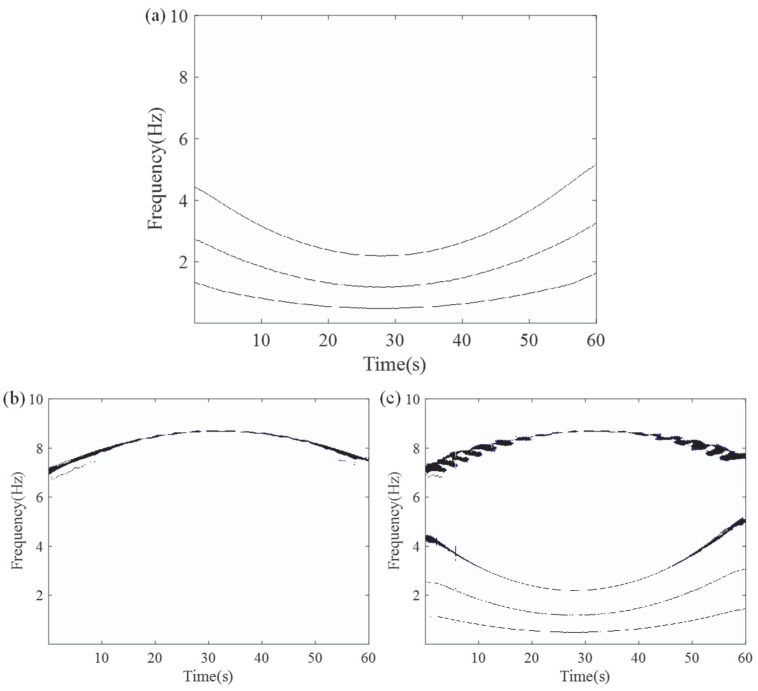 Figure 2
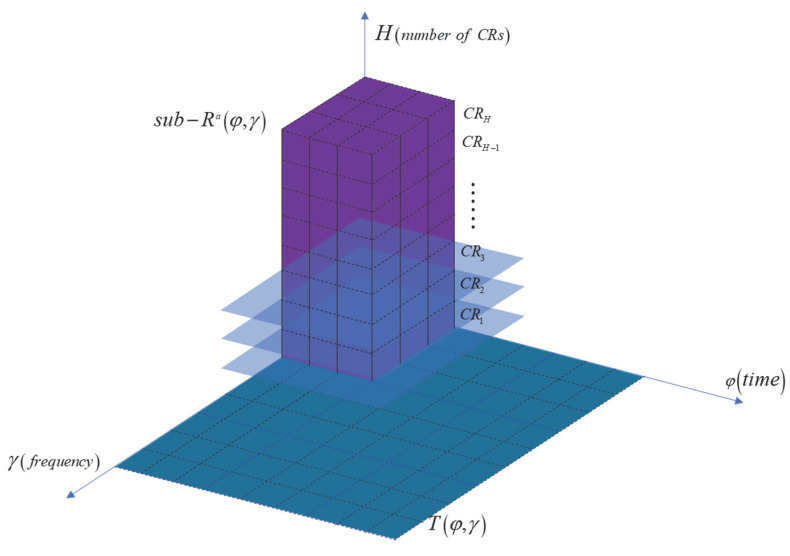 Figure 3
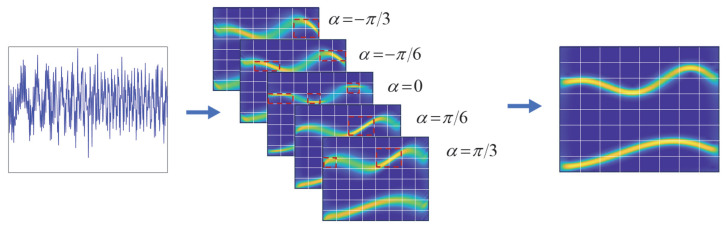 Figure 4
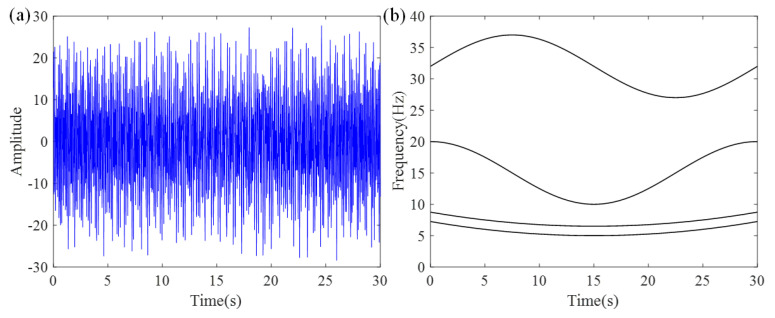 Figure 5
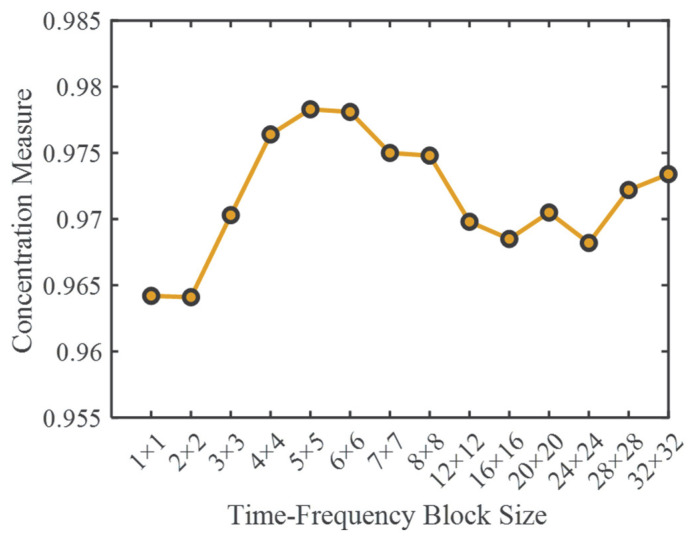 Figure 6
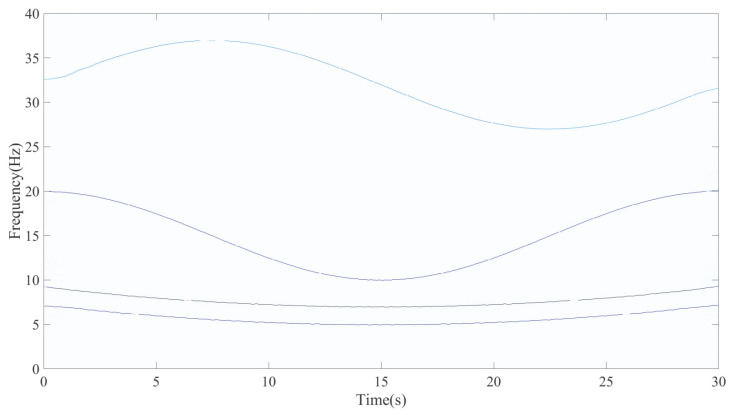 Figure 7
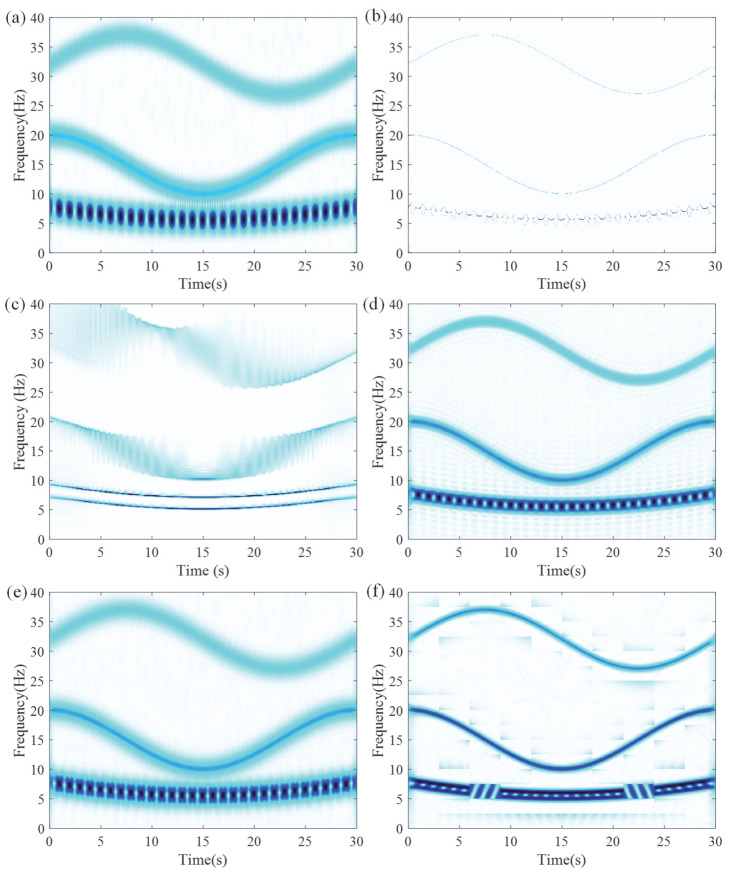 Figure 8
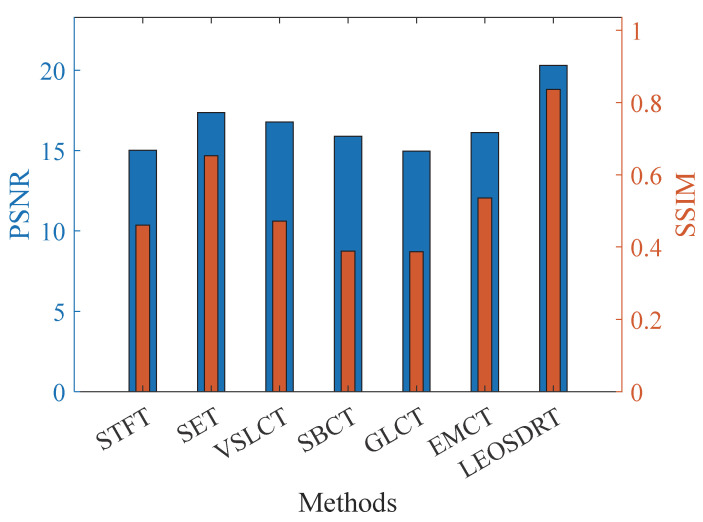 Figure 9
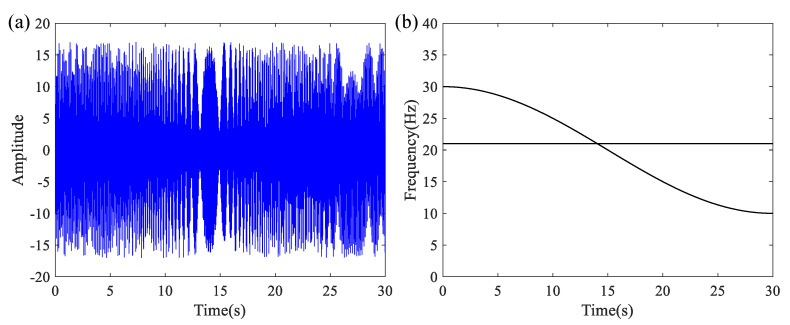 Figure 10
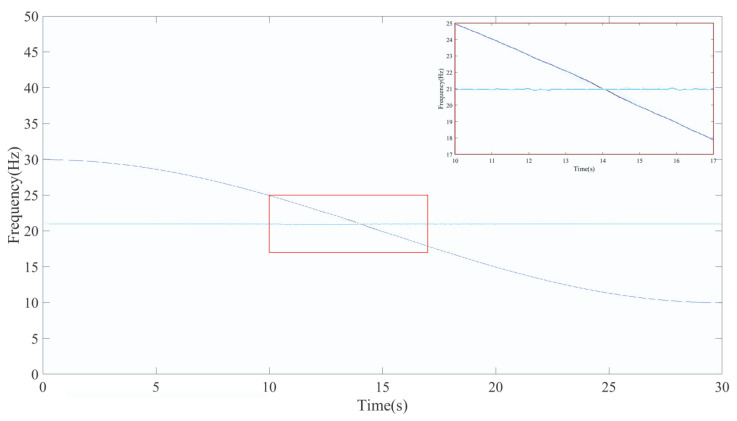 Figure 11
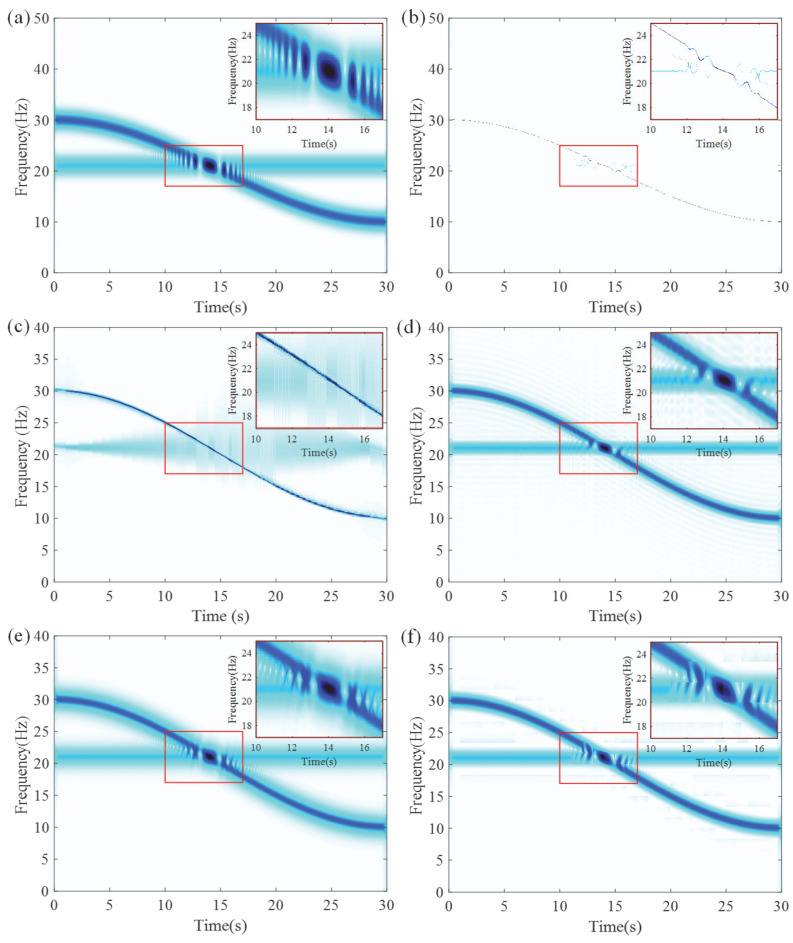 Figure 12
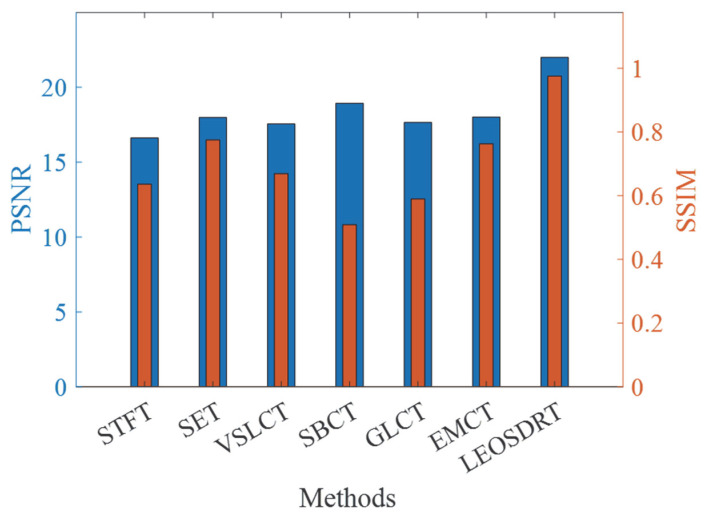 Figure 13
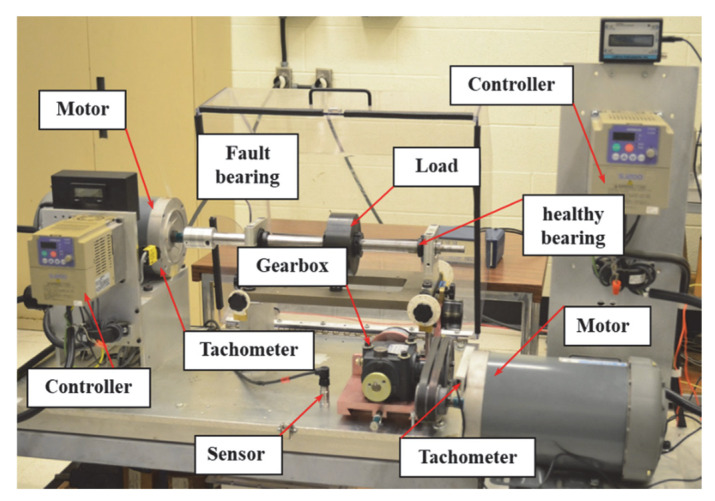 Figure 14
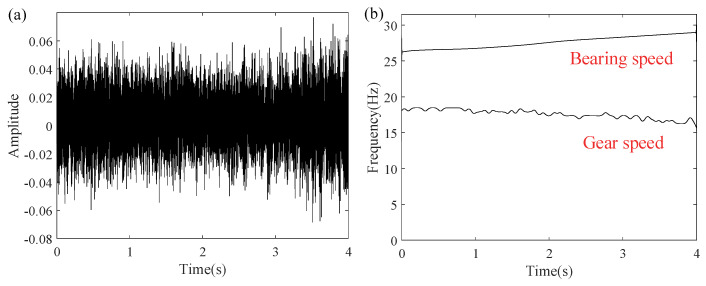 Figure 15
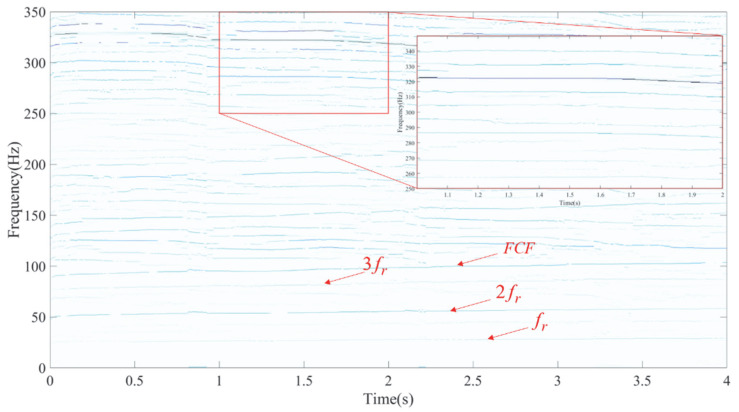 Figure 16
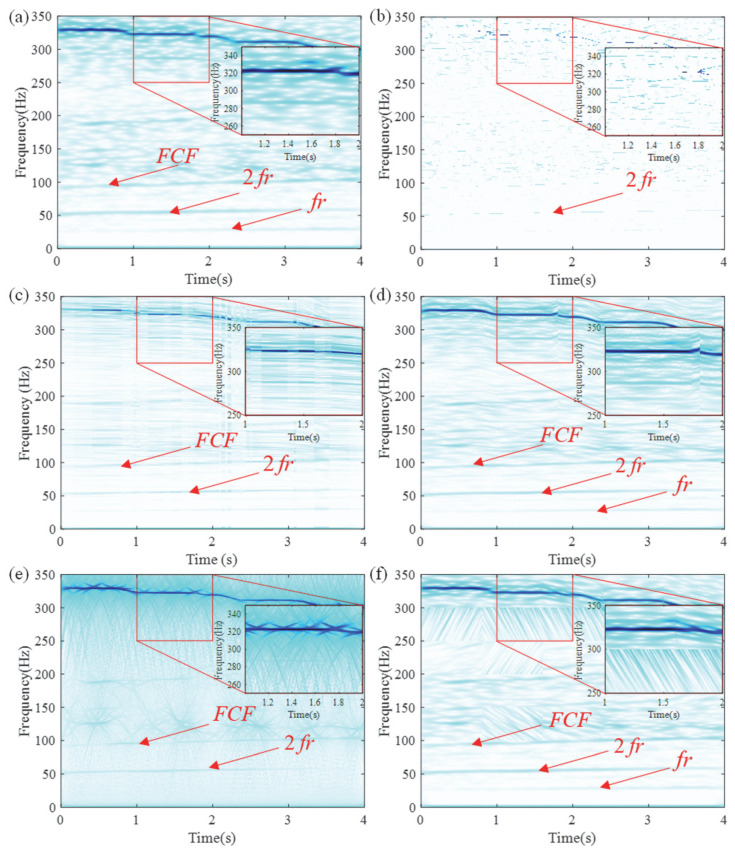 Figure 17
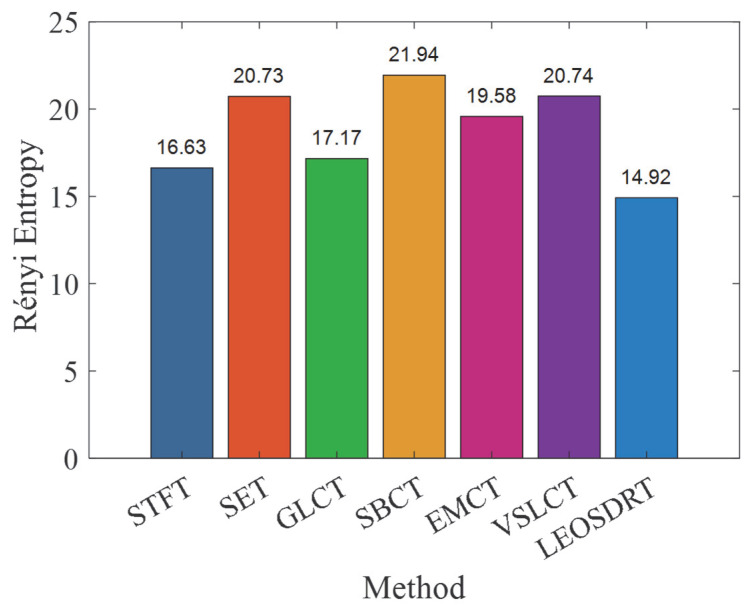 Figure 18
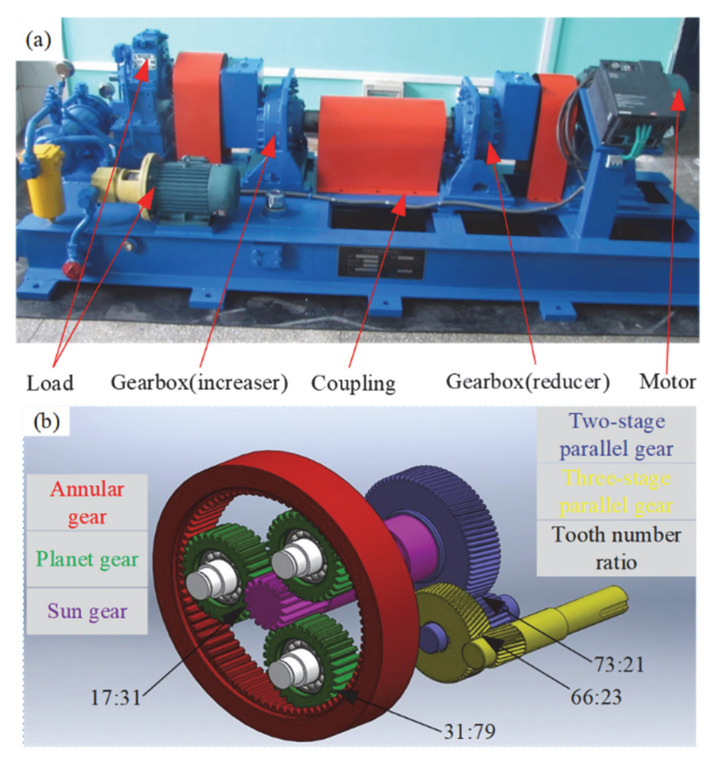 Figure 19
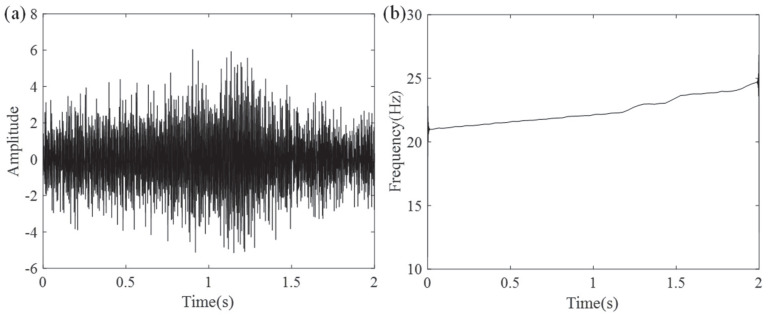 Figure 20
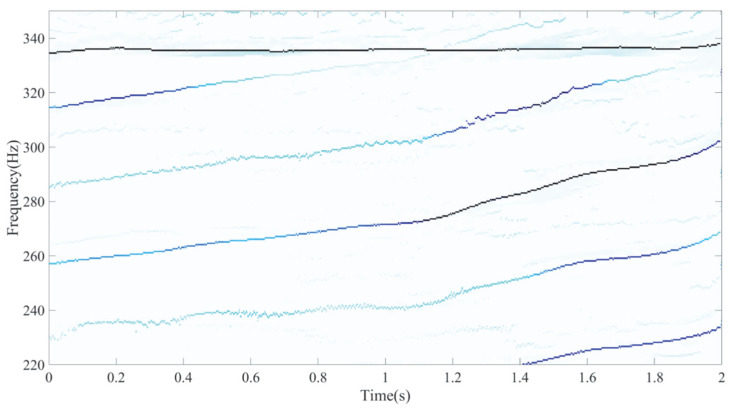 Figure 21
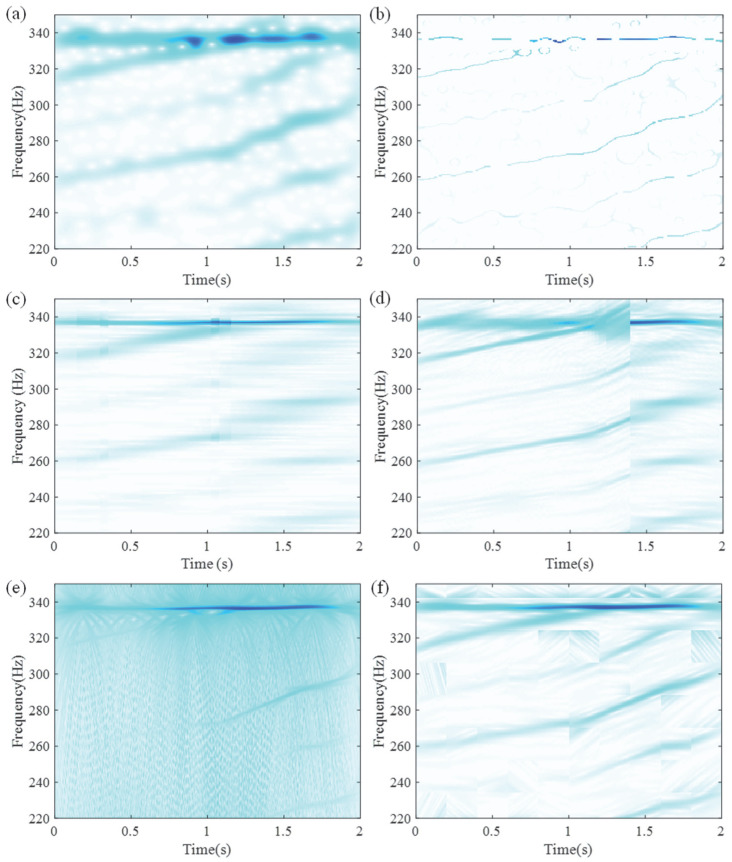 Figure 22
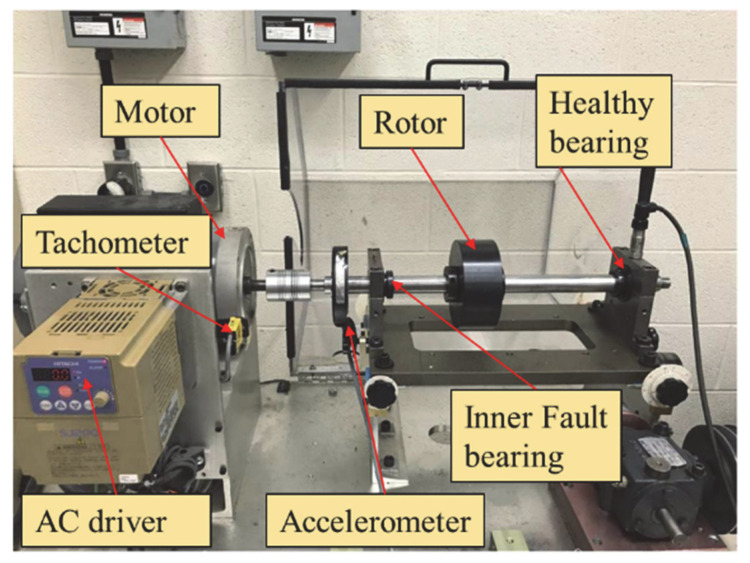 Figure 23
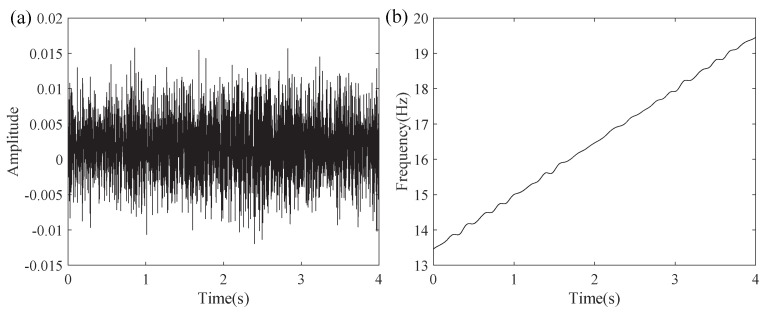 Figure 24
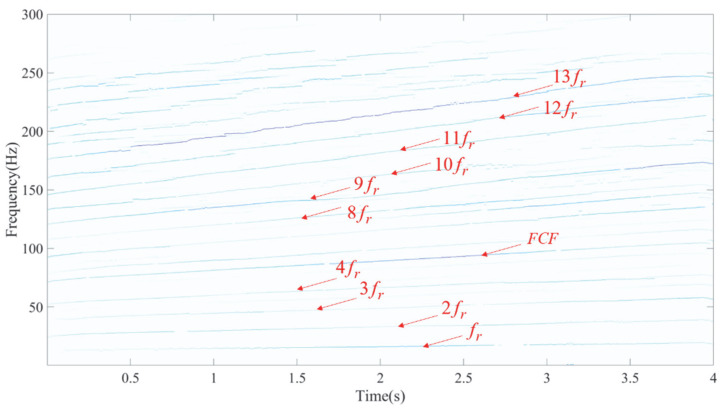 Figure 25
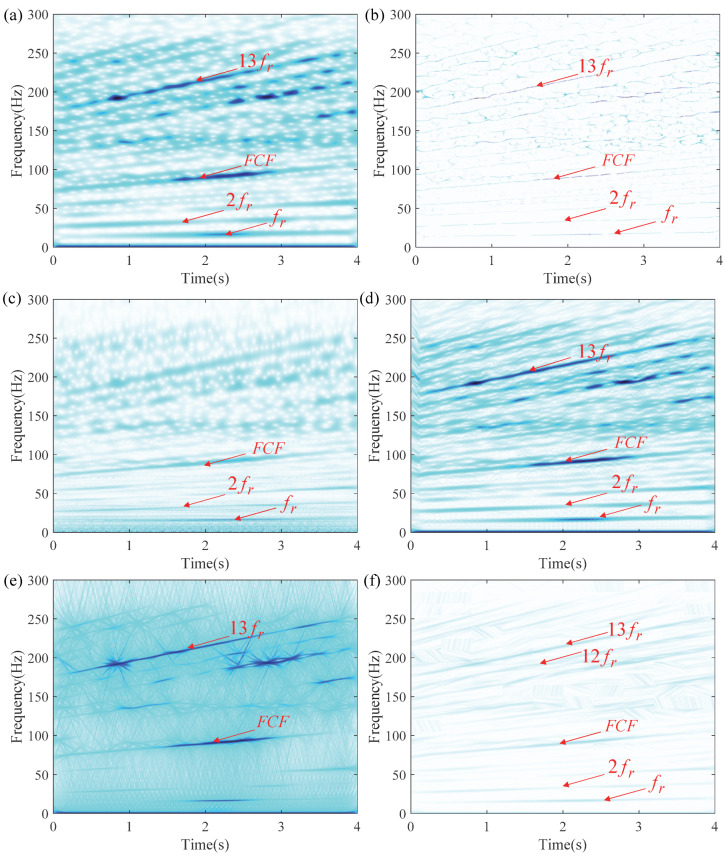 Figure 26
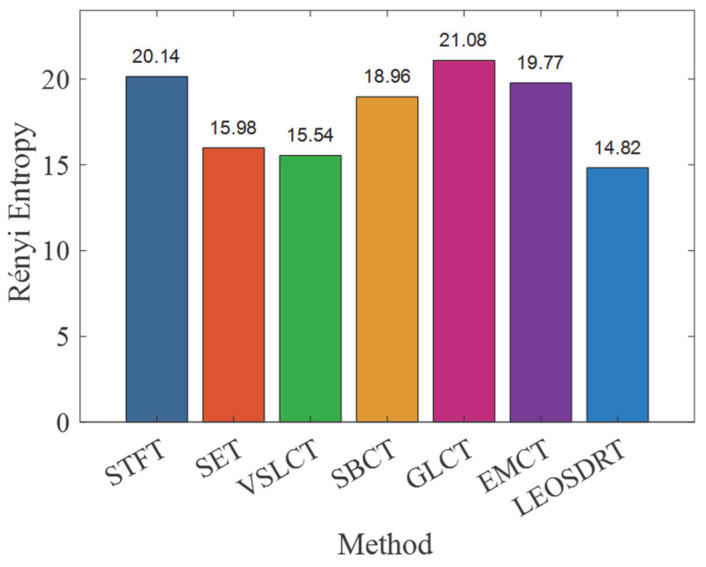 Figure 27
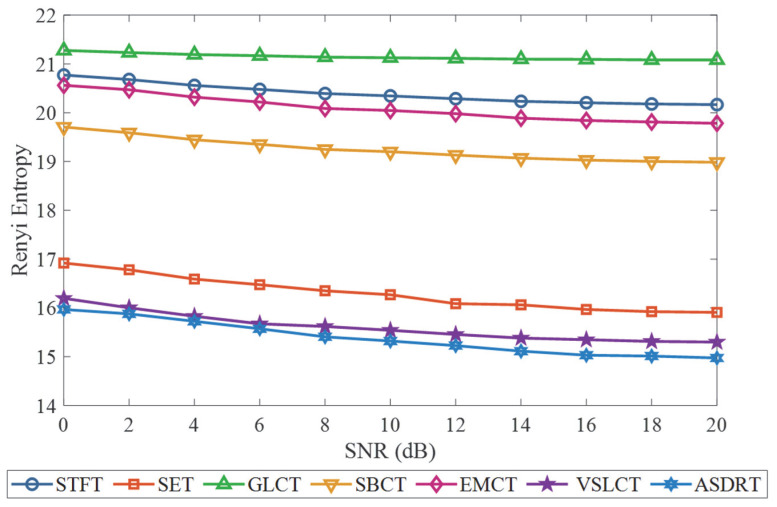 Figure 28
Peer Reviews
No public reviews on file for this paper yet. If you reviewed it on a platform where reviews are public (OpenReview, ICLR, NeurIPS, ICML), you can paste yours below so the community can read it here.
Videos
No videos yet. Explain this paper in a talk, walkthrough, or lecture? Add one.
Taxonomy
TopicsMachine Fault Diagnosis Techniques · Structural Health Monitoring Techniques · Ultrasonics and Acoustic Wave Propagation